
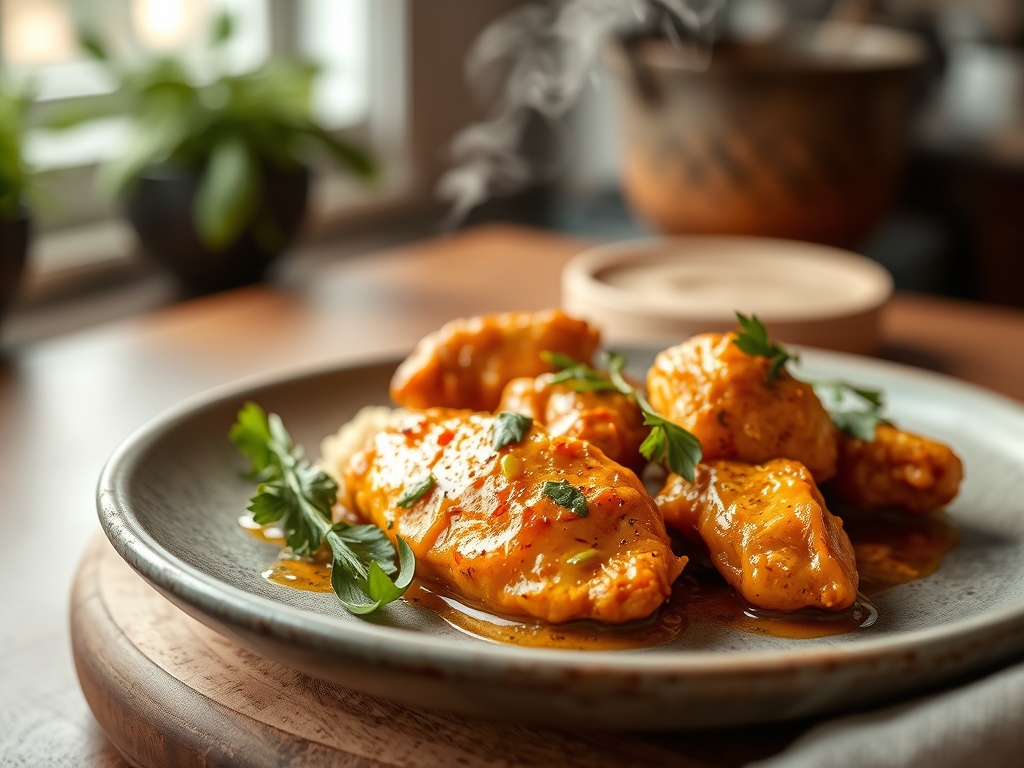
Picture the steam rising from a heavy bottomed skillet; it carries the piquant scent of toasted cumin and the sharp, bright zing of fresh ginger. You are tired, your kitchen is a mess, but you are only twenty minutes away from a meal that tastes like a week of slow simmering. Finding curry chicken recipes easy enough for a Tuesday night used to be a chore, but once you master the foundational chemistry of a great sauce, the possibilities become endless. We are talking about silk textures, vibrant colors, and that deep, soul warming heat that lingers just long enough to make you reach for another spoonful.
This is not just about following a list of instructions; it is about understanding how heat transforms a humble chicken breast into a tender masterpiece. Whether you are craving a velvety butter chicken or a sharp, vinegar laced vindaloo, the blueprint remains the same. We are going to strip away the intimidation and focus on the mechanics of flavor. By the time we are done, you will have nine distinct variations in your repertoire, each one more impressive than the last. Let us get your mise en place ready and dive into the delicious science of the perfect curry.
The Gathers:
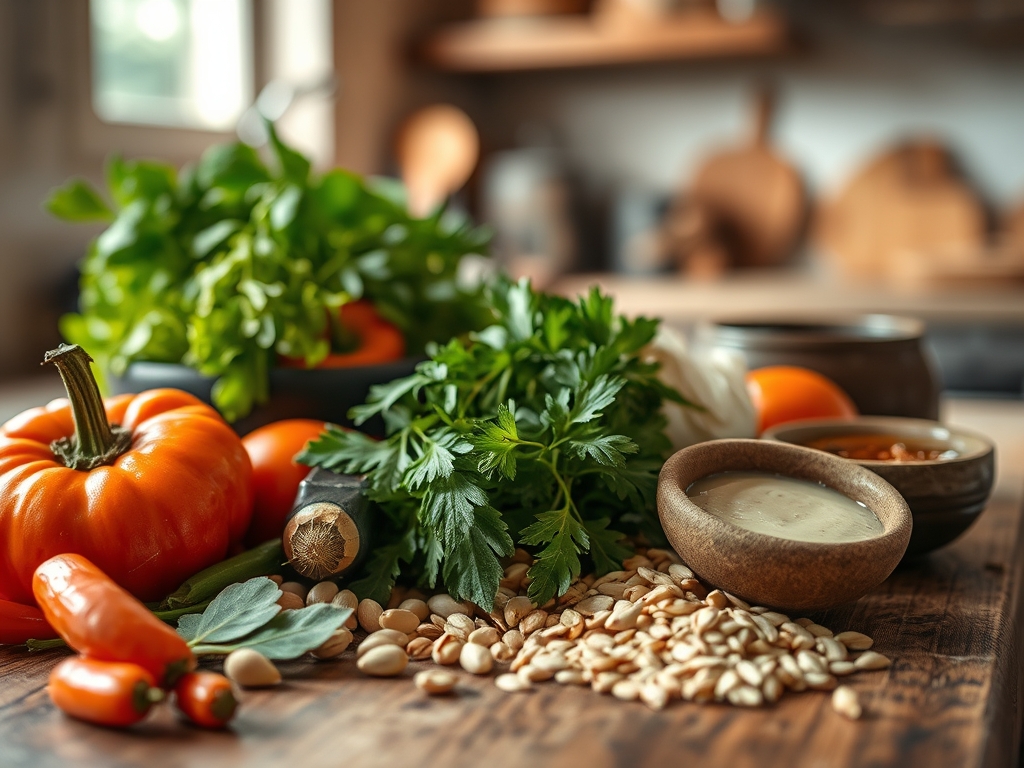
To achieve professional results, your ingredients must be prepped with precision. Start with high quality chicken thighs; they contain more connective tissue than breasts, which breaks down into gelatin to create a more viscous sauce. You will need a digital scale to ensure your spice ratios are exact, as even a five gram deviation in turmeric can turn a dish from golden to bitter. Your aromatics are the soul of the dish. Use a microplane to grate your garlic and ginger into a fine paste; this increases the surface area, allowing for a more rapid release of essential oils during the initial sauté.
Smart Substitutions are your best friend when the pantry looks bare. If you lack fresh coconut milk, a high fat Greek yogurt provides that necessary creamy mouthfeel, though you must temper it first to prevent curdling. No fresh chilies? A dash of cayenne or a spoonful of sambal oelek will provide the necessary heat. If you are out of ghee, use a neutral oil with a high smoke point paired with a small knob of unsalted butter to mimic that nutty, rendered fat profile. Always keep a bottle of fish sauce or soy sauce nearby; these provide the hit of umami that salt alone cannot achieve.
The Clock
Efficiency in the kitchen is all about the Chef's Flow. For these easy recipes, your active prep time should never exceed fifteen minutes. The secret is to multitask. While your chicken is browning in the heavy-bottomed skillet, use that time to mince your herbs or bloom your spices. Most of these curries require a total cook time of twenty to thirty minutes. This is the "sweet spot" where the proteins are fully cooked but have not yet become fibrous or dry.
The flow looks like this: Prep aromatics, sear the protein to initiate the Maillard reaction, bloom the spices to release fat soluble compounds, and then simmer. If you are using a saucier, the rounded bottom will help you whisk in liquids more effectively, preventing any scorched bits from sticking to the corners. Remember that curry is a "carryover" dish; the flavors will continue to develop and meld as the temperature drops slightly before serving.
The Masterclass
1. The Sear and Render
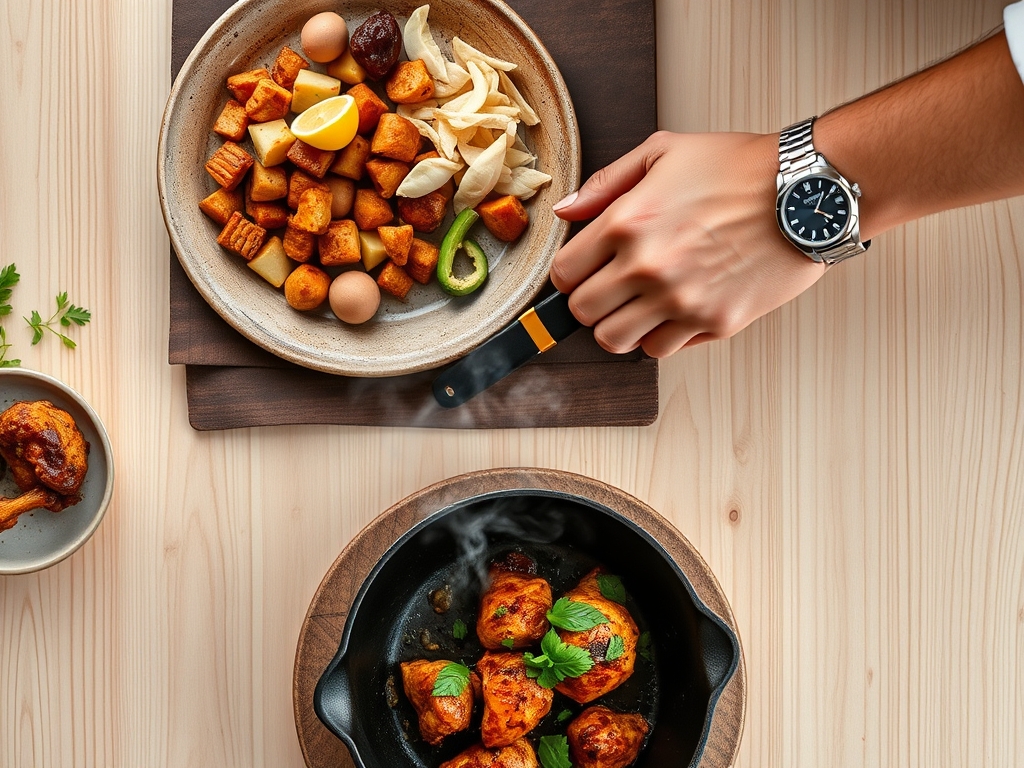
Pat your chicken dry with paper towels before hitting the pan. Use tongs to lay the pieces into shimmering oil, ensuring they do not crowd the skillet. You want a deep, golden crust on the exterior while the interior remains raw.
Pro Tip: This is called enzymatic browning. By searing the meat first, you create complex flavor molecules that will eventually dissolve into your sauce, providing a savory backbone that raw chicken simply cannot offer.
2. Blooming the Aromatics
Clear a space in the center of your pan and drop in your ginger, garlic, and dry spices. Stir them constantly for sixty seconds until they become fragrant but do not burn.
Pro Tip: Spices contain volatile oils that are fat soluble. By "blooming" them in hot oil rather than water, you infuse the fat with flavor, ensuring the spice notes are distributed evenly throughout every bite of the final dish.
3. The Deglaze
Pour in your liquid base; this could be coconut milk, crushed tomatoes, or chicken stock. Use a bench scraper or a wooden spoon to scrape up the brown bits (the fond) stuck to the bottom of the pan.
Pro Tip: Deglazing captures the concentrated juices and proteins left behind during searing. This process incorporates those toasted flavors back into the sauce, deepening the color and the complexity of the curry.
4. The Gentle Simmer
Reduce the heat to low and return the chicken to the pan. The liquid should barely bubble. Cover with a tight fitting lid to trap moisture and ensure the heat stays consistent.
Pro Tip: Thermal carryover ensures the chicken finishes cooking gently. High heat toughens muscle fibers; a low simmer allows the proteins to relax, resulting in a texture that is tender enough to cut with a spoon.
The Deep Dive
From a nutritional standpoint, curry is a powerhouse. It is naturally high in protein and, depending on your base, can be loaded with healthy fats and antioxidants like curcumin. For those following a Keto lifestyle, stick to heavy cream or coconut milk bases and serve over cauliflower rice. Vegan adjustments are simple; swap the chicken for chickpeas or firm tofu and use coconut oil instead of ghee. If you are Gluten-Free, simply ensure your spice blends do not contain hidden anti caking agents like flour.
The "Fix-It" guide for common pitfalls:
- The Sauce is Too Thin: Whisk in a teaspoon of cornstarch slurry or let it simmer uncovered for five minutes to aerate and reduce the liquid.
- The Flavor is Flat: Add a squeeze of lime juice or a splash of vinegar. Acidity brightens the heavy fats and "wakes up" the spices.
- The Curry is Too Spicy: Stir in a spoonful of sugar or a dollop of yogurt. The fat and sweetness neutralize the capsaicin on your palate.
For meal prep, remember that curry is actually better on day two. As it cools, the spices continue to undergo molecular diffusion, moving deeper into the meat. To reheat, add a splash of water or stock to the pan to loosen the sauce and heat slowly over medium low. Avoid the microwave if possible; it can cause the fats to separate and the chicken to turn rubbery.
The Wrap-Up
Mastering curry chicken recipes easy enough for daily life is a total game changer for your kitchen confidence. You have learned how to sear for flavor, bloom for aroma, and simmer for texture. These nine variations are just the beginning of your culinary journey. Don't be afraid to experiment with different spice ratios or seasonal vegetables. Your kitchen is your lab, and these recipes are your most delicious experiments. Now, grab your favorite bowl, pile on the jasmine rice, and enjoy the fruits of your labor.
The Kitchen Table
How do I make my chicken curry more tender?
Use chicken thighs instead of breasts and simmer on low heat. Avoid boiling the sauce rapidly, as high temperatures cause the protein fibers to contract and become tough. A gentle simmer ensures the meat remains succulent and soft.
Why does my curry taste bland despite the spices?
You likely missed the "blooming" stage or need more salt and acid. Sauté spices in oil first to release their flavors, and always finish with a squeeze of lime or lemon to brighten the dish and balance the fats.
Can I freeze chicken curry for later?
Yes, most curries freeze beautifully for up to three months. However, if your recipe uses a lot of dairy or potatoes, the texture may change slightly upon thawing. Freeze in airtight containers and reheat slowly on the stovetop.
What is the best way to thicken a watery curry?
Simmer the sauce uncovered to allow for evaporation and reduction. Alternatively, whisk a small amount of cornstarch with cold water to create a slurry, then stir it into the boiling sauce until it reaches your desired viscous consistency.