
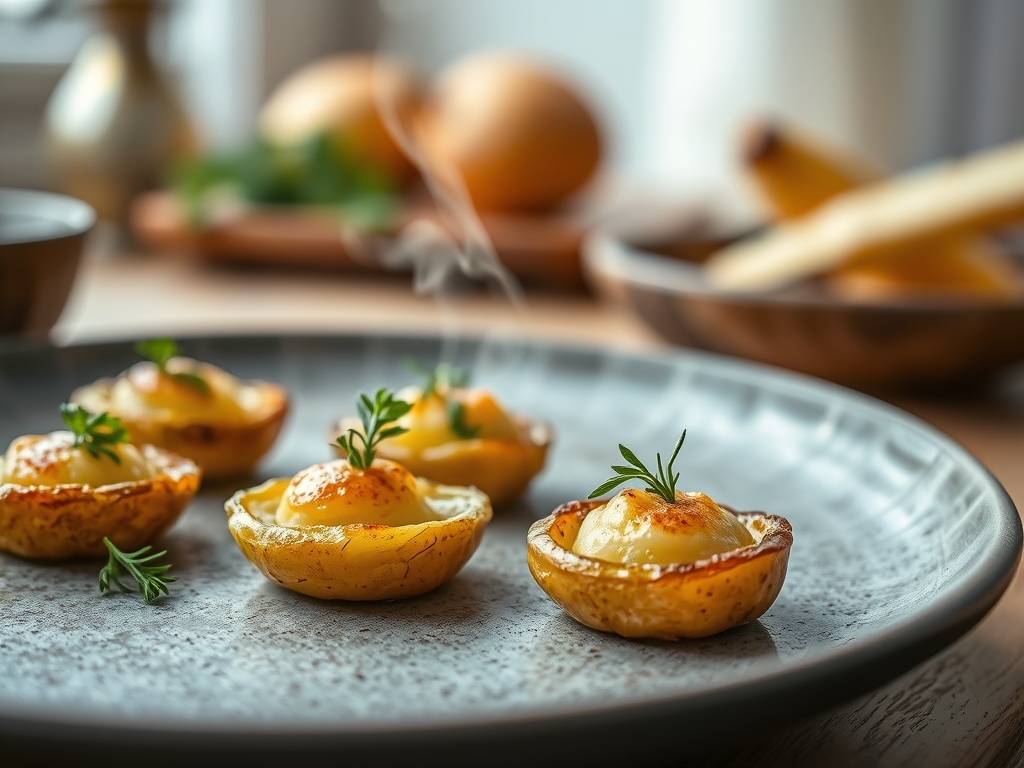
Imagine the scent of golden starch meeting shimmering fat; it is the ultimate olfactory siren song. When you are craving something salty and crisp but do not have an hour to spare, these bite sized potato recipes are your culinary lifeline. We are talking about maximum surface area for the perfect crunch in every single mouthful.
Whether you are hosting a last minute cocktail hour or just treating yourself to a solo snack session, the humble spud is your most versatile ally. It is not just about boiling or frying; it is about manipulating moisture and heat to create a masterpiece. We are going to transform basic pantry staples into high end appetizers that look like they came out of a professional test kitchen.
The secret lies in the science of the potato itself. By understanding how to control starch gelatinization and the Maillard reaction, you can achieve that elusive glass like exterior and fluffy interior. Forget soggy fries or bland mash. We are diving into a world of concentrated flavor where every morsel is a deliberate balance of salt, acid, and heat. Grab your apron and your sharpest knife; we are about to make magic happen in under twenty minutes.
The Gathers:
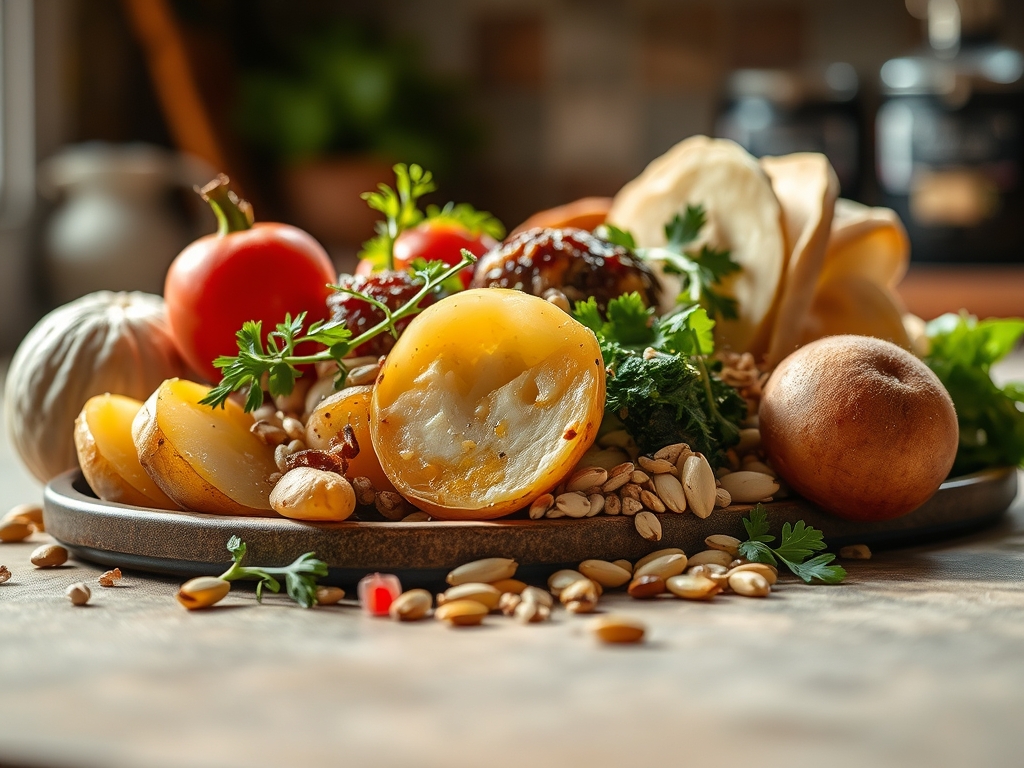
To execute these recipes with precision, your mise en place must be impeccable. Start with high starch varieties like the Russet for maximum fluff, or the Yukon Gold for a buttery, waxy finish that holds its shape. You will need a high smoke point fat such as grapeseed oil or clarified butter to ensure you can reach those high searing temperatures without the oil breaking down into acrid compounds.
Your flavor profile relies on a curated selection of aromatics. Fresh rosemary and thyme contain volatile oils that infuse the fat during the cooking process. Have your Maldon sea salt ready for that final textural pop; the pyramid shaped crystals provide a tactile crunch that table salt simply cannot replicate.
Smart Substitutions:
If you are looking for a lower glycemic index, substitute Japanese sweet potatoes; they possess a dense, creamy crumb that roasts beautifully. For a dairy free richness, use refined coconut oil or a high quality extra virgin olive oil, though keep an eye on the heat to prevent smoking. If you lack fresh herbs, a dash of smoked paprika or garlic powder provides a savory, umami depth that mimics the complexity of slow roasted aromatics.
The Clock:
Efficiency in the kitchen is all about the Chef's Flow. This is the art of overlapping tasks so that no second is wasted.
- Prep Time: 8 minutes. This involves the rapid cubing of tubers using a bench scraper to clear your board and a digital scale to ensure uniform sizing for even cooking.
- Cook Time: 12 to 15 minutes. By using a preheated heavy-bottomed skillet, you maximize heat retention and minimize recovery time when the cold potatoes hit the pan.
The total "active" time is minimal if you multitask. While the potatoes undergo their initial sear, you should be prepping your garnishes or whipping up a quick viscous dipping sauce. This synchronized approach ensures that the snacks hit the table while the thermal energy is at its peak.
The Masterclass:
1. The Precision Cut
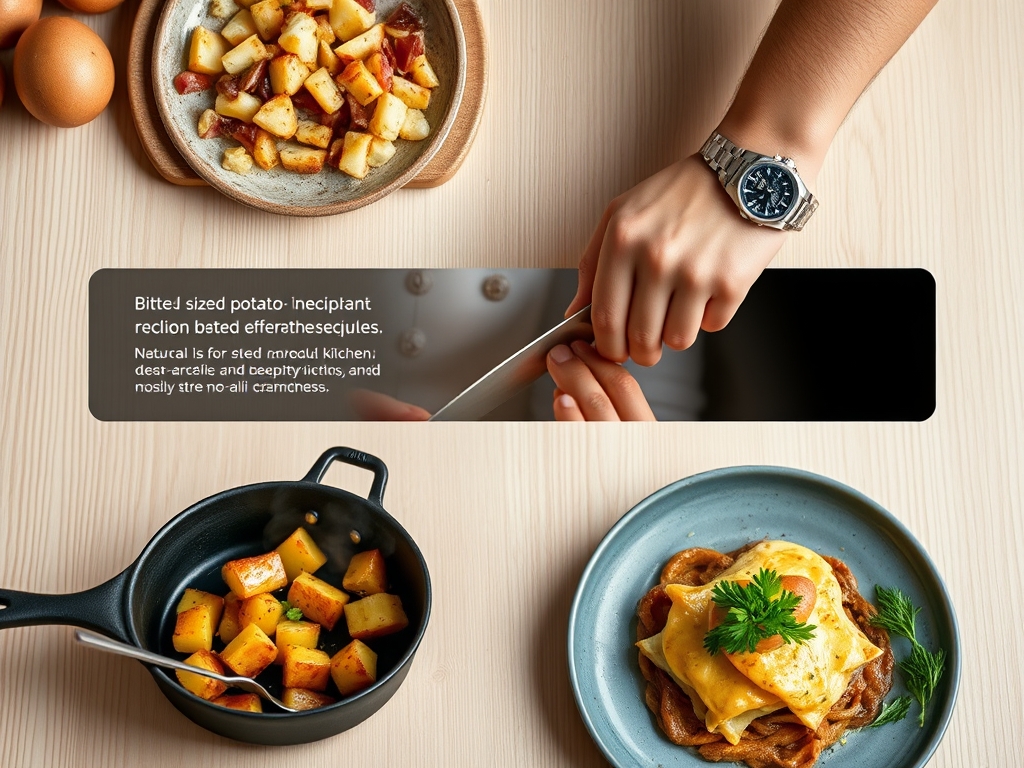
Uniformity is your best friend. Use a sharp chef's knife to cut your potatoes into half inch cubes. This maximizes the surface area to volume ratio, which is the golden rule for crispiness.
Pro Tip: This prevents enzymatic browning. By keeping your cut potatoes in a bowl of cold water, you wash away excess surface starch and prevent the phenols from reacting with oxygen, ensuring a bright, golden finish.
2. The Rapid Par-Cook
Place your cubes in a saucier with cold salted water and a splash of vinegar. Bring to a boil for just three minutes. The vinegar slows the breakdown of pectin, allowing the potato to soften without falling apart.
Pro Tip: This stage initiates starch gelatinization. The exterior becomes porous and "fuzzy," which creates more nooks and crannies for the oil to occupy later, resulting in a crunchier crust.
3. The Steam Dry
Drain the potatoes and let them sit in the colander for two minutes. Shake them vigorously to roughen up the edges.
Pro Tip: This utilizes evaporative cooling. Removing surface moisture is essential because water is the enemy of the Maillard reaction. If the surface is wet, the potato will steam rather than sear.
4. The High Heat Sear
Heat your heavy-bottomed skillet until the oil shimmers. Add the potatoes in a single layer. Do not crowd the pan, or the temperature will drop too quickly.
Pro Tip: This is where the Maillard reaction happens. The sugars and amino acids react under high heat to create hundreds of different flavor compounds and that characteristic brown color.
5. The Aromatic Infusion
In the last three minutes of cooking, toss in smashed garlic cloves and woody herbs. Use tongs to move the aromatics around so they don't burn.
Pro Tip: Fat is a flavor carrier. The heat causes the cell walls of the herbs to rupture, allowing the essential oils to infuse the cooking fat and coat every potato cube.
6. The Aeration Toss
Remove from heat and toss the potatoes in a metal bowl with your dry seasonings.
Pro Tip: Tossing in a bowl helps aerate the snacks. This brief movement in the air helps the exterior fat set into a crisp shell while the internal steam continues to cook the center via thermal carryover.
7. The Acid Brightening
Finish with a microplane zest of lemon or a tiny drizzle of sherry vinegar.
Pro Tip: Acid cuts through the viscous mouthfeel of the fat. It provides a piquant contrast that wakes up the palate and makes the savory flavors feel lighter.
8. The Salt Finish
Sprinkle with flaky salt from a height of at least twelve inches.
Pro Tip: This ensures even distribution. If you salt too closely, you get "hot spots" of salinity. High-altitude seasoning allows the crystals to bounce and coat all sides of your bite sized potato recipes.
9. The Rest
Let the potatoes sit for exactly sixty seconds before serving.
Pro Tip: This allows the internal pressure to stabilize. If you eat them immediately, the steam might burn your palate and the texture will feel slightly soft. A brief rest firms up the starch structure.
The Deep Dive:
Macro Nutrition:
Potatoes are a fantastic source of complex carbohydrates and potassium. One serving of these bite sized treats provides roughly 150 calories, 22g of carbs, and 2g of fiber. By using heart healthy oils, you keep the saturated fat low while maintaining high satiety levels.
Dietary Swaps:
- Vegan: Use avocado oil or vegan butter alternatives.
- Keto: Swap potatoes for cauliflower florets or radishes; both mimic the texture when roasted at high heat.
- GF: Naturally gluten free, but ensure your spices aren't bulked with flour.
The Fix-It:
- Soggy Potatoes: Your pan was too crowded. Next time, cook in batches to maintain a high temperature.
- Burnt Garlic: You added the aromatics too early. Always wait until the final minutes of searing.
- Sticking to Pan: You tried to flip them too soon. Wait for the potato to develop a crust; it will naturally release from the surface once the proteins have set.
Meal Prep:
To reheat and maintain "day-one" quality, avoid the microwave at all costs. Use an air fryer at 400F for three minutes or a dry skillet. This removes any moisture absorbed during refrigeration and re-crisps the fat.
The Wrap-Up:
Mastering bite sized potato recipes is like having a superpower in your culinary repertoire. It is the perfect marriage of technical precision and comforting flavor. By focusing on moisture control and heat management, you turn a basic root vegetable into a sophisticated snack that rivals any restaurant offering. Remember to trust the science; watch for the color change, listen for the sizzle, and always season with intention. Now go forth and conquer your kitchen with these golden, crunchy gems.
The Kitchen Table:
Which potato is best for bite sized snacks?
Russets are best for a fluffy interior and maximum crunch due to their high starch content. Yukon Golds offer a creamier, buttery texture if you prefer a richer mouthfeel.
Can I make these in an air fryer?
Yes. Toss the par-boiled cubes in oil and seasonings, then air fry at 400F for 10 to 12 minutes. Shake the basket halfway through to ensure even browning.
Why are my potatoes sticking to the skillet?
You likely moved them before the crust formed. Let the potatoes sear undisturbed for at least four minutes; they will release naturally once the Maillard reaction has hardened the exterior.
How do I keep them crispy for a party?
Keep them in a single layer on a wire rack over a baking sheet in a 200F oven. The airflow prevents steam from softening the bottom of the snacks.