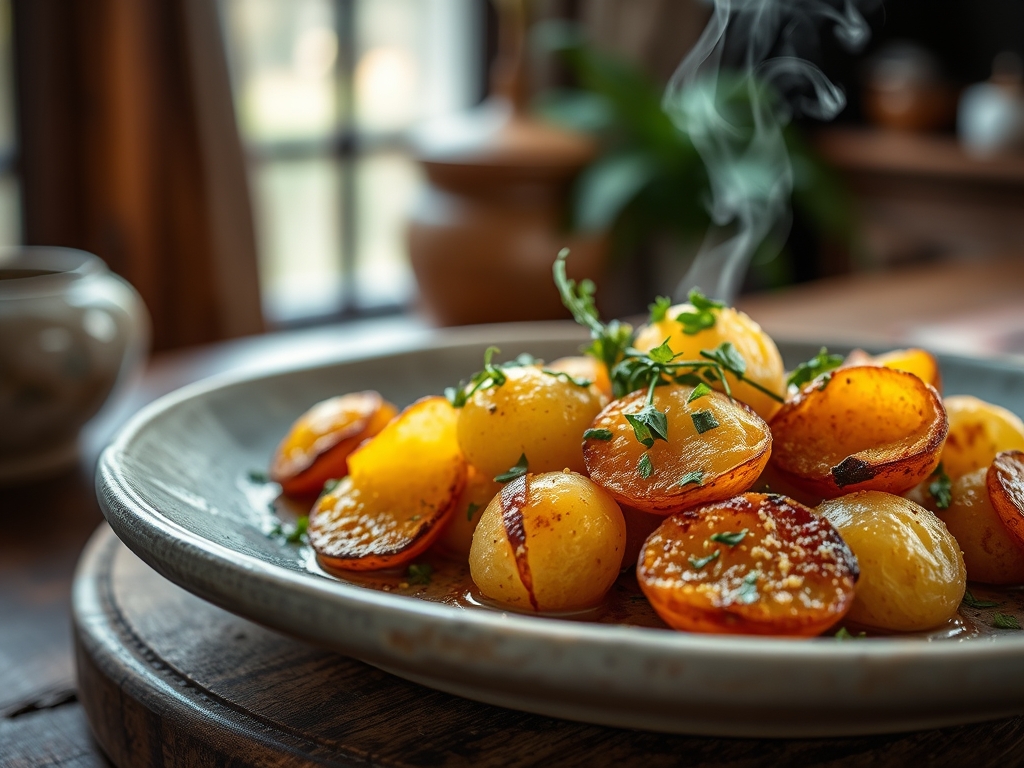
Close your eyes and imagine the scent of rosemary needles hitting shimmering olive oil in a heavy-bottomed skillet. That sharp, herbal fragrance is the overture to the most comforting symphony in the culinary world. When you master authentic italian potato recipes, you are not just boiling tubers; you are conducting a masterclass in starch gelatinization and textural contrast. We are moving far beyond the basic mash to embrace the golden, the crispy, and the velvety.
The magic happens at the molecular level. Whether we are aiming for the pillowy interior of a gnocchi or the shattered-glass crunch of a Tuscan roast, success relies on your understanding of the potato's cellular structure. In Italy, the potato is treated with the same reverence as the finest durum wheat. It is a canvas for high-quality fats and piquant aromatics. By the time we finish this session, you will be able to manipulate heat and moisture like a seasoned nonna with a PhD in thermodynamics. We are diving into six iconic preparations that define the Italian table, ensuring every bite is a perfect balance of rustic charm and technical precision.
The Gathers:
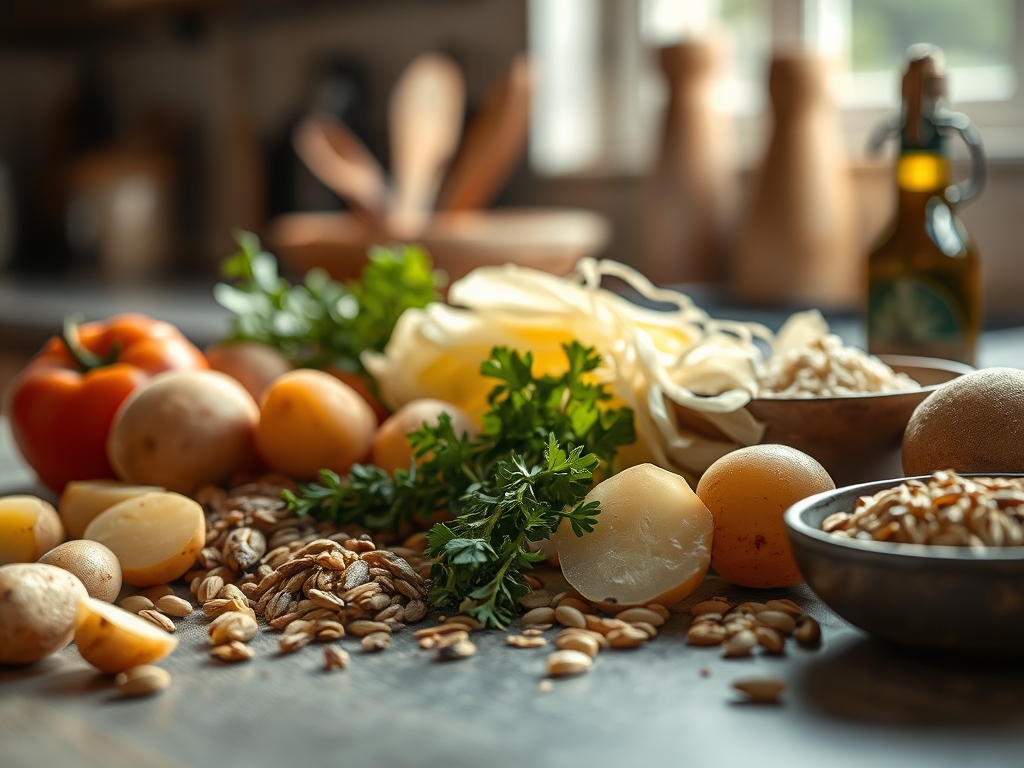
To execute these italian potato recipes with professional finesse, your mise-en-place must be impeccable. Start with the starch. For Gnocchi or Schiacciata, you need floury, high-starch potatoes like Russets or Yukon Golds. Their low moisture content ensures a light, aerated crumb. For salads or braises, reach for waxy varieties like Red Bliss or Fingerlings, which possess a high level of amylopectin to hold their shape under heat.
Your pantry staples should include cold-pressed extra virgin olive oil, which provides a viscous mouthfeel and peppery finish. You will need flaky sea salt for abrasive seasoning and fresh herbs: rosemary, sage, and flat-leaf parsley. For the dairy components, ensure your Parmigiano-Reggiano is aged at least 24 months for that crystalline, umami-rich punch.
Smart Substitutions:
If you cannot find Yukon Golds, Maris Piper is an excellent European alternative. For a vegan twist on the creamy dishes, substitute heavy cream with a high-fat cashew cream infused with nutritional yeast to mimic the piquant profile of aged cheese. If you are avoiding gluten, superfine rice flour can replace wheat flour in thickening agents without making the texture gummy.
The Clock:
Mastering the "Chef's Flow" is about overlapping tasks to maximize efficiency. Total active prep for these six variations is approximately 45 minutes, with total cooking times spanning from 20 minutes for a quick sauté to 60 minutes for a deep roast.
The secret to a stress-free kitchen is the stagger. While your potatoes undergo their initial parboil (a crucial step for internal tenderness), you should be using your microplane to zest aromatics and your bench scraper to clear your workstation. Always allow for a 10-minute "rest" period for roasted dishes; this allows for moisture redistribution, ensuring the centers remain moist while the exteriors stay crisp.
The Masterclass:
1. The Tuscan Roast (Patate Arrosto)
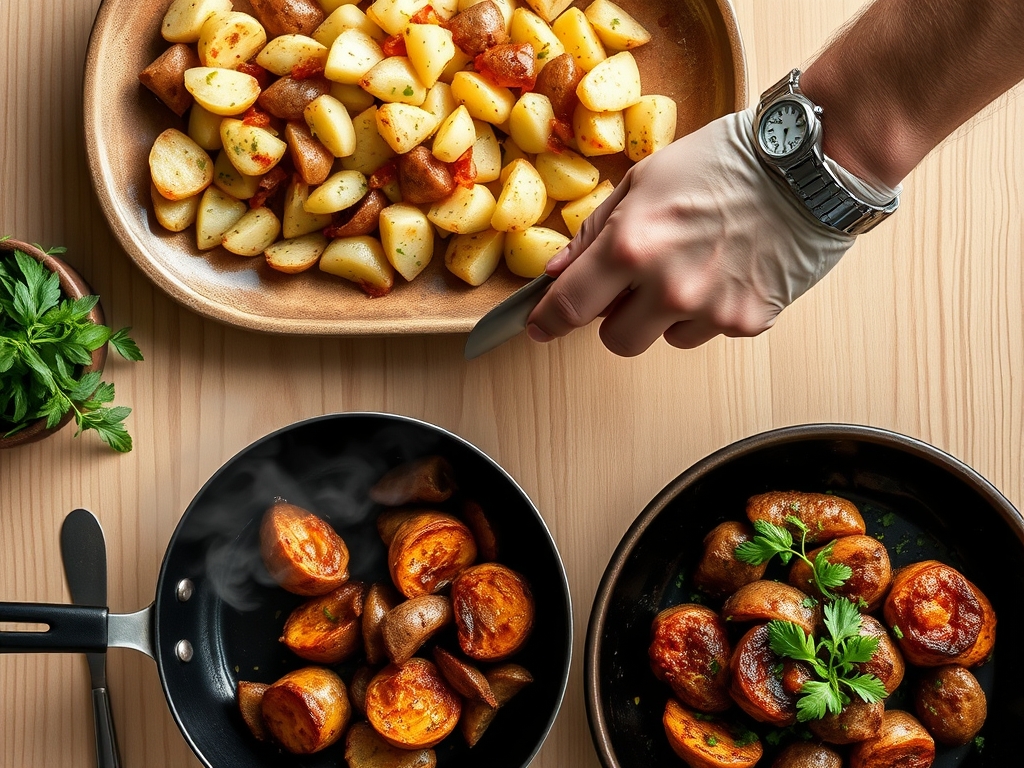
Cut your potatoes into uniform 1-inch cubes to ensure even heat distribution. Parboil them in heavily salted water until the edges are just soft. Drain and shake them vigorously in the pot to roughen the surface. This creates more surface area for the Maillard reaction to occur. Toss with olive oil, unpeeled garlic cloves, and rosemary. Roast at 425 degrees Fahrenheit until mahogany brown.
Pro Tip: Roughening the edges creates a "slurry" of starch that dehydrates in the oven, forming a micro-thin, ultra-crispy crust. This is known as maximizing the surface-to-volume ratio for crunch.
2. Venetian Whipped Potatoes (Puré di Patate)
Pass boiled Yukon Golds through a food mill or ricer into a saucier. This prevents the starch granules from shearing, which would result in a gluey texture. Fold in cold, cubed butter and warm milk using a silicone spatula.
Pro Tip: Adding cold butter to hot potatoes creates a stable emulsion. The milk solids and fats coat the starch molecules, preventing them from bonding and ensuring a silky, aerated finish.
3. Roman-Style Potato Pizza (Pizza con Patate)
Slice waxy potatoes into translucent rounds using a mandoline. Soak them in cold water to remove excess surface starch. Layer them over a thin focaccia dough, brushing liberally with rosemary-infused oil.
Pro Tip: Removing surface starch prevents the slices from sticking together in a gummy mass. This allows the heat to penetrate each layer, effectively frying the slices in place.
4. Classic Potato Gnocchi
Bake your potatoes on a bed of salt to draw out maximum moisture. Mash while hot and combine with a minimal amount of "00" flour and an egg yolk. Use a bench scraper to cut the dough gently.
Pro Tip: Overworking the dough develops gluten, making the gnocchi rubbery. You want to mix just until a cohesive mass forms to keep the texture "pillowy" and light.
5. Calabrian Chili Potatoes (Patate Mpacchiuse)
Sauté sliced potatoes and onions in a generous amount of olive oil in a heavy-bottomed skillet. Do not stir frequently; let the bottom layer caramelize and fuse with the onions.
Pro Tip: This "fusing" process relies on the natural sugars in the onions deglazing into the potato starch, creating a sweet and spicy crust that is a hallmark of Southern Italian cooking.
6. Potato and Green Bean Salad (Insalata di Patate)
Boil fingerling potatoes and snap peas separately. While the potatoes are still steaming, toss them in a vinaigrette of lemon juice, shallots, and capers.
Pro Tip: This utilizes thermal carryover. Hot potatoes absorb the dressing into their core as they cool, whereas cold potatoes only wear the dressing on the surface.
The Deep Dive:
Macro Nutrition:
Potatoes are a nutritional powerhouse, providing more potassium than bananas and a significant amount of Vitamin C. When prepared with olive oil (healthy monounsaturated fats), the glycemic index is moderated, providing sustained energy.
Dietary Swaps:
- Vegan: Swap butter for a high-quality emulsion of olive oil and emulsified lecithin.
- Keto: While potatoes are high-carb, you can mimic these flavors using roasted cauliflower florets or daikon radish.
- GF: Use potato starch or almond flour as a dredging agent for frying.
The Fix-It:
- Gummy Texture: You likely over-mashed or used a high-speed blender. Fix: Fold in a little extra fat (butter/oil) to coat the broken starch, or repurpose into a pancake batter.
- Soggy Roast: The oven temp was too low or the pan was crowded. Fix: Crank the heat to 450 and move the potatoes to a larger, pre-heated sheet pan.
- Bland Interior: You didn't salt the boiling water. Fix: Toss the finished potatoes in a "finishing salt" or a splash of piquant red wine vinegar.
Meal Prep & Reheating:
To maintain "day-one" quality, avoid the microwave. Reheat roasted potatoes in an air fryer or a dry skillet to re-crisp the exterior. For mashed styles, add a splash of milk and heat gently in a saucier over low heat to re-emulsify the fats.
The Wrap-Up:
There you have it; six ways to turn the humble tuber into a centerpiece of Italian excellence. Whether you are crafting the perfect gnocchi or a crispy Tuscan roast, remember that the secret lies in the science of the starch and the quality of your fats. Grab your digital scale, fire up the range, and let these italian potato recipes transform your kitchen into a bustling Roman trattoria. Cooking is a love language, and nothing says "I care" like a perfectly emulsified, golden-brown potato.
The Kitchen Table:
Which potato is best for Italian roasting?
Yukon Gold is the gold standard. It provides a natural buttery flavor and a medium-starch content that balances a creamy interior with a crisp, golden-brown exterior when roasted at high temperatures.
How do I prevent my gnocchi from becoming mushy?
Bake your potatoes on salt instead of boiling them to minimize moisture. Use a ricer to ensure a light texture and avoid overworking the dough, which prevents tough gluten development.
Can I make these recipes ahead of time?
Roasted potatoes are best fresh, but you can parboil them a day early. Gnocchi can be frozen on a tray before cooking. Mashed potatoes reheat beautifully if you add a little extra liquid.
Why do my roasted potatoes stick to the pan?
You likely didn't use enough fat or tried to flip them before the Maillard reaction was complete. Wait for a crust to form; the potato will naturally release from the pan once it is properly browned.