
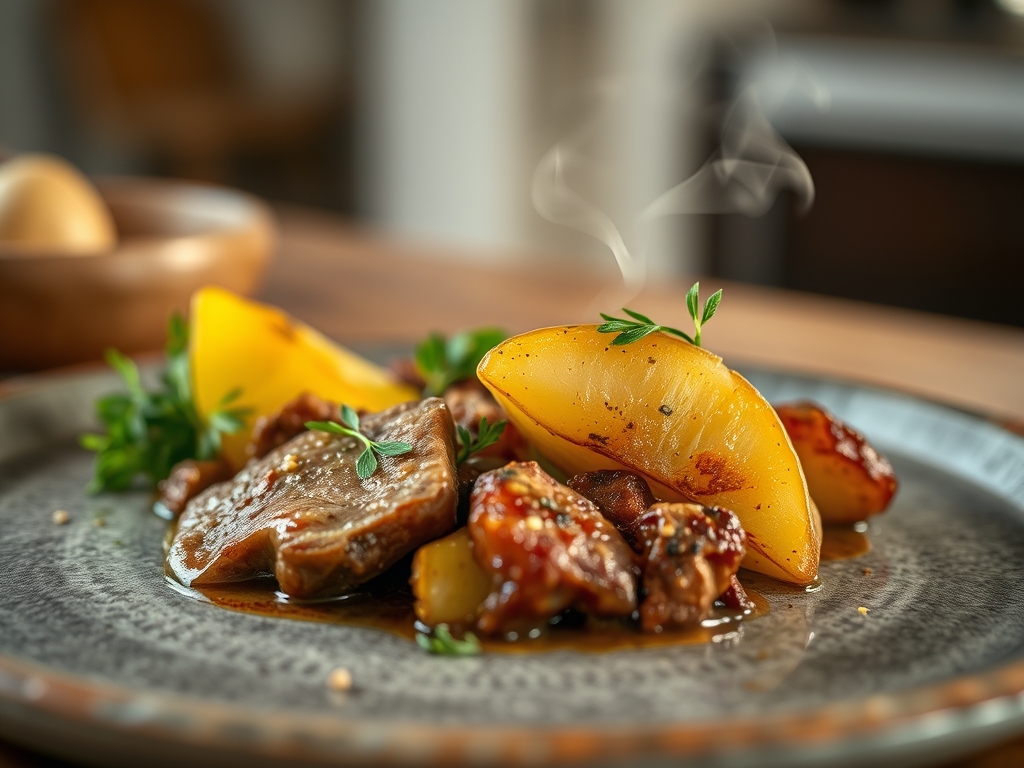
There is a primal, cellular satisfaction that occurs when the salt of a seared protein meets the earthy, starchy embrace of a tuber. We have been pairing these two since the dawn of the hearth; however, mastering simple meat and potato recipes requires more than just heat. It requires an understanding of how amino acids and glucose dance together under pressure.
Whether you are looking for a rustic sheet pan roast or a sophisticated pan-seared steak with pommes purée, the objective remains the same: achieving the perfect textural contrast. You want a crust that shatters and an interior that melts. This guide will elevate your weeknight rotation from basic sustenance to a culinary masterclass in flavor extraction and moisture retention. We are moving beyond the "meat and three" mentality into a world where science dictates the sear.
By the end of this session, you will understand why your potatoes sometimes turn gluey and why your steak loses its juice. We are going to harness the power of high-heat conductivity and enzymatic reactions to ensure every plate you serve is a testament to technical precision. Let us get into the kitchen and start building some serious flavor profiles.
The Gathers:
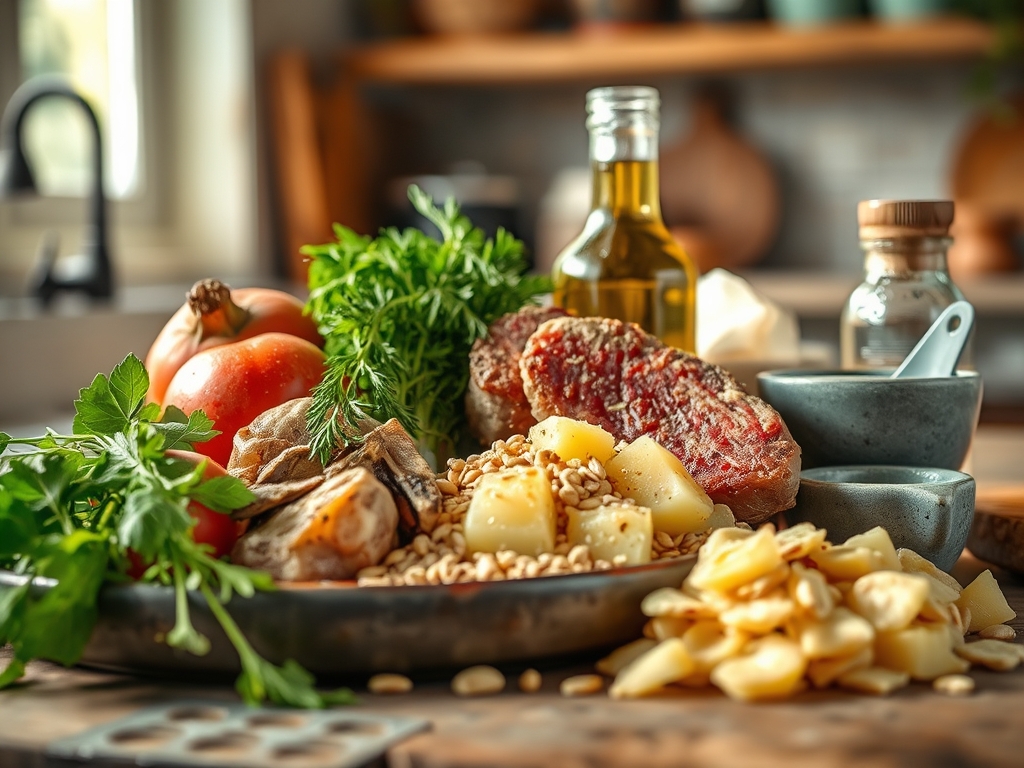
To execute these simple meat and potato recipes with precision, your mise-en-place must be flawless. Start with your starch. For high-heat roasting, reach for the Russet or Yukon Gold. The Russet is high in starch and low in moisture, making it the ideal candidate for a fluffy interior. The Yukon Gold contains more sugar and a waxier texture, which allows for superior caramelization.
Your protein selection should focus on marbling. Look for cuts like ribeye, bone-in pork chops, or chicken thighs. These contain intramuscular fat that will render during the cooking process, essentially self-basting the meat from the inside out. You will also need high-quality aromatics: fresh rosemary, thyme, and garlic bulbs. Do not use the pre-peeled garlic jars; the essential oils have already oxidized, leaving you with a bitter, muted flavor.
Smart Substitutions:
If you are avoiding nightshades, swap the potatoes for celery root or parsnips. These root vegetables have a similar density but offer a more piquant, herbal undertone. For a leaner protein profile, bison or venison can replace beef, though you must adjust your timing as these meats lack the insulating fat of domestic cattle and will reach their target temperature much faster.
The Clock
Efficiency in the kitchen is about "Chef's Flow." This is the art of overlapping tasks so that no second is wasted. For most of these recipes, you are looking at a 15-minute prep window and a 30 to 45-minute cook time. The secret is to utilize the thermal inertia of your oven.
Always preheat your heavy-bottomed skillet or roasting pan. Placing cold potatoes onto a cold pan results in sticking; placing them onto a preheated, oiled surface creates an immediate steam barrier that prevents adhesion. While the oven reaches its target temperature, use your bench scraper to organize your chopped aromatics. This keeps your workspace clear and your mind focused on the sequence of operations.
The Masterclass
1. The Initial Sear and Maillard Activation
Pat your meat dry with paper towels until the surface is bone-dry. Moisture is the enemy of the Maillard reaction. Place your protein in a smoking-hot cast iron skillet. Do not crowd the pan; crowding lowers the surface temperature and causes the meat to steam in its own juices rather than sear.
Pro Tip: This browning is a chemical reaction between amino acids and reducing sugars. If the meat is wet, the energy goes into evaporating water rather than creating flavor. Use a digital scale to ensure even portioning for consistent cook times.
2. Parboiling for Interior Fluff
Before roasting potatoes, boil them in alkaline water (add a pinch of baking soda). This breaks down the exterior pectin, creating a starchy slurry on the surface of the potato. When this slurry hits the hot oil in the roasting pan, it dehydrates into a thick, glass-like crunch.
Pro Tip: This is known as increasing the surface area for dehydration. The more "fuzz" you create on the outside of the parboiled potato, the more surface area there is to crisp up.
3. Deglazing for Pan Sauce
Once the meat is removed to rest, you will see brown bits stuck to the bottom of the pan. This is fond, and it is concentrated flavor gold. Pour in a splash of wine or stock and use a saucier whisk to scrape it up.
Pro Tip: Deglazing is a solvent-based extraction. The liquid dissolves the caramelized proteins, allowing you to incorporate them into a viscous sauce that ties the meat and potatoes together.
4. The Rest and Carryover Cook
Never cut into your meat immediately. Transfer it to a warm plate and tent it loosely with foil. During the cook, muscle fibers contract and push moisture toward the center. Resting allows these fibers to relax and reabsorb the juices.
Pro Tip: Thermal carryover can increase the internal temperature of a steak by as much as five to ten degrees after it leaves the heat. Pull your meat when it is five degrees below your target.
5. Aerating the Mash
If you are making mashed potatoes, use a ricer or a food mill instead of a masher. This separates the granules without rupturing the starch cells. Over-working potatoes releases too much starch, resulting in a gluey, elastic texture.
Pro Tip: Once riced, fold in cold butter. This creates an emulsification where the fat coats the starch granules, resulting in a silkier mouthfeel.
The Deep Dive
From a macro perspective, simple meat and potato recipes provide a balanced profile of complex carbohydrates and high-density protein. A standard serving offers roughly 35 grams of protein and 40 grams of carbohydrates. To make this Keto-friendly, swap the potatoes for roasted cauliflower tossed in tallow. For a vegan version, use thick-cut cauliflower steaks and "butter" the potatoes with high-quality olive oil infused with roasted garlic.
The Fix-It:
- Gluey Potatoes: You over-mixed them. Fix it by spreading them in a baking dish, topping with cheese, and turning them into a gratin. The fat and heat will mask the texture.
- Grey Meat: Your pan wasn't hot enough. Next time, wait for the oil to shimmer and wisps of smoke to appear before adding the protein.
- Burnt Garlic: You added it too early. Always add minced garlic in the last 60 seconds of sautéing to prevent it from turning acrid.
Meal Prep Science:
When reheating, avoid the microwave if possible. The microwave excites water molecules, which can make the meat rubbery and the potatoes soggy. Instead, use a low oven (300 degrees) with a splash of water to create a gentle steam environment. This restores the moisture without overcooking the proteins.
The Wrap-Up
Mastering the art of simple meat and potato recipes is about respecting the ingredients and understanding the physics of the kitchen. By controlling your surface moisture and managing your thermal gradients, you transform humble pantry staples into a five-star experience. Go forth, grab your tongs, and start searing. Your kitchen is now a laboratory of flavor; treat every meal as a delicious experiment in excellence.
The Kitchen Table
Why are my roasted potatoes always soft?
You likely crowded the pan or didn't dry the potatoes enough. Excess moisture creates steam, which prevents the Maillard reaction. Ensure each potato has space for airflow and use a high-smoke-point oil for maximum crispness.
What is the best potato for mashing?
Yukon Golds are the gold standard. They have a naturally buttery flavor and a medium starch content that creates a creamy, dense texture. Russets are also great for a fluffier, lighter mash if passed through a ricer.
How do I get a crust on my steak like a steakhouse?
Use a heavy-bottomed skillet, preferably cast iron. Ensure the steak is room temperature and completely dry. Use high heat and a high-smoke-point oil like avocado oil. Do not move the meat until a crust has naturally formed.
Can I make these recipes ahead of time?
Potatoes are best fresh, but you can parboil them a day early. Store them in the fridge uncovered to let the skins dry out even more. This actually leads to an even crunchier result when you finally roast them.