
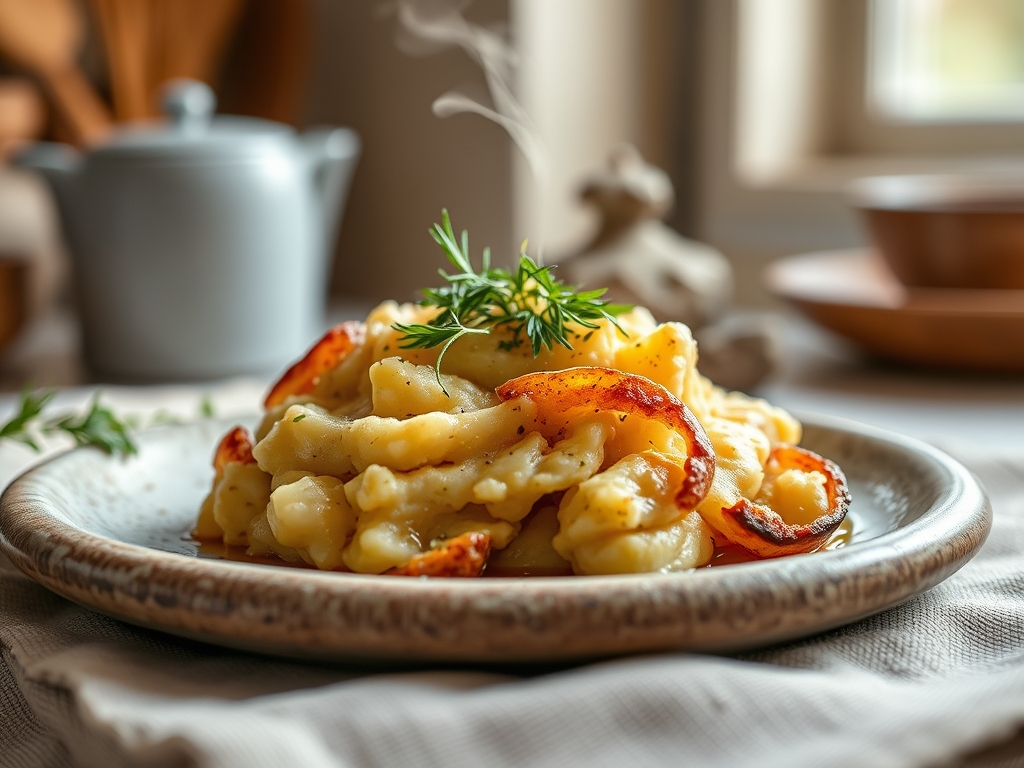
Imagine the steam rising in lazy, fragrant ribbons from a heavy-bottomed pot, carrying the earthy scent of garden-fresh tubers and cultured butter. When you crave comfort that feels both rustic and refined, nothing competes with the velvety texture of mashed red skin potato recipes. These vibrant, ruby-hued gems offer a waxy resilience that translates into a creamy, chunky masterpiece every single time.
We are moving past the days of bland, gluey spuds. Today, we are treating the potato as a canvas for molecular magic. Red-skinned varieties are unique because they contain less starch than their Russet cousins; this means they hold their shape beautifully and provide a satisfying "snap" in every bite. Whether you are hosting a festive dinner or just need a Tuesday night hug in a bowl, mastering the science of the mash is your new culinary superpower. We are going to dive into the chemistry of starch granules and the art of the emulsion to ensure your side dish is the undisputed star of the table.
The Gathers:
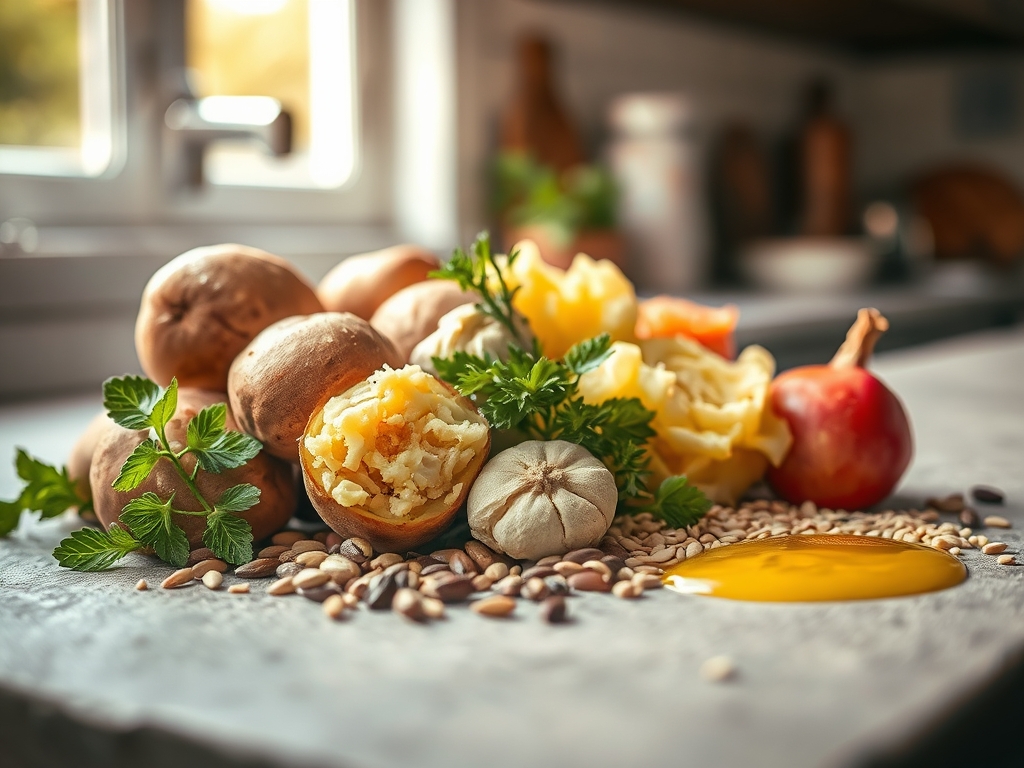
To achieve a world-class mash, your mise-en-place must be precise. Start with five pounds of firm, unblemished red potatoes. Because we are keeping the skins on for texture and nutrient density, look for organic options to avoid residual pesticides. You will need high-fat European-style butter (aim for 82 percent butterfat) to ensure a luxurious mouthfeel. For the liquid element, heavy cream provides the necessary lipids to coat the starch molecules, while a splash of buttermilk adds a piquant acidity that cuts through the richness.
The Essential Tool Kit:
- Digital Scale: Precision is key for consistent seasoning.
- Saucier: Ideal for warming your cream and butter without scorching.
- Potato Masher or Food Mill: Use a masher for a rustic texture or a food mill for a finer, aerated consistency.
- Microplane: For grating fresh garlic or hard cheeses directly into the mix.
Smart Substitutions:
If you are looking to lighten the profile, swap half of the heavy cream for a high-quality chicken bone broth to infuse deep umami notes. For a vegan alternative, use full-fat coconut milk and a touch of nutritional yeast to mimic the savory profile of dairy. If you find yourself without red potatoes, Yukon Golds are the only acceptable backup due to their medium-starch content.
The Clock
Efficiency in the kitchen is about managing the "Chef's Flow." Total active time for these mashed red skin potato recipes is approximately 15 minutes, with a total cook time of 25 minutes.
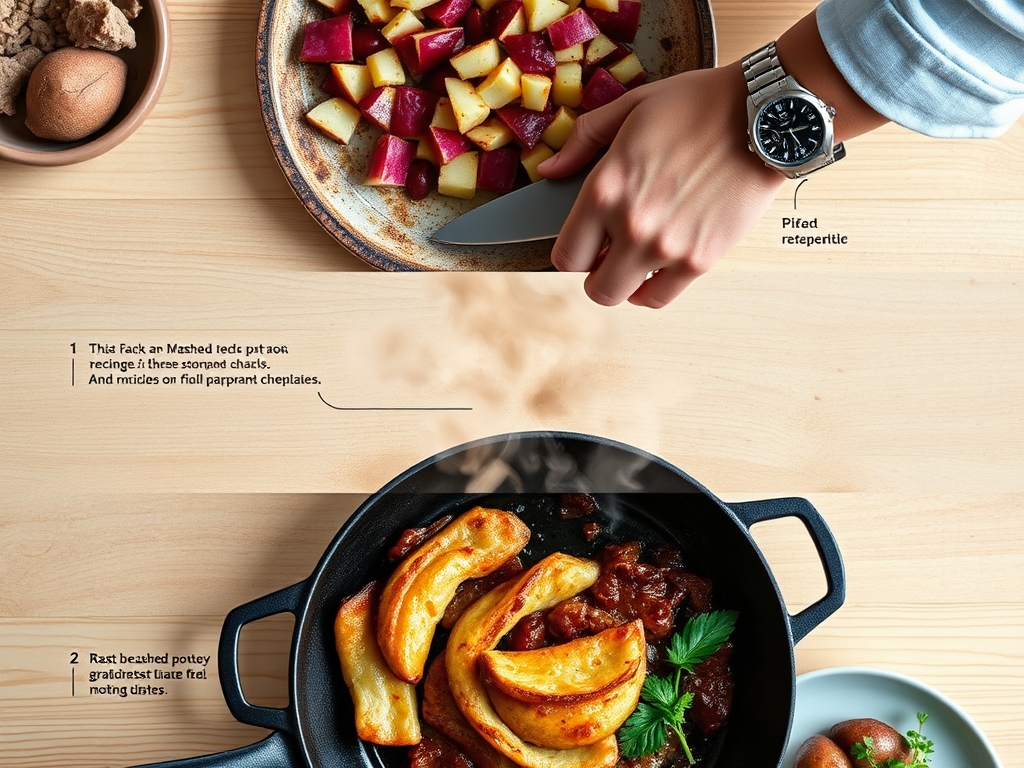
Prep (5 Minutes): Scrubbing and quartering. Do not peel; those skins contain the majority of the potato's potassium and fiber.
Boil (15 to 20 Minutes): Start in cold water. This ensures the exterior and interior of the potato cook at the same rate.
The Finish (5 Minutes): The "Hot Fold." This is the window where you incorporate fats while the starch is most receptive.
The Masterclass
1. The Cold Start Soak
Place your uniform potato chunks into a large pot and cover with cold, heavily salted water. Starting with cold water prevents the outside from becoming mushy before the center is tender.
Pro Tip: This technique manages thermal gradient. By raising the temperature slowly, you allow the heat to penetrate the dense cellular structure evenly, preventing the outer starch granules from bursting prematurely.
2. The Simmer and Steam
Bring the water to a boil, then reduce to a steady simmer. Once a fork slides in with zero resistance, drain them immediately. Return the potatoes to the hot pot for 60 seconds to "steam dry."
Pro Tip: This step addresses evaporative cooling. Removing excess surface moisture ensures that when you add butter, the potato absorbs the fat rather than the water, leading to a more concentrated flavor.
3. The Fat First Rule
Add your cold, cubed butter to the hot potatoes before any liquid. Use your masher to break them down.
Pro Tip: This is the lipid barrier method. By coating the starch granules in fat first, you limit their ability to bond with the water in the cream, which is the primary cause of a "gluey" or gummy texture.
4. The Warm Infusion
While mashing, heat your cream and aromatics (like smashed garlic or rosemary) in a saucier. Pour the warm liquid into the potatoes in three stages.
Pro Tip: Warming the liquid prevents thermal shock. If you add cold cream to hot potatoes, the starch molecules contract sharply, which can result in a grainy, uneven consistency.
5. The Aeration Fold
Switch to a large silicone spatula and use a folding motion to incorporate the final bits of cream and salt.
Pro Tip: This step encourages aeration. Incorporating tiny air pockets into the dense mash creates a lighter, fluffier mouthfeel without overworking the starch.
6. The Acid Balance
Stir in a tablespoon of cultured buttermilk or a squeeze of lemon juice at the very end.
Pro Tip: This utilizes pH adjustment. A slight hit of acidity brightens the earthy notes of the red skin and balances the heavy lipids from the butter and cream.
7. The Umami Boost
Use your microplane to zest in a hint of fresh nutmeg or a dusting of aged Parmigiano-Reggiano.
Pro Tip: This introduces complex phenols. Nutmeg contains myristicin, which chemically enhances the perception of "creaminess" on the human palate.
8. The Resting Period
Cover the pot and let the mash sit for three minutes before serving.
Pro Tip: This allows for moisture redistribution. The starch granules finish absorbing the fats and liquids, ensuring the texture is stable and won't weep on the plate.
The Deep Dive
Macro Nutrition:
A standard serving of red skin mashed potatoes provides approximately 220 calories, 4g of protein, and 3g of fiber. Because we retain the skins, you are getting a significant dose of Vitamin C and Vitamin B6.
Dietary Swaps:
- Keto: Replace 50 percent of the potatoes with steamed cauliflower florets. The flavor profile remains remarkably similar when heavily seasoned.
- Vegan: Use a high-quality avocado oil butter substitute and unsweetened cashew milk for the creamiest non-dairy result.
- Paleo: Utilize ghee and coconut cream to maintain the high-fat, low-processed requirement.
The Fix-It:
- Too Runny: If you over-added liquid, return the pot to low heat and stir constantly with a bench scraper. This encourages evaporation without scorching.
- Too Lumpy: If you want a smoother finish after the fact, pass the mixture through a fine-mesh sieve.
- Too Salty: Fold in a dollop of sour cream or Greek yogurt. The fat and tang will neutralize the sodium perception.
Meal Prep & Reheating:
To maintain "day-one" quality, reheat your potatoes in a double boiler rather than a microwave. Microwaves vibrate water molecules too violently, which can break the fat emulsion and leave you with an oily mess. A gentle steam heat re-hydrates the starch gently.
The Wrap-Up
Mastering mashed red skin potato recipes is about more than just boiling tubers; it is an exercise in texture, temperature, and timing. By respecting the starch and embracing the "Fat First" rule, you elevate a humble side dish into a culinary triumph. Go forth, grab your masher, and prepare to ruin all other mashed potatoes for your friends and family forever.
The Kitchen Table
Can I make these in an Instant Pot?
Yes; cook on high pressure for 8 minutes with one cup of water. Ensure you vent immediately to prevent the potatoes from becoming waterlogged, then follow the "steam dry" and "fat first" steps for the best texture.
Why are my red potatoes gummy?
Gumminess occurs when starch granules are overworked, usually by using a blender or food processor. Always use a manual masher or food mill to keep the starch molecules intact and ensure a fluffy, rustic consistency.
Should I peel red potatoes for mashing?
Keep the skins on. The red skin is thin, tender, and packed with nutrients. It provides a beautiful color contrast and a rustic texture that defines high-quality mashed red skin potato recipes.
How do I keep mashed potatoes warm for a party?
Transfer the finished mash to a slow cooker on the "warm" setting. Stir in a splash of warm milk every hour to maintain the emulsion and prevent a crust from forming on the edges.