
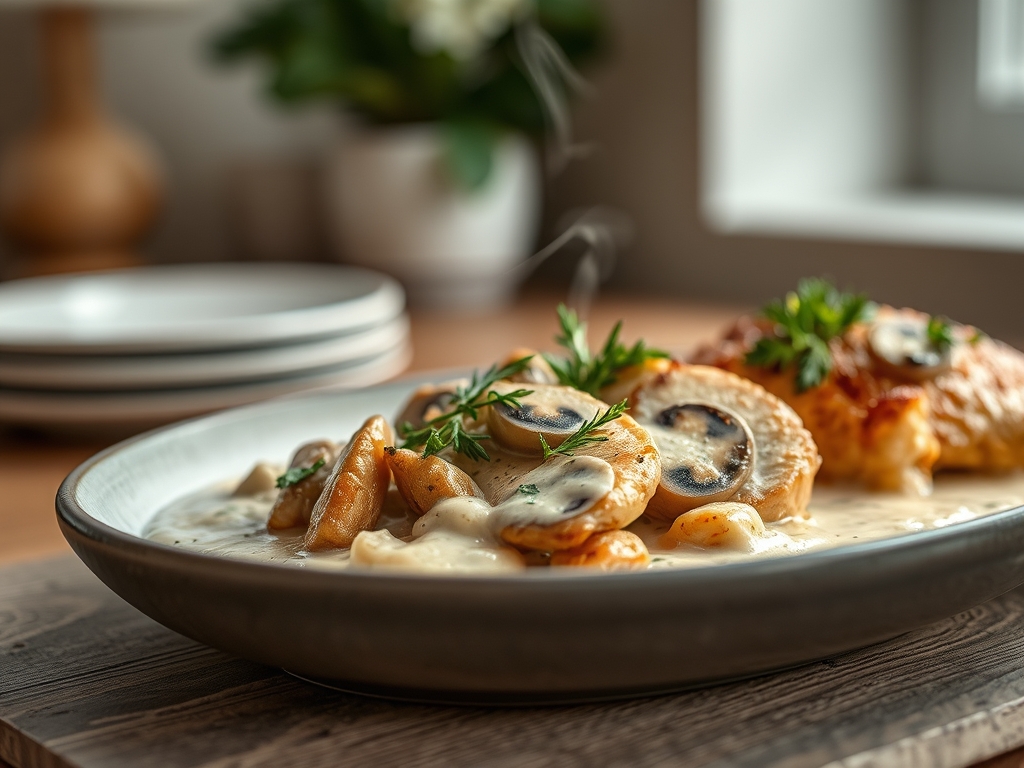
Imagine a heavy bottomed skillet sizzling on your stovetop; the aroma of nutty butter and earthy fungi begins to fill the room as you embark on one of the most comforting cream of mushroom and chicken recipes in your repertoire. It is a dish that balances rustic charm with technical elegance. We are moving beyond the basic casserole and into the realm of high level comfort food. This recipe relies on the deep alchemy of browning proteins and emulsifying fats to create a sauce so luxurious it feels like velvet on the tongue. Whether you are hosting a cozy dinner or just trying to survive a Tuesday; this is the culinary hug you deserve.
The beauty of cream of mushroom and chicken recipes lies in their versatility and the way they transform humble ingredients into a cohesive; high density meal. We are looking for that perfect balance of salt; fat; and acid to cut through the richness. By the time we are finished; you will understand exactly how to manipulate heat and moisture to ensure your chicken stays succulent while your sauce achieves a glossy; professional finish. Grab your favorite apron and let us dive into the chemistry of flavor.
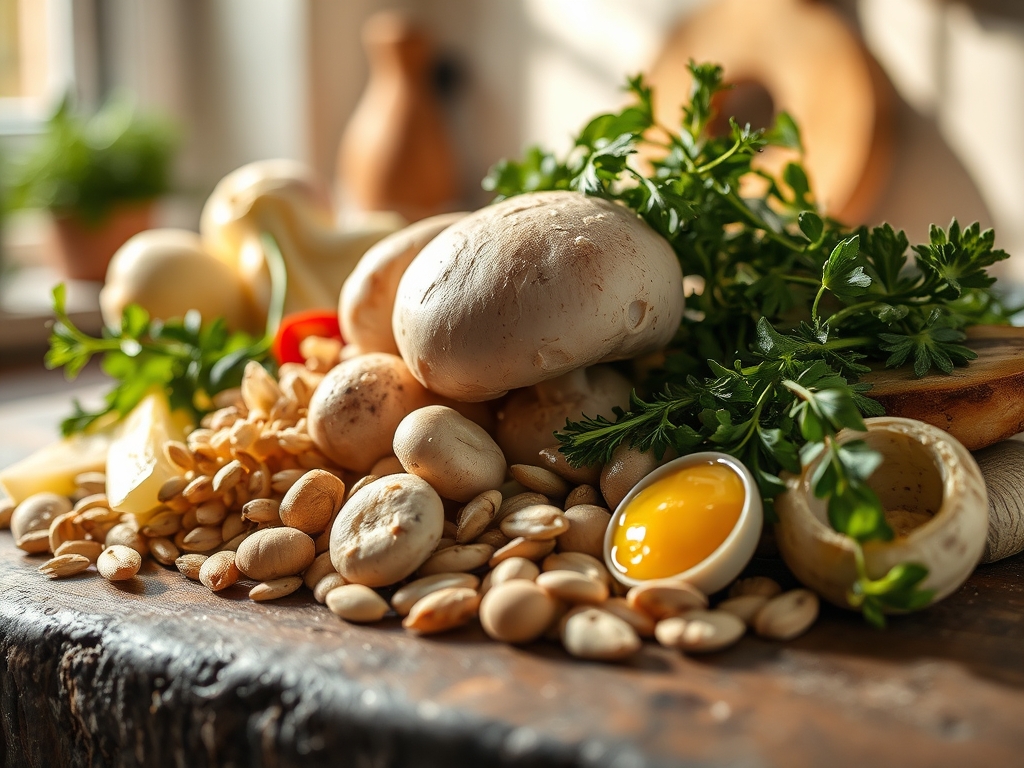
The Gathers:
To achieve a restaurant quality result; your mise en place must be precise. Start with 1.5 pounds of chicken breasts or thighs; dried thoroughly with paper towels to ensure a proper sear. You will need 16 ounces of cremini mushrooms; which offer a more robust flavor profile than white buttons due to their higher concentration of savory amino acids. For the base; gather 2 cups of heavy cream; 1 cup of high quality chicken bone broth for added collagen; and 4 cloves of garlic.
The aromatics are essential. You will need fresh thyme and rosemary; a splash of dry white wine like Sauvignon Blanc for deglazing; and two tablespoons of unsalted butter. Use a digital scale to measure 20 grams of all purpose flour if you prefer a traditional roux; or keep it gluten free with cornstarch.
Smart Substitutions: If you are looking to lighten the caloric density; swap the heavy cream for full fat coconut milk or a blend of Greek yogurt and milk; though you must temper the yogurt to prevent curdling. For a deeper umami punch; add a teaspoon of white miso paste or a dash of Worcestershire sauce. If fresh mushrooms are unavailable; dried porcini mushrooms rehydrated in warm water provide an even more intense; earthy essence.
The Clock
Efficiency in the kitchen is about mastering the "Chef's Flow." Total preparation time is approximately 15 minutes; while the active cooking time spans 25 to 30 minutes.
The flow begins with the protein. While your skillet preheats; you slice and season. The chicken takes about 6 minutes per side to develop a golden crust. Once the meat is resting; the mushrooms enter the pan to release their moisture; which takes roughly 8 minutes. The sauce assembly and final simmer require another 10 minutes. By layering your tasks; you ensure that no ingredient is overcooked; and the sauce reaches its peak viscosity just as the chicken finishes its resting period.
The Masterclass
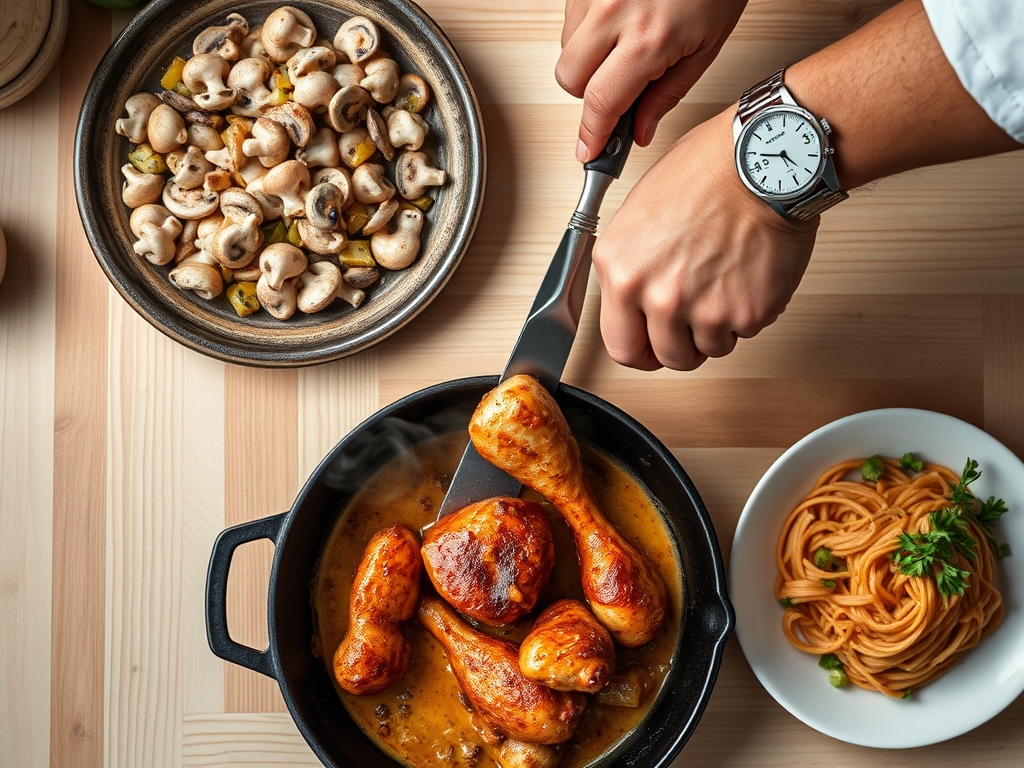
1. The Sear and Maillard Reaction
Season your chicken generously with kosher salt and cracked black pepper. Heat a heavy bottomed skillet over medium high heat with a tablespoon of high smoke point oil. Place the chicken in the pan and leave it undisturbed for 5 to 6 minutes.
Pro Tip: This stage relies on the Maillard Reaction; a chemical reaction between amino acids and reducing sugars that creates hundreds of different flavor compounds. If you move the chicken too early; you tear the fibers and lose that savory crust.
2. Mushroom Dehydration and Browning
Remove the chicken and add your sliced mushrooms to the same pan. Do not add oil immediately. Let the mushrooms dry sauté for two minutes to release their internal water content before adding butter and aromatics.
Pro Tip: Mushrooms are nearly 90 percent water. By allowing them to release moisture before adding fat; you prevent them from becoming "spongy" and instead achieve a firm; meaty texture through enzymatic browning.
3. Deglazing the Fond
Once the mushrooms are browned; pour in your dry white wine. Use a wooden spoon or a bench scraper to gently lift the brown bits stuck to the bottom of the pan.
Pro Tip: Those brown bits are called fond. Deglazing incorporates this concentrated flavor back into the liquid; creating a complex base for your sauce that cannot be replicated with salt alone.
4. Emulsifying the Cream Sauce
Lower the heat and whisk in your heavy cream and chicken broth. Bring the mixture to a gentle simmer; allowing the liquid to reduce and thicken.
Pro Tip: To avoid a broken sauce; ensure you do not bring the cream to a rolling boil. High heat can cause the fat globules to separate from the water; resulting in a greasy texture rather than a smooth emulsion.
5. Reintroducing the Protein
Slice your chicken against the grain and slide it back into the simmering sauce. Let it cook for another 3 to 4 minutes until the internal temperature reaches 165 degrees Fahrenheit.
Pro Tip: This final step utilizes thermal carryover. Taking the chicken off the direct heat slightly before it is fully done and finishing it in the sauce ensures the fibers remain hydrated and tender.
The Deep Dive
From a nutritional standpoint; this dish is a powerhouse of protein and B vitamins. A standard serving contains approximately 35 grams of protein and 12 grams of carbohydrates. To optimize this for a Keto lifestyle; simply omit the flour and use xanthan gum as a thickener. For a Vegan version; use cashew cream and vegetable broth combined with "meaty" king oyster mushrooms.
The Fix-It:
- Sauce too thin? Create a slurry of cold water and cornstarch; then whisk it into the simmering sauce for an instant lift in body.
- Sauce too salty? Add a squeeze of fresh lemon juice or a teaspoon of honey to balance the sodium levels.
- Chicken is dry? You likely skipped the resting phase. Always let the meat sit for five minutes before slicing to allow the juices to redistribute.
Meal Prep Science: When reheating; the sauce may thicken significantly in the fridge as the fats solidify. To restore "day one" quality; reheat on the stovetop with a splash of broth or water. Avoid the microwave if possible; as it can cause the chicken to become rubbery through rapid moisture loss.
The Wrap-Up
Mastering cream of mushroom and chicken recipes is a rite of passage for any home cook looking to elevate their weekday game. By focusing on the science of the sear and the patience of the simmer; you transform basic pantry staples into a dish that rivals any bistro. Remember to use your heavy bottomed skillet for even heat distribution and never rush the mushrooms. Now; plate this up over some al dente pasta or buttery mashed potatoes and enjoy the fruits of your culinary labor. You have officially mastered the art of the savory cream sauce.
The Kitchen Table
How do I keep the chicken from getting tough?
Always sear the chicken over high heat to lock in moisture; then finish it slowly in the sauce. Using a digital thermometer to pull the meat at 160 degrees allows carryover cooking to reach the safe 165 degree mark perfectly.
Can I use canned mushrooms for this recipe?
While possible; canned mushrooms lack the cellular structure to brown properly. Fresh mushrooms undergo the Maillard reaction; providing a deeper umami flavor and a far superior texture that defines high quality cream of mushroom and chicken recipes.
What is the best way to thicken the sauce without flour?
Reduce the heavy cream by half through a slow simmer; or whisk in a tablespoon of cold butter at the very end. This technique; known as monter au beurre; adds incredible gloss and thickness without the need for starch.
Why did my cream sauce curdle?
Curdling usually happens when acidic ingredients are added too quickly or the heat is too high. Always use full fat dairy and keep the temperature at a gentle simmer to maintain a stable emulsion between the fats and liquids.