
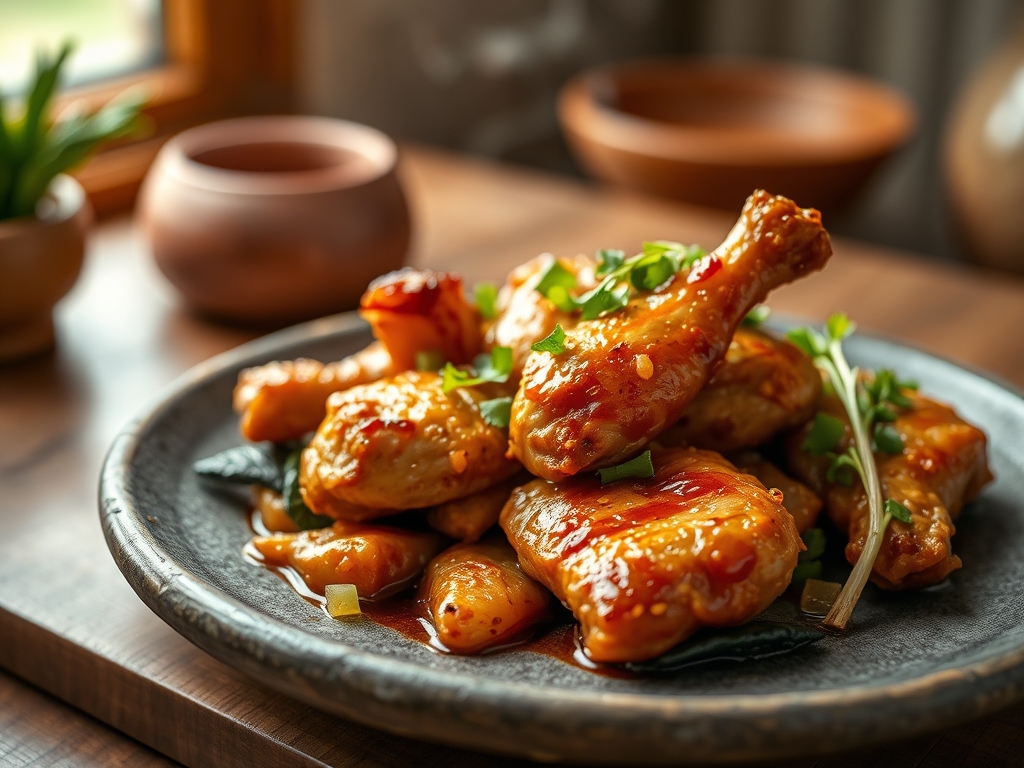
Picture the sound of a heavy-bottomed skillet meeting a high-flame burner; the sudden, sharp hiss as cold protein hits shimmering oil. The air in your kitchen thickens with the scent of fermented chili and toasted sesame, a fragrance so bold it practically vibrates. We are diving deep into the world of korean chicken recipes today. This is not just about dinner; it is about mastering the delicate balance of heat, sweet, and salt that defines the peninsula's iconic street food culture. Whether you crave the glass-like crunch of a double-fried wing or the sticky, umami-rich glaze of a slow-simmered thigh, we are going to use molecular chemistry to ensure every bite is a masterpiece. Forget soggy breading and one-dimensional heat. We are here to talk about high-velocity heat transfer, enzymatic browning, and the specific viscosity required to make a sauce cling to a drumstick like a second skin. Put on your apron; it is time to turn your kitchen into a high-end Seoul bistro.
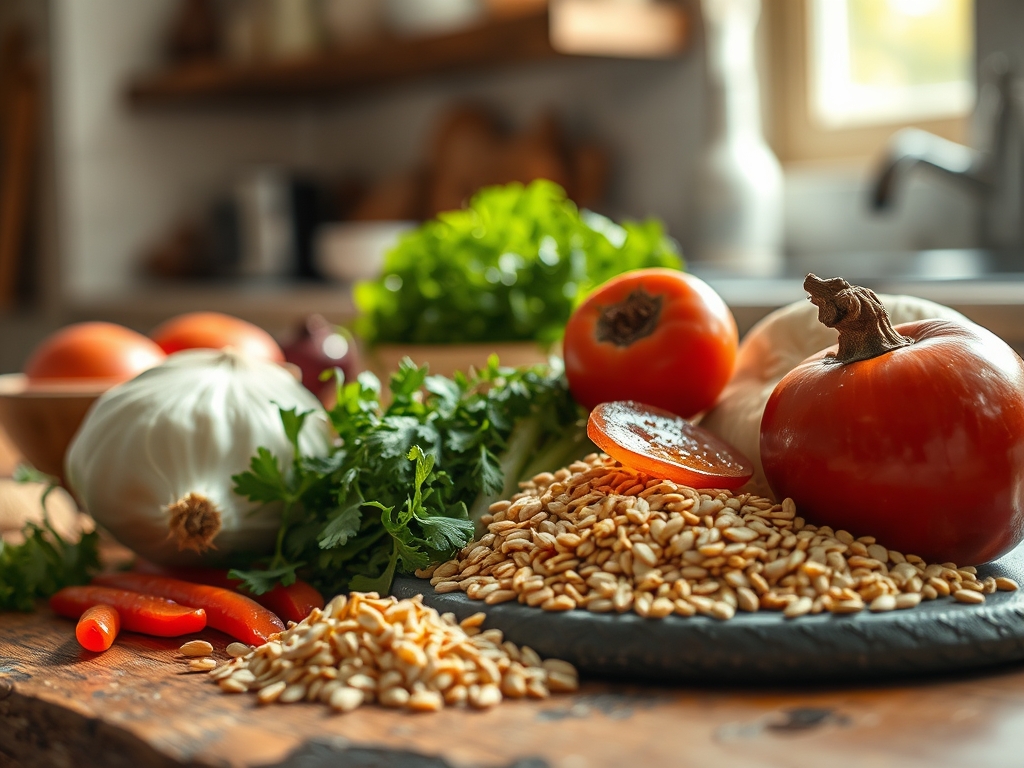
The Gathers:
Before the first spark of the stove, we must assemble our mise-en-place with surgical precision. Our primary protein is the chicken thigh; specifically, skin-on and bone-in for maximum collagen breakdown during the cook. You will need Gochujang, a fermented chili paste that provides a thick, viscous base and a complex, funky heat. For the piquant acidity, we look to unseasoned rice vinegar and fresh ginger. Use a microplane to grate the ginger into a fine paste; this breaks down the cellular walls to release gingerol, the compound responsible for that signature spicy bite. You will also need toasted sesame oil, which serves as our finishing aromatic, and soy sauce to provide the necessary salinity and amino acids for the Maillard reaction.
Smart Substitutions are your best friend when the pantry looks bare. If you lack Gochujang, a blend of Sriracha and miso paste can mimic the spicy-fermented profile. No rice vinegar? A splash of apple cider vinegar with a pinch of sugar provides the necessary pH balance. For those avoiding gluten, replace soy sauce with liquid aminos or tamari. Always use a digital scale to measure your dry ingredients like cornstarch or potato starch; these powders are highly aerated, and measuring by volume can lead to a dry, chalky coating rather than a crisp, translucent crust.
The Clock: Managing the Chef's Flow
Time is a physical ingredient in korean chicken recipes. Expect a total active time of 45 minutes, but the "Chef's Flow" requires an additional 30 minutes for marination. This is not just for flavor; the salt in the marinade denatures the chicken's proteins, allowing the meat to retain moisture even when exposed to high-heat frying. Prep your aromatics first using a bench scraper to move chopped garlic and scallions efficiently. The cooking phase is rapid, usually taking 12 to 15 minutes depending on the thickness of the cut. By synchronizing your sauce reduction with the final minutes of frying, you ensure the chicken never sits long enough to lose its structural integrity.
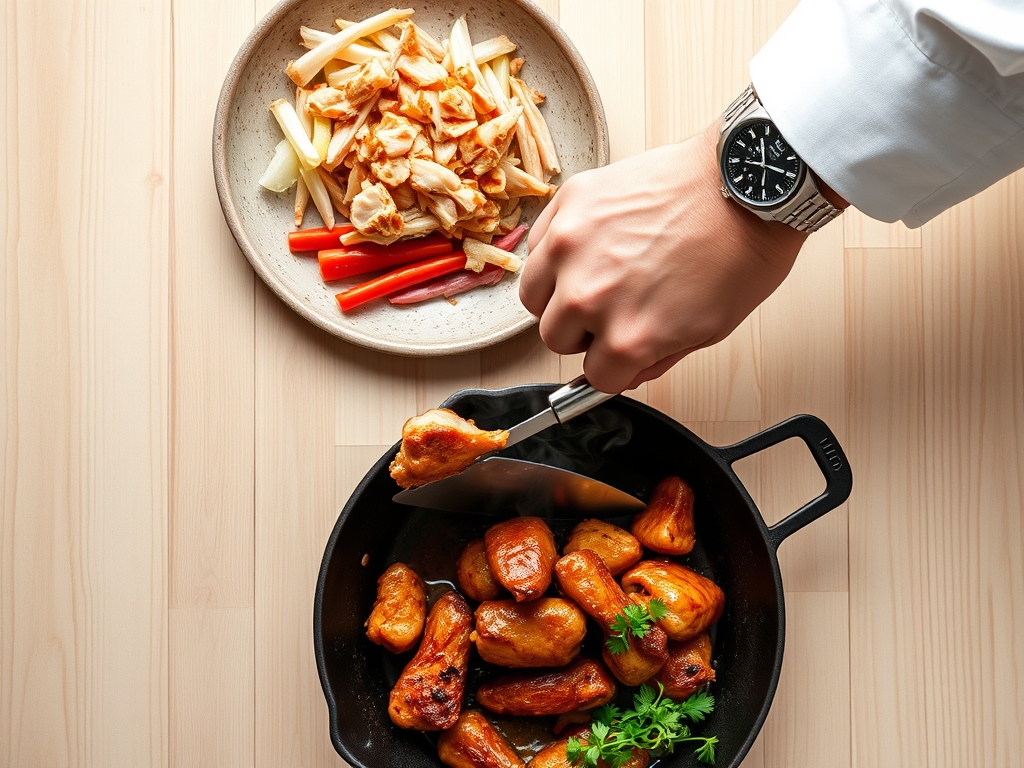
The Masterclass: Seven Steps to Perfection
1. The Brine and Infuse
Place your chicken in a large bowl and toss with salt, white pepper, and grated ginger. Let it rest at room temperature for 20 minutes.
Pro Tip: This process, known as dry-brining, draws moisture out of the skin via osmosis and then reabsorbs the seasoned liquid, deeply seasoning the muscle fibers before heat is applied.
2. The Starch Coating
Dredge each piece in a 50/50 mix of potato starch and all-purpose flour. Shake off the excess until only a fine dust remains.
Pro Tip: Potato starch has a higher amylopectin content than cornstarch; this creates a more stable, crystalline structure when fried, resulting in a crunch that stays crisp even under heavy sauce.
3. The First Fry
Heat neutral oil in a heavy-bottomed skillet to 325 degrees Fahrenheit. Fry the chicken in batches until the coating is pale gold and set.
Pro Tip: This initial fry focuses on cooking the interior meat. We avoid high heat here to prevent the exterior from burning before the internal temperature reaches a safe 165 degrees.
4. The Double-Fry Technique
Increase the oil temperature to 375 degrees Fahrenheit. Submerge the chicken a second time for 2 to 3 minutes until it turns a deep, mahogany brown.
Pro Tip: This second fry targets "evaporative cooling." It flashes off any remaining moisture in the crust, leaving behind a perfectly dehydrated, ultra-crunchy exterior.
5. The Saucier Reduction
In a saucier, combine Gochujang, honey, soy sauce, and minced garlic. Simmer over medium heat until the mixture coats the back of a spoon.
Pro Tip: Reducing the sauce concentrates the sugars. This increases the viscosity through caramelization, ensuring the sauce "grips" the chicken rather than sliding off into a puddle.
6. The Glaze and Toss
Using tongs, dip the hot chicken into the bubbling sauce. Alternatively, use a pastry brush to apply a thin, even layer to maintain maximum crunch.
Pro Tip: Applying hot sauce to hot chicken prevents a "thermal shock" that could turn the starch coating gummy. The heat keeps the sugars in a liquid state for better coverage.
7. The Final Aromatic Pop
Finish the dish with a generous sprinkle of toasted sesame seeds and thinly sliced scallions cut on a bias.
Pro Tip: Cutting scallions on a bias increases the surface area, allowing more of the sulfurous aromatic oils to reach your palate as you eat.
The Deep Dive: Nutrition, Fix-Its, and Storage
A standard serving of these korean chicken recipes provides approximately 35 grams of protein and 12 grams of healthy fats, primarily from the sesame oil and chicken thighs. For a Keto-friendly version, swap the starch for almond flour and use erythritol instead of honey. To make it vegan, cauliflower florets or firm tofu are excellent substitutes; just ensure you press the tofu for 30 minutes to remove excess water before dredging.
The Fix-It: If your sauce is too spicy, whisk in a teaspoon of butter; the fats will encapsulate the capsaicin molecules and mellow the burn. If the chicken is soggy, it likely means your oil temperature dropped too low; always use a thermometer to monitor the heat. If the sauce is too thick, deglaze the pan with a tablespoon of water or rice wine to loosen the sugars.
Meal Prep: To reheat, avoid the microwave at all costs. The microwave vibrates water molecules, which turns the starch coating into a rubbery mess. Instead, use an air fryer or oven at 400 degrees for five minutes. This re-activates the fats in the crust, essentially "re-frying" the chicken for day-one quality.
The Wrap-Up
Mastering korean chicken recipes is about more than just following a list of ingredients; it is about respecting the physics of the fry and the chemistry of the glaze. You now have the technical knowledge to manipulate starches, manage thermal carryover, and balance complex flavor profiles like a professional stylist. Whether you are hosting a high-energy dinner party or just treating yourself to a solo feast, these techniques ensure a restaurant-quality result every single time. Now, go grab your saucier and get to work; that perfect crunch is waiting for you.
The Kitchen Table
What makes Korean fried chicken so much crispier than others?
The secret is the double-fry method and the use of potato starch. The first fry cooks the meat; the second fry at a higher temperature dehydrates the crust, creating a shatteringly crisp, glass-like texture that resists moisture.
Can I use chicken breast instead of thighs for these recipes?
Yes, but be cautious of overcooking. Chicken breast lacks the fat and collagen of thighs, making it prone to drying out. Slice the breast into uniform strips and reduce the frying time by two minutes to maintain juiciness.
How do I stop my Gochujang sauce from burning in the pan?
Gochujang has a high sugar content, which caramelizes and burns quickly. Always simmer your sauce over medium-low heat and stir constantly with a whisk. If it starts to darken too quickly, remove it from the heat immediately.
Why is my chicken coating falling off after frying?
This usually happens if the chicken was too wet before dredging. Always pat the meat dry with paper towels. The starch needs a dry surface to adhere to; otherwise, steam will build up and push the crust away.