
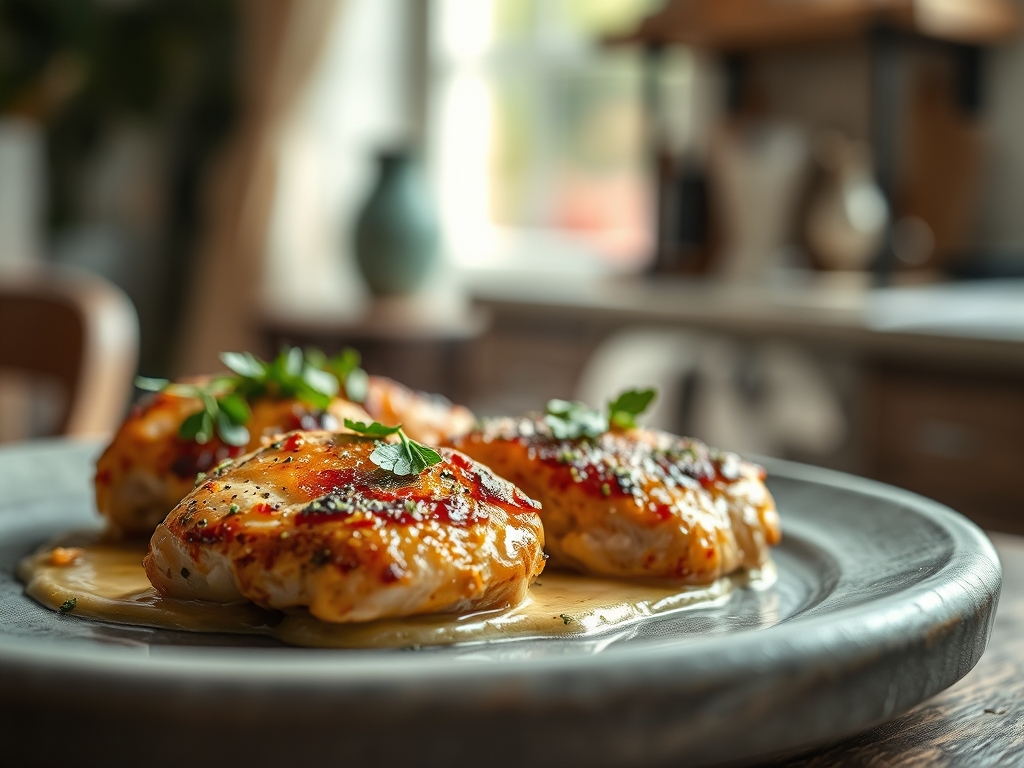
Picture this: a heavy-bottomed skillet sizzling on the range, the air thick with the scent of rendering bacon fat and the piquant aroma of honey mustard. We are not just making dinner; we are engineering a masterpiece of texture and salt. When you search for the ultimate alice springs chicken recipes, you are looking for that specific intersection of crispy protein and viscous, melted cheese. It is a dish that defines the classic American steakhouse experience, yet it is surprisingly simple to replicate at home if you understand the molecular dance of the Maillard reaction.
The magic lies in the layers. You have the savory umami of the sautéed mushrooms, the snap of the bacon, and the sweetness of the glaze. It is a sensory overload that requires a bit of finesse to keep the chicken succulent while ensuring the toppings are perfectly caramelized. We are going to dive deep into the mechanics of this dish so you can move beyond a basic recipe and into the realm of culinary intuition. Grab your favorite apron; we are about to turn your kitchen into a high-end bistro.
The Gathers:
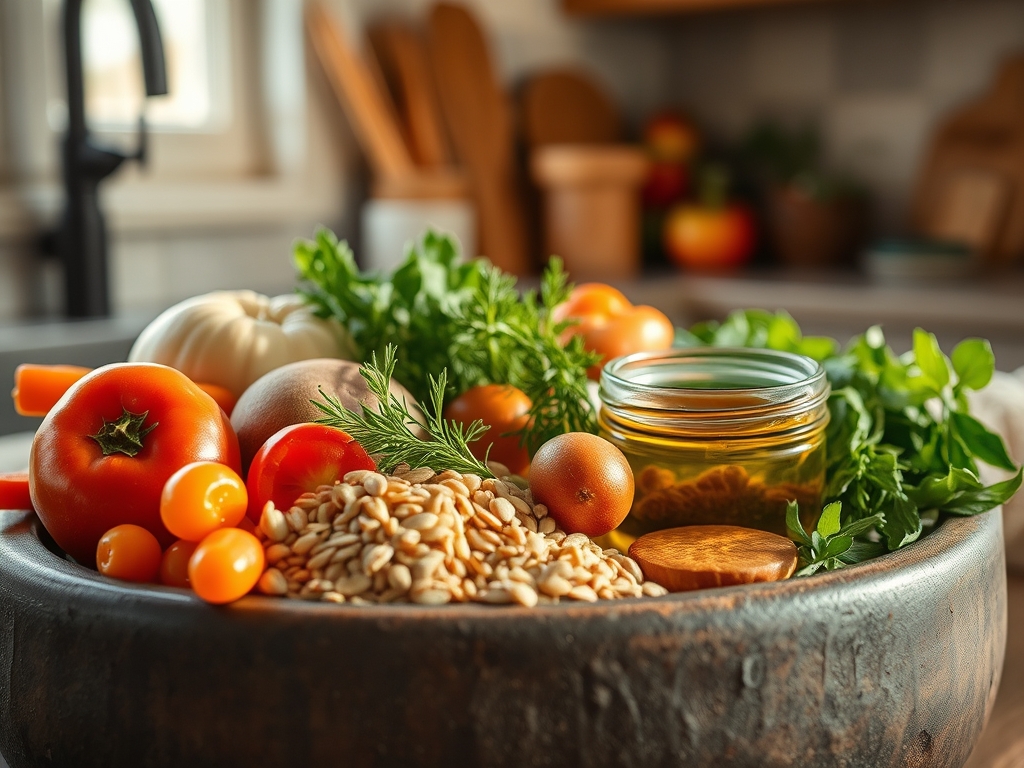
To execute the best alice springs chicken recipes, your mise-en-place must be precise. Start with four six-ounce chicken breasts. You want to look for consistent thickness to ensure even thermal distribution. You will also need eight strips of thick-cut bacon; the higher fat content allows for better rendering. For the fungi element, grab eight ounces of fresh cremini mushrooms. These offer a deeper, more earthy flavor profile than white buttons due to their mature spore structure.
The glaze is a trifecta of flavor: half a cup of Dijon mustard, half a cup of honey, and two tablespoons of mayonnaise. The mayonnaise acts as an emulsifier, ensuring the sauce stays creamy rather than breaking under high heat. For the cheese, use a blend of Monterey Jack and sharp Cheddar. The Jack provides the "stretch" via its high moisture content, while the Cheddar offers the sharp, acidic bite.
Smart Substitutions: If you are watching your sodium, swap the traditional bacon for prosciutto, which provides a similar salt hit with less saturated fat. For a dairy-free alternative, use a cashew-based "cheese" sauce infused with nutritional yeast to mimic the savory profile of the Monterey Jack. If you lack a microplane to zest any finishing herbs, a fine grater works, but the microplane is superior for creating a light, aerated texture.
The Clock
Efficiency in the kitchen is about the "Chef's Flow." Total preparation time for these alice springs chicken recipes is roughly fifteen minutes, with a cook time of twenty-five minutes. However, the flow is non-linear. While the bacon renders in the skillet, you should be whisking your glaze in a small saucier. By the time the bacon is crispy, your mushrooms should be sliced and ready to hit the hot fat. This overlapping technique reduces downtime and ensures every component is at its peak temperature when the final assembly happens under the broiler.
The Masterclass
1. The Bacon Render
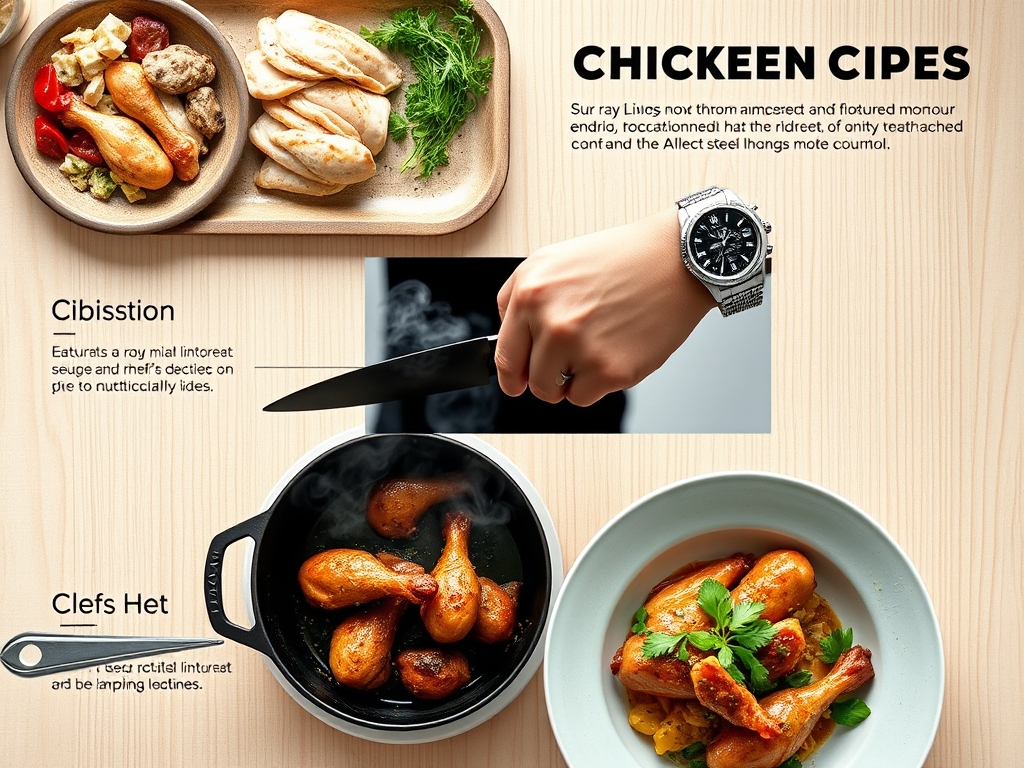
Place your cold bacon in a cold heavy-bottomed skillet. Starting with a cold pan allows the fat to render out slowly before the proteins tighten, resulting in a flatter, crispier strip. Use tongs to flip the strips once they become opaque and the edges begin to curl. Remove them once they reach a deep mahogany hue and drain on a paper towel.
Pro Tip: This is a lesson in lipid extraction. By rendering the fat slowly, you create a flavorful cooking medium for the chicken and mushrooms, which infuses the entire dish with a smoky backbone.
2. Searing the Protein
Season your chicken breasts with salt and cracked black pepper. In the same skillet with the residual bacon fat, sear the chicken over medium-high heat. You are looking for a golden-brown crust. Do not crowd the pan; if the temperature drops too low, the chicken will steam in its own juices rather than brown.
Pro Tip: This stage triggers the Maillard reaction, a chemical reaction between amino acids and reducing sugars that creates hundreds of different flavor compounds. This is where the "savory" depth of the dish is born.
3. The Mushroom Sauté
Remove the chicken when it is about 80 percent cooked. Toss the sliced mushrooms into the skillet. The fungi act like sponges, soaking up the deglazed bits of chicken and bacon from the bottom of the pan. Sauté until the moisture has evaporated and the mushrooms are tender.
Pro Tip: Mushrooms undergo enzymatic browning and then release their cellular water. You must wait for this water to evaporate so the mushrooms can eventually caramelize in the remaining fats.
4. The Glaze Application
In your saucier, whisk the honey, mustard, and mayo until the mixture is completely homogenous. Brush a generous layer over each seared chicken breast. The honey provides the sugar necessary for a beautiful lacquer, while the mustard cuts through the richness of the fats.
Pro Tip: The mayonnaise in the glaze provides protein stabilization. It prevents the honey and mustard from separating when exposed to the intense heat of the broiler.
5. The Final Melt
Layer the bacon strips over the glazed chicken, followed by a mountain of the mushroom mixture and the shredded cheese blend. Place the skillet under the broiler for two to three minutes until the cheese is bubbling and slightly charred in spots.
Pro Tip: Watch for thermal carryover. The internal temperature of the chicken will continue to rise by about five degrees after you remove it from the heat. Pulling it at 160 degrees Fahrenheit ensures it reaches the safe 165 mark without becoming dry.
The Deep Dive
From a nutritional standpoint, this dish is a powerhouse of protein and fats. A standard serving contains approximately 450 calories, 35 grams of protein, and 28 grams of fat. To make this Keto-friendly, simply replace the honey in the glaze with a sugar-free maple syrup or a touch of stevia and extra mustard. For a Gluten-Free version, ensure your mustard brand does not use flour as a thickening agent.
The Fix-It:
- Rubbery Chicken: This usually happens from overcooking. Use a digital thermometer to pull the meat at exactly 160 degrees.
- Broken Sauce: If your honey mustard looks oily, whisk in a teaspoon of warm water to re-emulsify the fats.
- Soggy Bacon: Never add the bacon to the chicken until the very last step. Moisture from the chicken will ruin the crunch if it sits too long.
Meal Prep Science: If you are making this for the week, store the glaze separately. Reheat the chicken in an air fryer or oven at 350 degrees to maintain the structural integrity of the cheese and bacon. Microwaving often results in "rubbery" proteins due to the way it agitates water molecules.
The Wrap-Up
Mastering alice springs chicken recipes is a rite of passage for any home cook who loves bold, savory flavors. It is a dish that proves how simple ingredients, when treated with the right technical respect, can transform into something truly gourmet. Whether you are hosting a dinner party or just treating yourself after a long day, this recipe delivers every single time. Now, go forth and deglaze that pan; your taste buds will thank you.
The Kitchen Table
How do I keep the chicken from drying out?
Always use a digital meat thermometer. Pull the chicken from the heat when it hits 160 degrees Fahrenheit. The residual heat, known as thermal carryover, will bring it to the safe 165 degree mark while keeping the fibers succulent and tender.
Can I use chicken thighs instead of breasts?
Absolutely. Thighs have a higher fat content and more connective tissue, making them more forgiving. They will require a slightly longer sear time to render the intramuscular fat, but the result is an incredibly juicy and flavorful alternative to breasts.
What is the best way to clean the skillet after?
While the pan is still warm, use a bench scraper to remove large debris. Add a splash of water to deglaze the remaining bits over low heat. This lifts the caramelized sugars easily without the need for harsh abrasive scrubbing.
Why is my honey mustard sauce too runny?
This usually occurs if the ratio of honey to mayonnaise is too high. Mayonnaise provides the structural viscosity needed to cling to the meat. Try whisking in an extra tablespoon of mayo or a pinch of xanthan gum to thicken the emulsion.