
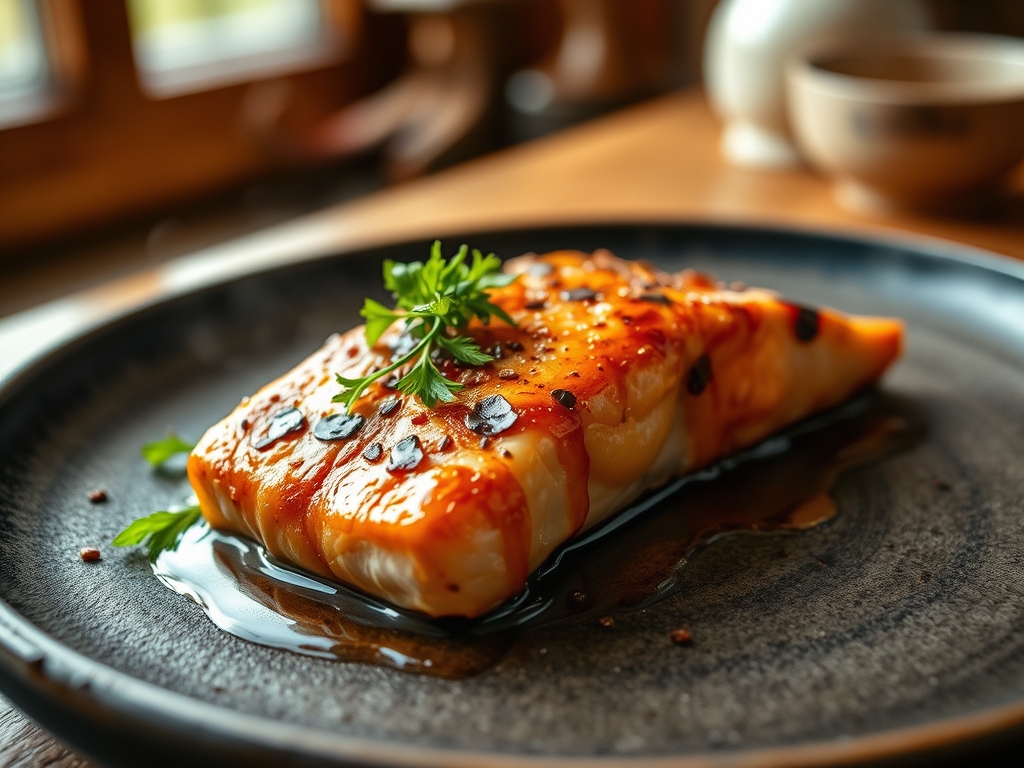
Picture the scene: a slab of cold, marbled Atlantic fillet resting on your cutting board, its coral flesh promising a buttery melt that only the right heat can unlock. You are craving that specific glaze; the kind that clings to the fork and shimmers under the kitchen lights. Mastering salmon recipes baked teriyaki is less about following a list and more about orchestrating a series of high-stakes chemical reactions. We are aiming for a lacquered finish that shatters slightly before yielding to a succulent, medium-rare center. It is the ultimate weeknight flex because it looks like high-end catering but functions on a thirty-minute timeline. We are not just tossing fish in a pan and hoping for the best. We are manipulating proteins and sugars to create a masterpiece. If you have ever struggled with dry, chalky fish or a sauce that runs right off the skin, you are in the right place. We are going to dive into the molecular mechanics of the perfect glaze and the thermal physics of the oven to ensure your dinner is nothing short of iconic.
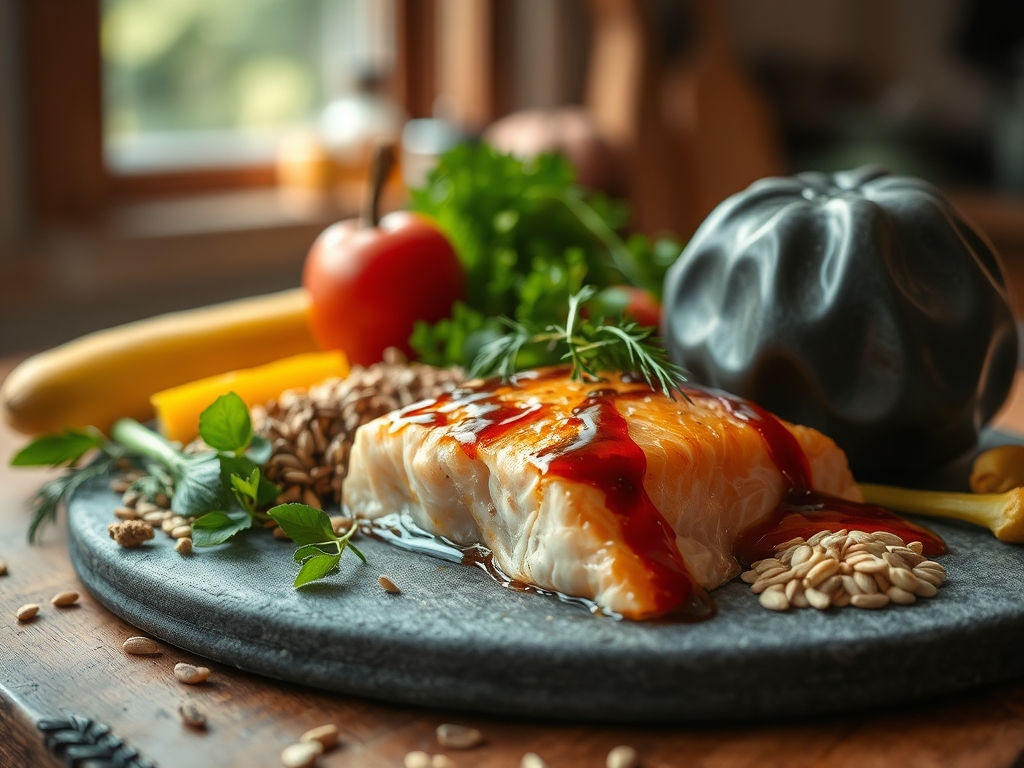
The Gathers:
To begin, clear your workstation with a bench scraper and arrange your mise-en-place. You will need 1.5 pounds of center-cut salmon; look for vibrant color and firm texture. For the sauce, gather 1/2 cup of low-sodium soy sauce (the base for umami), 1/4 cup of mirin for sweetness and acidity, 2 tablespoons of honey to assist in the viscous cling, and a 1-inch knob of fresh ginger. Use a microplane to grate the ginger and two cloves of garlic into a fine paste. This increases the surface area, allowing the aromatics to infuse the liquid instantly.
For the "Smart Substitutions," if you are dodging soy, coconut aminos offer a similar profile with a lower glycemic index. If mirin is missing from your pantry, a splash of dry sherry mixed with a teaspoon of sugar replicates that fermented tang. To achieve the perfect emulsification, keep a teaspoon of toasted sesame oil on standby. It provides a nutty top note that rounds out the piquant bite of the garlic. Finally, grab a bunch of scallions and toasted sesame seeds for a textural contrast that signals a professional finish.
The Clock
Efficiency in the kitchen is all about "Chef's Flow." Total active prep time is exactly 10 minutes, with a bake time of 12 to 15 minutes depending on the thickness of your fillets. While the oven preheats to 400 degrees Fahrenheit, you should be whisking your marinade in a saucier over medium heat. This 5-minute reduction is the secret to a thick, restaurant-quality coating. By the time the oven chime sounds, your fish should be seasoned and your sauce should be syrupy. This overlap ensures the fish spends the minimum amount of time exposed to dry air, preserving its internal moisture.
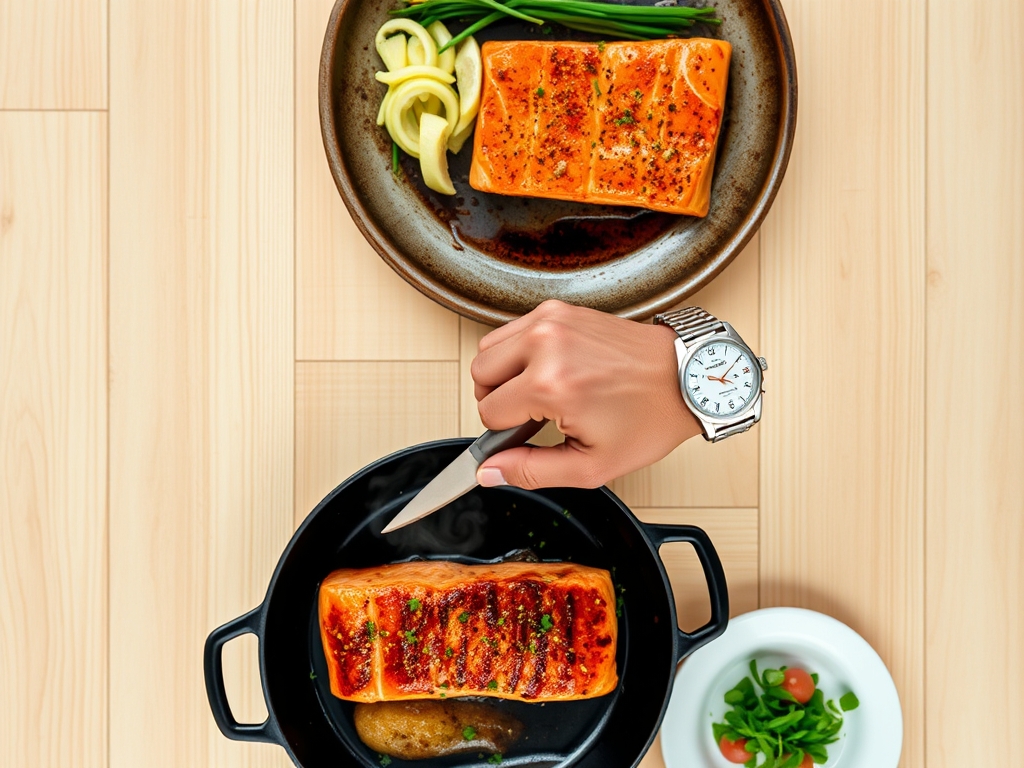
The Masterclass
1. Temper the Protein
Remove your salmon from the refrigerator 20 minutes before cooking. Cold fish hitting a hot pan causes the muscle fibers to contract violently, squeezing out moisture.
Pro Tip: This process, known as tempering, ensures even heat distribution. If the center is ice-cold while the exterior is searing, you will end up with an overcooked outer layer and a raw core.
2. The Great Desiccation
Pat the salmon bone-dry with paper towels. Moisture is the enemy of the Maillard reaction. If the surface is wet, the oven's energy goes into evaporating that water rather than browning the fish.
Pro Tip: Use a digital scale to portion your fillets into equal 6-ounce strips. Uniform size means uniform cooking times across the entire tray.
3. Construct the Glaze
In your saucier, combine the soy, mirin, honey, and aromatics. Simmer until the liquid coats the back of a spoon.
Pro Tip: This is the process of reduction. By evaporating water, you concentrate the sugars and amino acids, which are essential for creating that sticky, lacquered finish during the baking process.
4. The Initial Roast
Place the salmon skin-side down on a parchment-lined baking sheet. Brush a thin layer of the glaze over the top. Bake for 8 minutes.
Pro Tip: Do not flood the pan. Excess liquid creates steam, which will poach the fish instead of roasting it. You want dry, radiant heat to interact with the first layer of glaze.
5. The Double Glaze Technique
Pull the tray out and apply a second, thicker layer of the reduced sauce using a silicone pastry brush.
Pro Tip: This builds "layers of flavor." The first layer penetrates the flesh, while the second layer sits on top to caramelize under the direct heat, creating a complex flavor profile.
6. The Broil Finish
Switch your oven to the broil setting for the final 2 to 3 minutes. Watch it like a hawk.
Pro Tip: This triggers enzymatic browning and caramelization. The high heat interacts with the honey and soy sugars to create those charred, savory edges that define the best salmon recipes baked teriyaki.
7. The Resting Period
Transfer the fish to a warm plate using tongs or a fish spatula. Let it rest for 5 minutes.
Pro Tip: This allows for thermal carryover. The internal temperature will rise by about 5 degrees while resting, and the juices will redistribute, ensuring the fish is succulent rather than leaky.
The Deep Dive
From a nutritional standpoint, this dish is a powerhouse. You are looking at roughly 350 calories per serving, packed with Omega-3 fatty acids and high-quality protein. To make this Keto-friendly, swap the honey for an erythritol-based sweetener and use xanthan gum to thicken the sauce. For a vegan twist, this exact method works beautifully with thick slabs of firm tofu or "steaks" of cauliflower.
If you hit a snag, don't panic. If your sauce is too thin, whisk in a tiny cornstarch slurry (equal parts starch and cold water) and boil for 30 seconds. If the salmon looks white and "bubbly" on the sides, that is albumin; a protein that escapes when the fish is cooked too fast or too long. It is harmless but indicates you should pull the fish immediately. If the glaze tastes too salty, a squeeze of fresh lime juice provides the acid needed to balance the sodium.
For meal prep, store the salmon and sauce separately if possible. To reheat without turning the fish into rubber, use the "low and slow" method. Place it in a 275-degree oven with a splash of water and cover it with foil. This creates a gentle steaming environment that revives the fats without over-coagulating the proteins.
The Wrap-Up
There you have it; the definitive guide to making salmon recipes baked teriyaki that actually taste like they came from a professional kitchen. By focusing on the science of tempering, the chemistry of reductions, and the precision of the broil, you have elevated a simple piece of fish into a culinary event. Remember, the best cooking happens when you understand the "why" behind the "how." Now, grab your microplane and get to work. Your kitchen is about to smell incredible.
The Kitchen Table
How do I prevent the salmon from sticking to the pan?
Always use high-quality parchment paper or a silicone baking mat. If cooking with skin, ensure the pan is preheated. This creates an immediate sear that releases the proteins from the surface naturally, allowing for easy removal with a fish spatula.
Can I use frozen salmon for this recipe?
Yes, but you must thaw it completely in the refrigerator overnight. Pat it extremely dry to remove excess moisture from the freezing process. Frozen fish often contains more water, so the "Great Desiccation" step is even more critical for a good sear.
What is the ideal internal temperature for baked salmon?
For a buttery, moist texture, aim for an internal temperature of 125 to 130 degrees Fahrenheit. Use a digital meat thermometer at the thickest part. The temperature will rise to the food-safe 145 degrees during the essential five-minute resting period.
How can I make the teriyaki sauce thicker without more sugar?
Use a cornstarch slurry. Mix one teaspoon of cornstarch with one teaspoon of cold water and whisk it into your simmering sauce. The starch granules will swell and absorb liquid, creating a thick, glossy glaze without adding extra sweetness or calories.