
Picture this: you are standing in your kitchen at 6:00 PM on a Tuesday. The light is fading; your energy is lower than your phone battery; and the fridge is looking suspiciously empty. Then, you spot it. Tucked behind a jar of artisanal pickles is a humble tin of pink fish. Most people see a backup plan, but we see a culinary powerhouse. When you master healthy canned salmon recipes, you are not just "making do" with pantry staples. You are engaging in high-level flavor chemistry. We are talking about delicate flakes that carry the piquant zing of lemon and the deep, savory hum of the sea. This is not the dry, sad salmon loaf of your childhood. This is a sophisticated, omega-three-packed masterclass in efficiency. By leveraging the pre-cooked nature of the fish, we bypass the stress of internal temperature checks and head straight to the Maillard reaction. We are going to transform that tin into something so vibrant and texturally complex that your dinner guests will assume you spent the afternoon at the fishmonger.

The Gathers:
Before we ignite the burner, we must respect the mise-en-place. Your primary protein is the star; look for wild-caught varieties packed in water or olive oil to maintain a clean lipid profile. You will need a microplane to harvest the zest of two lemons, as the essential oils in the flavedo provide a bright, volatile top note that cuts through the fish's natural richness. Gather a bunch of fresh dill and flat-leaf parsley; we want the chlorophyll to provide a grassy counterpoint to the salt.
For the binding agent, we are moving beyond heavy mayo. Grab a container of Greek yogurt or a ripe avocado to provide a viscous mouthfeel without the saturated fat. You will also need panko breadcrumbs or almond flour to provide structural integrity. If you want to elevate the texture, include finely diced celery and shallots. These aromatics offer a "crunch factor" that prevents the final dish from feeling monochromatic.
Smart Substitutions: If you are avoiding grains, swap the breadcrumbs for crushed pork rinds or ground flaxseed to maintain the "binder" function. For those who find salmon too intense, a teaspoon of white miso paste added to the mix will provide an earthy umami that rounds out the sharper "fishy" notes. Always keep a bottle of high-quality extra virgin olive oil nearby to infuse the pan during the searing process.
The Clock:
Efficiency is the hallmark of a professional kitchen. The total active prep time for these healthy canned salmon recipes is a mere fifteen minutes. This includes the "Chef's Flow" period where you allow your aromatics to sweat and your binders to hydrate. The actual cooking time is even shorter; since the salmon is technically already "done," we are only focused on texture and heat distribution.
Expect a five-minute window for searing or a twelve-minute window if you are using an air fryer for a "set it and forget it" approach. The beauty of this ingredient is the lack of "stall time." Unlike a raw fillet that requires precise thermal monitoring to avoid a chalky interior, canned salmon is incredibly forgiving. You are simply building a flavor architecture on top of a stable foundation.
The Masterclass:
1. The Gentle Flake
Open your tin and drain the liquid thoroughly. Use a fork or a bench scraper to gently break the salmon into large chunks. Do not overwork the protein at this stage; we want to preserve the muscular structure of the fish to ensure a premium mouthfeel.
Pro Tip: This stage is about moisture control. If the fish is too wet, the steam will prevent a crust from forming. This is known as the Leidenfrost effect in reverse; excess moisture creates a barrier that stops the Maillard reaction (browning) from occurring.
2. The Aromatic Infusion
In a small bowl, combine your Greek yogurt, lemon zest, minced shallots, and herbs. Use a whisk to aerate the mixture, ensuring the citrus acids are evenly distributed. Fold this into the salmon with a silicone spatula.
Pro Tip: Acid denatures proteins. By adding lemon juice just before cooking, you are slightly tightening the protein strands, which helps the patties hold their shape without needing excessive flour or egg.
3. The Structural Bind
Add your dry binder (panko or almond flour) and a pinch of kosher salt. Let the mixture sit for five minutes. This allows the dry ingredients to absorb the ambient moisture, creating a cohesive "dough" that won't crumble when it hits the heat.
Pro Tip: This is the hydration phase. Allowing the starches or fibers to swell ensures that the interior of your salmon cake remains moist while the exterior becomes crisp.
4. The High-Heat Sear
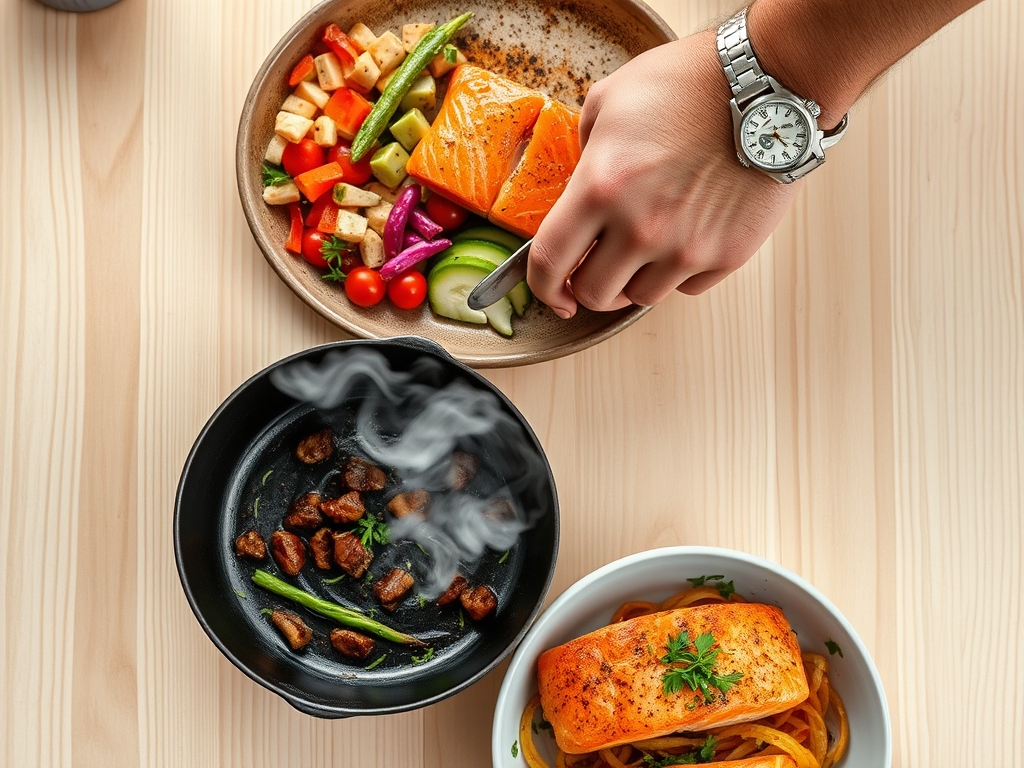
Heat a heavy-bottomed skillet over medium-high heat. Add a tablespoon of avocado oil. Once the oil shimmers, carefully place your salmon portions into the pan using tongs or a fish spatula.
Pro Tip: Do not crowd the pan. Crowding drops the surface temperature of the skillet, leading to "stewing" rather than searing. Aim for a golden-brown crust, which is the result of amino acids and reducing sugars reacting under high heat.
5. The Deglaze and Finish
Once the salmon is crisp, remove it from the pan. Throw a splash of dry white wine or chicken stock into the hot skillet to deglaze the brown bits (the fond). Swirl in a teaspoon of cold butter to create a quick pan sauce.
Pro Tip: This utilizes "pan-sauce emulsification." The cold fat binds with the reduced liquid to create a glossy, flavorful coating that ties the whole meal together.
The Deep Dive:
From a nutritional standpoint, canned salmon is a titan. It is naturally high in Vitamin D and Calcium (especially if you opt for the varieties with soft, edible bones). On average, a single serving provides twenty grams of protein with minimal carbohydrates, making it a staple for keto or paleo lifestyles.
Dietary Swaps: To make this vegan, you would obviously swap the salmon for mashed chickpeas; however, to keep it salmon-centric but GF, always use certified gluten-free oats or almond meal as your binder. For a dairy-free version, tahini makes an incredible substitute for yogurt, adding a nutty, viscous depth that pairs beautifully with seafood.
The Fix-It:
- The Crumbles: If your patties are falling apart, you likely have too much moisture. Add another tablespoon of binder and chill the mixture for ten minutes before frying.
- The Blandness: Salmon can be "heavy." If it tastes flat, add more "acid." A drop of apple cider vinegar or a dash of hot sauce will brighten the flavor profile instantly.
- The Burn: If the outside is black but the inside is cold, your pan is too hot. Lower the flame and use a digital scale to ensure your patties are uniform in size for even heat penetration.
Meal Prep: To reheat and maintain "day-one" quality, avoid the microwave. The microwave excites water molecules, which can make the fish rubbery. Instead, use a toaster oven or a dry skillet to re-crisp the exterior. This preserves the structural integrity of the healthy canned salmon recipes you worked so hard on.
The Wrap-Up:
You have officially graduated from "pantry scavenger" to "culinary chemist." By understanding how to manipulate moisture, acid, and heat, you have turned a five-dollar can of fish into a gourmet experience. Remember, the secret to great cooking isn't always about the price of the ingredients; it is about the technique you apply to them. Go forth, use your saucier with pride, and never look at a tin of salmon the same way again. You have got the skills, the science, and the flavor to make every weeknight feel like a celebration.
The Kitchen Table:
Is canned salmon as healthy as fresh salmon?
Yes, canned salmon retains the same omega-three fatty acids and protein levels as fresh. It is often processed immediately after harvest, locking in nutrients. Some canned versions even offer higher calcium if the softened bones are included and consumed.
How do I get rid of the "canned" smell?
The "tinny" scent is caused by oxidized fats. Neutralize this by rinsing the salmon in cold water and patting it dry. Adding bright aromatics like lemon zest, fresh dill, or a splash of vinegar also chemically masks these volatile compounds.
Can I freeze salmon patties made from canned fish?
Absolutely. Flash-freeze them on a parchment-lined tray before transferring to a vacuum-sealed bag. This prevents ice crystals from damaging the delicate protein structure. Cook them directly from frozen in an air fryer or skillet for a quick, high-protein meal.
What is the best binder for healthy canned salmon recipes?
For a traditional texture, panko breadcrumbs are superior. For a low-carb or "healthy" profile, use almond flour or a mashed sweet potato. The goal is to provide enough starch or fiber to absorb moisture and create structural stability during cooking.