

Imagine the sizzle of a heavy-bottomed skillet meeting cold, marbled fat. That sound is the overture to a dinner that feels like a Tuscan sunset. We are talking about the ultimate union of land and sea. Finding the best salmon recipes with basil is about more than just a garnish; it is about the molecular marriage of spicy, clove-like herbs and rich, omega-3 fatty acids.
Salmon is the perfect canvas for the volatile oils found in fresh basil. When the fish hits the pan, the heat begins to render the intramuscular fats, creating a luxurious mouthfeel that perfectly balances the sharp, piquant notes of the herb. Whether you are aiming for a crisp skin that shatters like glass or a delicate, butter-poached finish, these nine variations on the theme will transform your kitchen into a high-end bistro. We are moving beyond the basic pesto. We are diving into infusions, emulsions, and crusts that celebrate the chemistry of flavor. Grab your favorite apron and a glass of crisp Pinot Grigio. We are about to turn a simple fillet into a masterpiece of texture and aroma.
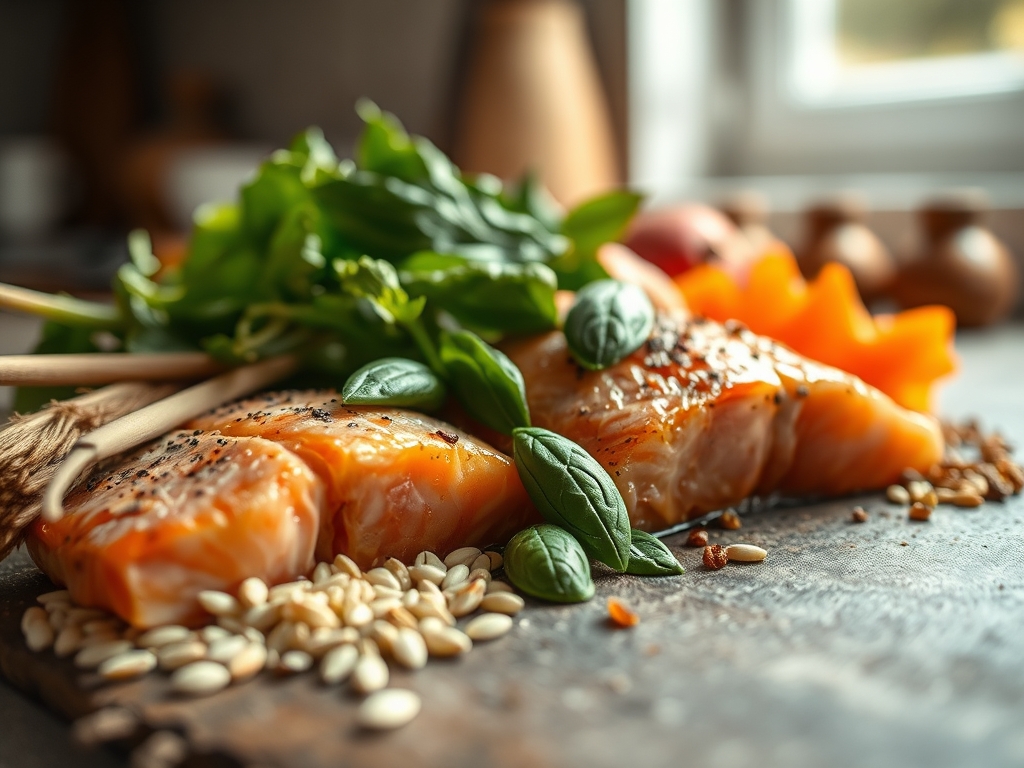
The Gathers:
To execute these salmon recipes with basil, your mise-en-place must be precise. Start with the centerpiece: center-cut Atlantic or Sockeye salmon fillets. Look for vibrant color and a firm, springy texture. You will need a massive bunch of Genovese basil; the leaves should be turgid and deep green, indicating high water content and potent essential oils.
On your workstation, arrange high-quality fats like grass-fed butter and extra-virgin olive oil. These act as the viscous carriers for flavor. You will also need acidic components to brighten the dish, such as Meyer lemons or a sharp white balsamic vinegar. For aromatics, keep peeled garlic cloves and shallots ready for the microplane.
Smart Substitutions: If you cannot find fresh basil, do not reach for the dried stuff. It lacks the aromatic complexity required for these dishes. Instead, use a high-quality refrigerated basil paste or pivot to fresh Thai basil for a more anise-forward profile. If you are avoiding dairy, swap the butter for a neutral avocado oil or a rich coconut cream to maintain that essential fat-to-acid ratio.
The Clock: Chef's Flow
Efficiency in the kitchen is about understanding the "Chef's Flow." This is the sequence of tasks that minimizes downtime and ensures everything hits the table at the optimal temperature. For these salmon recipes with basil, expect a total commitment of 30 to 40 minutes.
The first 10 minutes are dedicated to prep: washing the herbs, patting the fish dry with paper towels to ensure a proper Maillard reaction, and measuring out your liquids. The cooking phase is rapid, usually taking 8 to 12 minutes depending on the thickness of the fillet. The final 5 minutes are for resting. Never skip the rest. This allows the muscle fibers to relax and reabsorb the juices, ensuring every bite is succulent rather than dry.
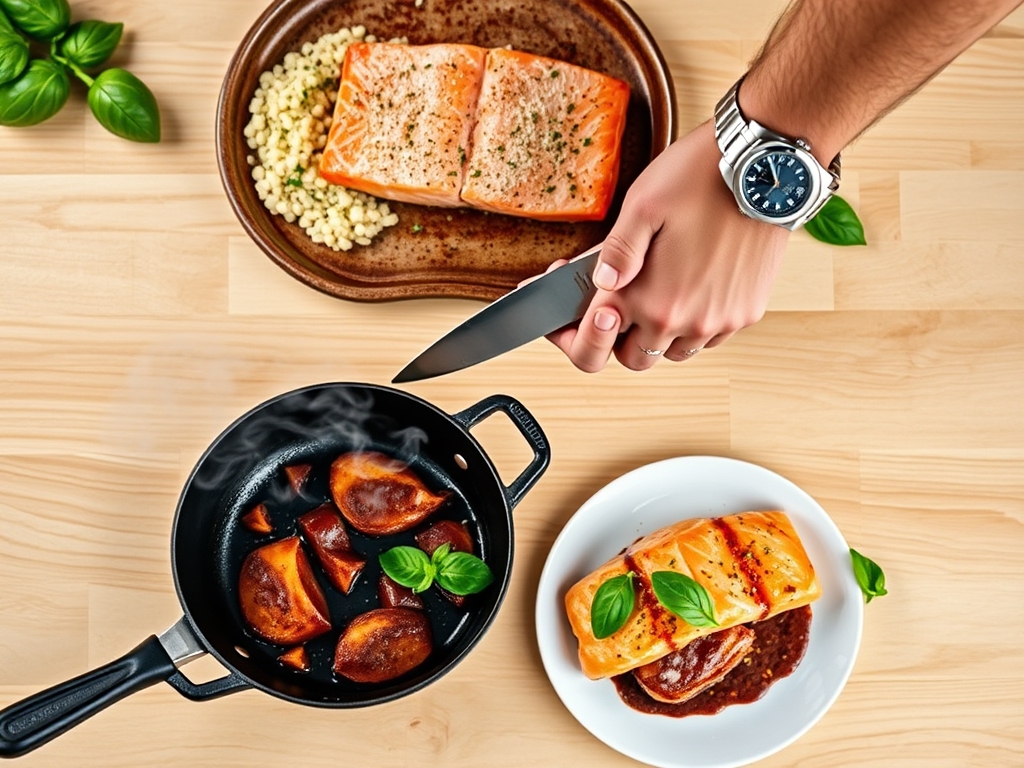
The Masterclass:
1. The Prep and Dry-Brine
Before the heat even touches the pan, season your salmon generously with kosher salt. Let it sit for at least 10 minutes at room temperature. Use a digital scale if you want to be precise; 1.5 percent salt by weight is the golden ratio for seasoning protein.
Pro Tip: This process is called denaturation. The salt breaks down the tightly wound proteins on the surface, allowing them to retain more moisture during the cooking process and creating a more seasoned interior.
2. Infusing the Oil
Place your heavy-bottomed skillet over medium heat and add your oil. Toss in a handful of bruised basil leaves for just 60 seconds, then remove them. This creates a fragrant base for the fish.
Pro Tip: This is lipid-soluble infusion. The essential oils in the basil, specifically linalool, are fat-soluble and will migrate into the oil, flavoring the entire dish from the bottom up.
3. Achieving the Perfect Sear
Place the salmon skin-side down in the hot oil. Use your tongs to press the fillet down firmly for the first 30 seconds. This prevents the skin from curling as the proteins contract.
Pro Tip: You are looking for the Maillard reaction. This chemical reaction between amino acids and reducing sugars creates the brown, flavorful crust that is the hallmark of a professional-grade sear.
4. The Saucier Deglaze
Once the salmon is flipped and nearly finished, remove it from the pan. Use a saucier to whisk together lemon juice, a splash of white wine, and minced basil. Pour this into the hot skillet to pick up the browned bits.
Pro Tip: Deglazing captures the "fond," or the caramelized proteins stuck to the pan. This adds immense depth and umami to your final basil-infused sauce.
5. The Emulsion Finish
Whisk a cold knob of butter into your pan sauce until it becomes thick and glossy. Return the salmon to the pan just to coat it in the liquid.
Pro Tip: This is a beurre blanc technique. The cold butter emulsifies with the acidic liquid, creating a stable, creamy sauce without the need for heavy cream.
The Deep Dive:
From a macro perspective, salmon is a nutritional powerhouse. A standard 6-ounce serving provides roughly 34 grams of protein and 22 grams of healthy fats. It is naturally low in carbohydrates, making it a staple for Keto and Paleo lifestyles. For a vegan swap, you can apply these basil-infusion techniques to thick slabs of cauliflower or firm tofu, though the cooking times will vary.
The Fix-It:
- The Skin is Soggy: You likely didn't dry the fish enough or the pan wasn't hot enough. Fix: Pat the skin bone-dry and use a high-smoke-point oil.
- The Basil is Bitter: You burned the herbs. Fix: Add fresh basil at the very end of the cooking process to preserve its delicate flavor.
- The Fish is Dry: You overcooked it. Fix: Use a meat thermometer and pull the salmon at 125 degrees Fahrenheit for a perfect medium-rare.
Meal Prep: To reheat salmon without it becoming "fishy" or rubbery, avoid the microwave. Use a low-heat oven (275 degrees) with a splash of water or broth covered in foil. This creates a steam-chamber effect that gently rehydrates the proteins.
The Wrap-Up:
Mastering salmon recipes with basil is your ticket to effortless, impressive weeknight dinners. By understanding the science of the sear and the chemistry of herbal infusions, you are no longer just following a recipe; you are commanding the kitchen. The vibrancy of the basil against the richness of the salmon is a culinary classic for a reason. Now, grab your tongs and get to work. Your best dinner yet is only a few minutes away!
The Kitchen Table:
How do I keep basil from turning black?
Basil oxidizes when bruised or exposed to high heat for too long. To keep it vibrant green, use a very sharp knife to avoid crushing the cells and add the herb during the final seconds of cooking.
Can I use frozen salmon for these recipes?
Yes, but ensure it is completely thawed and patted dry. Frozen salmon often releases more albumin (the white protein), so a quick brine in salt water can help minimize this and improve the final texture.
What is the best basil variety for salmon?
Genovese basil is the gold standard for its sweet, peppery balance. However, Thai basil works beautifully if you want a spicy, licorice-like undertone that pairs well with lime and ginger-infused salmon dishes.
Why does my salmon have white stuff on it?
That white substance is albumin, a protein that pushes to the surface when the muscle fibers contract too quickly. To prevent this, cook the salmon at a slightly lower temperature or use a pre-cook brine.