
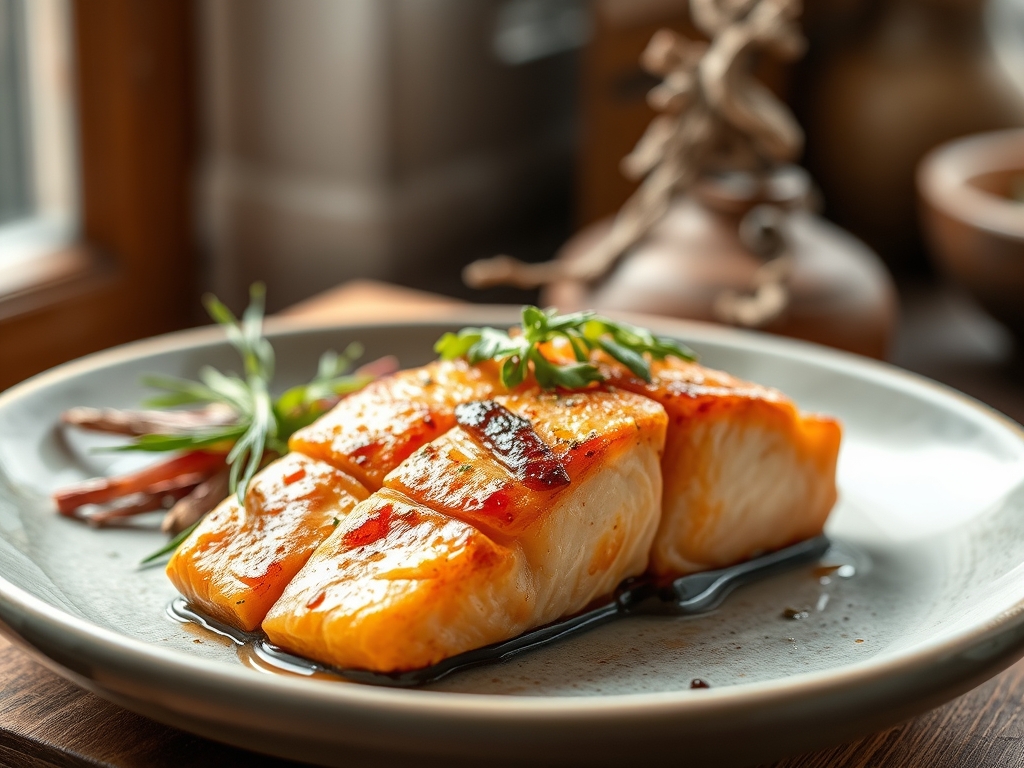
Picture the scene: your kitchen is filled with the scent of toasted sesame and bubbling soy, while a pink fillet of fish transforms into a buttery masterpiece under the broiler. Mastering asian baked salmon recipes is less about following a rigid script and more about understanding the chemistry of heat and the architecture of salt, acid, and fat.
The beauty of salmon lies in its high intramuscular fat content, specifically those glorious omega-3 fatty acids that allow the flesh to remain succulent even when exposed to the intense, dry heat of an oven. When we introduce Asian aromatics like fermented bean paste or fresh ginger, we are not just adding flavor; we are engaging in a complex dance of molecular gastronomy. The sugars in a glaze undergo the Maillard reaction, creating a savory crust that contrasts perfectly with the tender, flaking interior. Whether you are craving a sharp citrus zing or a deep, earthy umami bomb, these six flavor bursts will elevate your weeknight rotation from mundane to Michelin-adjacent. Grab your apron and your favorite heavy-bottomed sheet pan; we are about to turn your oven into a high-performance culinary tool.
The Gathers:
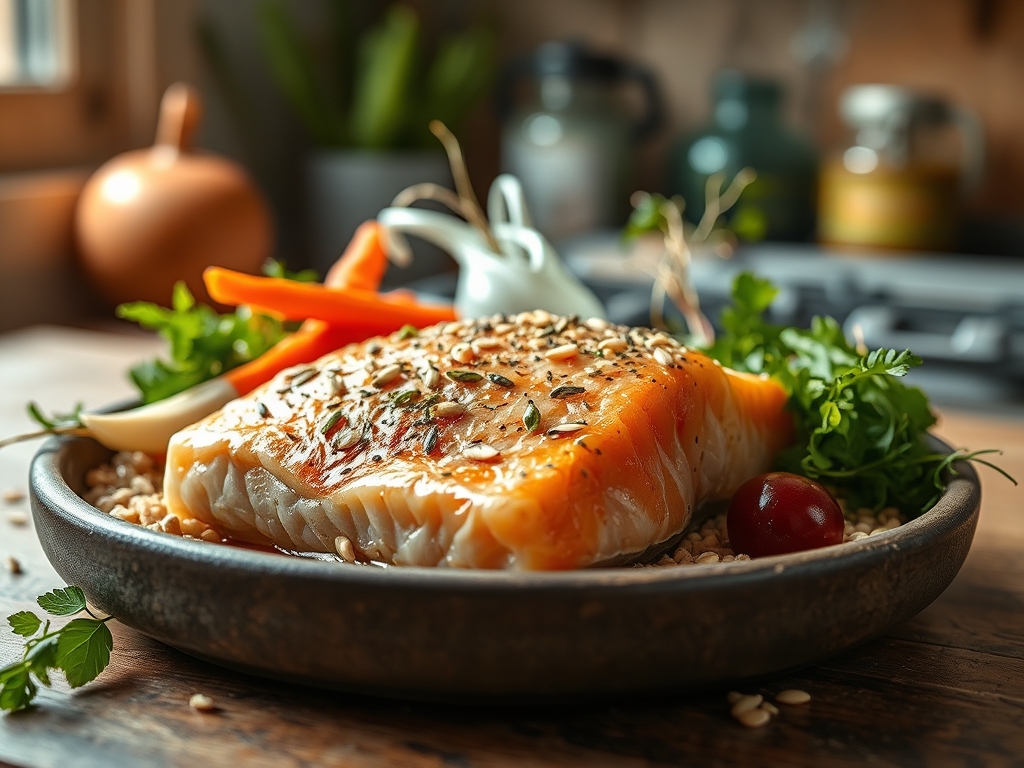
To achieve professional results, your mise-en-place must be precise. We are looking for high-quality, cold-water salmon fillets, preferably center-cut for uniform thickness. You will need a sharp chef's knife to portion the fish and a microplane to zest your citrus and grate your aromatics into a fine paste.
The pantry staples for these asian baked salmon recipes include liquid aminos or tamari for that essential salinity, toasted sesame oil for its high smoke point and nutty aroma, and rice vinegar to provide a bright, acidic counterpoint. For the "Flavor Bursts," keep miso paste (white or red), gochujang, honey, fresh garlic, and scallions on standby.
Smart Substitutions: If you are out of fresh ginger, use a pinch of ground ginger, though the flavor will be more muted and less piquant. No honey? Maple syrup provides a similar viscous quality and a unique woody sweetness. If gochujang is too spicy, a mixture of tomato paste and a dash of chili flakes can mimic the texture and heat profile. Always use a digital scale to measure your liquids if you want total consistency; weight is more accurate than volume when dealing with thick syrups and pastes.
The Clock
Efficiency in the kitchen is all about "Chef's Flow." This means grouping tasks to minimize downtime. Total preparation time for these recipes is approximately 10 minutes, with a cook time ranging from 12 to 15 minutes depending on the thickness of your fillets.
Start by preheating your oven to 400 degrees Fahrenheit. While the heating elements reach temperature, prepare your glazes in small glass bowls. By the time your oven chirps, your salmon should be seasoned and ready to slide onto the middle rack. This synchronized timing ensures the fish does not sit in acidic marinades for too long, which can "cook" the proteins prematurely and result in a mushy texture.
The Masterclass
1. Prep the Canvas
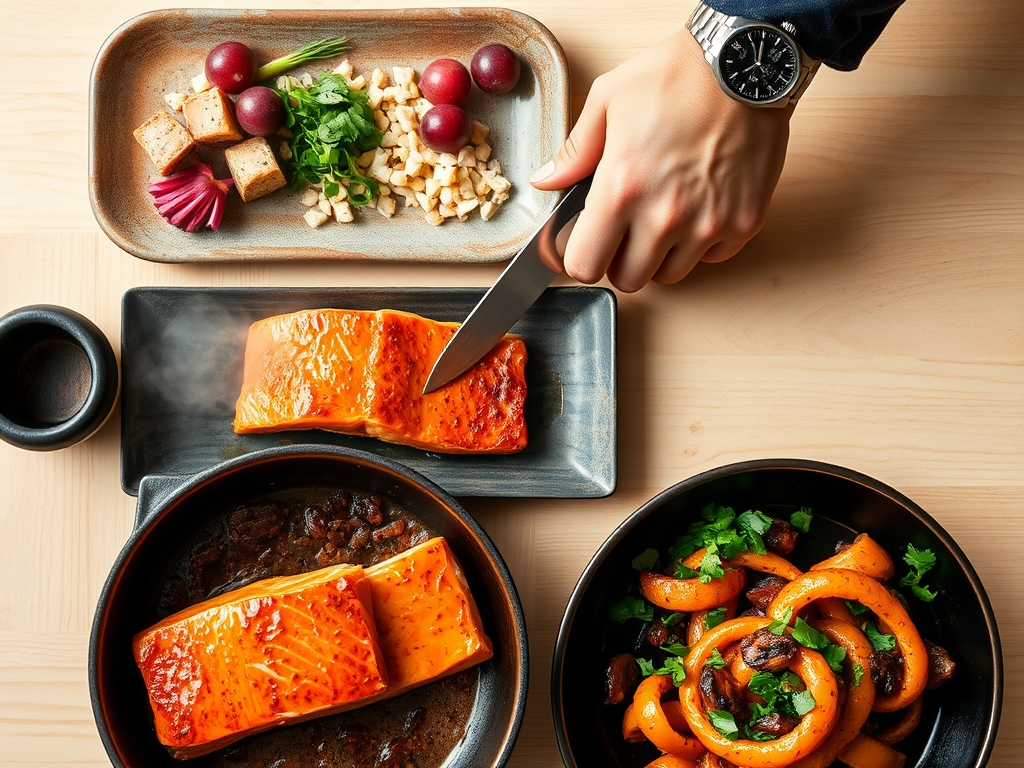
Pat the salmon fillets bone-dry with paper towels. Removing surface moisture is non-negotiable if you want the glaze to adhere rather than slide off into a watery puddle. Place them on a parchment-lined baking sheet to prevent sticking and facilitate an easy cleanup.
Pro Tip: This is about surface tension. Removing moisture prevents the "steaming" effect, allowing the heat to directly trigger the Maillard reaction, which creates those complex, savory flavor compounds on the surface.
2. Emulsify the Glaze
In a small saucier or bowl, whisk together your chosen flavor burst ingredients. For a classic teriyaki style, combine soy, honey, and grated ginger. Use a whisk to vigorously emulsify the oil and water-based liquids into a cohesive, viscous sauce.
Pro Tip: Emulsification ensures that the fat-soluble flavor molecules in the ginger and garlic are evenly distributed throughout the water-based soy sauce, providing a consistent taste in every bite.
3. Apply the First Layer
Use a silicone pastry brush to coat the top and sides of the fillets generously. Do not drown them; a thin, even layer is more effective for building a crust. Reserve a small amount of the glaze for a final finish after baking.
Pro Tip: Applying the glaze before baking allows the sugars to caramelize as the water evaporates, creating a protective barrier that seals in the internal juices of the fish.
4. The Precision Bake
Slide the tray into the center of the oven. If your fillets are about one inch thick, 12 minutes is usually the sweet spot. The internal temperature should reach 135 degrees Fahrenheit for a perfect medium.
Pro Tip: Practice thermal carryover awareness. Take the fish out when it is 5 degrees below your target temperature. The residual heat will continue to cook the dense protein fibers while the fish rests on the counter.
5. The Broiler Finish
For an extra flavor punch, turn the oven to "Broil" for the last 90 seconds. Watch it like a hawk. The high heat will cause the glaze to bubble and char slightly at the edges, adding a smoky dimension to the dish.
Pro Tip: This intense heat triggers enzymatic browning, intensifying the umami profile of ingredients like miso or soy sauce without overcooking the delicate center of the fillet.
6. The Rest and Garnish
Transfer the salmon to a warm plate using wide tongs or a fish spatula to keep the fillets intact. Let them rest for three minutes before garnishing with toasted sesame seeds and sliced scallions.
Pro Tip: Resting allows the muscle fibers to relax and reabsorb the juices, ensuring that the moisture stays inside the fish rather than spilling out onto the plate when you take your first forkful.
The Deep Dive
Macro Nutrition: Salmon is a nutritional powerhouse. A standard 6-ounce fillet provides roughly 34 grams of high-quality protein and 20 grams of healthy fats. Most of these asian baked salmon recipes add minimal carbohydrates, primarily from the natural sugars in honey or rice wine.
Dietary Swaps: To make these recipes Keto-friendly, swap honey for a monk fruit sweetener. For a Gluten-Free version, always use tamari instead of traditional soy sauce. If you want a vegan alternative, this same glazing technique works beautifully on thick slabs of firm tofu or cauliflower steaks.
The Fix-It:
- White Stuff Appearing: That white substance is albumin, a protein that pushes out when the fish cooks too fast. Fix: Lower your oven temp by 25 degrees next time.
- Soggy Bottoms: This happens if the fish sits in its own rendered fat. Fix: Place the salmon on a wire rack set over the baking sheet to allow hot air to circulate underneath.
- Burnt Glaze: High sugar content can scorch. Fix: If the glaze is darkening too quickly, tent the fish loosely with foil.
Meal Prep: To reheat salmon without it becoming rubbery, avoid the microwave. Use a toaster oven at 275 degrees Fahrenheit with a splash of water or extra glaze to maintain the moisture levels. This gentle reheating preserves the integrity of the fats.
The Wrap-Up
You are now equipped with the technical prowess to master asian baked salmon recipes in your own kitchen. By focusing on the science of emulsification and the precision of thermal carryover, you can transform a simple piece of seafood into a gourmet experience. Remember to experiment with your "Flavor Bursts" to find your signature balance of sweet, salty, and spicy. Cooking is an art, but great results are rooted in the physics of the pan. Now, get in there and make some magic happen!
The Kitchen Table
How do I know when the salmon is done?
The most reliable method is using a digital thermometer to hit 135 degrees Fahrenheit. Alternatively, press the top of the fillet gently with a fork; if the flesh flakes easily along the natural white lines, it is ready.
Can I bake salmon from frozen?
It is possible but not recommended for the best texture. Frozen salmon releases more moisture, which can dilute your glaze. For the best results, thaw the fish overnight in the refrigerator and pat it completely dry before seasoning.
What is the best way to store leftovers?
Place cooked salmon in an airtight glass container and refrigerate for up to three days. To maintain the best flavor, keep the garnish separate and add fresh scallions or sesame seeds only after you have reheated the fish.
Why is my salmon skin not crispy?
Crispy skin requires high direct heat and very dry skin. If baking, start the salmon skin-side down on a preheated heavy-bottomed skillet or baking sheet. For maximum crunch, you may need to finish the skin side in a pan.