
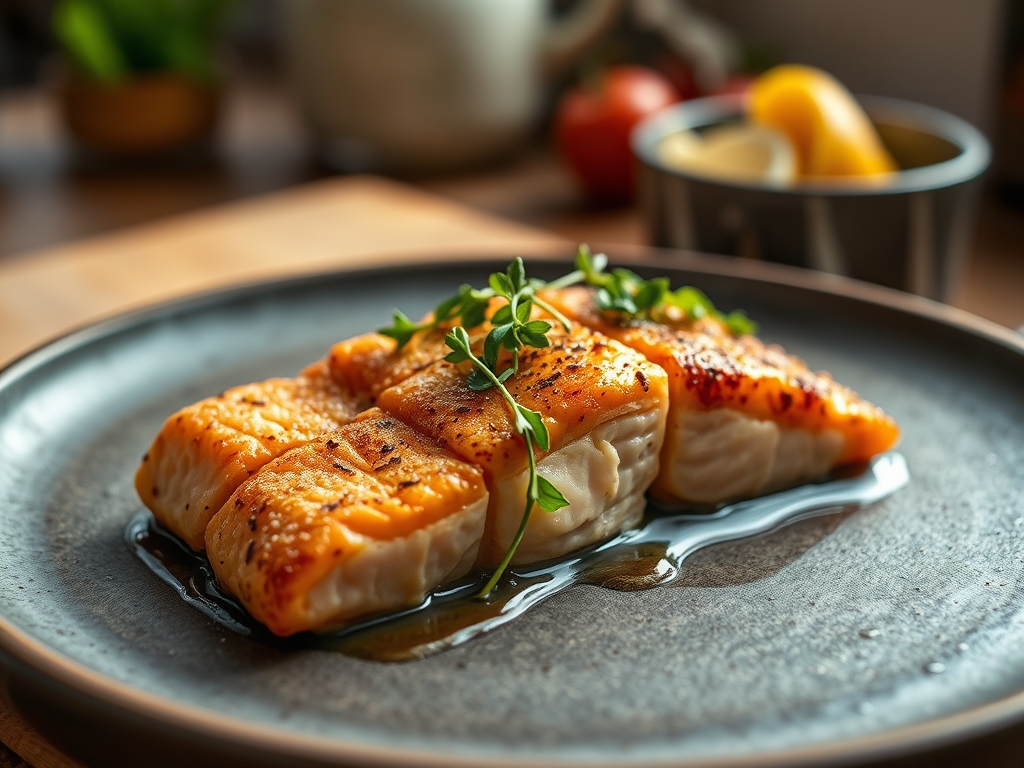
The scent of sizzling omega-3 fats hitting a hot stainless steel surface is a siren song for any home cook. If you are tired of the same old pan-seared fillet, these trader joe's salmon recipes will transform your weeknight routine from mundane to Michelin-inspired. We are diving deep into the chemistry of the perfect crust and the alchemy of high-quality frozen staples.
Salmon is a culinary chameleon. It possesses a high fat content that allows it to withstand intense heat while maintaining a buttery, flakey interior. By leveraging the unique pantry items found in those iconic cedar-shingled aisles, we can manipulate texture and flavor profiles with surgical precision. Whether you are using the wild-caught Sockeye or the Atlantic fillets, the goal is the same: achieving a perfect Maillard reaction without compromising the delicate protein structure. We are going to explore how to use everything from the Everything But The Bagel seasoning to the piquant Zhoug Sauce to elevate your seafood game. This is not just about eating; it is about understanding the molecular dance between heat, acid, and fat.
The Gathers:
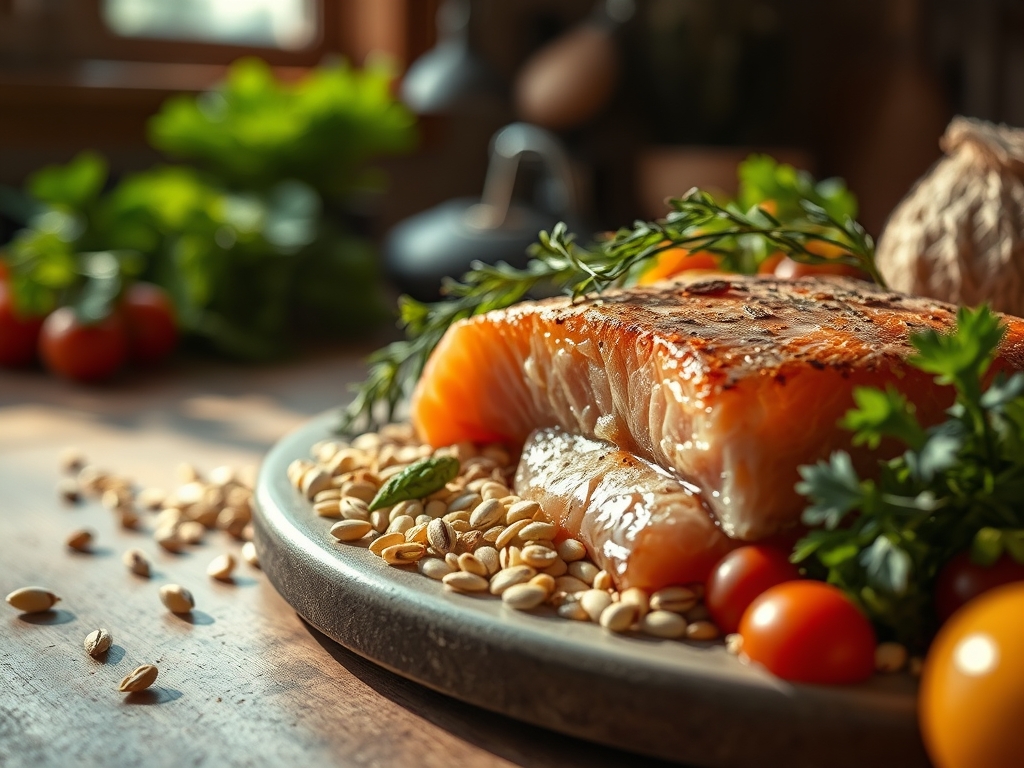
To execute these trader joe's salmon recipes with finesse, your mise-en-place must be impeccable. You will need a heavy-bottomed skillet (cast iron is preferred for its thermal mass) and a flexible fish spatula to ensure the skin remains intact. Our ingredient list focuses on high-impact aromatics and stabilizers.
Gather your fresh salmon fillets, ensuring they have been patted dry with lint-free towels to remove surface moisture. For the flavor boosters, grab the Miso Ginger Broth, the Sweet Chilli Sauce, and a jar of Ghee. Ghee is essential because it has a higher smoke point than butter, allowing for a hard sear without the milk solids burning. You will also want a microplane for zesting citrus and grating fresh ginger to infuse your sauces with bright, volatile oils.
Smart Substitutions: If you cannot find the fresh Sockeye, the frozen BBQ Cut Atlantic Salmon is a fantastic alternative. If you are looking to lower the sodium, swap the soy-based marinades for Coconut Aminos, which provide a similar viscous texture and umami punch with a fraction of the salt. For a dairy-free creamy element, the Vegan Cashew Kale Pesto acts as a perfect emulsified fat source to coat the fish during the final minutes of roasting.
The Clock
Efficiency in the kitchen is about mastering the Chef's Flow. This is the art of overlapping tasks so that no second is wasted.
Prep Time: 15 minutes. This includes de-boning with tweezers and allowing the fish to reach room temperature. Cold fish in a hot pan causes the muscle fibers to seize, resulting in a tough texture.
Cook Time: 8 to 12 minutes depending on thickness.
Total Time: 25 to 30 minutes.
The flow begins by preheating your oven and your skillet simultaneously. While the hardware absorbs heat, you prepare your glazes and side components. By the time the salmon hits the pan, your vegetable base should already be simmering or roasting. This ensures everything reaches the plate at the peak of its thermal curve.
The Masterclass
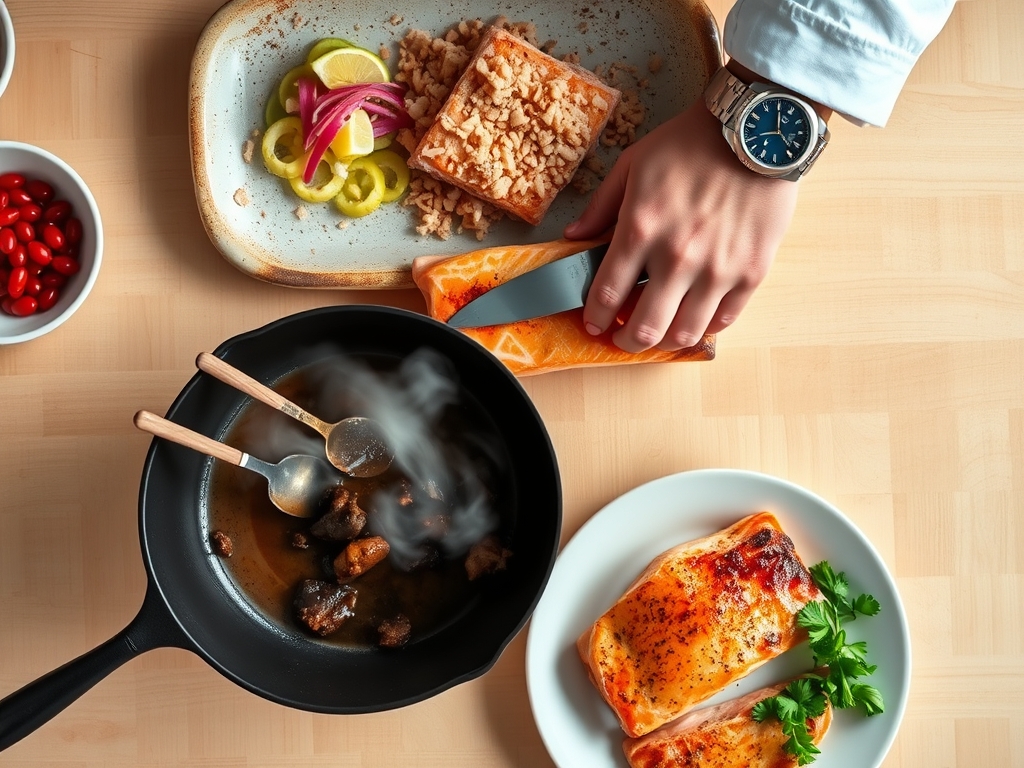
1. The Dry Brine Technique
Before any heat is applied, season your fillets with a mixture of kosher salt and the Everyday Seasoning grinder. Let them sit for ten minutes.
Pro Tip: This process, known as denaturation, draws moisture out of the surface and then reabsorbs the seasoned brine, deeply flavoring the flesh and ensuring a crispier skin.
2. The Cold-Start Sear
Place the salmon skin-side down in a cold non-stick skillet and then turn the heat to medium-high. Use your tongs to press the fish down firmly for the first thirty seconds.
Pro Tip: Starting in a cold pan allows the subcutaneous fat to render slowly, preventing the skin from curling and resulting in a glass-like crunch.
3. The Miso-Glaze Infusion
Brush a mixture of White Miso Paste and maple syrup onto the flesh side during the final three minutes of cooking.
Pro Tip: The sugars in the glaze undergo caramelization at 320 degrees Fahrenheit; keep a close eye to avoid carbonization, which creates a bitter flavor.
4. The Zhoug Sauce Deglaze
After removing the salmon, toss a splash of water and two tablespoons of Zhoug Sauce into the hot pan. Use a silicone spatula to scrape up the browned bits.
Pro Tip: This is called deglazing. The liquid captures the fond (the caramelized protein bits), creating a pan sauce that is chemically concentrated with flavor.
5. The Air Fryer Crisping
For the Everything But The Bagel crust, coat the top of the salmon with a thin layer of Dijon mustard before air frying at 400 degrees for 8 minutes.
Pro Tip: The mustard acts as a hydrocolloid binder, securing the seeds to the fish while the high-velocity air creates a uniform crust via convection.
6. The Poached Perfection
Submerge fillets in a saucier filled with simmering Miso Ginger Broth and sliced bok choy.
Pro Tip: Keep the liquid between 160 and 180 degrees. This gentle poaching prevents the albumin (the white protein) from leaking out, keeping the fish moist.
7. The Cedar Plank Shortcut
Use the pre-soaked cedar planks found in the TJ's freezer aisle. Place the salmon directly on the wood and grill over indirect heat.
Pro Tip: The wood releases guaiacol, a compound that provides that classic smoky aroma without the need for a dedicated smoker.
8. The Pesto Butter Finish
Top your hot, rested salmon with a dollop of Garlic Herb Butter mixed with Genovese Pesto.
Pro Tip: This utilizes thermal carryover. The residual heat of the fish melts the fat, creating a self-emulsifying sauce that coats the palate.
The Deep Dive
Macro Nutrition: Salmon is a nutritional powerhouse. A standard 6-ounce serving provides approximately 34 grams of protein and 18 grams of healthy fats. It is rich in Vitamin B12 and Selenium, which are vital for metabolic function.
Dietary Swaps:
- Vegan: Use the Firm Tofu pressed and sliced into "fillets," marinated in seaweed flakes for a saline, oceanic flavor.
- Keto: Replace any honey or maple syrup in glazes with a squeeze of fresh lemon and extra virgin olive oil.
- GF: Ensure you are using Tamari or Coconut Aminos instead of standard soy sauce, which contains wheat.
The Fix-It:
- White Gunk (Albumin): This happens when the fish is cooked too fast. Lower your heat; it is safe to eat but indicates the muscle fibers have contracted too tightly.
- Soggy Skin: Your pan wasn't hot enough or the skin was too wet. Use a bench scraper to remove any moisture from the skin before searing.
- Sticking: You tried to flip it too early. The fish will naturally release from the pan once the Maillard reaction is complete.
Meal Prep: To reheat without drying out the protein, avoid the microwave. Use a toaster oven at 275 degrees with a splash of water covered in foil. This creates a mini-steam chamber that restores the viscous texture of the fats.
The Wrap-Up
Mastering these trader joe's salmon recipes is about more than just following a list; it is about respecting the ingredients and the physics of the kitchen. By focusing on moisture control and temperature management, you can turn a simple grocery run into a series of sophisticated, restaurant-quality meals. Now, grab your digital scale, prep your garnishes, and let the science of deliciousness take over your kitchen!
The Kitchen Table
How do I prevent salmon from smelling fishy?
Always buy the freshest fillets possible and pat them dry. The "fishy" smell comes from trimethylamine, which develops as the fish ages. A quick rinse with an acidic lemon juice solution can neutralize these odors effectively.
Can I cook salmon straight from the freezer?
Yes, but for the best texture, use the air fryer. Cooking from frozen in a pan often leads to an overcooked exterior and raw interior. The convection heat helps bypass this thermal disparity more evenly.
What is the best way to get crispy skin?
Moisture is the enemy of crispiness. Use the back of a knife to scrape the skin, removing excess water. Sear in a heavy-bottomed skillet with a high-smoke-point oil like avocado oil until the skin releases naturally.
How do I know when the salmon is done?
Use a digital thermometer to check the internal temperature. For a medium-rare finish, pull the fish at 125 degrees Fahrenheit. The temperature will rise to 130 degrees during the resting phase due to thermal carryover.