
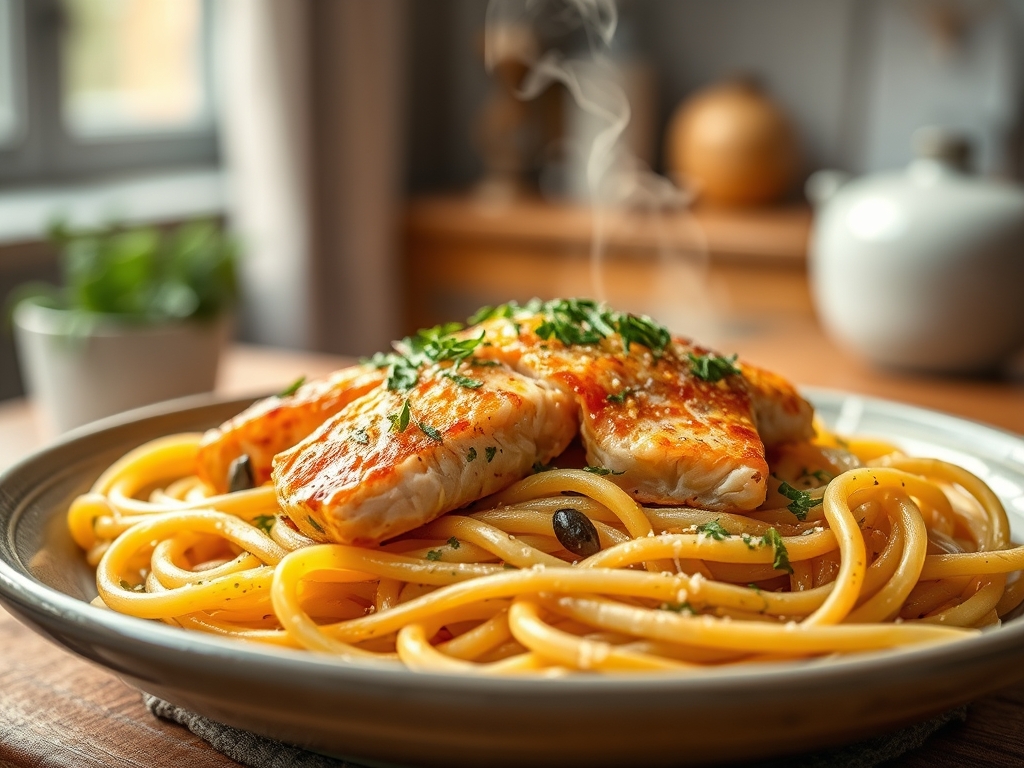
Imagine the sound of a heavy-bottomed skillet meeting a high-flame burner; the metallic ring is the opening bell for a gourmet meal that takes less time than a grocery run. We are diving into the world of canned salmon recipes with pasta, where pantry staples undergo a molecular transformation into silky, restaurant-grade dinners. Forget the dry, flaky stereotypes of tinned fish. When you marry the briny, fatty richness of wild-caught salmon with the starch-heavy embrace of al dente noodles, you create a culinary synergy that is both comforting and scientifically sound. This is about more than just convenience; it is about leveraging the intense umami profile of preserved seafood to create a sauce that clings to every ridge of your rigatoni. We are going to explore ten distinct ways to pivot from a basic "tuna melt" mindset into a realm of piquant capers, aerated cream sauces, and perfectly emulsified oils. By the end of this guide, you will treat that humble tin in your cupboard with the same reverence as a fresh fillet of Sockeye.
The Gathers:
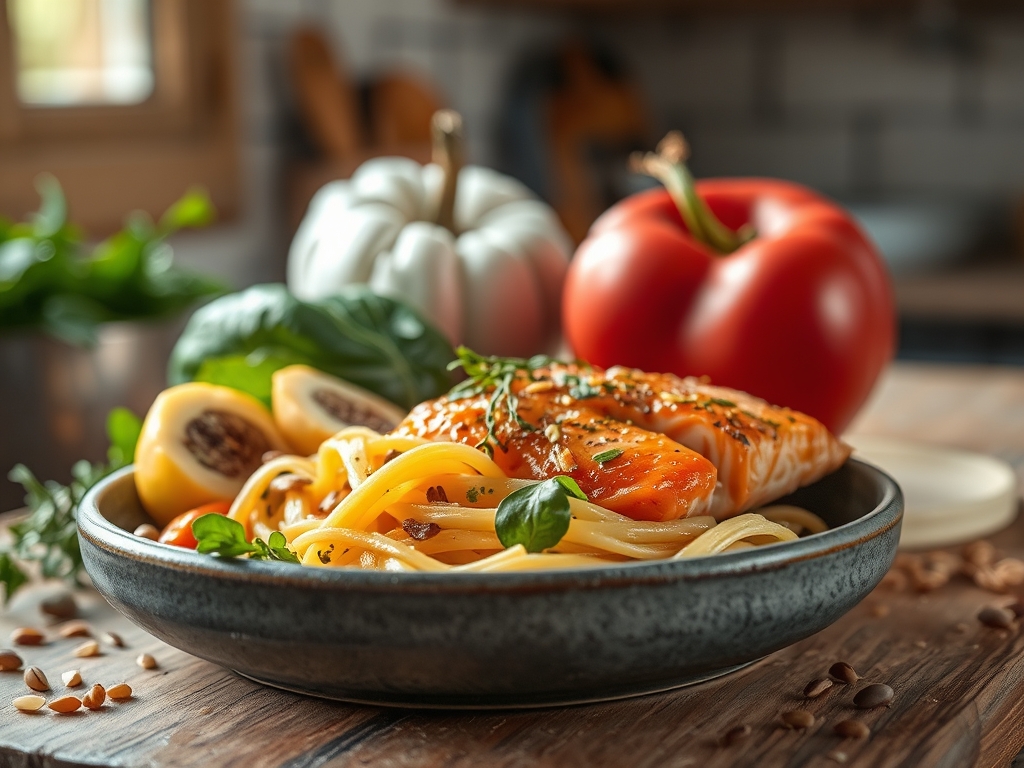
To achieve a five-star result, your mise-en-place must be precise. Start with high-quality canned salmon; look for "traditional pack" if you want the added calcium from softened bones, or "skinless/boneless" for a cleaner aesthetic. Your pasta selection is equally vital. Choose bronze-cut noodles, which have a rougher surface area designed to grab onto viscous sauces. You will also need a high-smoke-point fat, like avocado oil or clarified butter, to prevent scorching during the initial aromatics sweat.
For the flavor profile, gather fresh lemons for acidity, garlic cloves for pungent depth, and a block of Parmigiano-Reggiano. Do not use the pre-grated stuff. You need the natural oils and proteins found in freshly microplaned cheese to ensure a smooth melt. Smart Substitutions: If you are out of heavy cream, use a dollop of Greek yogurt or a splash of starchy pasta water to create a lighter emulsion. If you lack fresh herbs, a pinch of dried dill or tarragon provides a concentrated floral note that pairs beautifully with the fatty acids in the fish.
The Clock
Efficiency in the kitchen is all about "Chef's Flow." This refers to the synchronization of tasks to minimize downtime. For these canned salmon recipes with pasta, your total prep time should hover around 10 minutes, with a cook time of approximately 12 to 15 minutes.
The flow begins with the water. A large pot of salted water takes time to reach a rolling boil; start this immediately. While the water heats, use your bench scraper to organize your chopped aromatics. The salmon requires minimal prep; simply drain it and flake it gently with a fork. The goal is to finish your sauce in the exact window it takes for the pasta to reach its al dente state. This ensures that the noodles are still porous when they hit the pan, allowing them to absorb the sauce rather than just sitting on top of it.

The Masterclass
1. The Aromatics Infusion
Begin by heating your skillet over medium heat. Add your fat and then your minced garlic and shallots. You are looking for a gentle sizzle, not a sear.
Pro Tip: This stage utilizes infusion. By heating aromatics in fat, you are extracting fat-soluble flavor compounds that water-based liquids cannot reach. This creates a deep base of flavor that carries through the entire dish.
2. The Salmon Sear
Add your flaked salmon to the skillet. Let it sit undisturbed for 60 seconds to develop a slight crust before tossing.
Pro Tip: This triggers the Maillard reaction. Even though the salmon is pre-cooked, a quick sear creates new flavor molecules and a textural contrast between the tender interior and the crisp exterior.
3. Deglazing the Pan
Pour in a splash of dry white wine or lemon juice. Use a wooden spoon to scrape up any browned bits from the bottom of the pan.
Pro Tip: This is deglazing. The acidity in the liquid dissolves the "fond" (the stuck-on protein bits), incorporating concentrated savory flavor back into your sauce.
4. The Starch Water Addition
Before draining your pasta, use a heat-proof measuring cup to snag a half-cup of the cloudy cooking water. Add this directly to your salmon mixture.
Pro Tip: This water is loaded with gelatinized starch. It acts as a natural thickener and bridge, helping the fat and liquid components of your sauce form a stable, creamy emulsion.
5. The Final Emulsion
Add your pasta directly to the skillet using tongs. Toss vigorously with a handful of grated cheese and fresh herbs until every strand is coated.
Pro Tip: This is the mantecatura phase. The vigorous tossing aerates the sauce and encourages the starch and fats to bind, resulting in a glossy finish that won't separate on the plate.
The Deep Dive
From a nutritional standpoint, canned salmon is a powerhouse. It is rich in Omega-3 fatty acids, which are essential for brain health and reducing inflammation. A single serving provides roughly 20 grams of protein, making this a high-satiety meal.
Dietary Swaps: For a Keto version, swap the traditional pasta for zoodles or shirataki noodles. For Vegan diners, you can replicate the salmon texture with marinated hearts of palm, though you will lose the specific fish oils. Gluten-Free enthusiasts should opt for chickpea or brown rice pasta; just be mindful that these release more starch, so you may need less pasta water for your emulsion.
The Fix-It:
- The Sauce is Broken: If you see oil separating, add a tablespoon of hot pasta water and whisk violently to re-emulsify.
- The Salmon is Fishy: A splash of acid (lemon or vinegar) neutralizes the trimethylamine, the compound responsible for that "tinny" scent.
- The Pasta is Mushy: Always pull your pasta 2 minutes before the package directions. It will finish cooking in the sauce via thermal carryover.
Meal Prep: To reheat, avoid the microwave if possible. Use a small saucier with a splash of milk or water over medium-low heat. This restores the moisture to the starch molecules, preventing the pasta from becoming a dry brick.
The Wrap-Up
Mastering canned salmon recipes with pasta is like having a culinary "get out of jail free" card. It is the ultimate intersection of pantry-raid practicality and sophisticated flavor profiling. By understanding the science of starch emulsions and the power of deglazing, you turn a shelf-stable protein into a masterpiece. So, the next time you are staring at a blank fridge, grab that tin, boil some water, and get ready to impress yourself. Your kitchen is now a laboratory of deliciousness.
The Kitchen Table
Can I use the liquid from the salmon can?
Yes, but use it sparingly. The liquid contains intense flavor and nutrients; however, it is also very salty. Use a tablespoon to boost the "sea" flavor in your sauce while adjusting your added salt accordingly.
Why does my salmon break apart too much?
Salmon flakes easily due to its delicate muscle structure. To keep larger, meaty chunks, add the salmon at the very end of the cooking process and fold it in gently using a silicone spatula or tongs.
What is the best pasta shape for salmon?
Short, tubular shapes like penne or rigatoni are excellent for trapping chunks of fish. If you prefer long noodles, fettuccine or linguine provide a wide surface area that helps the silky, emulsified sauce cling to every bite.
How do I remove the bones from canned salmon?
Traditional canned salmon includes soft, pressure-cooked bones that are completely edible and high in calcium. If you prefer to remove them, simply split the salmon chunks down the middle and lift out the central spine with a fork.