
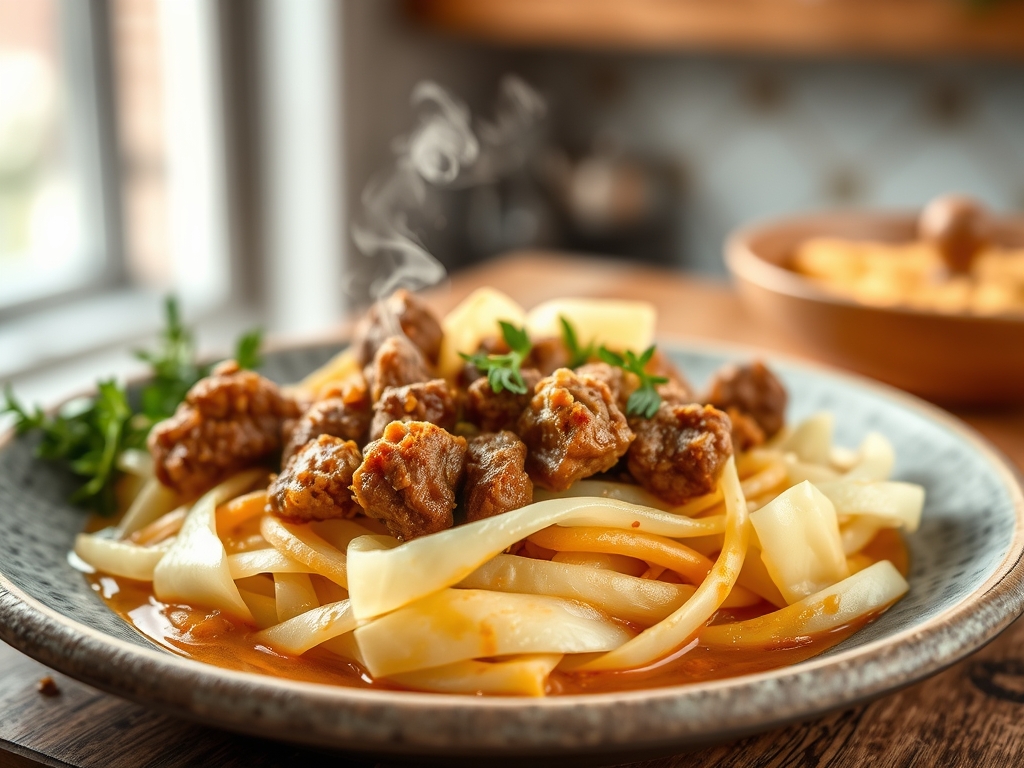
Imagine the scent of caramelized onions mingling with the deep, savory perfume of browning meat as it fills your kitchen on a rainy Tuesday. There is a specific kind of magic found in cabbage soup with ground beef recipes that bridges the gap between humble pantry staples and high-end culinary satisfaction. It is the ultimate comfort in a bowl.
The beauty of this dish lies in its chemical simplicity. You are taking fibrous, sulfur-rich greens and fatty, protein-dense beef, then marrying them through a slow, liquid-based extraction. It is not just a meal; it is a lesson in how heat transforms texture. Whether you are looking for a classic stuffed-cabbage deconstruction or a spicy, ginger-infused broth, these recipes provide a canvas for serious flavor development. We are going to move past the idea of bland "diet" soups and dive into the mechanics of building a rich, viscous broth that coats the back of your spoon and warms your soul.
The Gathers:
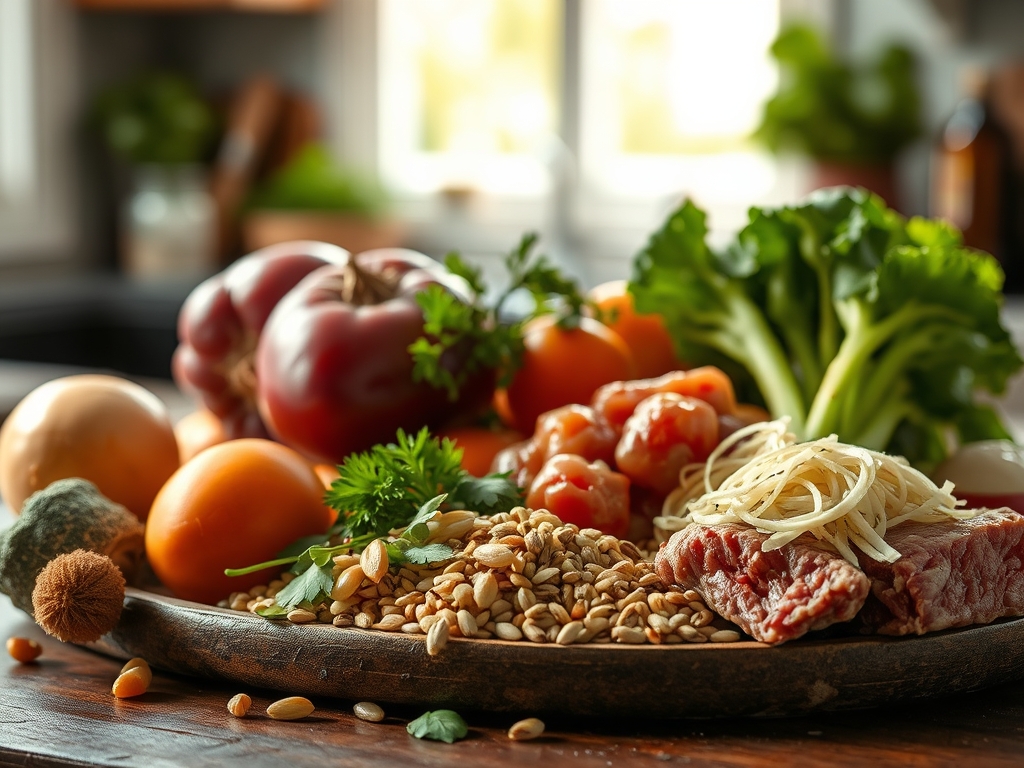
To execute these cabbage soup with ground beef recipes with precision, your mise-en-place must be impeccable. Start with the beef. Look for an 80/20 blend; the 20 percent fat content is vital for the emulsification of the broth. For the cabbage, a heavy head of Green or Savoy is best. Savoy has crinkled leaves that create more surface area for the broth to cling to.
Your aromatics are the backbone here. You will need yellow onions, which have a high sugar content for better caramelization, and carrots for a touch of earthy sweetness. Use a microplane to grate your garlic and ginger; this breaks the cell walls more effectively than chopping, releasing a more intense punch of flavor.
Smart Substitutions:
If you want to lighten the profile, ground turkey or bison works beautifully, though you may need to add a teaspoon of avocado oil to compensate for the lower fat yield. For a nightshade-free version, swap the tomato base for a rich bone broth infused with a splash of apple cider vinegar to provide that necessary acidic brightness. If you are out of fresh cabbage, bok choy offers a similar crunch with a more piquant, peppery finish.
The Clock
Efficiency in the kitchen is about "Chef's Flow." This is the art of overlapping tasks so that your heavy-bottomed skillet is never empty. Expect about 20 minutes of active prep time, primarily focused on the knife work. Using a sharp chef's knife or a bench scraper to move your chopped vegetables will shave minutes off your clock.
The total cook time generally hovers around 45 to 55 minutes. The first 10 minutes are dedicated to the Maillard reaction (browning the meat and aromatics). The remaining 35 minutes are for the "low and slow" simmer. This is the crucial window where the collagen in the beef begins to break down into gelatin, giving your soup that silky, professional mouthfeel.
The Masterclass
1. Rendering and Browning
Begin by heating your pot over medium-high heat. Add the ground beef, breaking it apart with a stiff spatula. Do not crowd the pan; you want to render the fat and achieve a deep brown crust on the meat.
Pro Tip: This is enzymatic browning. If you stir the meat too constantly, you drop the surface temperature and the meat will steam in its own juices rather than sear. Let it sit undisturbed for three minutes to develop those complex flavor compounds.
2. The Aromatic Foundation
Once the meat is browned, remove it but leave the fat. Toss in your onions, carrots, and celery. Use a wooden spoon to deglaze the bottom of the pot, scraping up the "fond" (the brown bits) which contains the highest concentration of flavor.
Pro Tip: Adding a pinch of salt now draws out moisture through osmosis. This allows the vegetables to soften and release their natural sugars without burning.
3. The Cabbage Integration
Add your shredded cabbage in batches. It will look like too much at first, but it will lose nearly 60 percent of its volume as it wilts. Stir it frequently to ensure every ribbon is coated in the seasoned fats.
Pro Tip: Cabbage contains sulfur compounds that can become pungent if overcooked. By sautéing them briefly before adding liquid, you volatilize some of these compounds, resulting in a sweeter, milder flavor.
4. Liquid Infusion
Pour in your beef stock and crushed tomatoes. Use a saucier or a deep ladle to incorporate the liquids. Bring the mixture to a gentle boil, then immediately drop it to a whisper of a simmer.
Pro Tip: A violent boil will cause the proteins in the beef to toughen and the fats to separate. A gentle simmer ensures a stable emulsion, keeping the broth clear and the meat tender.
5. The Acid Balance
In the final five minutes, stir in a tablespoon of red wine vinegar or lemon juice. This is the secret step that separates home cooks from professionals.
Pro Tip: The acid acts as a flavor "brightener." It cuts through the heaviness of the beef fat and balances the pH of the soup, making the other seasonings pop on your palate.
6. The Rest Phase
Turn off the heat and let the soup sit for at least ten minutes before serving. This allows the temperature to stabilize across the entire pot.
Pro Tip: This utilizes thermal carryover. The residual heat continues to soften the core of the cabbage without turning the outer edges to mush, ensuring the perfect "al dente" bite.
The Deep Dive
From a macro perspective, cabbage soup with ground beef recipes are a powerhouse. They are naturally high in Vitamin C, Vitamin K, and lean protein. A standard serving offers a balanced ratio of fiber to fats, making it exceptionally satiating.
Dietary Swaps:
- Keto: Omit any beans or potatoes and increase the beef-to-cabbage ratio.
- Vegan: Replace beef with "meat crumbles" made from walnuts and mushrooms, and use a high-quality vegetable umami broth.
- Gluten-Free: This dish is naturally GF, but always double-check your beef stock labels for hidden malt or thickeners.
The Fix-It:
- Too Greasy? If your broth has a thick layer of oil on top, use a chilled metal spoon to skim the surface. The fat will cling to the cold metal.
- Too Bland? You likely need more salt or acid. Add a splash of Worcestershire sauce; its fermented anchovy base provides an instant umami boost.
- Cabbage is Mushy? You likely simmered it too long. Next time, add the cabbage in two stages: half at the beginning for flavor, and half ten minutes before finishing for texture.
Meal Prep Science:
This soup actually tastes better on day two. As it cools, the aromatics continue to infuse the liquid through molecular diffusion. When reheating, do so on the stove over medium heat. Avoid the microwave if possible, as it can cause uneven heating and "pop" the cell walls of the vegetables, making them soggy.
The Wrap-Up
Mastering cabbage soup with ground beef recipes is like learning a secret handshake in the culinary world. It proves that you understand how to take the most basic, affordable ingredients and elevate them through technical precision. You are not just boiling vegetables; you are managing heat, acidity, and fat to create a masterpiece. So, grab your favorite heavy-bottomed pot, sharpen your knife, and get ready to serve a bowl of warmth that feels like a hug for your brain.
The Kitchen Table
How do I keep the cabbage from getting soggy?
Add the cabbage during the last 15 to 20 minutes of simmering. This ensures it cooks through while maintaining a slight structural integrity. Avoid over-boiling, as high heat breaks down the pectin in the cabbage cell walls too quickly.
Can I freeze cabbage soup with ground beef?
Yes, it freezes beautifully for up to three months. Ensure the soup is completely cool before transferring to airtight containers. Leave an inch of "headspace" at the top, as the liquid will expand when it turns to ice.
What is the best beef for this soup?
An 80/20 or 85/15 ground chuck is ideal. The fat provides essential flavor and mouthfeel. If you use extra-lean beef, the soup may feel "thin." You can compensate by adding a tablespoon of butter or olive oil.
Why does my soup taste bitter?
Bitterness usually comes from scorched garlic or overcooked cabbage. To fix this, add a tiny pinch of sugar or a splash of cream. The fats and sugars will neutralize the bitter receptors on your tongue instantly.