
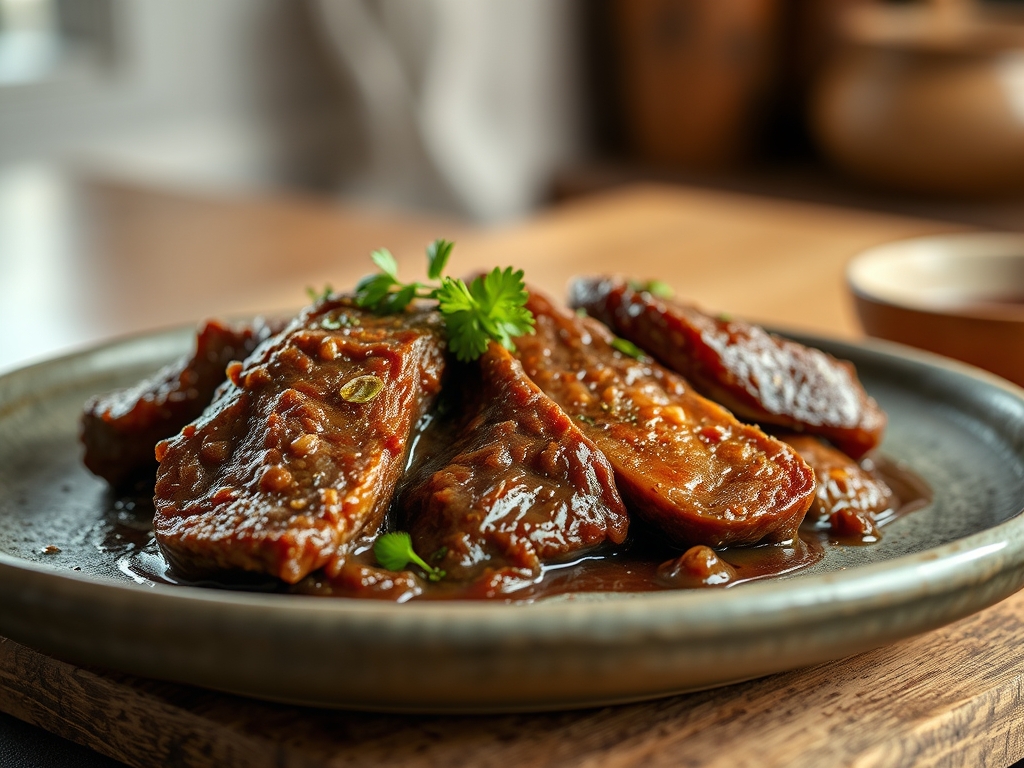
Imagine the scent of caramelized onions and heavy aromatics drifting through your home on a rainy Tuesday afternoon. There is a specific kind of magic that happens when tough collagen transforms into silk. Finding the best slow cooked beef recipes is not just about dinner; it is about mastering the alchemy of low and slow heat to create something legendary.
We are diving deep into the mechanics of the braise. From the velvet texture of a classic French Daube to the piquant kick of a Barbacoa, these dishes rely on the patient breakdown of connective tissue. When you commit to the process, you are rewarded with meat that yields to the mere suggestion of a fork. Forget the watery stews of the past. We are aiming for viscous, glossy sauces and beef that has been infused with layers of complex flavor. Grab your favorite heavy bottomed skillet and let us get to work.
The Gathers:
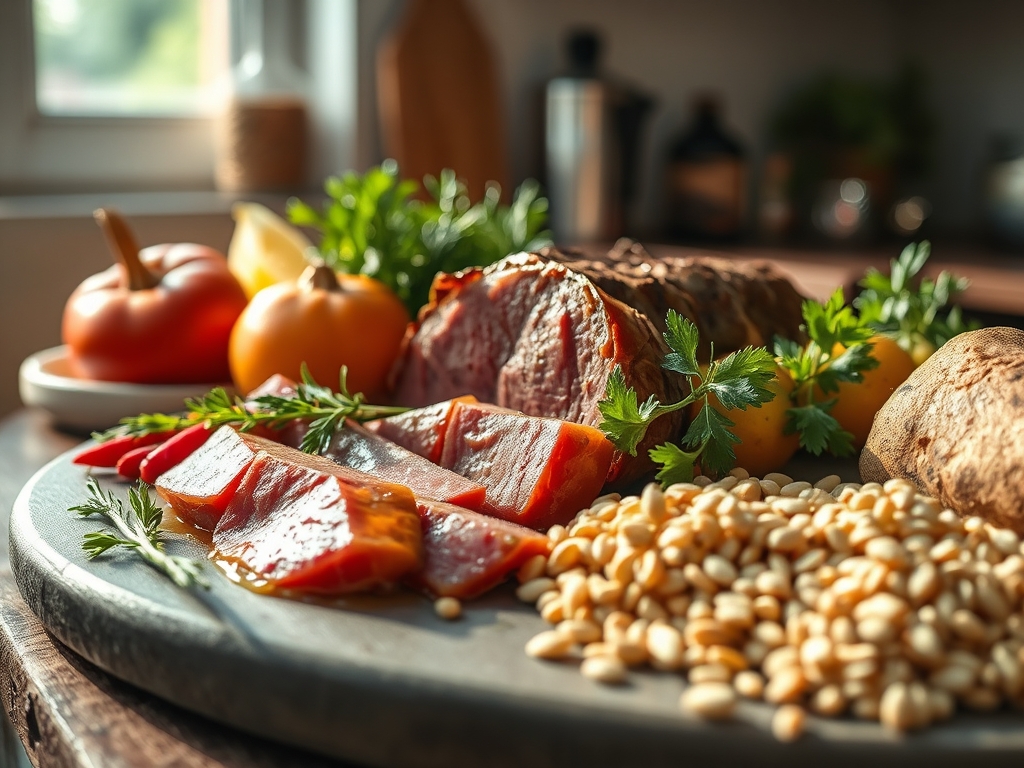
Before we ignite the flame, your mise-en-place must be precise. The foundation of the best slow cooked beef recipes starts with the cut. You want high-collagen options like chuck roast, brisket, or short ribs. Look for deep marbling; those white flecks of intramuscular fat will render down, self-basting the meat from the inside out.
Your aromatics are the backbone. We are talking about a classic mirepoix (onions, carrots, and celery) but elevated. Use a microplane to zest fresh garlic and ginger for an immediate aromatic punch. You will also need high-quality beef stock, a dry red wine like Cabernet Sauvignon for acidity, and tomato paste to provide umami depth.
Smart Substitutions:
If you are out of red wine, a splash of balsamic vinegar or pomegranate juice offers the necessary acidity to cut through the richness. Swap yellow onions for shallots if you desire a more delicate, garlicky profile. For those avoiding nightshades, replace tomato paste with a reduction of pureed roasted beets and a teaspoon of miso paste to mimic that earthy, savory "umami" hit.
The Clock:
The "Chef's Flow" is all about front-loading the effort. Expect to spend 30 to 45 minutes on active preparation. This includes searing the meat, sautéing the aromatics, and deglazing the pan. Once the lid is on, the "passive phase" takes over.
Most of these recipes require 6 to 8 hours on low heat or 4 to 5 hours on high. However, the secret to the best slow cooked beef recipes is the rest. Budget an additional 20 minutes at the end for the meat to relax. This allows the fibers to reabsorb the stray juices, ensuring every bite is succulent rather than dry and stringy.
The Masterclass:
1. The Sear and the Maillard Reaction
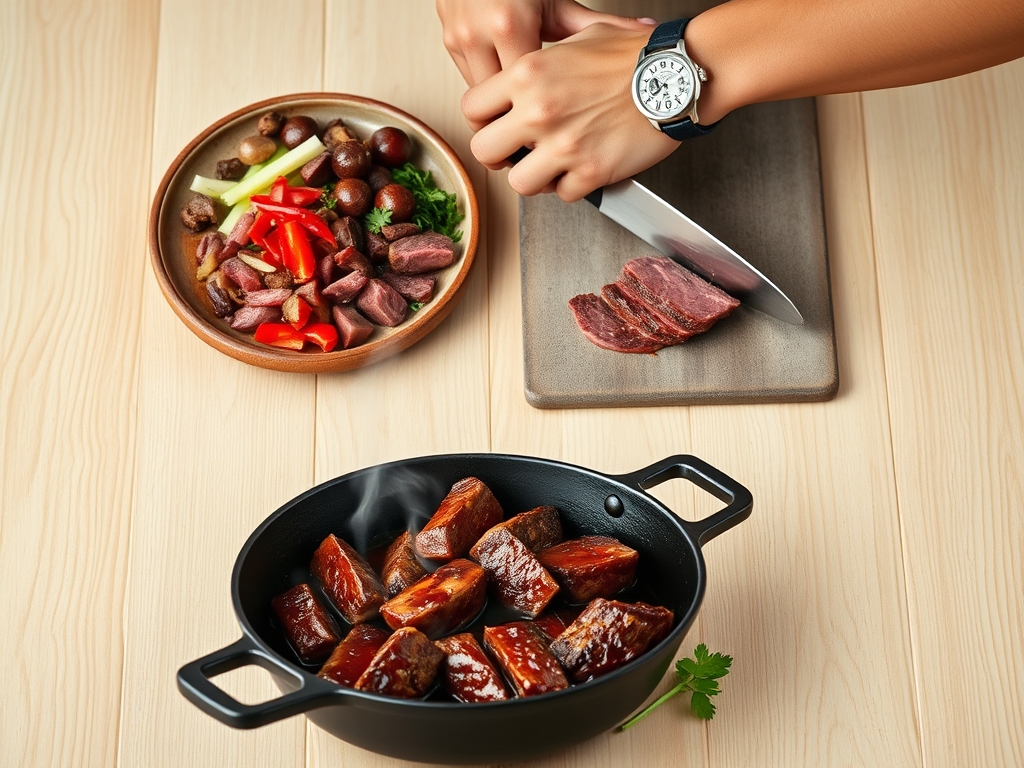
Pat your beef bone-dry with paper towels and season aggressively with kosher salt. Heat a heavy-bottomed skillet with high-smoke-point oil until it shimmers. Use tongs to press the meat into the pan, searing until a deep brown crust forms.
Pro Tip: This is the Maillard reaction. It is a chemical reaction between amino acids and reducing sugars that creates hundreds of different flavor compounds. If the pan is crowded, the meat will steam instead of sear, losing that vital savory crust.
2. Deglazing the Fond
After removing the meat, you will see brown bits stuck to the bottom of the pan. This is "fond." Pour in your liquid (wine or stock) and use a wooden spoon to scrape these bits loose.
Pro Tip: Deglazing captures concentrated flavor that would otherwise be lost. The alcohol in wine also acts as a solvent, pulling out flavor molecules that are not water-soluble, creating a more complex sauce.
3. Building the Aromatics
Add your vegetables to the pan. Sauté until the onions are translucent and the carrots have softened slightly. Add your tomato paste now, stirring until it turns a dark rust color.
Pro Tip: Browning your tomato paste is called "pince." It removes the raw metallic taste and caramelizes the natural sugars, adding a toasted, sweet dimension to the base of your stew.
4. The Low and Slow Braise
Transfer everything to your slow cooker or Dutch oven. Ensure the liquid covers at least two-thirds of the meat. Set your temperature and walk away.
Pro Tip: Maintaining a temperature between 190 and 200 degrees Fahrenheit is the "sweet spot." This is where collagen thermally denatures into gelatin without boiling the moisture out of the muscle fibers.
5. The Final Emulsification
Once the meat is tender, remove it. If the sauce is too thin, whisk in a knob of cold butter or a cornstarch slurry into a saucier over medium heat until the liquid becomes viscous and coats the back of a spoon.
Pro Tip: This is called "mounting with butter" or monter au beurre. The fats encapsulate the liquid molecules, creating a silky mouthfeel and a glossy sheen that defines professional-grade sauces.
The Deep Dive:
Macro Nutrition:
Slow-cooked beef is a protein powerhouse, typically offering 25-30g of protein per 4-ounce serving. While higher in fat than grilled chicken, the rendering process allows you to skim excess fat from the surface, keeping the dish heart-healthy and rich in iron and B12.
Dietary Swaps:
- Keto: Replace root vegetables with radishes or cauliflower florets. Use xanthan gum instead of flour for thickening.
- Vegan: Use "meaty" king oyster mushrooms or seitan chunks. Substitute beef stock with a dark mushroom dashi.
- GF: Ensure your beef stock is certified gluten-free and use arrowroot powder for thickening.
The Fix-It:
- Tough Meat: If it is still chewy, it simply hasn't cooked long enough. Give it another hour; the collagen hasn't fully converted to gelatin yet.
- Greasy Sauce: Use a bread slice to blot the surface or chill the liquid so the fat hardens for easy removal.
- Bland Flavor: Add a "brightener" at the end. A teaspoon of lemon juice or apple cider vinegar will wake up the heavy flavors.
Meal Prep & Reheating:
Slow-cooked beef actually tastes better on day two because the aromatic compounds continue to "infuse" the meat. To reheat, avoid the microwave, which can make beef rubbery. Instead, use a small pot over low heat with a splash of water to maintain the moisture levels and keep the sauce from breaking.
The Wrap-Up:
Mastering the best slow cooked beef recipes is a rite of passage for any home cook. It is a lesson in patience, chemistry, and sensory intuition. By understanding the transition from collagen to gelatin and the importance of the Maillard reaction, you have moved beyond following a recipe to understanding the "why" behind the flavor. Now, go forth, sear with confidence, and let your kitchen become the heart of the home.
The Kitchen Table:
Why is my slow cooked beef still tough?
Beef stays tough if the collagen hasn't had enough time to break down into gelatin. This usually happens if the temperature was too low or the cook time was too short. Give it more time; it will eventually yield.
Do I really need to sear the meat first?
Yes. Searing creates the Maillard reaction, which develops deep, complex flavors that boiling or steaming cannot replicate. It is the difference between a flat, gray stew and a rich, professional-grade masterpiece.
Can I overcook beef in a slow cooker?
While difficult, it is possible. Eventually, the muscle fibers will lose all their internal moisture and become "mushy" or "stringy." Stick to the recommended 6 to 8-hour window on the low setting for the best results.
How do I thicken the sauce without flour?
You can use a cornstarch slurry, or for a keto-friendly option, blend a portion of the cooked vegetables back into the sauce. This adds body and "viscous" texture without adding grains or extra carbohydrates.