
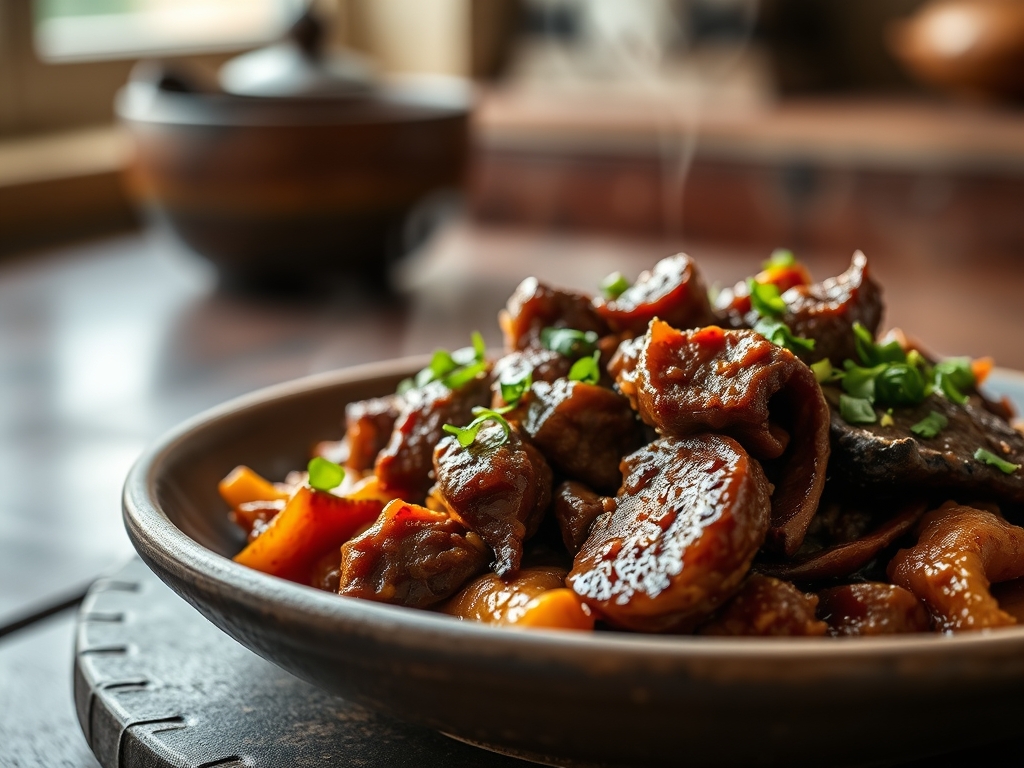
Close your eyes and listen for that signature sound. It is not just a sizzle; it is a violent, rhythmic crackle that signals the birth of a masterpiece. We are hunting for the perfect balance of salt, sugar, and heat. When exploring authentic mongolian beef recipes, most people settle for a soggy, syrupy mess that tastes more like candy than cuisine. We are going deeper. We are talking about that specific, glass-like exterior on the beef and a sauce so glossy you can see your reflection in it. This is not just dinner; it is a lesson in high-heat physics and the art of the velvet.
Authentic mongolian beef recipes rely on a delicate dance between the protein and the pan. To get that restaurant-quality finish, you have to master the Maillard reaction while managing the moisture content of your aromatics. It is about the contrast between the sharp, piquant bite of fresh ginger and the deep, earthy sweetness of dark brown sugar. Grab your heavy-bottomed skillet and clear your counter. We are about to transform a humble flank steak into a dish that vibrates with flavor and texture.
The Gathers:
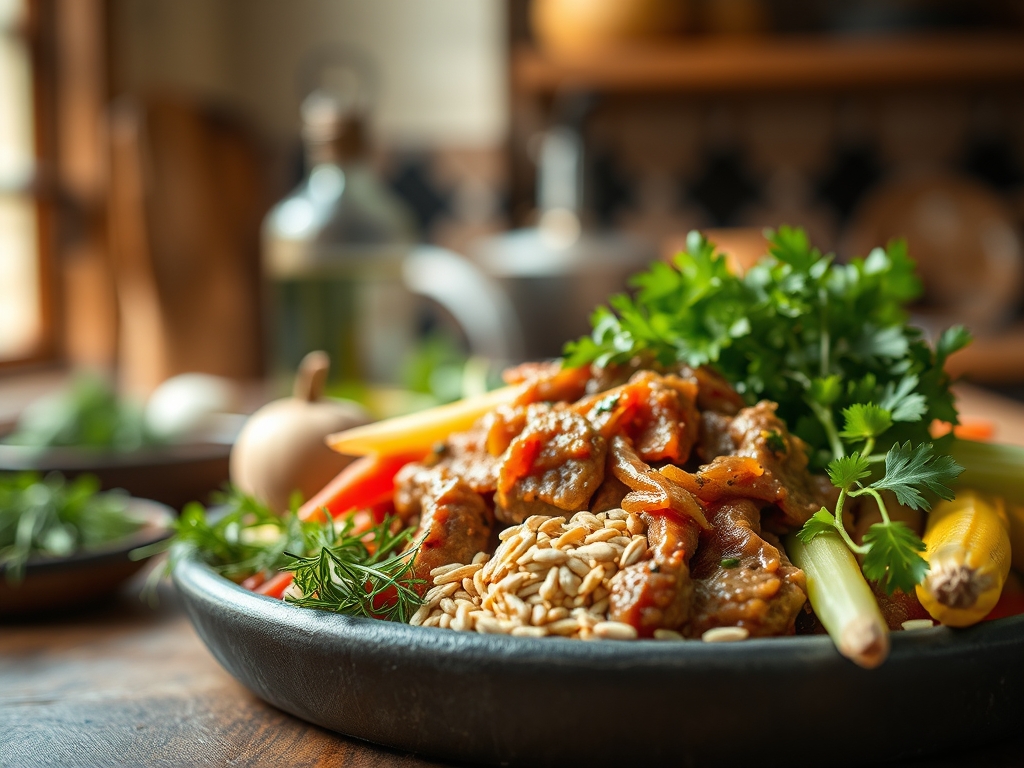
Before the flame touches the steel, your mise-en-place must be flawless. Use a digital scale to ensure your ratios are exact; in stir-fry, a five-gram deviation in cornstarch can be the difference between a silk veil and a gelatinous sludge.
The Protein: One pound of flank steak. Look for deep red coloration and tight muscle fibers. You will be slicing this against the grain to ensure the collagen fibers are short and easy to masticate.
The Aromatics: Fresh ginger and garlic are non-negotiable. Use a microplane to grate the ginger into a fine paste; this increases the surface area and allows the oils to infuse the oil almost instantly. For the garlic, use a bench scraper to crush the cloves before mincing to release the allicin.
The Liquid Gold: Low-sodium soy sauce provides the savory backbone without over-salting the dish. You will also need dark brown sugar for its molasses content, which aids in the viscous reduction of the sauce.
The Binding Agent: Cornstarch is our secret weapon for "velveting" the meat. It creates a protective barrier that prevents the beef from drying out under extreme heat.
Smart Substitutions: If you are dodging soy, coconut aminos offer a similar profile but are naturally sweeter, so reduce your added sugar by half. For the beef, a flat iron steak is a brilliant alternative if flank is unavailable; it has excellent marbling and stays tender during the rapid sear.
The Clock
Efficiency is the soul of the stir-fry. Total preparation takes roughly 20 minutes, while the actual cooking time is a lightning-fast 6 to 8 minutes. This is what we call the Chef's Flow. You spend the majority of your time prepping because once the oil hits its smoke point, there is no time to chop. You must have your sauce whisked in a saucier and your beef dusted and ready. The goal is to move from the raw state to the finished plate before the residual heat can overcook the center of the meat.
The Masterclass
1. The Precision Slice
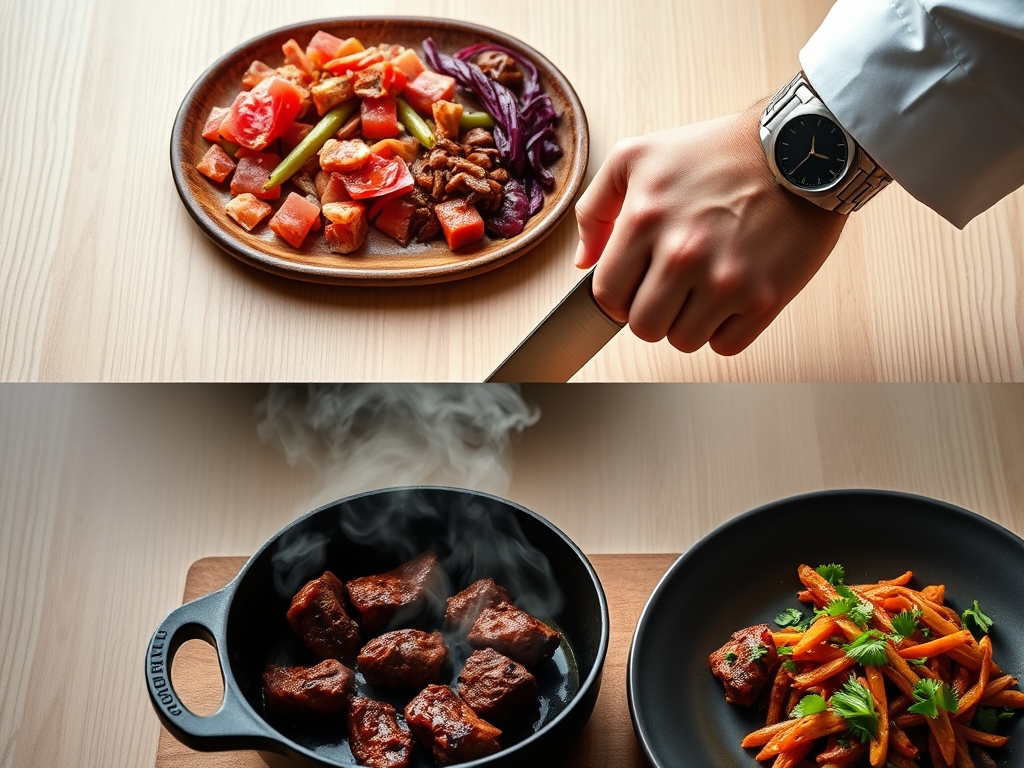
Using a very sharp chef's knife, slice the beef into 1/4-inch thick strips against the grain. If the meat is too slippery, pop it in the freezer for 15 minutes to firm up the lipids.
Pro Tip: Slicing against the grain creates a shorter protein strand. This is a mechanical tenderization process that ensures the beef is "melt-in-your-mouth" rather than rubbery.
2. The Velvet Coat
Toss the beef in a bowl with cornstarch until every millimeter is coated. Let it sit for five minutes until the starch looks "wet."
Pro Tip: This creates a starch-based insulation. When it hits the oil, the starch gelatinizes instantly, trapping the juices inside the meat while creating a crisp outer shell.
3. The High-Heat Sear
Heat two tablespoons of neutral oil in your skillet until it begins to shimmer and reach its smoke point. Add the beef in a single layer. Do not crowd the pan.
Pro Tip: Overcrowding drops the pan temperature, causing the meat to steam in its own juices rather than sear. You want a rapid thermal transfer to achieve enzymatic browning.
4. The Aromatic Infusion
Remove the beef and set it aside. Add a touch more oil and toss in your ginger and garlic. Stir constantly for 30 seconds until fragrant but not brown.
Pro Tip: Garlic contains sugars that burn quickly. By adding them after the meat, you protect these delicate aromatics from the intense heat needed for the initial sear.
5. The Sauce Reduction
Pour in your soy sauce, water, and brown sugar. Bring to a boil and let it bubble until it begins to thicken into a glossy glaze.
Pro Tip: This is the process of evaporative concentration. As water escapes as steam, the sugar and soy solids become more concentrated and viscous.
6. The Final Marriage
Add the beef back into the skillet along with a handful of two-inch scallion batons. Toss vigorously with tongs for 60 seconds.
Pro Tip: The scallions should only wilt slightly. This maintains their structural integrity and provides a fresh, sulfurous contrast to the sweet sauce.
7. The Rest and Garnish
Transfer to a warm plate and sprinkle with toasted sesame seeds. Let it rest for two minutes before serving.
Pro Tip: Thermal carryover will continue to cook the interior of the beef for a few minutes. Resting allows the fibers to relax and reabsorb the sauce.
The Deep Dive
Macro Nutrition: A standard serving provides approximately 350 calories, 28g of protein, and 15g of fat. While the sugar content is higher than a grilled steak, the high protein density makes it a satiating meal.
Dietary Swaps:
- Vegan: Replace the beef with extra-firm tofu that has been pressed for two hours. Use the same starch-coating technique for a crispy exterior.
- Keto: Swap the brown sugar for a monk fruit erythritol blend and use xanthan gum (just a pinch!) instead of cornstarch.
- Gluten-Free: Use Tamari in place of soy sauce and ensure your cornstarch is certified GF.
The Fix-It:
- The Sauce is Too Thick: Whisk in a tablespoon of warm water or beef stock to thin the consistency without losing flavor.
- The Beef is Tough: You likely sliced with the grain or overcooked it. Next time, pull the meat when it is still slightly pink; the sauce reduction will finish it.
- The Flavor is Flat: Add a teaspoon of toasted sesame oil or a splash of rice vinegar at the very end to brighten the acidity.
Meal Prep: To reheat, avoid the microwave if possible. A quick toss in a hot skillet with a teaspoon of water will re-emulsify the sauce and restore the beef's texture. Microwaves tend to vibrate water molecules so fast they toughen the protein.
The Wrap-Up
Mastering authentic mongolian beef recipes is a rite of passage for any home cook looking to level up their stir-fry game. It is a dish that demands respect for temperature and timing, but rewards you with a symphony of textures. When you see that dark, mahogany glaze clinging perfectly to the crisp edges of the beef, you will know you have nailed the science. Now, get that skillet screaming hot and show that steak who is boss!
The Kitchen Table
What is the best cut of meat for Mongolian beef?
Flank steak is the gold standard due to its lean profile and long muscle fibers. When sliced against the grain, it becomes incredibly tender while maintaining enough structure to withstand high-heat searing without falling apart.
Why is my Mongolian beef sauce so watery?
A watery sauce usually results from not allowing the brown sugar and soy mixture to reduce sufficiently before adding the meat back. Ensure the liquid reaches a vigorous boil and thickens into a syrup-like consistency first.
Can I make this recipe without cornstarch?
You can, but you will lose the signature "velvet" texture. Arrowroot powder or potato starch are excellent 1:1 substitutes that provide a similar crispy coating and help thicken the sauce through gelatinization.
How do I keep the garlic from burning?
Always add your aromatics like garlic and ginger after the initial beef sear. The pan is extremely hot; garlic only needs 30 seconds of contact with the oil to release its flavor before it risks turning bitter.
Is Mongolian beef actually from Mongolia?
Despite the name, this dish is a staple of Chinese-American cuisine and originated in Taiwan. The name refers to the "Mongolian Barbecue" style of cooking rather than the actual geographic region or traditional Mongolian nomadic diet.