
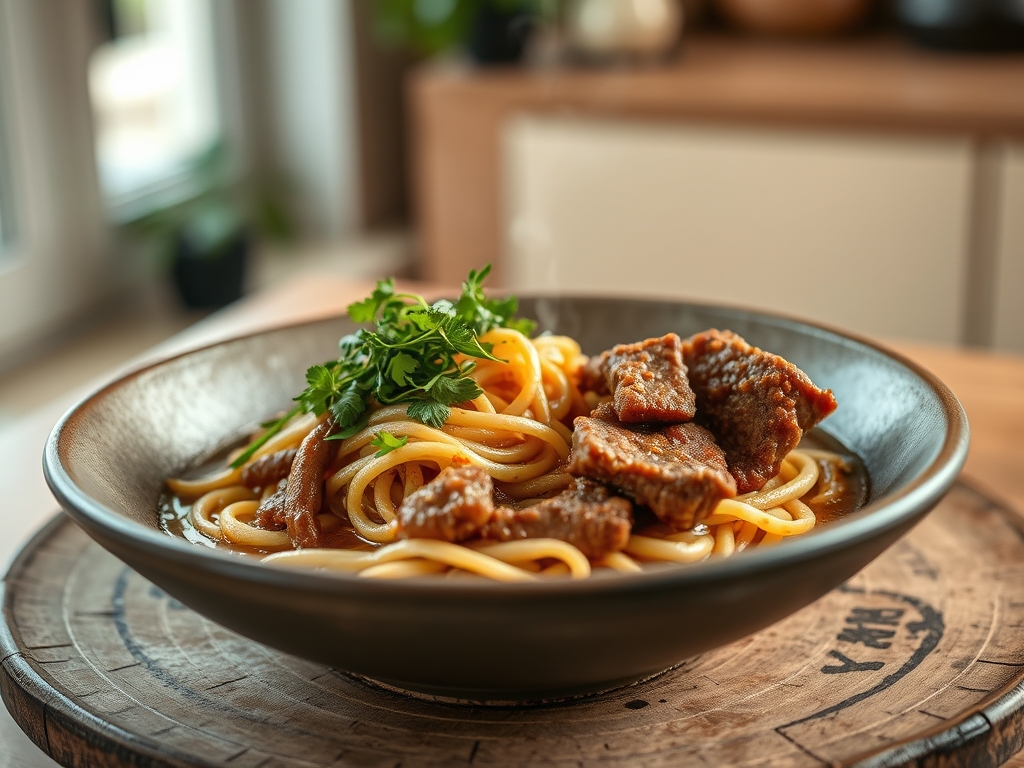
Picture this: it is 7:00 PM on a Tuesday, and your kitchen smells like a high-end Tokyo izakaya. You have bypassed the takeout app in favor of the ultimate pantry power couple. These ramen and ground beef recipes are the secret weapon of every savvy home cook who values both deep, complex flavor and a twenty-minute timeline. We are taking that humble brick of noodles and elevating it with the rich, savory depth of perfectly seared protein. It is salty, fatty, and deeply comforting.
This is not just about a quick fix; it is about understanding how two simple components can transform into a gourmet experience. When you combine the springy, alkaline snap of ramen with the Maillard-driven crust of ground beef, you create a texture profile that rivals five-star bistro fare. We are going to explore nine distinct ways to flip the script on your dinner routine, using everything from spicy Szechuan peppercorns to silky peanut butter emulsions. Grab your heavy-bottomed skillet and let us get to work.
The Gathers:
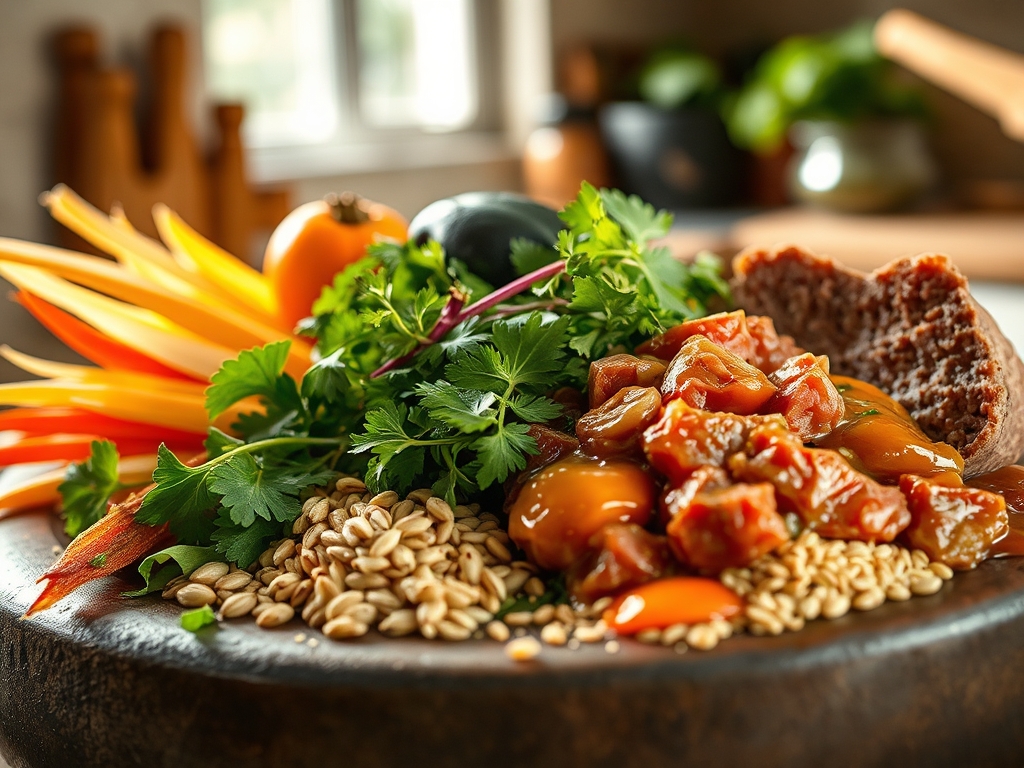
To execute these ramen and ground beef recipes with precision, your mise-en-place must be impeccable. We start with the beef. Aim for an 80/20 lean-to-fat ratio; the fat is essential for the emulsification of your sauce. For the noodles, standard instant packs work, but look for air-dried varieties if you want a more resilient, "toothy" bite.
You will need a few key aromatics: fresh ginger, garlic cloves, and scallions. Use a microplane to grate the ginger into a fine paste, ensuring it integrates into the sauce without leaving woody fibers. Your liquid gold consists of low-sodium soy sauce, toasted sesame oil, and a splash of rice vinegar for acidity. If you want to lean into the "smart substitution" game, swap the ground beef for ground wagyu for an ultra-rich mouthfeel, or use ground turkey spiked with a teaspoon of liquid smoke to mimic that savory beef profile. For a gluten-free pivot, brown rice ramen and liquid aminos are your best friends.
The Clock
The beauty of these ramen and ground beef recipes lies in the "Chef's Flow." This is the art of overlapping tasks to minimize downtime. Your total prep time should hover around 10 minutes, with a cook time of 15 minutes. The total "active" time is about 25 minutes.
Start by boiling your water; this is your longest lead time. While the water comes to temperature, focus on your aromatics. By the time the noodles hit the water, your beef should already be searing in the skillet. The goal is to have the noodles finish exactly as your beef has reached peak caramelization. This ensures the noodles are tossed into the sauce while they are still porous, allowing them to absorb the maximum amount of flavor through capillary action.
The Masterclass
1. The High-Heat Sear
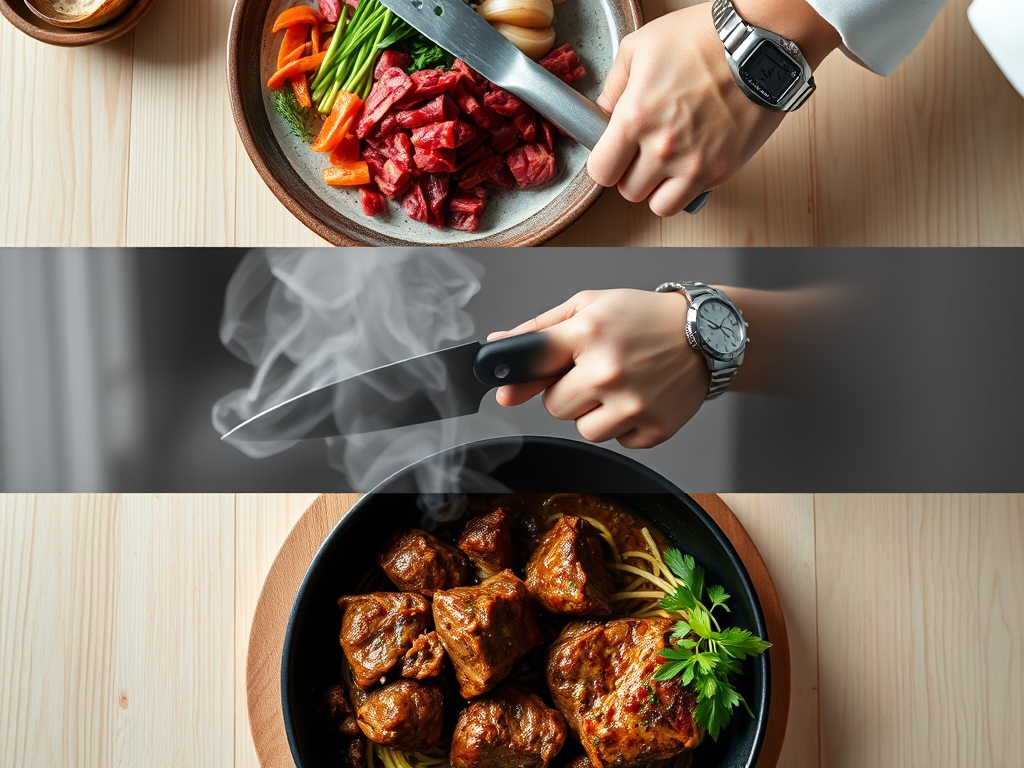
Place your heavy-bottomed skillet over medium-high heat until it just begins to wisp smoke. Add your beef in a single, flat layer. Do not touch it for at least three minutes. This allows the Maillard reaction to occur, creating a complex crust of amino acids and reducing sugars.
Pro Tip: This chemical reaction only happens at temperatures above 285 degrees Fahrenheit. Moving the meat too early drops the pan temperature and causes the beef to steam in its own juices rather than sear.
2. Deglazing the Fond
Once the beef is browned, move it to the perimeter of the pan. Use a wooden spoon or bench scraper to loosen the "fond," those brown bits stuck to the bottom. Pour in your liquid aromatics and a splash of mirin.
Pro Tip: Deglazing captures the concentrated flavor trapped in the pan. The alcohol in the mirin acts as a solvent, pulling out fat-soluble flavor compounds that water alone cannot reach.
3. The Alkaline Noodle Prep
Boil your ramen noodles for exactly one minute less than the package directions. Use tongs to transfer them directly from the water into the skillet.
Pro Tip: Ramen noodles are treated with kansui, an alkaline mineral water. This gives them their yellow hue and springy texture. Under-cooking them slightly allows them to finish cooking in the beef sauce, absorbing the savory liquid without becoming mushy.
4. Emulsifying the Sauce
Add a quarter cup of the starchy noodle water to your skillet. Stir vigorously with a saucier whisk or your tongs.
Pro Tip: The starch in the water acts as a stabilizer. When combined with the rendered beef fat and soy sauce, it creates a viscous emulsion that clings to every strand of noodle rather than pooling at the bottom of the bowl.
The Deep Dive
When we look at the macro nutrition, these ramen and ground beef recipes provide a balanced hit of protein and carbohydrates. A standard serving contains roughly 25 grams of protein and 40 grams of carbohydrates. To optimize this for a Keto lifestyle, simply swap the wheat noodles for shirataki noodles or spiralized zucchini. For a vegan twist, use plant-based crumbles and "beef" flavored bouillon made from yeast extract.
If you run into trouble, let us talk about "The Fix-It." If your sauce is too salty, add a squeeze of lime juice; the citric acid will mask the sodium perception. If the beef feels dry, you likely overcooked it. Next time, use a digital scale to ensure your portions are consistent, and pull the beef off the heat when it hits 160 degrees, allowing for thermal carryover to finish the job. For meal prep, store the noodles and beef separately. When reheating, add a tablespoon of water to the noodles before microwaving to rehydrate the starches and prevent them from becoming brittle.
The Wrap-Up
Mastering these ramen and ground beef recipes is like unlocking a cheat code for your kitchen. You have the science of the sear, the chemistry of the alkaline noodle, and the technical skill of the emulsion all working in harmony. Whether you are feeding a hungry family or just treating yourself to a sophisticated solo dinner, these techniques ensure every bite is a masterpiece of texture and taste. Now, go forth and conquer that pantry!
The Kitchen Table
Can I use frozen ground beef for these recipes?
Yes, but defrost it completely in the refrigerator first. Excess moisture from frozen meat prevents the Maillard reaction, leading to gray, steamed beef instead of a crispy, savory sear. Always pat the meat dry with paper towels before cooking.
What is the best way to spice up the beef?
Incorporate gochujang or chili crisp during the deglazing phase. These fermented pastes add a complex, piquant heat and deep umami that complements the fatty beef. Use a microplane to add fresh ginger for a bright, aromatic finish.
How do I prevent my ramen noodles from sticking?
Transfer the noodles directly from the boiling water to the skillet. The surface starch is still hydrated and will blend into the sauce. If you must wait, toss them with a teaspoon of toasted sesame oil to create a protective barrier.
Is it necessary to discard the ramen flavor packet?
Not necessarily, but you will have better control over sodium and flavor by building your own sauce. If you use it, cut the amount in half and supplement with fresh garlic, soy sauce, and a splash of rice vinegar for balance.