
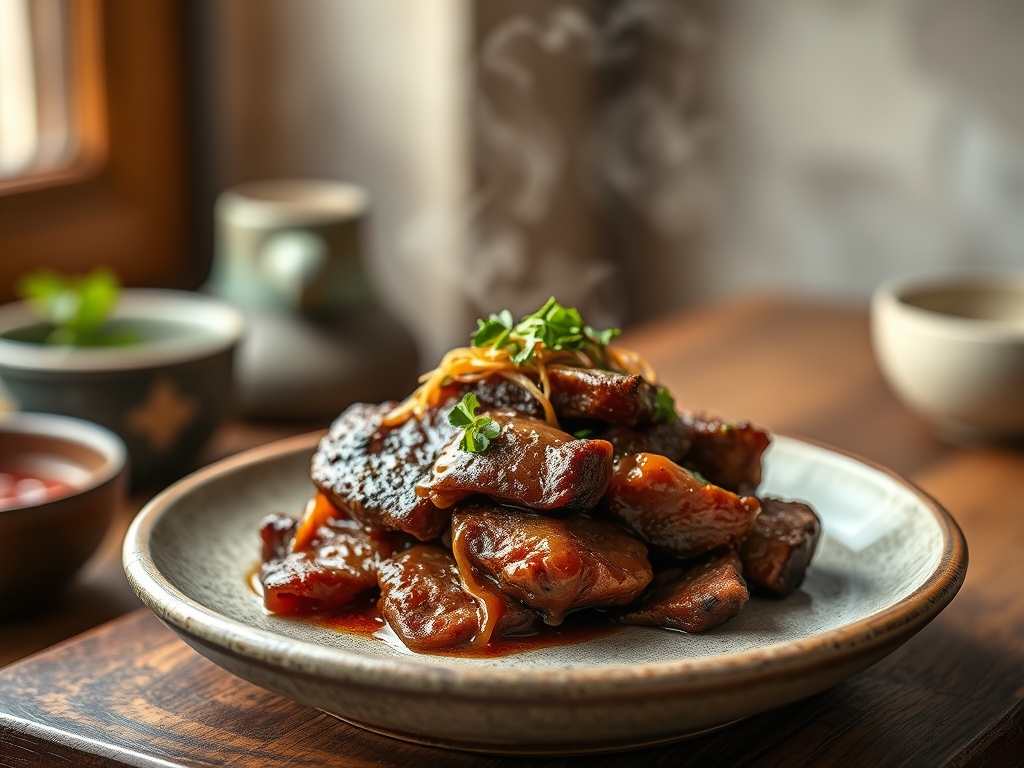
Close your eyes and listen for the distinct, rhythmic hiss of fat hitting a scorching cast iron surface. That sound is the beginning of a culinary transformation where marbled fat meets high heat to create the savory soul of Japanese home cooking. If you are searching for beef recipes japanese style, you are likely looking for that elusive balance of deep umami and delicate precision. Japanese beef culture is not just about the luxury of Wagyu; it is about the mastery of the Maillard reaction and the art of the simmer. We are moving beyond basic stir-fry into a world where soy sauce, mirin, and sake act as a trifecta of flavor, breaking down tough fibers and glazing every morsel in a shimmering, mahogany coat. Whether you are craving the comfort of a steaming bowl of Gyudon or the refined sear of a Tataki, the secret lies in the quality of your cuts and the temperature of your pan. Today, we are going to deconstruct seven iconic dishes that define the Japanese steakhouse experience, using professional techniques to ensure your kitchen smells like a high-end Tokyo eatery.
The Gathers:
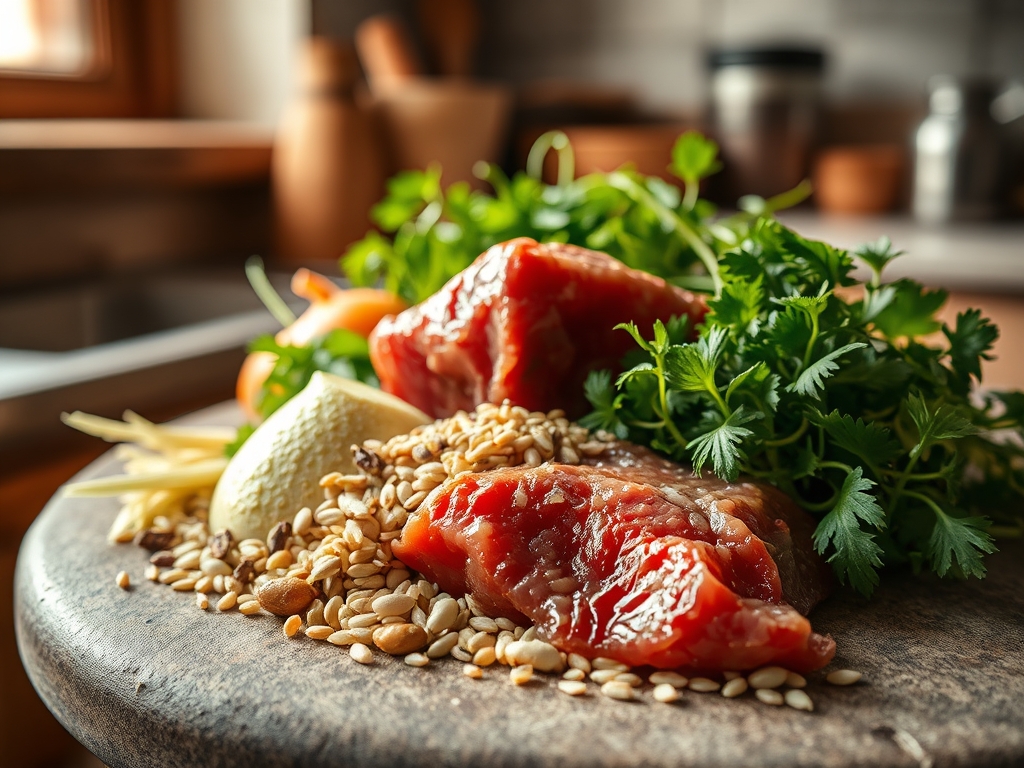
To execute these beef recipes japanese style, your mise-en-place must be meticulous. Start with high-quality protein; look for ribeye or sirloin with fine intramuscular fat, as this will render into a built-in sauce. You will need a digital scale to measure your liquids precisely, as Japanese cooking relies on specific ratios of salty to sweet. Your counter should feature a bottle of dark soy sauce for depth, mirin for that glossy sheen, and a dry sake to help denature the proteins and remove any "gamey" scents.
For the aromatics, have fresh ginger and garlic ready. Do not just chop them; use a microplane to create a fine paste that will integrate into the liquids without leaving chunky bits. If you cannot find traditional Shishito peppers for garnish, a deseeded green bell pepper or even charred scallions work as smart substitutions. For those avoiding refined sugar, a splash of apple juice or a bit of honey can provide the necessary sweetness to balance the piquant notes of the soy. Always keep a high-smoke-point oil, like grapeseed or avocado oil, in a saucier nearby; you want to avoid butter in the initial searing phase to prevent burning the milk solids before the beef is properly browned.
The Clock: Timing the Chef's Flow
Efficiency in the kitchen is about the "Chef's Flow," which means overlapping your tasks to minimize downtime. For these seven dishes, your active prep time will be approximately 30 minutes, with cooking times varying from a lightning-fast 5-minute sear to a 40-minute gentle simmer for stews like Nikujaga.
The secret to a smooth service is "cold-prepping." Slice your beef while it is still partially frozen; this allows you to achieve those paper-thin, professional ribbons required for Sukiyaki or Gyudon. While the beef rests, use your bench scraper to clear your board and transition to vegetable prep. Most of these recipes follow a 15-minute marination window, which is the perfect time to steam your rice or prepare your dashi stock. By the time your heavy-bottomed skillet is screaming hot, every component should be lined up and ready to go.
The Masterclass:
1. The Perfect Sear (Steak Teppanyaki)
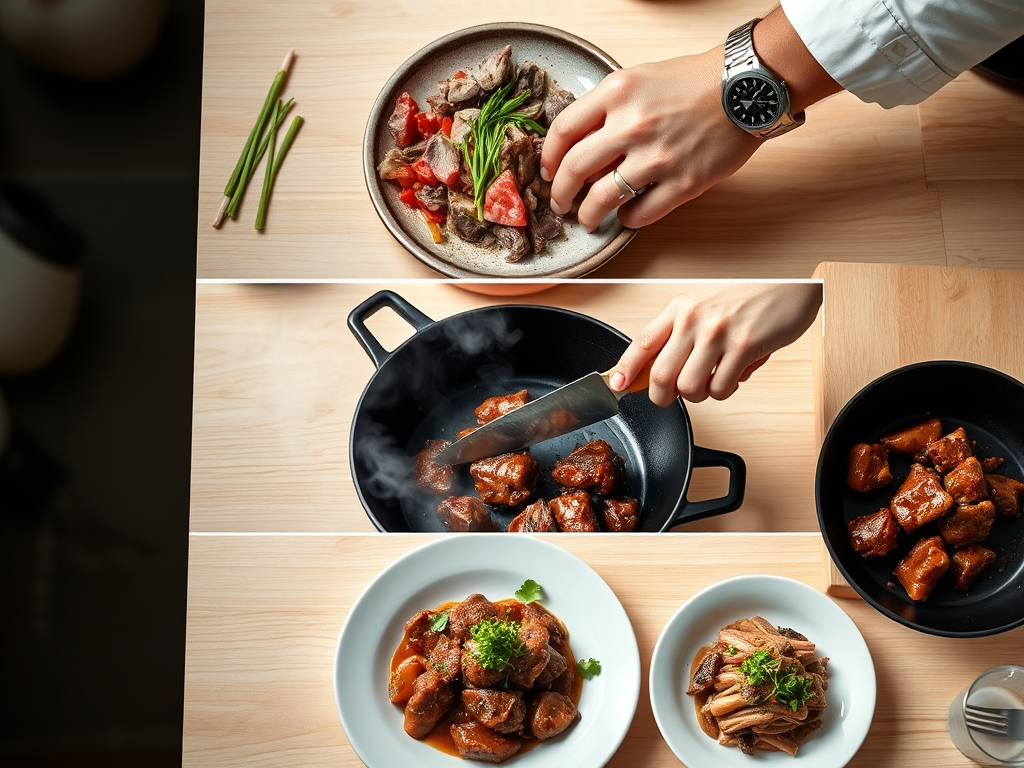
Pat the beef completely dry with paper towels. Use tongs to place the steak in a preheated skillet. Pro Tip: Moisture is the enemy of the Maillard reaction. By removing surface water, you ensure the thermal energy goes directly into browning the meat rather than steaming it.
2. The Thin Slice (Gyudon)
Using a very sharp chef's knife, shave the beef against the grain. Pro Tip: Slicing against the grain shortens the muscle fibers, making even tougher cuts feel tender and buttery on the tongue.
3. The Deglaze (Teriyaki Beef)
After searing, pour in your sake and mirin mixture to lift the brown bits from the pan. Pro Tip: This process, known as deglazing, incorporates the "fond" (concentrated flavor) back into the sauce for a more complex profile.
4. The Gentle Simmer (Nikujaga)
Bring your liquids to a boil, then immediately drop to a low simmer. Pro Tip: High heat toughens proteins. A low, slow simmer allows the collagen to dissolve into gelatin without squeezing the moisture out of the muscle cells.
5. The Emulsification (Sesame Beef)
Whisk toasted sesame oil into your soy base slowly. Pro Tip: Creating a stable emulsion ensures the sauce clings to the beef evenly instead of separating into an oily mess.
6. The Carryover Cook (Beef Tataki)
Remove the beef from the heat when it is slightly underdone. Pro Tip: Thermal carryover will continue to raise the internal temperature by 5 to 10 degrees while the meat rests, preventing an overcooked, rubbery result.
7. The Final Glaze (Abituri Style)
Use a kitchen torch or a high broiler for a final 30-second blast of heat. Pro Tip: This "flash-caramelization" creates a smoky aroma that mimics a traditional charcoal grill, adding a professional finish to your home cooking.
The Deep Dive:
When we look at the macro nutrition of these beef recipes japanese favorites, we see a focus on high protein balanced by fermented ingredients. A standard serving offers roughly 25 to 30 grams of protein. To make these recipes Keto-friendly, simply swap the sugar and mirin for a monk fruit sweetener and a splash of rice vinegar. For a Gluten-Free version, Tamari is your best friend; it provides the same umami punch without the wheat.
The Fix-It: Technical Troubleshooting
- Tough Meat: If your beef is chewy, you likely skipped the "resting" phase. Let the meat sit for 5 minutes to allow the juices to redistribute.
- Salty Sauce: If the sauce is too aggressive, do not add water. Add a pinch of sugar or a splash of unseasoned rice vinegar to balance the pH levels.
- Gray Meat: If the beef looks gray instead of brown, you overcrowded the pan. Cook in batches to maintain high surface temperature.
Meal Prep & Reheating Science
To maintain "day-one" quality, store your beef and sauce separately if possible. When reheating, avoid the microwave; it vibrates water molecules too violently, toughening the beef. Instead, use a small saucier on low heat with a tablespoon of water or dashi to gently re-hydrate the proteins.
The Wrap-Up:
Mastering beef recipes japanese style is about more than just following a list of ingredients; it is about respecting the chemistry of the kitchen. From the way you shave the ginger with your microplane to the precise moment you deglaze your skillet, every step is a deliberate move toward flavor perfection. You now have the technical foundation to turn a simple flank steak into a Tokyo-style masterpiece. So, grab your tongs, fire up the range, and let the aroma of toasted sesame and seared beef take over your home. You have got this, Chef!
The Kitchen Table:
Which cut of beef is best for Japanese stir-fry?
For the best results, use ribeye or flank steak. These cuts have the ideal fat-to-muscle ratio for quick, high-heat cooking. Always slice against the grain to ensure the meat remains tender after it hits the hot pan.
Can I make these recipes without mirin?
Yes, you can substitute mirin with a mixture of dry sherry and a pinch of sugar. The goal is to provide both acidity and sweetness, which helps create that signature glossy finish on the beef during the reduction phase.
Why is my teriyaki sauce too thin?
Your sauce likely needs more time to reduce. Continue simmering until the bubbles become large and viscous. This indicates that the water has evaporated, leaving behind a concentrated syrup that will perfectly coat your professional-grade beef.
How do I get paper-thin beef slices at home?
Place your beef in the freezer for about 45 minutes before slicing. When the meat is firm but not rock-solid, use a sharp chef's knife to shave it. This technique allows for the consistent, thin ribbons found in authentic Gyudon.