
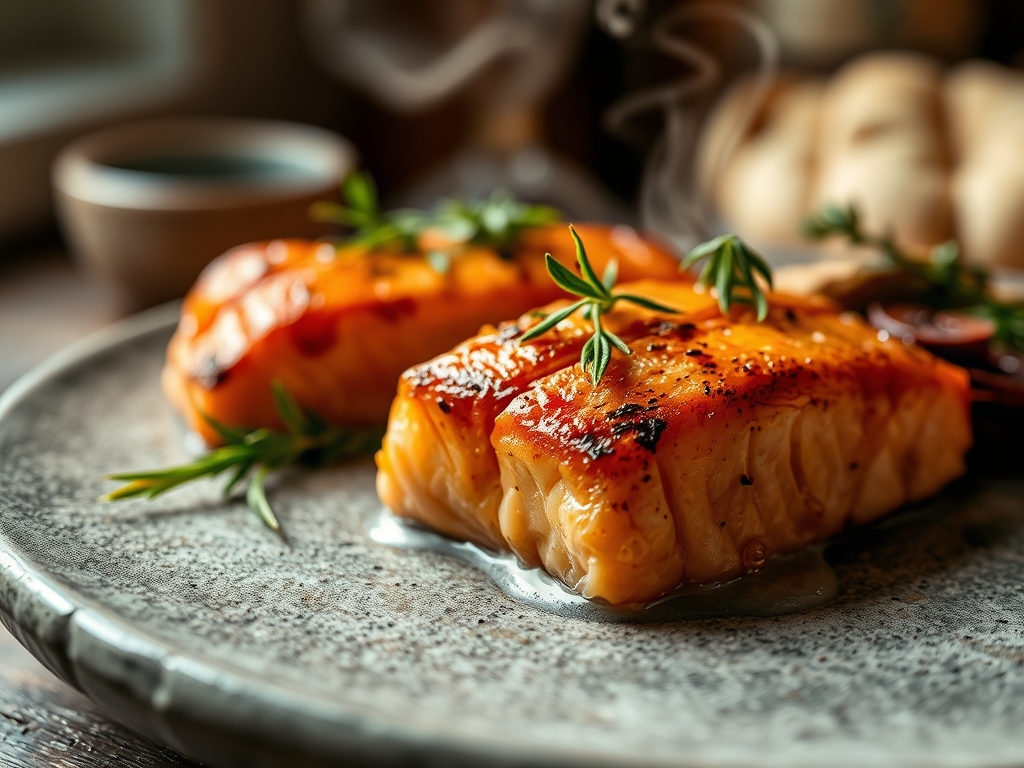
Close your eyes and listen for that distinct, rhythmic sizzle as cold protein meets a shimmering, heavy-bottomed skillet. That sound is the beginning of a chemical transformation. When we talk about how salmon recipes taste, we are really discussing the delicate balance between fat-soluble flavor compounds and the structural integrity of the fish. It is the difference between a dry, chalky fillet and a succulent piece of art that flakes under the slightest pressure from a fork.
Most people treat salmon like a chore or a health requirement; I want you to treat it like a luxury. We are going to manipulate heat and moisture to create a crust that shatters while the interior remains buttery and translucent. It is not magic; it is molecular biology disguised as dinner. Whether you are aiming for a piquant glaze or a simple salt-crusted sear, the goal is to maximize the natural umami while taming the fish's inherent richness. Grab your apron and your favorite tongs. We are about to change your kitchen game forever.
The Gathers:
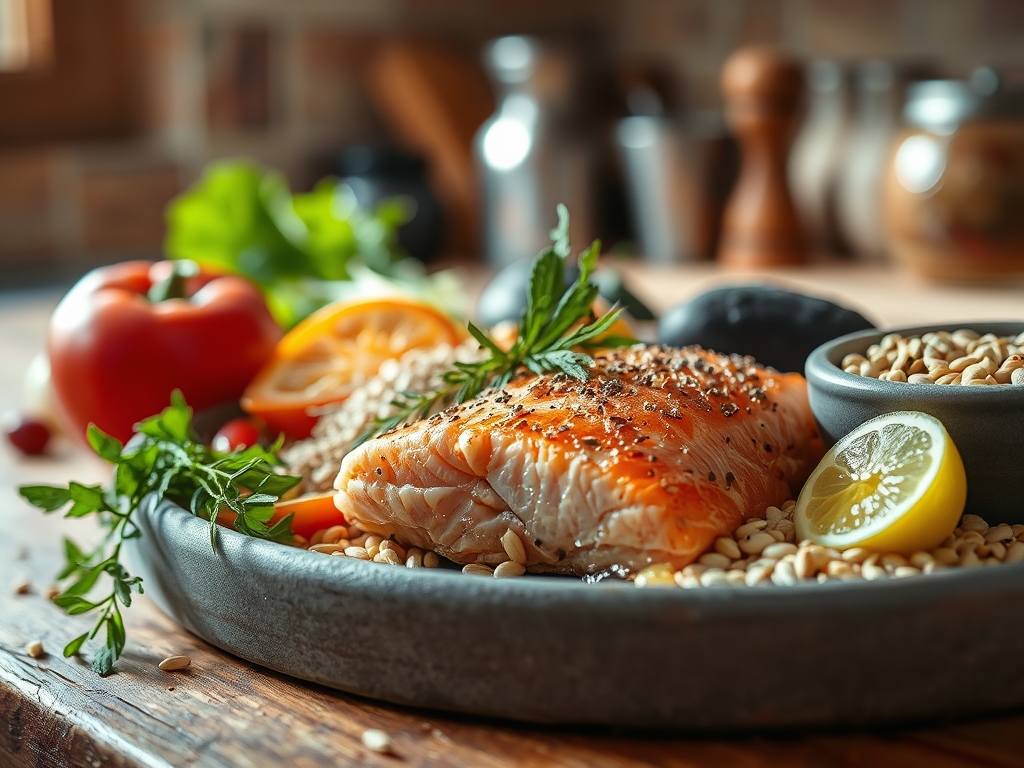
Your mise-en-place is the foundation of your success. Start with high-quality salmon fillets, ideally center-cut for uniform thickness. You will need a high-smoke-point oil like avocado or grapeseed; olive oil will smoke and turn bitter before the Maillard reaction can truly take hold. Gather coarse kosher salt for its jagged crystal structure, which adheres better to the flesh than fine table salt.
For the aromatics, reach for fresh sprigs of thyme or rosemary and a head of garlic. You will also need a high-acid component like lemon juice or a splash of dry white wine to deglaze the pan and cut through the viscous fats. If you are looking for smart substitutions, try using a microplane to zest lime instead of lemon for a brighter, more tropical profile. If you are avoiding butter, a dollop of white miso paste can provide that same savory depth and creamy mouthfeel without the dairy.
The Clock
Efficiency in the kitchen is about the Chef's Flow, which is the art of overlapping tasks so no heat is wasted. Your prep time should take no more than ten minutes. This includes patting the fish bone-dry and allowing it to sit at room temperature for fifteen minutes. This step is non-negotiable; cold fish in a hot pan causes the muscle fibers to seize, resulting in a tough texture.
Actual cook time is remarkably fast. A standard six-ounce fillet requires approximately four minutes on the skin side and two to three minutes on the flesh side. This "Clock" includes a mandatory five-minute rest period off the heat. During this time, the internal juices redistribute, ensuring that the first cut does not result in a puddle of lost flavor on your plate.
The Masterclass
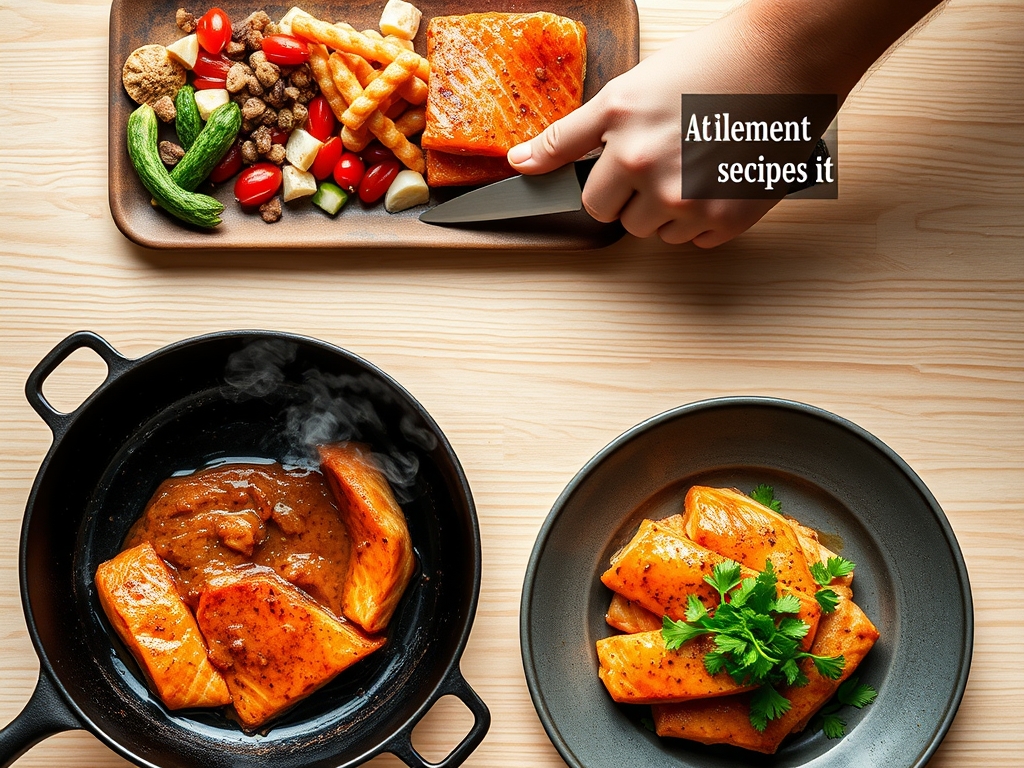
1. The Moisture Purge
Use a paper towel to press firmly on every surface of the fish. Moisture is the enemy of a crisp sear because water absorbs thermal energy to evaporate, preventing the surface from reaching the temperatures required for browning.
Pro Tip: This is the science of evaporative cooling. If the surface is wet, the fish steams instead of searing, leaving you with a rubbery exterior.
2. Seasoning at Altitude
Hold your salt cellar at least twelve inches above the fillets. This ensures an even distribution of crystals, preventing "salt pockets" that can overwhelm the palate.
Pro Tip: Salt acts as a denaturant, breaking down proteins on the surface to create a "glue" that helps form a superior crust when it hits the heat.
3. The Cold-Pan Myth
Always preheat your heavy-bottomed skillet until the oil shimmering. You want to see a faint wisp of smoke before the fish makes contact.
Pro Tip: A hot pan creates an immediate steam barrier between the fish and the metal, which prevents sticking and initiates the Maillard reaction instantly.
4. The Skin-Down Press
Once the salmon hits the pan, use a flexible fish spatula to press down firmly for thirty seconds. This prevents the skin from curling as the collagen fibers contract.
Pro Tip: This physical pressure ensures maximum surface-to-metal contact, allowing the fat to render efficiently for a potato-chip-crisp skin.
5. The Butter Baste
In the final two minutes of cooking, drop a knob of butter, smashed garlic, and herbs into the pan. Tilt the skillet and use a large spoon to continuously douse the fish in the foaming fat.
Pro Tip: This is known as arrosé. The hot butter acts as a finishing medium, deepening the flavor through fat-soluble infusion.
6. The Digital Check
Use a digital thermometer to pull the salmon when it hits 125 degrees Fahrenheit for medium-rare or 130 degrees for medium.
Pro Tip: Thermal carryover will cause the internal temperature to rise another five degrees while the fish rests on the cutting board.
7. The Acid Finish
Always finish with a squeeze of fresh citrus or a drizzle of vinegar right before serving.
Pro Tip: Acid acts as a flavor brightener, stimulating the salivary glands and balancing the heavy omega-3 fatty acids in the fish.
8. The Resting Phase
Transfer the salmon to a warm plate or a wooden bench scraper. Do not tent it tightly with foil, as this will trap steam and soften that crust you worked so hard to build.
Pro Tip: Resting allows the viscosity of the internal fats to stabilize, which keeps the moisture locked inside the protein cells.
9. The Texture Contrast
Serve your salmon with something crunchy, like toasted pine nuts or a shaved fennel salad, to elevate the sensory experience.
Pro Tip: Multi-sensory dining relies on textural juxtaposition, which keeps the brain engaged and makes the meal feel more satisfying.
The Deep Dive
From a macro perspective, salmon is a nutritional powerhouse, offering high-quality protein and essential Vitamin D. If you are following a Keto diet, this is your holy grail. For a Vegan alternative, you can apply these same searing techniques to thick slabs of "King Oyster" mushrooms or marinated tofu. If you are Gluten-Free, simply ensure your deglazing liquids and sauces are free of thickeners like flour.
Common pitfalls include the "White Stuff" (albumin) leaking out. This happens when you cook the fish too fast or too high; it is essentially the protein "weeping." To fix this, use a lower finishing heat. If your fish sticks, you likely tried to flip it too early. Protein "releases" from the pan naturally once the sear is complete. For meal prep, never reheat salmon in the microwave. Instead, let it come to room temperature and gently warm it in a 275-degree oven to maintain that day-one quality.
The Wrap-Up
Mastering the way salmon recipes taste is about respecting the chemistry of the kitchen. By focusing on moisture control, heat management, and the final acidic lift, you transform a basic protein into a world-class entree. Remember, the best tool in your kitchen is your own intuition; watch the colors change, listen to the sizzle, and trust the process. You have the science; now go make something delicious.
The Kitchen Table
How do I stop salmon from smelling fishy?
Freshness is key, but soaking fillets in milk for twenty minutes can neutralize trimethylamine, the compound responsible for that "fishy" odor. Always pat the fish dry after the soak before seasoning and searing.
Why is my salmon dry even when it looks pink?
You likely missed the carryover cooking window. Salmon continues to cook after it leaves the pan. Always pull the fish off the heat when it is 5 degrees below your target temperature to ensure a moist interior.
Can I cook salmon with the skin off?
Yes, but you lose a layer of insulation and flavor. If cooking skinless, reduce your heat slightly and use more fat in the pan to protect the delicate flesh from direct, intense thermal contact.
What is the best oil for searing salmon?
Use oils with a high smoke point like avocado, grapeseed, or refined coconut oil. Avoid extra virgin olive oil or butter for the initial sear, as they burn at the temperatures required for a crisp crust.