

Imagine the sound of a cold, sharp knife slicing through a chilled fillet of King salmon. The flesh is a vibrant, fatty coral, marbled with white lines of intramuscular fat that promise a buttery mouthfeel. When you master healthy baked salmon recipes, your kitchen transforms into a high end bistro where nutrition meets pure indulgence. We are moving past the days of dry, gray fish and embracing a world where moisture is locked in by science and flavor is amplified by heat. This is not just about dinner; it is about understanding how proteins coagulate and how fats render to create a masterpiece on a parchment lined sheet pan.
You have likely tried to bake fish before only to end up with a chalky texture or that unappealing white substance oozing out of the sides. That ends today. We are going to dive deep into the cellular level of your dinner. By the time we are done, you will understand exactly why your oven temperature matters and how a simple splash of acid can change the entire molecular structure of your meal. Grab your favorite apron and clear off your marble countertop. We are about to turn a simple piece of seafood into a nutritional powerhouse that tastes like a luxury.
The Gathers:
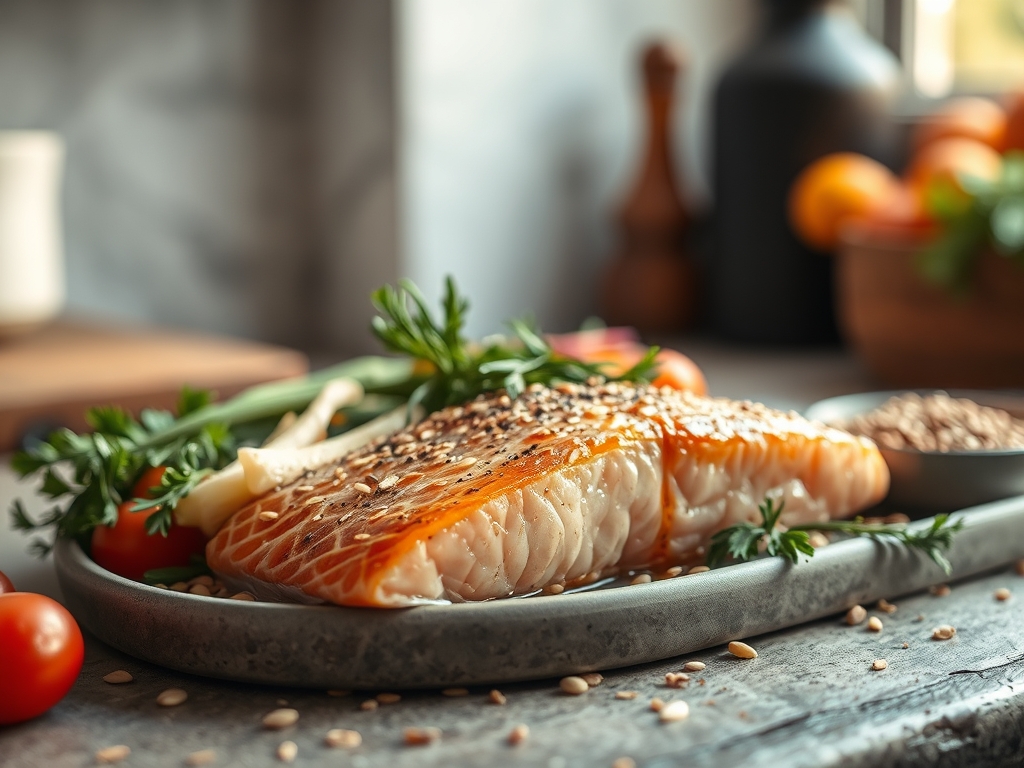
To execute these healthy baked salmon recipes with precision, your mise-en-place must be impeccable. Start with high quality salmon fillets, preferably wild caught for their superior Omega-3 profile and lean muscle structure. You will need a high smoke point fat like avocado oil or clarified butter to ensure the skin crisps without burning. Fresh aromatics are non-negotiable. Gather a bundle of woody herbs like rosemary and thyme, along with bright, piquant lemons and several cloves of garlic.
Your tool kit is just as vital as your ingredients. Pull out your digital scale to ensure even portioning, which is the secret to uniform cooking times. You will also need a microplane for zesting citrus and grating garlic into a fine, aromatic paste. A heavy-bottomed baking sheet or a cast iron skillet will provide the thermal mass necessary for a consistent sear. For smart substitutions, swap heavy cream for a viscous cashew cream or use liquid aminos instead of soy sauce to keep the dish gluten free and lower in sodium. If you want to reduce saturated fats further, use a high quality extra virgin olive oil but be mindful of its lower smoke point during the preheating phase.
The Clock
Efficiency in the kitchen is what separates a home cook from a chef. The "Chef's Flow" is all about overlapping tasks so that no time is wasted. Your total active prep time should be exactly 10 minutes, with a cook time ranging between 12 and 15 minutes depending on the thickness of your fillets.
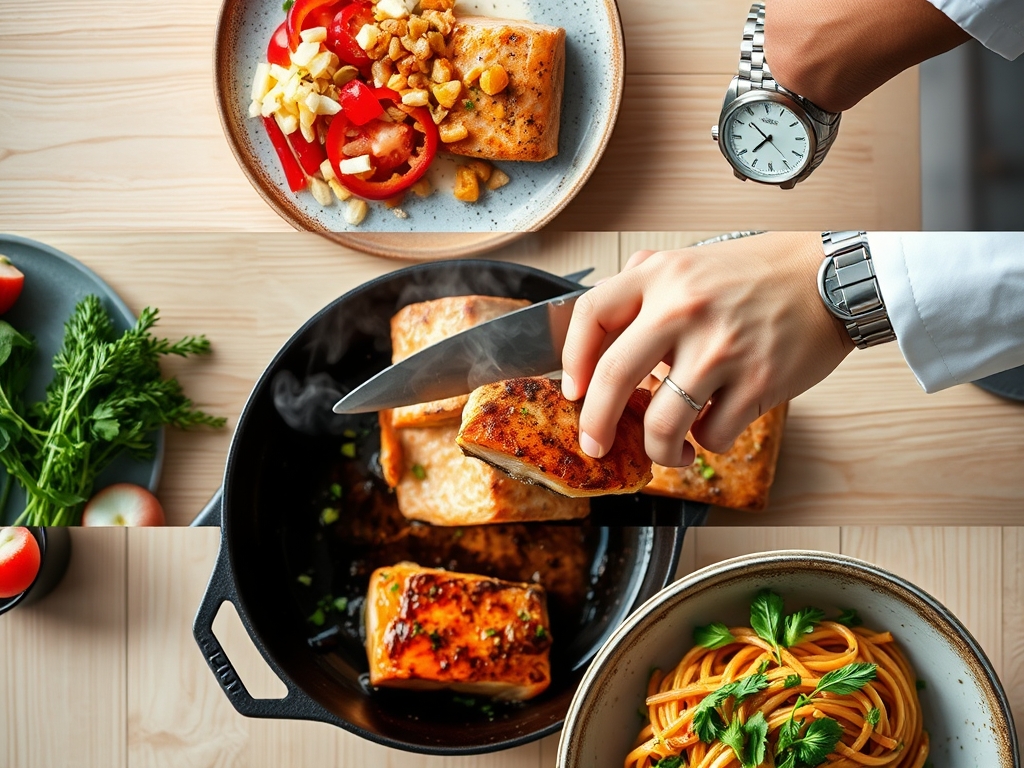
While your oven preheats to a precise 400 degrees Fahrenheit, use those first five minutes to pat the fish dry and apply your dry rub. The dry rub needs a moment to sit so the salt can begin the process of denaturing the surface proteins. During the final five minutes of prep, prepare your garnish or a light side salad. Once the fish is in the oven, you have a 12 minute window to clean your bench scraper and cutting board, ensuring that when the timer dings, you are ready to plate and serve immediately.
The Masterclass
1. The Desiccation Ritual
The first step to any successful salmon dish is removing surface moisture. Use a lint-free paper towel to press firmly against the skin and flesh. Moisture is the enemy of the Maillard reaction, which is the chemical reaction between amino acids and reducing sugars that gives browned food its distinctive flavor.
Pro Tip: Removing moisture prevents the fish from steaming in its own juices. If the surface is wet, the thermal energy of the oven is spent evaporating water rather than browning the proteins, leading to a pale and rubbery texture.
2. The Infusion Phase
Using your saucier or a small bowl, whisk together your oil, aromatics, and acids. Apply this mixture generously using a silicone brush. Ensure you coat the sides of the fillet to create a protective barrier that prevents the delicate interior from drying out during the intense heat of the bake.
Pro Tip: This step utilizes lipid-soluble flavor infusion. Many of the aromatic compounds in garlic and herbs are fat-soluble, meaning they need the oil to act as a carrier to penetrate the dense muscle fibers of the fish.
3. The Thermal Shock
Place your fillets on the preheated tray. You should hear a slight hiss as the skin makes contact. This immediate heat transfer begins the process of rendering the subcutaneous fat, which will naturally baste the fish from the bottom up.
Pro Tip: This is known as conductive heat transfer. By preheating the pan, you ensure the skin side reaches a high enough temperature to crisp before the internal temperature of the delicate flesh rises too high, avoiding overcooking.
4. The Albumin Guard
Watch the fish closely through the oven window. You are looking for the moment the flesh turns from translucent to opaque. If you see white beads forming on the surface, that is albumin, a protein that pushes out when the muscle fibers contract too tightly from overexposure to heat.
Pro Tip: To prevent albumin breakout, use a digital meat thermometer to pull the fish at 125 degrees Fahrenheit. The thermal carryover will continue to cook the fish for several minutes after it leaves the oven, bringing it to a perfect 130-135 degrees.
5. The Acidic Brightening
As soon as the salmon leaves the oven, hit it with a fresh squeeze of lemon juice. The acidity cuts through the richness of the fish oils and resets the palate, making every bite feel as light as the first.
Pro Tip: This is an example of flavor balancing. The citric acid interacts with the fat molecules to prevent them from coating the tongue too heavily, which enhances the perception of the fish's natural sweetness.
6. The Resting Period
Allow the salmon to rest on the warm tray for exactly three minutes before moving it with tongs or a fish spatula. This allows the internal juices to redistribute throughout the fillet rather than spilling out onto the plate.
Pro Tip: Resting allows the coagulated proteins to relax slightly. This ensures that the moisture remains trapped within the cellular structure, resulting in a flake that is succulent rather than stringy.
The Deep Dive
From a nutritional standpoint, healthy baked salmon recipes are nearly unbeatable. A standard six ounce fillet provides roughly 34 grams of high quality protein and is rich in Vitamin B12, Potassium, and Selenium. For those following a Keto lifestyle, the high fat content is ideal for maintaining ketosis. If you are cooking for a vegan guest, you can apply these same seasoning techniques to a thick "steak" of cauliflower or a firm block of tofu, though the cooking times will vary significantly.
Even the best chefs run into pitfalls. If your salmon is sticking to the pan, it is likely because the pan was not hot enough or you did not use enough fat; fix this by using a thin fish spatula to gently pry it loose. If the fish tastes "fishy," it is often due to the oxidation of fats; a quick soak in milk for ten minutes before cooking can neutralize these odors. For meal prep, never reheat salmon in the microwave. Instead, use a low temperature oven (275 degrees) with a splash of water covered in foil to gently rehydrate the proteins without toughening them.
The Wrap-Up
Mastering healthy baked salmon recipes is a gateway to a more vibrant and energized lifestyle. You now have the technical knowledge to manipulate heat, moisture, and flavor like a professional. Remember that cooking is a conversation between you and your ingredients. Trust your senses, watch for the subtle changes in color and texture, and do not be afraid to experiment with different herb profiles. You have the tools, the science, and the flair to make every meal a masterpiece. Go forth and cook with confidence; your kitchen is waiting.
The Kitchen Table
How do I know when the salmon is perfectly done?
The salmon is done when the internal temperature reaches 125 degrees Fahrenheit. The flesh should be opaque and flake easily when pressed with a fork, but it should still look moist in the center of the thickest part.
Can I bake salmon from frozen?
Yes, but for the best results, thaw it first. If cooking from frozen, brush with oil and bake at a lower temperature to ensure the outside does not burn before the inside thaws and cooks through completely.
Why does my salmon have white stuff on it?
That white substance is albumin, a harmless protein. It appears when salmon is cooked too fast or at too high a temperature, causing the muscle fibers to contract and squeeze the protein to the surface.
What is the best way to store leftovers?
Store cooked salmon in an airtight container in the refrigerator for up to three days. To maintain the best texture, eat it cold on a salad or reheat it very gently in a low temperature oven with a little moisture.