
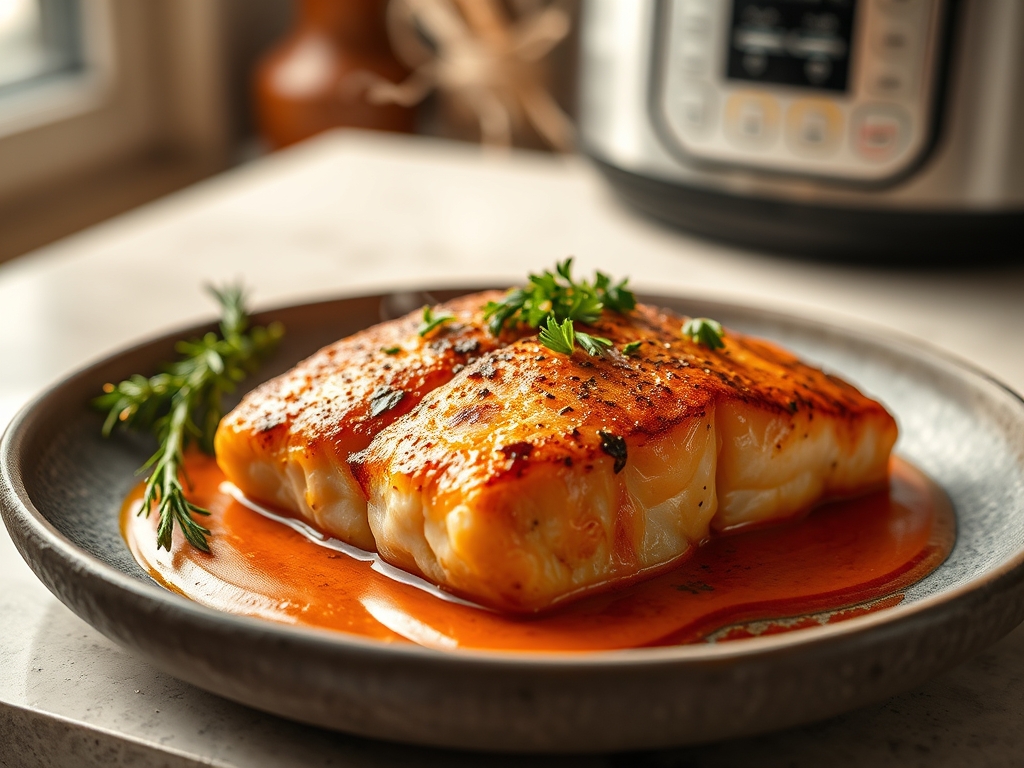
Close your eyes and imagine a fillet so buttery it practically sighs under the weight of your fork. We have all been there; staring at a frozen block of pink protein at 6:00 PM while the dread of a dry, rubbery dinner looms overhead. Most home cooks shy away from pressure cooking delicate seafood because they fear the dreaded overcook. However, mastering instant pot salmon recipes is the ultimate culinary cheat code for the modern, busy professional. By utilizing the controlled, high-pressure environment of the electric pressure cooker, we can achieve a level of succulence that traditional pan-searing often misses. This is not just about speed; it is about the physics of moisture retention. When we lock that lid, we are creating a saturated steam environment that forces hydration back into the muscle fibers of the fish. Today, I am pulling back the curtain on the molecular magic that turns a humble fillet into a five-star masterpiece in under fifteen minutes.
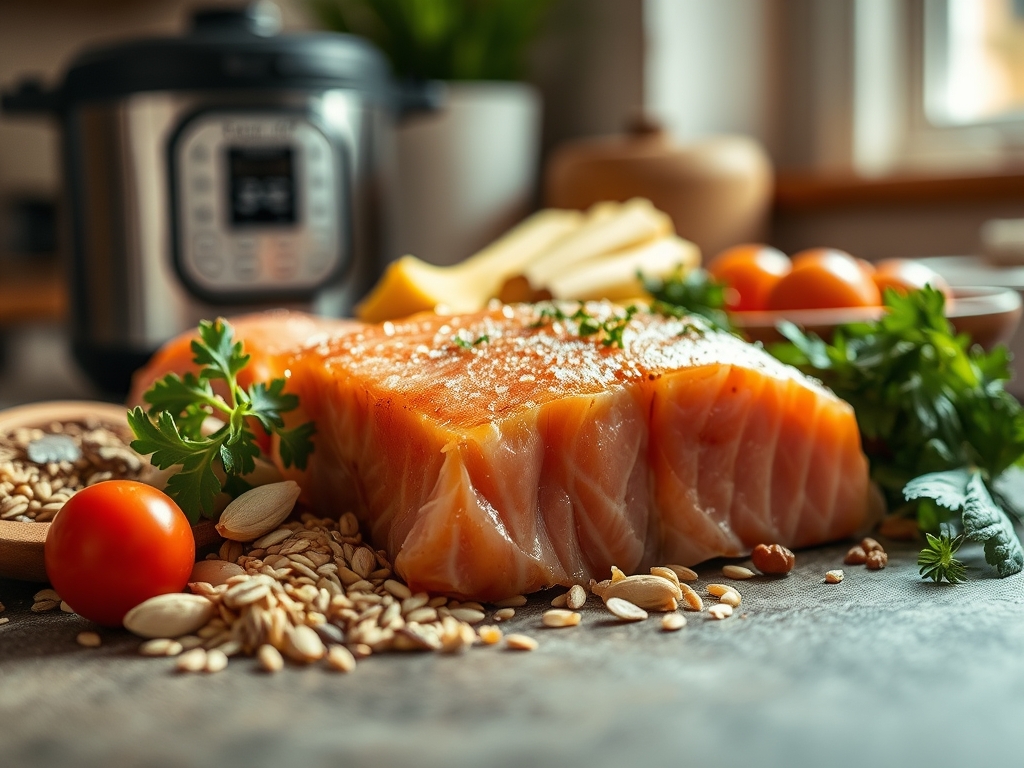
The Gathers:
Before we engage the heating element, we must curate our mise-en-place with surgical precision. Start with high-quality Atlantic or Sockeye fillets, ideally cut to a uniform 1.5-inch thickness to ensure even thermal distribution. You will need a viscous fat source; I prefer grass-fed butter or extra virgin olive oil to help infuse the flesh with aromatics. Gather your aromatics: fresh dill, sliced Meyer lemons, and smashed garlic cloves. For the liquid base, skip the plain water. Use a dry white wine like Sauvignon Blanc or a piquant vegetable stock to deglaze the pot and create a flavorful steam.
Smart Substitutions:
If you are avoiding dairy, swap the butter for a high-smoke-point avocado oil or a rich coconut aminos blend for an umami punch. For those missing the crunch of a sear, a sprinkle of toasted panko or crushed macadamia nuts added post-cook provides the necessary textural contrast. Always use a digital scale to weigh your portions; consistency in mass leads to consistency in doneness.
The Clock
The "Chef's Flow" is all about overlapping tasks to minimize idle time. Your total active prep time is exactly five minutes. The actual pressurized cook time is a mere zero to two minutes, depending on whether your fish is fresh or frozen. However, do not be fooled by the "zero minute" setting. The true magic happens during the "Coming to Pressure" phase (about 6 minutes) and the "Natural Release" phase (3 minutes). While the pot works its kinetic magic, use your bench scraper to tidy the workspace and prep a crisp side salad. Total time from counter to table is roughly 14 minutes.
The Masterclass
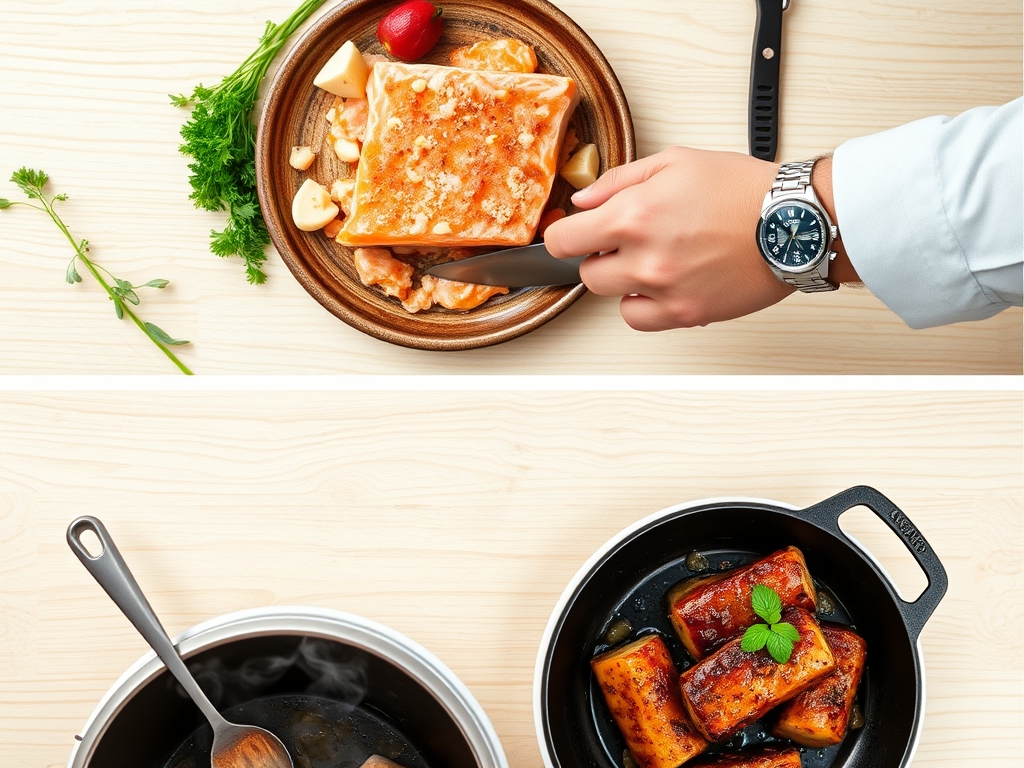
1. The Liquid Foundation
Pour one cup of your chosen liquid into the inner pot. Place the stainless steel trivet inside, ensuring the handles are upright for easy removal. This elevation prevents the fish from poaching in the liquid, which would lead to a mushy texture. Instead, we are aiming for a pure steam environment.
Pro Tip: This is known as latent heat of vaporization. By keeping the fish above the water line, we use steam to transfer energy more efficiently than air, cooking the protein without washing away its natural oils.
2. Seasoning and Surface Tension
Pat your fillets bone-dry with a paper towel. This is crucial. Season aggressively with kosher salt and cracked black pepper. Use a microplane to zest fresh lemon directly over the fillets. The essential oils in the zest are volatile; adding them now allows them to infuse the surface as the temperature rises.
Pro Tip: Salt acts as a denaturant. By seasoning at least five minutes before cooking, you allow the salt to dissolve some of the surface proteins, which helps the fish retain moisture during the high-pressure cycle.
3. The Aromatic Blanket
Layer your lemon slices and fresh herbs directly on top of the fish. If you want a deeper flavor profile, use tongs to place a small pat of compound butter on each fillet. Secure the lid and set the steam vent to the "Sealing" position.
Pro Tip: This creates a micro-environment. The fats in the butter will render and drip down the sides of the fish, creating a self-basting mechanism that prevents the exterior from drying out.
4. The Precision Pulse
Select "Manual" or "Pressure Cook" on High for 0 minutes for fresh fillets or 3 minutes for frozen. Yes, zero minutes is a real setting; the heat generated while the pot reaches pressure is often enough to cook a delicate fillet to a perfect medium-rare.
Pro Tip: This technique relies on thermal carryover. Even after the timer beeps, the internal temperature of the salmon will continue to rise by 5 to 10 degrees. Stopping early prevents the albumin (that white unappealing protein) from leaking out.
5. The Controlled Release
Once the timer hits zero, wait exactly three minutes before performing a "Quick Release" of the remaining pressure. Use a long spoon to toggle the vent to avoid steam burns. Carefully lift the trivet out and transfer the salmon to a warm plate.
Pro Tip: A slow release prevents pressure shock. A sudden drop in pressure can cause the moisture inside the fish cells to expand too rapidly, resulting in a "shredded" or tough texture.
The Deep Dive
Macro Nutrition:
Salmon is a nutritional powerhouse, offering approximately 25 grams of protein and 11 grams of healthy fats per 4-ounce serving. It is rich in Omega-3 fatty acids, which are essential for brain health.
Dietary Swaps:
- Keto: Stick to the recipe as written, but double the butter for increased healthy fats.
- Vegan: Swap the salmon for thick "steaks" of cauliflower or extra-firm tofu, increasing the cook time to 5 minutes.
- GF: This recipe is naturally gluten-free; just ensure your broth or stock is certified.
The Fix-It:
- The Fish is Raw: If it looks translucent in the center, do not re-pressurize. Simply put the lid back on (without turning it on) and let it sit in the residual heat for 2 minutes.
- The Fish is Dry: You likely let it sit on "Keep Warm" too long. Next time, use a saucier to whip up a quick lemon-butter emulsion to mask the dryness.
- The Skin is Slimy: The Instant Pot does not crisp skin. If you crave crunch, finish the fillets under a broiler for 60 seconds post-cook.
Meal Prep Science:
To reheat, avoid the microwave. The high-frequency waves agitate water molecules too aggressively, toughening the fish. Instead, place the salmon in a covered heavy-bottomed skillet with a tablespoon of water over low heat to gently re-steam.
The Wrap-Up
Mastering instant pot salmon recipes is about embracing the intersection of technology and taste. By understanding how steam pressure interacts with protein fibers, you can stop guessing and start creating consistent, restaurant-quality meals. This method is fast, foolproof, and yields a texture that is impossibly succulent. Go ahead, grab your tongs and your favorite seasonings; your most impressive dinner yet is only a few minutes away.
The Kitchen Table
How do I prevent the white stuff on salmon?
That white substance is albumin, a protein that pushes out when fish cooks too fast or too long. To minimize it, use the "zero-minute" cook setting and avoid overcooking, which keeps the protein fibers from contracting too tightly.
Can I cook frozen salmon in the Instant Pot?
Absolutely. One of the best perks of instant pot salmon recipes is the ability to cook from frozen. Simply increase the high-pressure cook time to 3 minutes and follow with a 3-minute natural release for perfect results.
Do I need to add water to the Instant Pot?
Yes, you must add at least one cup of thin liquid (water, broth, or wine). The Instant Pot requires liquid to create the steam necessary to build pressure; without it, you will trigger the "Burn" notice.
Is the salmon skin edible after pressure cooking?
While the skin is perfectly safe to eat, it will be soft rather than crispy. If you prefer crispy skin, quickly sear the skin-side in a heavy-bottomed skillet for one minute after removing it from the pot.