
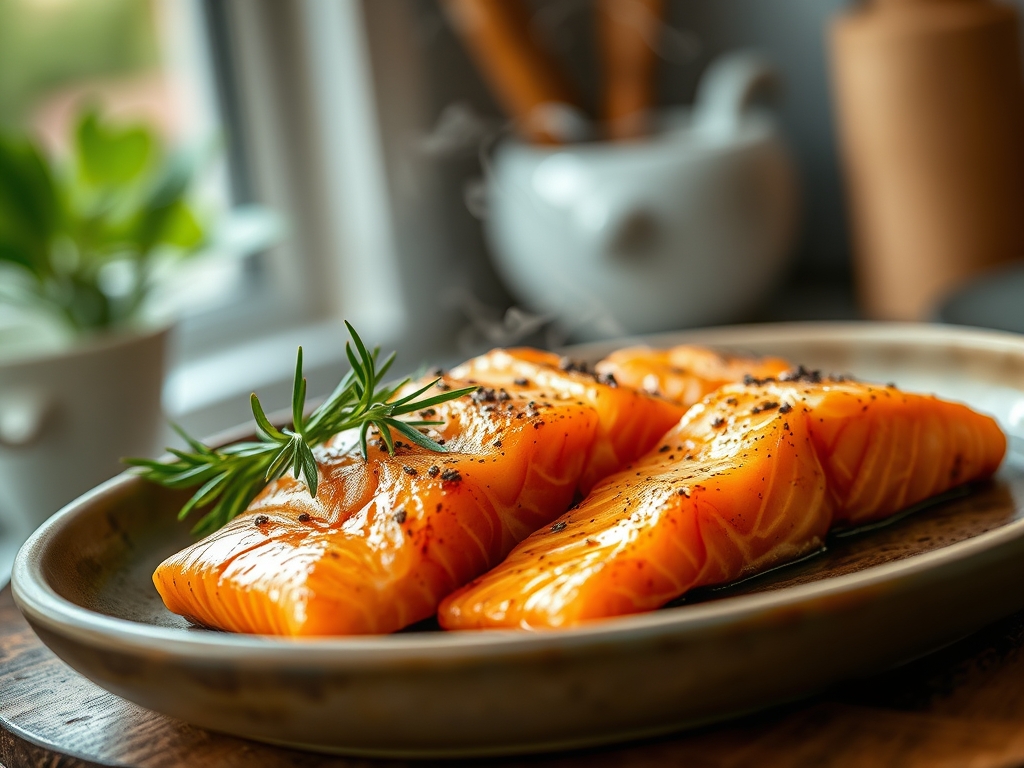
Imagine the humidity clinging to the air like a damp wool blanket until you slide a plate of chilled, citrus-cured fish across the marble countertop. Summer dining demands a departure from the heavy, heat-radiating ovens of winter. These cold salmon recipes offer a masterclass in texture and temperature management; providing a refreshing, protein-dense reprieve that feels both indulgent and incredibly light.
When the mercury rises, we pivot from the sear to the soak. Cold salmon is not merely leftover fish; it is a deliberate culinary choice that utilizes the unique fat structure of the salmonid family. Because salmon is rich in long-chain omega-3 fatty acids, its lipids remain fluid even at lower temperatures. This prevents the waxy, unpleasant mouthfeel often associated with chilled poultry or beef. We are looking for that buttery, melt-on-the-tongue sensation that only comes from precise thermal control and high-quality acid integration. Whether you are prepping a zesty tartare, a sophisticated poached fillet with dill yogurt, or a vibrant sashimi-style salad, the goal is to maintain the integrity of the muscle fibers while introducing sharp, bright contrasts.

The Gathers:
To execute these cold salmon recipes with professional precision, your mise-en-place must be impeccable. We are dealing with volatile aromatics and delicate proteins, so organization is your best defense against oxidation. Start with center-cut Atlantic or King salmon fillets; these cuts offer the most consistent thickness for even temperature distribution. You will need a high-quality microplane for zest, a digital scale for precise salt-to-sugar ratios in curing, and a saucier if you plan on creating a silky emulsion for a dressing.
Your pantry should be stocked with high-viscosity olive oils and piquant acids like yuzu juice or champagne vinegar. Fresh herbs are non-negotiable; mint, dill, and chives provide the volatile oils necessary to cut through the richness of the fish. Smart Substitutions: If you cannot find sushi-grade raw salmon, look for high-quality smoked salmon or use the poaching method detailed below. Swap traditional soy sauce for liquid aminos if you are monitoring sodium, or use Greek yogurt instead of creme fraiche to boost the protein-to-fat ratio without sacrificing that essential creamy mouthfeel.
The Clock
The "Chef's Flow" is all about working with the physics of cooling. Expect to spend about 20 minutes on active prep, but the real magic happens during the "resting phase." If you are poaching, the fish needs at least 2 hours in the refrigerator to allow the proteins to firm up and the flavors to infuse deeply into the flesh.
The total time for most cold salmon recipes averages 2.5 hours, though active labor is minimal. By preparing the components in a specific sequence; starting with the cure or poach, then moving to the vegetable knife work, and finally whisking the dressing; you ensure that the garnishes remain crisp and the fish stays at the optimal safety temperature of 40 degrees Fahrenheit.
The Masterclass
1. The Precision Poach
To begin, submerge your fillets in a liquid of white wine, peppercorns, and lemon slices. Use a heavy-bottomed skillet to maintain a steady temperature of 170 degrees Fahrenheit. Do not let it boil; we want to gently coagulate the proteins without squeezing out the moisture.
Pro Tip: This technique avoids the "albumin bleed," which is that white, unsightly protein that seeps out when salmon is shocked by high heat. Keeping the temperature low preserves the intercellular moisture.
2. The Rapid Chill
Once the internal temperature reaches 125 degrees, remove the fish with tongs and immediately place it on a chilled tray. Do not crowd the fillets.
Pro Tip: Cooling the fish rapidly prevents thermal carryover, where the residual heat continues to cook the center. Fast cooling ensures a succulent, medium-rare interior rather than a chalky, overcooked texture.
3. The Acid Infusion
While the fish chills, prepare your marinade or dressing. Use a whisk to aerate a mixture of citrus juice and oil until it becomes a stable, viscous emulsion.
Pro Tip: Acid breaks down the connective tissues in the fish through a process called denaturation. By adding the acid only right before serving, you ensure the fish stays firm rather than turning mushy or "cooked" by the juice.
4. The Artistic Plate
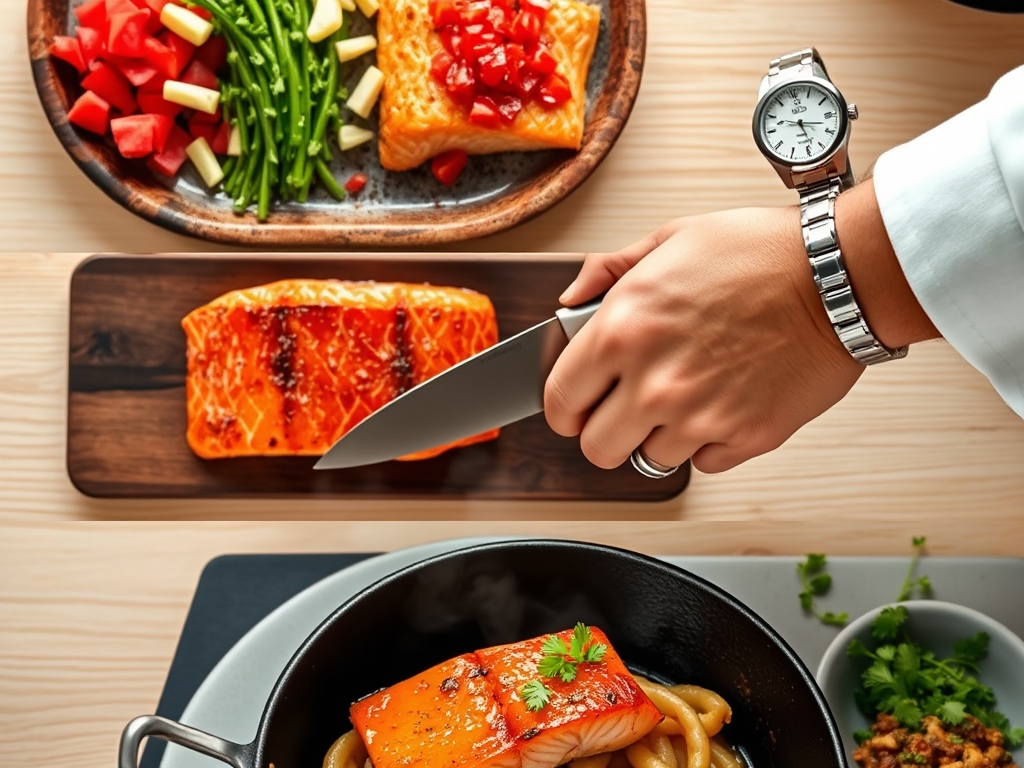
Use a bench scraper to neatly portion the chilled salmon. Arrange it atop a bed of microgreens or shaved fennel. Note the texture in the step-by-step photos above; the flakes should pull apart easily but retain a glossy sheen.
Pro Tip: Cold temperatures dull the taste buds. To compensate, you must season cold dishes more aggressively than hot ones. A final sprinkle of flaky sea salt provides a textural "crunch" that highlights the sweetness of the fish.
The Deep Dive
Macro Nutrition: Salmon is a powerhouse of high-quality protein and healthy fats. A standard 6-ounce serving provides roughly 34 grams of protein and 20 grams of fat, with zero carbohydrates. This makes it an ideal anchor for keto or paleo lifestyles.
Dietary Swaps: For a vegan "salmon" alternative, use compressed watermelon or marinated carrots. The textures are surprisingly similar when treated with smoky flavors. For keto-friendly versions, ensure your dressings avoid honey or sugar; use monk fruit or simply rely on the natural sweetness of the balsamic vinegar.
The Fix-It:
- The Fish is Too Dry: This usually means the poaching liquid was too hot. Fix this by flaking the fish and folding it into a high-fat dressing like an avocado mousse to restore creaminess.
- The Dressing is Broken: If your oil and vinegar have separated, whisk in a teaspoon of Dijon mustard. The mustard acts as a natural emulsifier to bind the liquids back together.
- The Skin is Flabby: Cold salmon skin is rarely pleasant. If you didn't remove it before cooking, use a sharp knife to slide it off after chilling, or crisp it separately in a pan and crumble it over the top as a garnish.
Meal Prep Science: To maintain "day-one" quality, store the fish and the dressing in separate airtight containers. Reheating is not recommended for these specific recipes, as the goal is a cold application. However, if you must, use a low-power microwave setting to avoid rendering the fats too quickly, which leads to a fishy aroma.
The Wrap-Up
Mastering cold salmon recipes is your ticket to being the ultimate summer host. It is about the intersection of chemistry and convenience; using gentle heat to create a product that is infinitely better once it has had time to rest. By focusing on temperature control and high-contrast seasonings, you transform a simple fillet into a sophisticated, refreshing centerpiece. Now, grab your microplane and get to work; your most refreshing summer meal is only a chill-session away!
The Kitchen Table
How do I prevent cold salmon from tasting too fishy?
Ensure you use the freshest fish possible and remove the "blood line," which is the dark muscle along the skin. Cold temperatures actually suppress aromatics, but a splash of lemon juice will neutralize any lingering trimethylamine.
Can I use frozen salmon for these recipes?
Yes, provided it is thawed slowly in the refrigerator. Flash-frozen salmon often has better structural integrity than "fresh" fish that has sat in a display case. Use a paper towel to pat away excess moisture after thawing.
What is the best way to store leftover cold salmon?
Place the salmon in a shallow, airtight container and cover the surface directly with plastic wrap to prevent oxidation. It will stay peak-fresh for up to two days. Always store dressings separately to maintain the fish's texture.
Is it safe to eat salmon medium-rare if it is served cold?
If you are using high-quality, sushi-grade salmon, yes. For standard grocery store fillets, ensure you poach them to an internal temperature of 145 degrees Fahrenheit for safety, then chill them rapidly to maintain a moist, tender mouthfeel.