
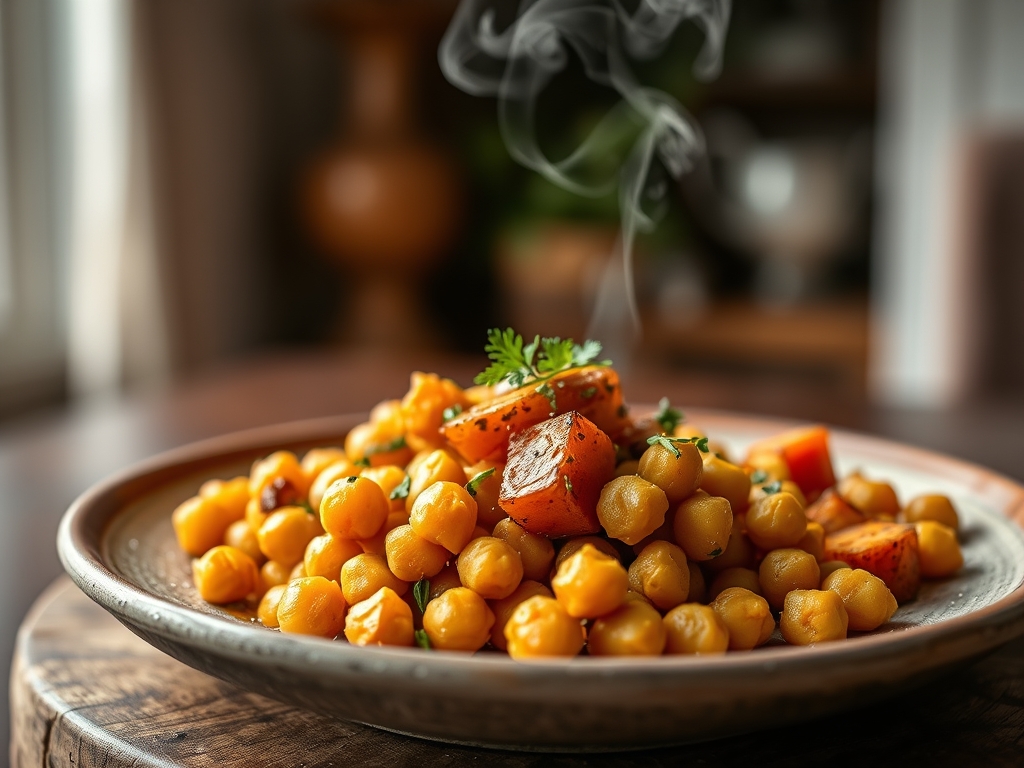
Picture the scent of cumin and smoked paprika hitting a heavy-bottomed skillet while the natural sugars in a garnet yam begin to caramelize into a deep, mahogany crust. There is a certain kind of culinary magic that happens when you master chickpeas and sweet potato recipes; it is the perfect intersection of plant-based protein and complex carbohydrates. We are not just tossing ingredients into a bowl here. We are engineering a texture profile that balances the creamy, starchy interior of a roasted tuber with the satisfying, nutty snap of a perfectly seared legume. This combination is a staple for a reason; it provides a complete amino acid profile while staying incredibly shelf-stable and budget-friendly.
When you learn to manipulate these two ingredients, you unlock seven distinct meal profiles ranging from zesty Mediterranean power bowls to deeply spiced Moroccan tagines. The secret lies in the Maillard reaction, that beautiful chemical transformation where amino acids and reducing sugars rearrange under heat to create hundreds of new flavor compounds. Whether you are prepping for a high-intensity week or just want a dinner that feels like a warm hug, these techniques will transform your kitchen into a high-end bistro. We are going to dive deep into the mechanics of heat, acidity, and emulsification to ensure every bite is balanced, piquant, and nutritionally dense. Grab your favorite apron and a sharp chef knife; we are about to elevate your weeknight rotation.
The Gathers:
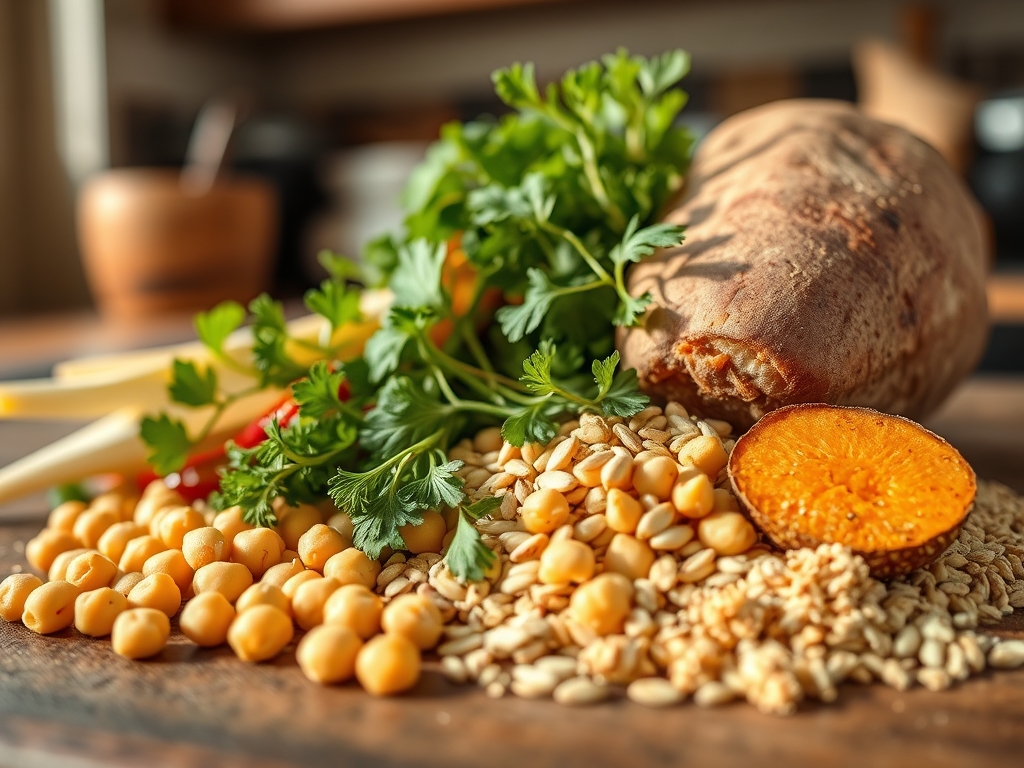
Setting up your mise-en-place is the difference between a frantic kitchen and a fluid one. For these chickpeas and sweet potato recipes, you need high-quality ingredients that can withstand high thermal energy. Start with two large Beauregard or Jewel sweet potatoes; their high moisture content ensures a soft interior after roasting. For the chickpeas, while canned is convenient, dried beans soaked overnight and simmered with a bay leaf offer a superior, firm texture that does not turn to mush when sautéed.
You will also need a high-smoke-point fat like avocado oil or clarified butter (ghee) to ensure you can reach the temperatures required for browning without the oil breaking down and becoming bitter. Gather your aromatics: fresh garlic cloves, a thumb of ginger, and a red onion. For the "bright" notes, keep a microplane nearby for zesting lemons and a bottle of raw apple cider vinegar to deglaze your pan.
Smart Substitutions: If you are looking to lower the glycemic index, swap half the sweet potato for cubed butternut squash. If you find yourself out of chickpeas, cannellini beans offer a similar protein density but a much creamier mouthfeel. For a spicy kick, replace standard paprika with gochugaru (Korean chili flakes) to add a fermented depth of flavor.
The Clock:
Efficiency in the kitchen is all about the "Chef's Flow." Total active prep time for these recipes averages 20 minutes, with a total cook time of 40 minutes. The flow begins with the oven preheat to 425 degrees Fahrenheit. While the oven reaches temperature, you use your bench scraper to clear your cutting board of diced potatoes.
The potatoes take the longest (around 30 minutes), so they hit the roasting pan first. This creates a "passive cooking window" where you can prepare your sauces, whip up a lemon-tahini dressing, or sauté your aromatics in a saucier. By the time the potatoes are fork-tender, your chickpeas should be crisped and seasoned. This overlapping timeline ensures that all components reach the plate at their peak temperature, preventing the dreaded lukewarm salad.
The Masterclass:
1. The Precision Dice
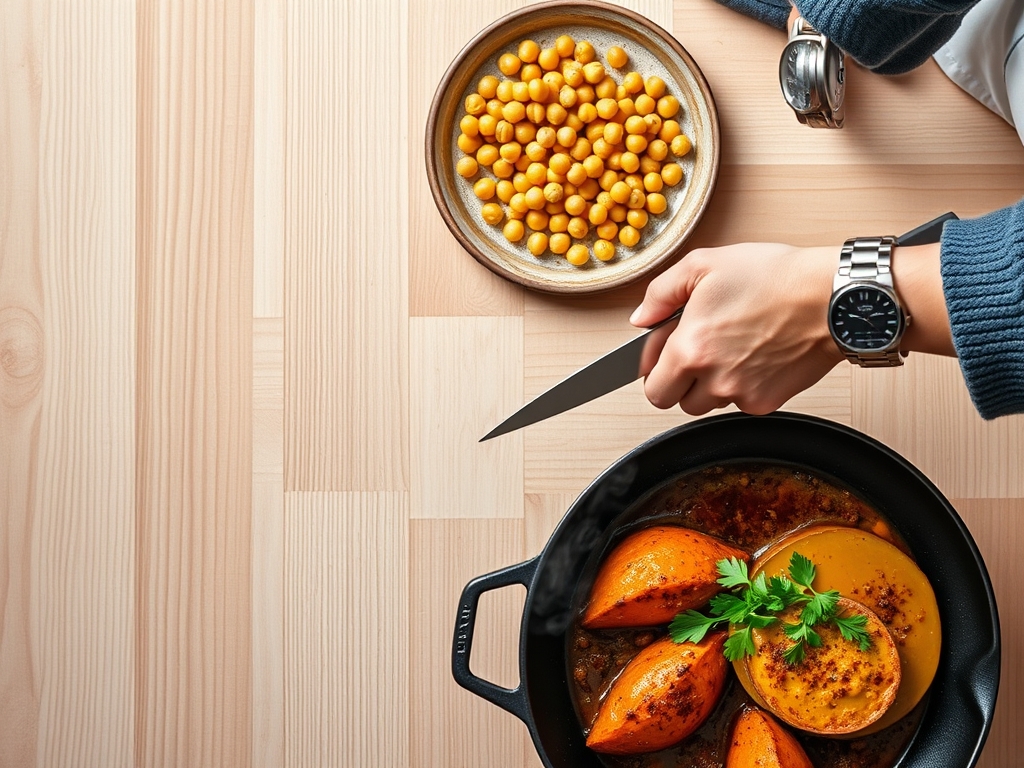
Consistency is the soul of even cooking. Use a sharp chef knife to cut your sweet potatoes into uniform half-inch cubes. This ensures that every piece finishes cooking at the exact same moment, preventing the mix of raw centers and burnt edges.
Pro Tip: This is about surface area. Smaller cubes increase the surface-area-to-volume ratio, allowing for more enzymatic browning and a faster cook time.
2. The Drying Phase
Before your chickpeas ever touch a pan, they must be bone dry. Use a clean kitchen towel to roll them around, removing any excess moisture or loose skins. Moisture is the enemy of the crunch; if they are wet, they will steam instead of fry.
Pro Tip: Removing the thin skins (aquafaba residue) allows the hot oil to make direct contact with the starch, resulting in a shatteringly crisp exterior.
3. The High-Heat Roast
Toss your potatoes in oil and sea salt on a preheated baking sheet. Spreading them out is vital; if the pan is crowded, the moisture escaping the potatoes will create a steam cloud, preventing that golden-brown crust from forming.
Pro Tip: Thermal carryover means the potatoes will continue to cook for 3 to 5 minutes after leaving the oven. Pull them out when they are just shy of your desired softness.
4. The Saucier Sauté
While the tubers roast, heat your heavy-bottomed skillet. Add your chickpeas and spices, stirring frequently with tongs. You are looking for the chickpeas to "pop" slightly, indicating the internal moisture has turned to steam and expanded the legume.
Pro Tip: Adding spices too early can lead to scorching. Add your dried herbs and aromatics in the last 2 minutes of sautéing to infuse the oil without burning the delicate volatile oils in the spices.
5. The Emulsified Finish
Combine your roasted and sautéed elements in a large bowl and immediately hit them with a splash of acidity (lemon juice) and a fat (tahini or olive oil). Stir vigorously to create a light emulsion that coats every crevice.
Pro Tip: The residual heat from the vegetables helps the fats and acids bind together, creating a viscous sauce that clings to the food rather than pooling at the bottom of the bowl.
The Deep Dive:
From a macro perspective, these chickpeas and sweet potato recipes are a powerhouse. A single serving typically provides 12 grams of protein, 8 grams of fiber, and a massive hit of Vitamin A and Potassium. This makes it an ideal post-workout meal for muscle recovery and glycogen replenishment.
Dietary Swaps: To make this Keto-friendly, you must significantly reduce the sweet potato and increase the healthy fats, perhaps adding avocado or hemp seeds. For a strict Vegan profile, ensure your "creamy" element is nut-based (like cashew cream) rather than dairy.
The Fix-It:
- Soggy Potatoes: Your oven temperature was likely too low or the pan was overcrowded. Fix: Toss them into a dry, hot skillet for 2 minutes to evaporate surface moisture.
- Bland Chickpeas: This usually means a lack of salt or acidity. Fix: Add a pinch of flaky sea salt and a squeeze of lime juice right before serving to "wake up" the flavors.
- Burnt Spices: If your cumin smells acrid, it burned. Fix: You cannot un-burn spices, so wipe the pan and start the sauté step over; it is worth the 5-minute delay for better flavor.
Meal Prep: When reheating, avoid the microwave if possible as it turns the chickpeas rubbery. Instead, use a toaster oven or a quick flash in a skillet. The science of "day-one" quality relies on dry heat to re-crisp the starches that softened in the fridge.
The Wrap-Up:
Mastering chickpeas and sweet potato recipes is like having a culinary superpower in your back pocket. It is a versatile, nutrient-dense, and incredibly satisfying base that can travel from a spicy curry to a fresh Mediterranean salad with just a few spice swaps. By focusing on the science of the Maillard reaction and the importance of moisture control, you ensure that your plant-based meals are never boring or mushy. Remember to trust your senses; listen for the sizzle in the pan and look for that deep amber glow on your roasted yams. Cooking is a conversation between you and your ingredients, so keep the heat high and the flavors bold. Now, go forth and turn those humble pantry staples into a masterpiece!
The Kitchen Table:
Are chickpeas and sweet potatoes good for weight loss?
Yes; they are high in fiber and complex carbohydrates, which promote satiety and stabilize blood sugar. This combination keeps you full longer, reducing the urge to snack between meals while providing essential micronutrients for metabolic health.
Can I use frozen sweet potatoes for these recipes?
You can, but the texture will be softer. Frozen vegetables are blanched before freezing, which breaks down cell walls. For best results, roast them directly from frozen at a high temperature to encourage moisture evaporation and surface browning.
How do I make my chickpeas extra crispy?
The secret is a combination of thorough drying and a pinch of cornstarch. Tossing dry chickpeas in a light dusting of starch before sautéing creates a microscopic barrier that fries into a thin, ultra-crunchy shell in the hot oil.
How long do these meals last in the fridge?
When stored in an airtight container, these recipes maintain peak quality for 3 to 5 days. For the best texture, store any creamy dressings or fresh herbs separately and add them just before consuming to prevent wilting.