
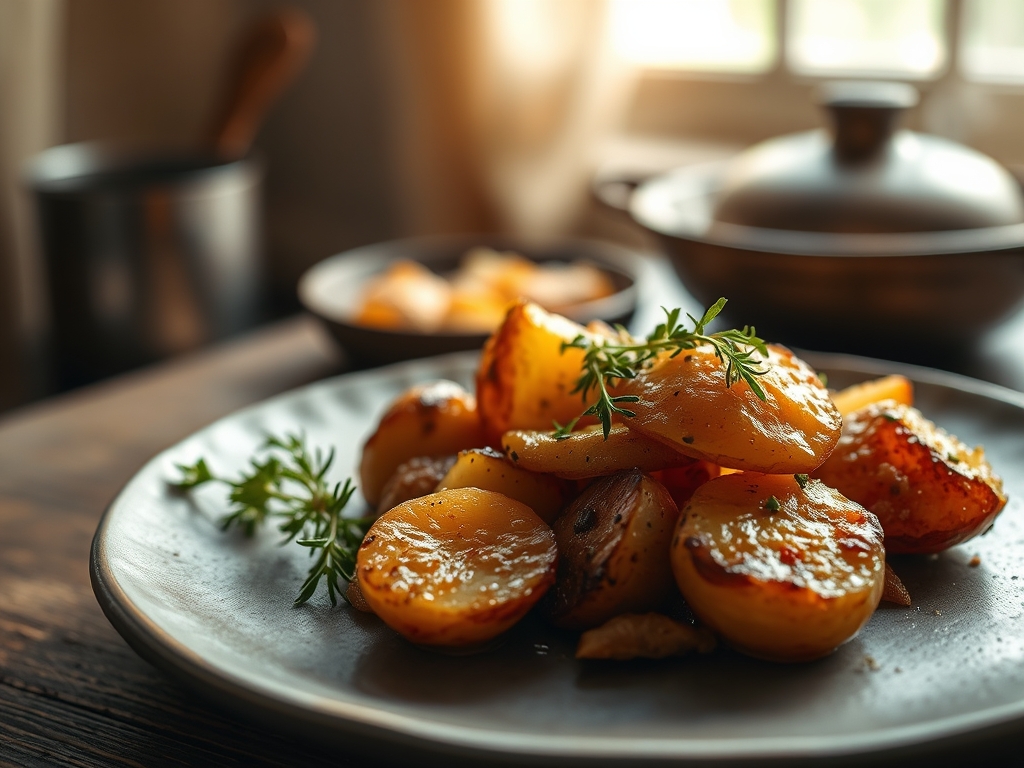
Picture the scent of cast iron hitting cold fat; it is the olfactory signature of a weekend morning. When we talk about country potato recipes, we are not just discussing side dishes; we are discussing the architectural foundation of comfort food. These nine classics represent the intersection of rustic charm and precise molecular transformation.
The humble tuber is a miracle of starch biology. When you drop a hand-cut wedge into a shimmering pool of clarified butter, you are initiating a complex series of chemical reactions that turn a bland root into a golden masterpiece. From the shatter-crisp exterior of a skillet fry to the velvet interior of a slow-simmered mash, mastering country potato recipes requires an understanding of moisture management and heat transfer. We are going to move past the basic boil and dive into the mechanics of the Maillard reaction. Grab your favorite apron and a sharp knife; we are about to elevate the most reliable ingredient in your pantry into a series of professional-grade staples that feel like a warm hug from a very smart chef.
The Gathers:
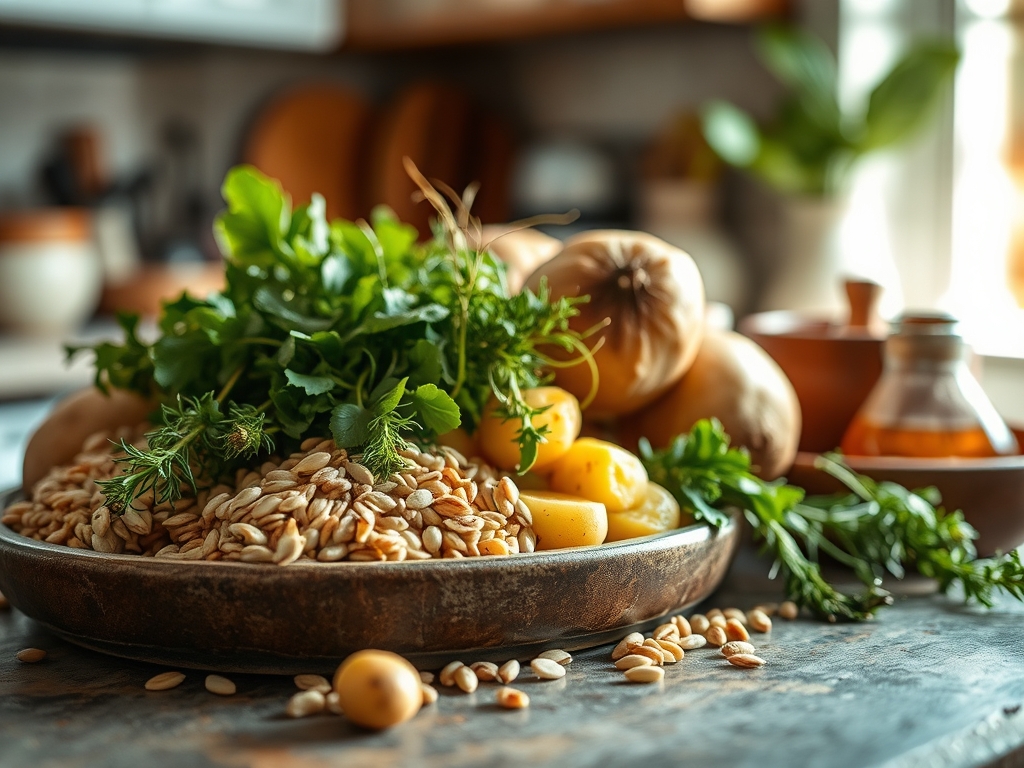
To execute these country potato recipes with precision, your mise-en-place must be intentional. We start with the Russet potato, prized for its high starch content and low moisture. This specific cellular structure allows for maximum fluffiness when the internal water evaporates. For waxy varieties like Yukon Golds, the higher sugar content and dense parenchyma cells result in a creamy, viscous texture that holds its shape under high heat.
Your aromatics are equally vital. We use cold-pressed oils with high smoke points for searing, or rendered animal fats like duck fat or bacon grease to infuse a deep, savory umami. Fresh herbs like rosemary and thyme should be stripped and bruised to release their essential oils. For the dairy components, heavy cream and high-fat European butter provide the lipids necessary to emulsify a smooth sauce.
Smart Substitutions:
If you are looking to lighten the profile, Greek yogurt offers a piquant acidity that mimics sour cream while adding protein. For a vegan alternative, nutritional yeast provides a nutty, cheesy flavor profile that complements the earthy notes of the potato. If you lack a specific fat, avocado oil is an excellent neutral substitute that handles thermal stress without breaking down into bitter compounds.
The Clock
Efficiency in the kitchen is about managing the Chef's Flow. For most country potato recipes, you are looking at a 15-minute prep window followed by a 30 to 45-minute cook cycle. The secret to professional timing is the staggered start. While your potatoes undergo their initial parboil, you should be dicing your aromatics and preheating your heavy-bottomed skillet.
Total active time is usually minimal, but the passive time is where the magic happens. Do not rush the cooling phase if a recipe calls for it; allowing the surface starch to retrogress and dry out is what ensures that legendary crunch. By the time your main protein is resting on the board, your potatoes should be hitting their peak golden hue.
The Masterclass
1. The Precision Dice
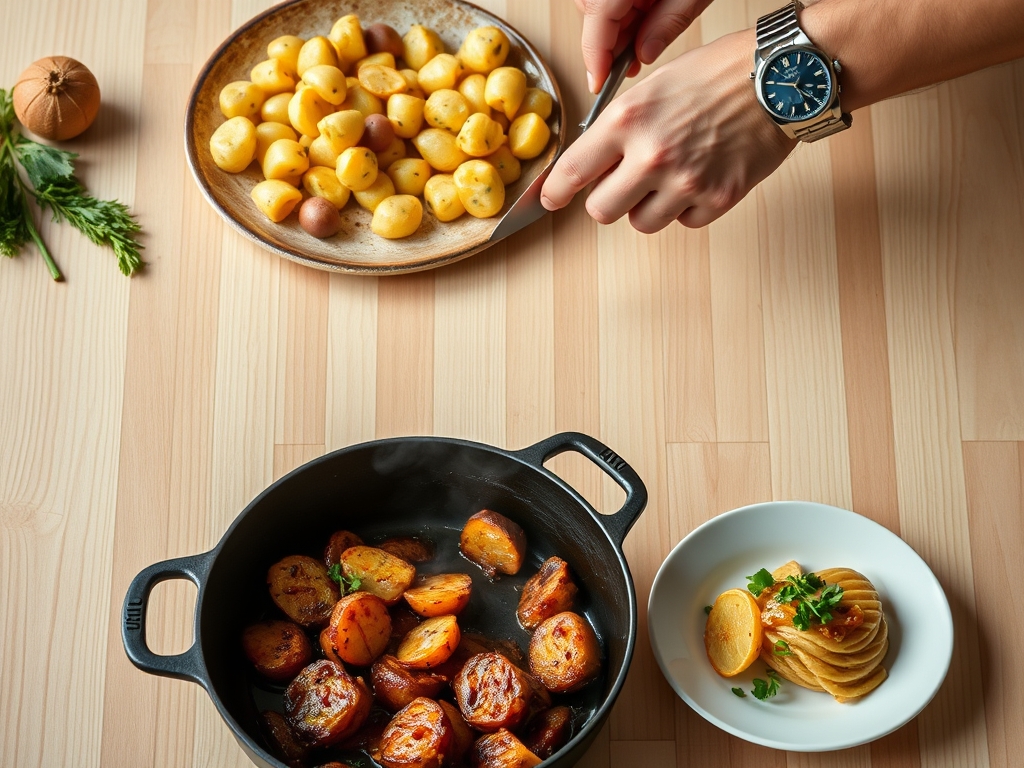
Start by using a sharp chef's knife to create uniform cubes. Consistency in size is not just for aesthetics; it ensures that every piece reaches the same internal temperature at the same moment. Use a bench scraper to move your piles without dulling your blade.
Pro Tip: This prevents enzymatic browning. When you cut a potato, you rupture the cells and expose phenols to oxygen. Submerging the cuts in cold, salted water inhibits this oxidation and washes away excess surface starch that can cause sticking.
2. The Parboil Technique
Place your potatoes in a saucier with cold water and a heavy pinch of salt. Bring them to a simmer rather than a rolling boil. You want the edges to be slightly softened but the core to remain firm.
Pro Tip: Adding a teaspoon of baking soda to the water increases the pH level. This breaks down the pectin on the surface, creating a starchy "slurry" that eventually dehydrates in the pan to form a thicker, crunchier crust.
3. The Fat Render
Heat your heavy-bottomed skillet over medium-high heat. Add your chosen fat; whether it is butter, oil, or lard. Wait until the fat shimmers or the butter solids begin to brown slightly.
Pro Tip: This is the beginning of the Maillard reaction. By preheating the fat, you ensure an immediate sear, which prevents the potato from absorbing too much oil and becoming greasy.
4. The Searing Phase
Carefully add the potatoes to the pan in a single layer. Do not overcrowd the vessel. Use tongs to ensure every side makes contact with the hot surface.
Pro Tip: Overcrowding leads to steam accumulation. If the moisture cannot escape, the temperature drops and your potatoes will steam instead of fry, resulting in a soggy texture rather than a crisp one.
5. The Aromatic Infusion
Once the potatoes are 75 percent browned, toss in your smashed garlic cloves and woody herbs. Use a spoon to baste the flavored fat over the potatoes as they finish.
Pro Tip: Aromatics like garlic have a lower burn point than potatoes. Adding them late in the process allows them to infuse the oil without turning bitter from over-exposure to high heat.
6. The Final Seasoning
Remove the pan from the heat and use a microplane to zest a bit of lemon or grate fresh parmesan over the top. Season with flaky sea salt while the fat is still liquid so the crystals adhere.
Pro Tip: This utilizes thermal carryover. The potatoes will continue to cook for several minutes after leaving the heat. Seasoning at the end ensures the salt does not draw out moisture during the browning phase.
The Deep Dive
When we look at the macro nutrition of country potato recipes, we see a powerhouse of potassium and complex carbohydrates. A medium potato provides a significant percentage of your daily Vitamin C and B6. To keep things balanced, focus on the quality of your fats.
Dietary Swaps:
For a Keto-friendly version, swap half the potatoes for cauliflower florets; they mimic the texture while slashing the net carb count. For a Vegan approach, use refined coconut oil for high-heat frying and cashew cream for mashes. All potato recipes are naturally Gluten-Free, provided you avoid flour-based thickeners in your gravies.
The Fix-It:
- Soggy Potatoes: Your pan was likely too cold or too crowded. Fix it by cranking the heat and adding a splash of fresh, hot oil to jumpstart the frying.
- Burnt Outside, Raw Inside: The heat was too high. Lower the flame and cover the pan for three minutes to let the steam finish the interior, then uncover to re-crisp.
- Gluey Mash: You likely over-worked the starch. To fix, spread them in a baking dish, top with cheese, and bake into a gratin; the dry heat helps set the structure.
Meal Prep:
To reheat with "day-one" quality, avoid the microwave. The waves agitate water molecules and turn the starch gummy. Instead, use an air fryer or a dry skillet to re-dehydrate the surface and restore the crunch.
The Wrap-Up
Mastering country potato recipes is the ultimate kitchen flex. It proves you understand the delicate balance of heat, fat, and starch. Whether you are serving a crowd at a rustic brunch or just treating yourself to a solo midnight snack, these techniques ensure every bite is a technical triumph. Remember, the potato is your canvas; treat it with the respect its molecular complexity deserves, and it will never let you down. Now, go forth and get that perfect golden crust!
The Kitchen Table
Why are my country potatoes always sticking to the pan?
Sticking usually happens because the pan was not hot enough or the potatoes were too wet. Always pat your potatoes dry with a lint-free towel and ensure your oil is shimmering before adding them to the skillet.
What is the best potato for frying?
Russets are the gold standard for frying due to their high starch and low moisture content. This combination creates the most significant contrast between a fluffy, airy interior and a shatteringly crisp, golden-brown exterior.
Can I make country potatoes ahead of time?
Yes, you can parboil and dice them up to 24 hours in advance. Store them in the fridge uncovered to allow the surface to dry out; this actually improves the final crunch when you fry them later.
How do I get that deep restaurant-style flavor?
The secret is using a combination of butter and oil. The oil allows for high-heat searing without burning, while the butter solids provide that rich, nutty flavor and beautiful golden color through the Maillard reaction.