
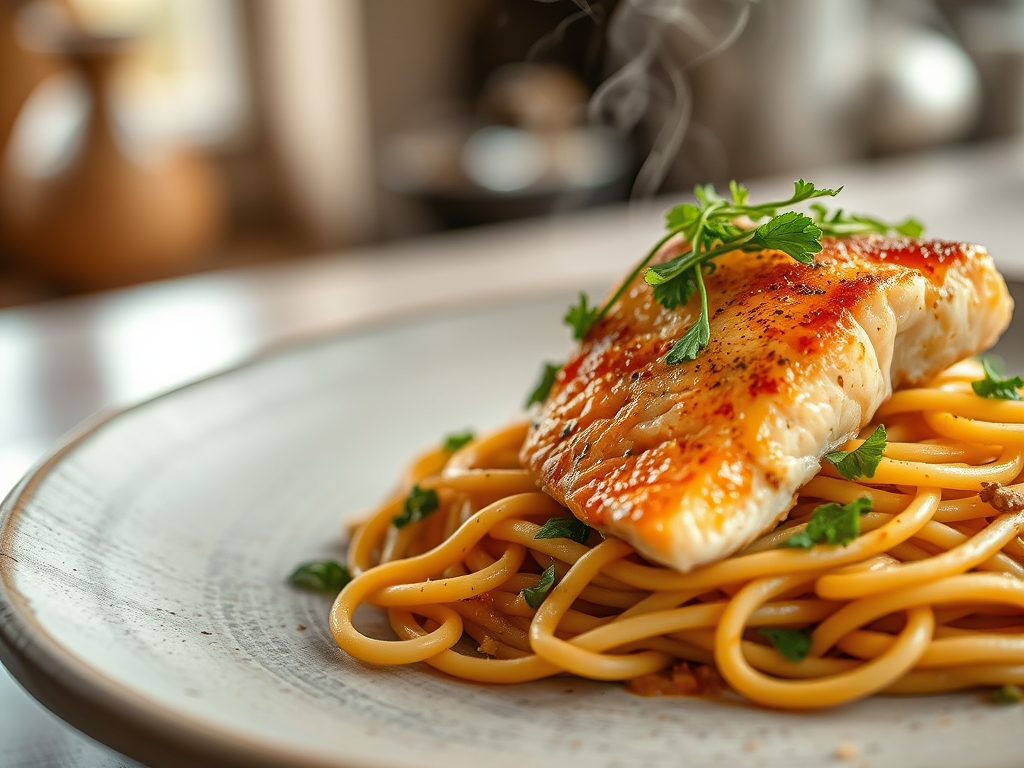
Picture the sound of a heavy-bottomed skillet meeting the flame. You are craving something that feels like a five-star indulgence but functions with the speed of a weeknight miracle. Enter the world of noodles and salmon recipes; a culinary marriage where fatty acids meet complex carbohydrates in a glorious, silky embrace. It is the ultimate solution for the hungry and the hurried.
We are moving beyond the basic buttered pasta and pan-seared fillet. We are talking about building layers of flavor that rely on chemistry rather than hours of simmering. Whether you are craving a piquant lime-soy glaze or a viscous cream sauce that clings to every strand, these eight variations provide a roadmap for the modern home cook. The goal is simple: achieve the perfect Maillard reaction on your fish while keeping your noodles perfectly al dente.
The beauty of these pairings lies in the contrast of textures. You have the flakey, tender protein that yields to a fork and the elastic, chewy bite of a well-timed noodle. It is a sensory experience that hits every note on the palate. Let us transform your kitchen into a high-end bistro using just a few smart techniques and the right tools.
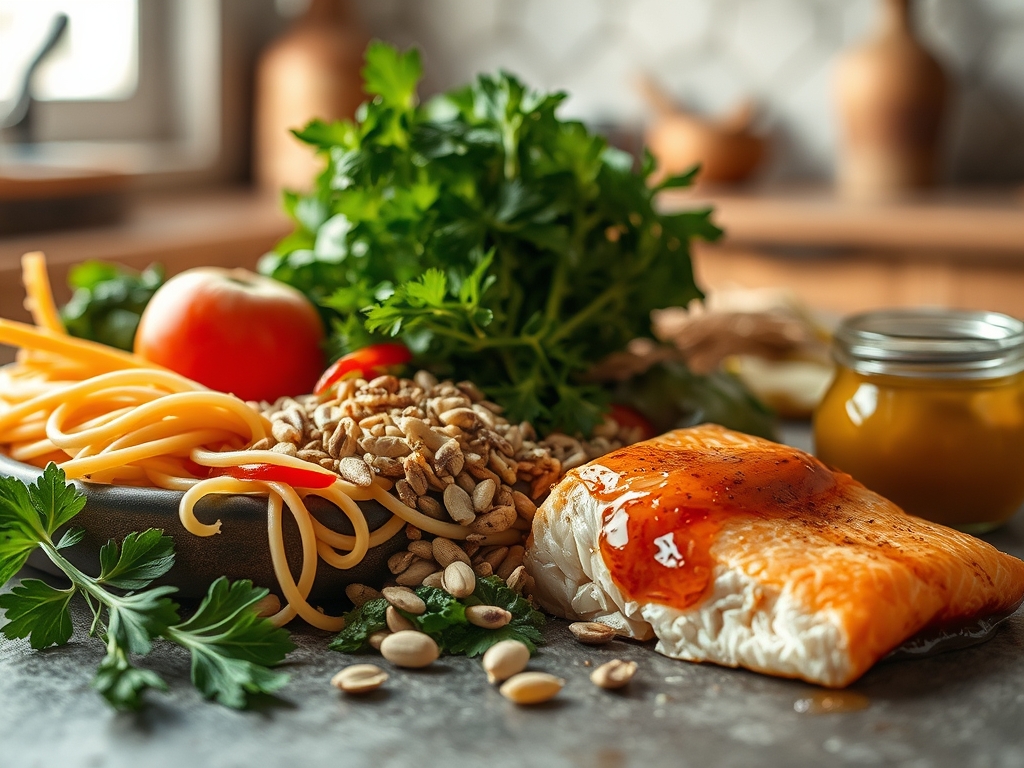
The Gathers:
Setting the stage is about more than just clearing the counter; it is about organizing your mise-en-place to respect the rapid cooking times of seafood. Your primary protein should be center-cut Atlantic or Sockeye fillets. Look for vibrant color and a firm texture. For the noodles, we are looking at a spectrum ranging from thin, translucent rice vermicelli to thick, hearty udon or classic Italian linguine.
The supporting cast is where the science happens. You will need a high-smoke-point oil like avocado or grapeseed to ensure you can sear the fish without the oil breaking down and becoming bitter. Aromatics are non-negotiable. Fresh ginger, garlic, and scallions provide the base notes. To brighten the heavy fats of the salmon, we use acids like rice vinegar or lemon juice to provide a necessary piquant counterpoint.
Smart Substitutions: If you are out of fresh ginger, a dash of ground ginger works, though it lacks the spicy bite of the rhizome. No mirin? A splash of dry sherry with a pinch of sugar mimics that fermented sweetness. For those avoiding gluten, buckwheat soba or sweet potato glass noodles offer a fantastic structural integrity that absorbs sauces beautifully without becoming mushy.
The Clock
Efficiency in the kitchen is governed by what I call the Chef's Flow. This is the art of overlapping tasks so that no heat is wasted. For these noodles and salmon recipes, your total active time should hover around 20 to 25 minutes. The prep takes about 10 minutes; this includes mincing aromatics with a sharp chef's knife and portioning your fish.
The cooking phase is a sprint. Noodles generally take 3 to 8 minutes depending on the variety. Salmon requires about 4 minutes per side to reach a perfect medium-rare. The magic happens in the final 120 seconds when you deglaze the pan and toss the components together. By the time your table is set, the meal is ready.
The Masterclass
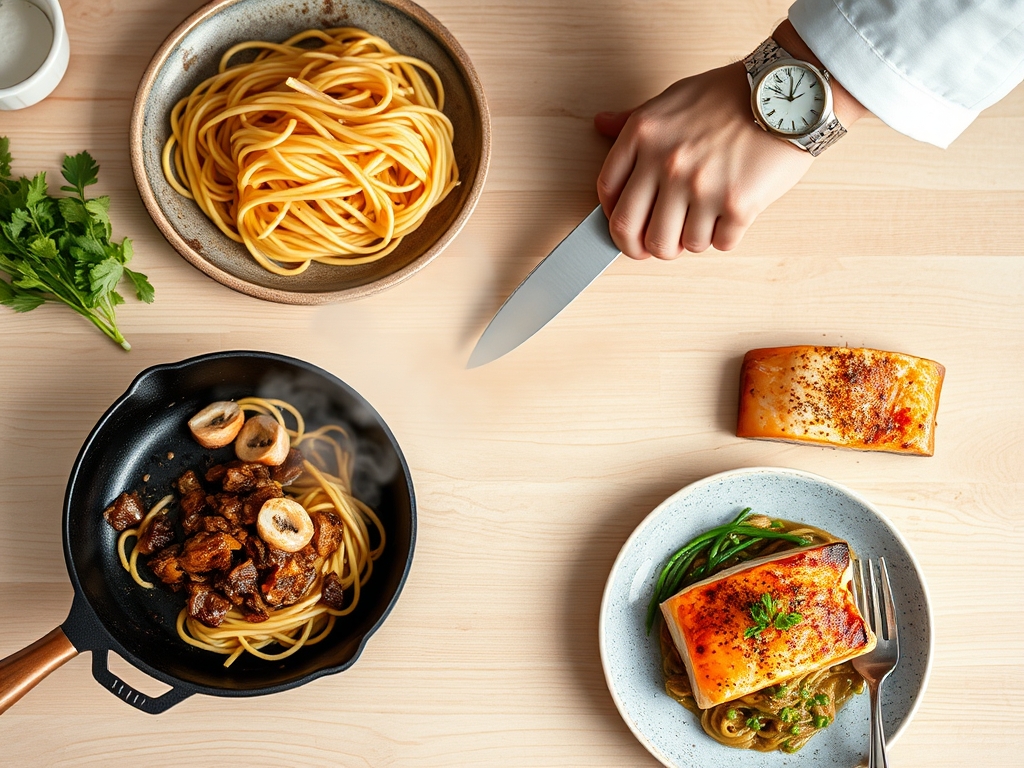
1. Tempering and Prepping the Protein
Remove your salmon from the refrigerator 15 minutes before cooking. Use a paper towel to pat the skin bone-dry. Moisture is the enemy of a crisp sear. Season generously with kosher salt to draw out surface proteins.
Pro Tip: This practice prevents thermal shock. Cold fish hitting a hot pan causes the muscle fibers to contract violently, squeezing out moisture and leaving you with a dry, tough result.
2. Achieving the Perfect Sear
Heat a heavy-bottomed skillet until the oil shimmers. Place the salmon skin-side down and press firmly with a flexible metal spatula for 30 seconds. This ensures even contact and prevents the skin from curling.
Pro Tip: This triggers the Maillard reaction. This chemical reaction between amino acids and reducing sugars creates that brown, savory crust that provides a deep umami flavor profile.
3. The Noodle Hydration
Boil a large pot of salted water. If using rice noodles, you might only need a soak in hot water rather than a rolling boil. Cook until just before al dente, as they will continue to soften once they hit the sauce.
Pro Tip: Starch gelatinization is the goal here. By slightly undercooking, you allow the noodles to finish absorbing the sauce later, which infuses them with flavor from the inside out.
4. Infusing the Aromatics
Lower the heat slightly and add your ginger, garlic, or chili to the residual oil in the pan. Use a microplane to zest citrus directly over the heat to release essential oils.
Pro Tip: This is known as blooming. Fat is a highly efficient carrier of flavor; heating spices in oil allows their fat-soluble compounds to aerate and distribute evenly throughout the dish.
5. Emulsifying the Sauce
Add your liquid base (soy sauce, coconut milk, or pasta water) to the skillet. Use a whisk or a saucier to stir vigorously as the liquid bubbles. This is the moment to scrape up the brown bits from the bottom of the pan.
Pro Tip: You are creating an emulsion. The starches from the noodles or the proteins in the cream bind with the fats in the pan to create a smooth, viscous coating rather than a greasy mess.
6. The Final Integration
Slide the noodles into the skillet using tongs. Toss them gently to coat every strand. Place the salmon back on top or flake it into large chunks if you prefer a more rustic presentation.
Pro Tip: Beware of carryover cooking. The internal temperature of the salmon will rise about 5 degrees after you remove it from the heat. Pull it off the stove just before it looks "done" to keep it succulent.
The Deep Dive
From a macro perspective, this meal is a powerhouse. You are getting high-quality lean protein, heart-healthy Omega-3 fatty acids, and complex carbohydrates for sustained energy. It is a balanced plate that satisfies without the post-meal slump.
Dietary Swaps:
- Vegan: Swap salmon for pan-seared king oyster mushrooms or firm tofu pressed and seasoned with kelp granules for a "sea" flavor.
- Keto: Replace traditional noodles with zoodles (zucchini) or shirataki noodles.
- GF: Ensure your soy sauce is substituted with tamari or coconut aminos.
The Fix-It:
- The Salmon Stuck: You likely tried to flip it too early. Protein bonds release naturally once a crust has formed. Wait another 30 seconds.
- The Sauce is Broken: If your sauce looks oily and separated, add a tablespoon of starchy noodle water and whisk vigorously to re-emulsify.
- Mushy Noodles: If you overcooked them, rinse immediately in cold water to stop the starch from further softening, then flash-fry them in the pan for texture.
Meal Prep:
To reheat, avoid the microwave if possible. It turns salmon rubbery. Instead, use a steamer basket for the noodles and a low-heat oven for the fish. If you must microwave, add a damp paper towel over the bowl to create a steam chamber.
The Wrap-Up
Mastering noodles and salmon recipes is about embracing the chemistry of the kitchen. It is a fast, vibrant, and incredibly rewarding way to feed yourself and those you love. Once you understand how to balance the fats of the fish with the acidity of your sauce and the texture of your noodles, the variations are infinite. Now, grab your tongs and get that skillet screaming hot. Dinner is served!
The Kitchen Table
What is the best noodle for salmon?
Linguine or fettuccine work best for creamy sauces; while soba or rice noodles excel in ginger-soy broths. Choose based on the sauce viscosity to ensure the noodles can hold the weight of the ingredients.
How do I keep salmon skin crispy?
Pat the skin completely dry and use a high-smoke-point oil. Press the fish down with a spatula for the first 30 seconds of searing to ensure total contact with the heat source for maximum crunch.
Can I use frozen salmon for these recipes?
Yes; however, you must thaw it completely in the refrigerator and pat it dry. Frozen fish often contains more surface moisture; which can prevent the Maillard reaction from creating a savory crust.
Why is my salmon white and foamy?
That white substance is albumin; a protein that pushes to the surface when salmon is cooked too fast or too long. To minimize this; cook the fish more gently or brine it briefly before searing.