

Close your eyes and imagine the sound of a heavy-bottomed stainless steel skillet meeting a cold marble countertop. That sharp, clean clink is the starting bell for a culinary transformation that marries ancient health wisdom with modern molecular precision. We are not just cooking; we are engineering flavor profiles that satisfy the soul while respecting the biology of the human body. When you master salmon recipes mediterranean diet, you are essentially balancing the high-octane omega-3 fatty acids of the sea with the vibrant, polyphenol-rich harvests of the earth. It is a dance of textures where the shatteringly crisp skin of a perfectly seared fillet meets the velvety, viscous glide of a cold-pressed olive oil emulsion. This is the gold standard of eating. It is high-density nutrition that tastes like a luxury vacation on the Amalfi Coast. Whether you are hosting a dinner party or meal prepping for a high-performance week, these seven hearty variations on the Mediterranean theme will turn your kitchen into a sanctuary of wellness and wit. Let us get the heat moving.
The Gathers:
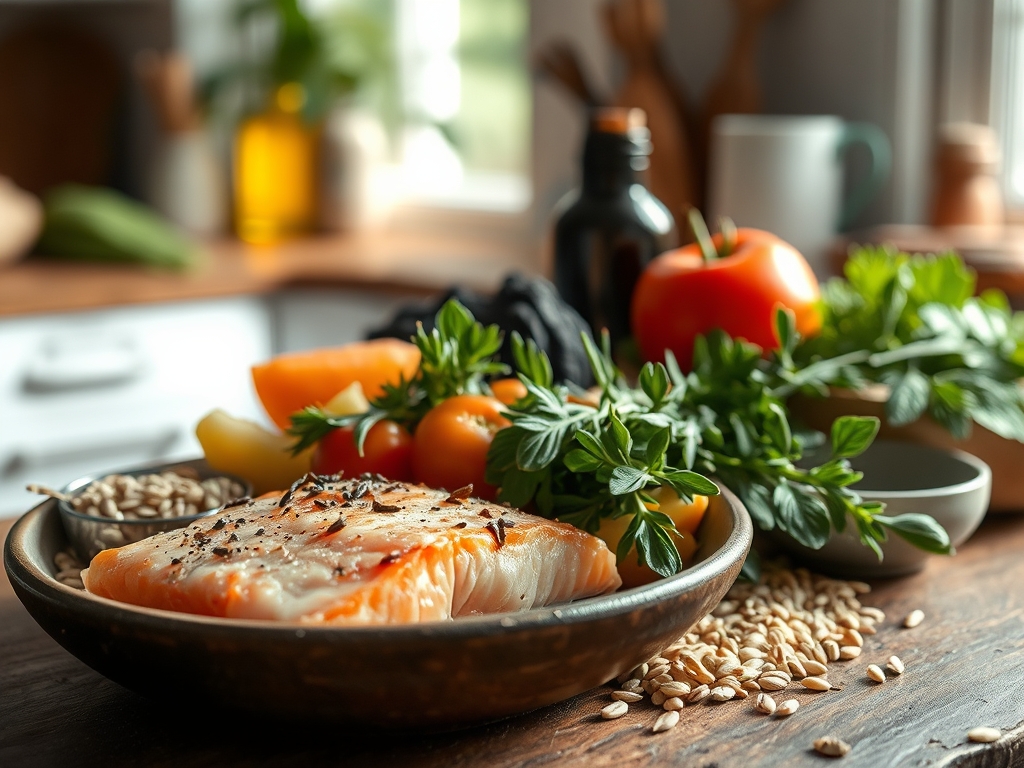
The mise-en-place is where the magic is born. To execute these salmon recipes mediterranean diet, your workstation must be a curated collection of high-quality lipids and aromatics. You will need center-cut Atlantic or Sockeye salmon fillets, ideally weighing 170 grams each to ensure uniform thermal penetration. Gather your fats: extra virgin olive oil with a high phenolic content for finishing and a refined avocado oil for high-heat searing. Your aromatics should include piquant capers, salt-cured Kalamata olives, and bulbs of garlic that feel heavy and tight in their skins.
For the botanical element, reach for flat-leaf parsley, woody rosemary, and bright dill. These are not mere garnishes; they are volatile aromatic compounds that infuse the proteins during the resting phase. Use a microplane to zest organic lemons, capturing the essential oils without the bitter white pith.
Smart Substitutions: If you cannot find fresh dill, dried oregano provides a robust earthy backbone. If you are watching sodium, swap traditional feta for a whipped goat cheese to maintain that creamy tang with less salt. For those avoiding nightshades, replace red pepper flakes with a dusting of smoked paprika to achieve that deep, smoldering hue without the capsaicin burn.
The Clock
Efficiency in the kitchen is about understanding the Chef's Flow. This is the rhythmic sequence of tasks that prevents bottlenecking at the stove. For these seven meals, expect a total prep time of 20 minutes and a cumulative cook time of 15 minutes per batch.
The flow begins with the protein. Pull your salmon from the refrigerator 20 minutes before cooking; this allows the internal temperature to rise, preventing a cold core when the exterior is perfectly browned. While the fish tempers, use a sharp chef's knife or a bench scraper to organize your chopped vegetables. If you are roasting vegetables like asparagus or cherry tomatoes, they go in first. They require a longer duration to undergo the Maillard reaction than the delicate fish. The goal is "simultaneous finish," where the salmon rests for exactly five minutes as the vegetables reach their peak tenderness.
The Masterclass
1. The Perfect Sear
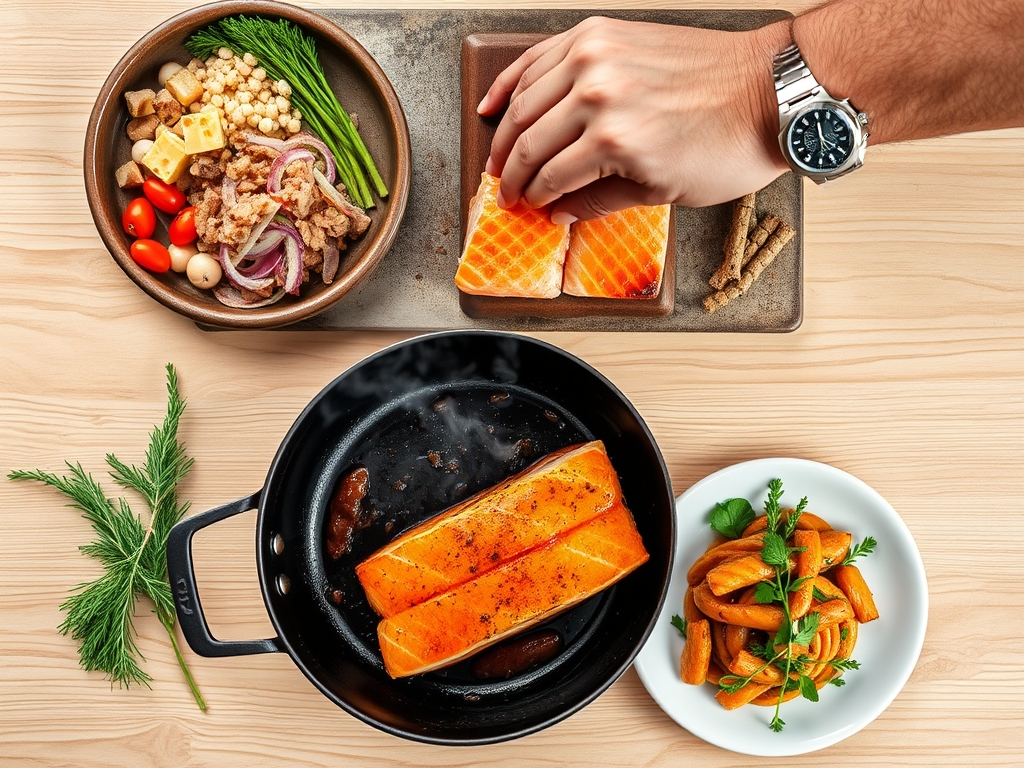
Pat the skin side of the salmon with a paper towel until it is bone dry. Moisture is the enemy of crispness. Heat your heavy-bottomed skillet until the oil shimmers but does not smoke. Place the fish skin-side down and press firmly with a flexible metal spatula for 30 seconds.
Pro Tip: This initial pressure prevents the protein fibers from curling as they contract, ensuring maximum surface area contact for even heat distribution and a superior crunch.
2. The Aromatics Infusion
Once the skin is crisp, toss in crushed garlic cloves and sprigs of rosemary. Tilt the pan and use a large spoon to baste the hot, flavored oil over the flesh side of the fish. This is known as arrosé, a French technique that gently cooks the top of the fillet while keeping it succulent.
Pro Tip: Basting creates a convective heat loop that speeds up the cooking process without toughening the delicate albumin proteins between the flakes.
3. The Deglaze
Remove the fish and immediately add a splash of dry white wine or vegetable stock to the pan. Use your spatula to scrape up the brown bits (the fond) stuck to the bottom. This is where the concentrated flavor lives.
Pro Tip: Deglazing captures the caramelized sugars and proteins that would otherwise be lost, creating a complex, savory base for a pan sauce.
4. The Emulsion
Whisk in a tablespoon of cold butter or a heavy drizzle of olive oil into the pan juices. The goal is to create a stable emulsion that is thick enough to coat the back of a spoon. Add your capers and lemon zest at the very end to preserve their bright, acidic notes.
Pro Tip: Adding fats at a lower temperature at the end prevents the emulsion from "breaking," ensuring a silky, viscous texture rather than a greasy mess.
5. The Rest
Transfer the salmon to a warm plate and let it sit for five minutes. This allows the juices, which have been pushed to the center by the heat, to redistribute throughout the fillet.
Pro Tip: Thermal carryover will continue to raise the internal temperature by about 5 degrees after you remove it from the heat. Pull the fish at 125 degrees Fahrenheit for a perfect medium-rare finish.
The Deep Dive
When we look at the macro nutrition of salmon recipes mediterranean diet, we are seeing a powerhouse of 35 grams of protein and roughly 15 grams of heart-healthy fats per serving. It is a low-glycemic index meal that prevents insulin spikes, making it ideal for sustained energy.
Dietary Swaps:
- Vegan: Swap the salmon for thick "steaks" of cauliflower or firm tofu pressed to remove excess water. Use nutritional yeast for a cheesy, Mediterranean funk.
- Keto: Double down on the healthy fats by adding a side of mashed avocado with lime and sea salt.
- GF: This entire menu is naturally gluten-free if you serve the salmon over quinoa or a bed of sautéed greens instead of couscous.
The Fix-It:
- The Fish is Sticking: You likely tried to flip it too early. The fish will naturally release from the pan once the proteins have fully caramelized.
- White Gunk on Top: This is albumin. It happens when you cook the fish too fast on high heat. Lower the flame and use the basting method to keep it gentle.
- Soggy Skin: Your pan wasn't hot enough, or the skin was damp. Use a hair dryer on the "cool" setting to dry the skin if you want to be truly professional.
Meal Prep: To reheat without turning your salmon into a rubber eraser, use the oven at a low 275 degrees Fahrenheit with a splash of water in the dish, covered tightly with foil. This creates a steam chamber that rehydrates the fibers.
The Wrap-Up
Mastering the art of salmon recipes mediterranean diet is a transformative skill that bridges the gap between clinical nutrition and gourmet indulgence. By focusing on the science of the sear and the chemistry of the emulsion, you turn a simple piece of seafood into a masterpiece of texture and flavor. Remember; the kitchen is your laboratory, and every meal is an opportunity to nourish your body with the highest quality fuel available. Now, grab those tongs and let the sizzle begin!
The Kitchen Table
How do I know if my salmon is cooked without a thermometer?
Use a cake tester or a thin metal skewer. Insert it into the thickest part of the fish for three seconds, then touch it to your bottom lip. If it feels warm but not hot, your salmon is perfectly medium.
Can I use frozen salmon for these recipes?
Yes, but you must thaw it completely in the refrigerator overnight. Pat it extremely dry with paper towels before cooking to remove the excess moisture that frozen fish often releases, which can prevent a proper sear.
What is the best way to store leftovers?
Place the cooked salmon in an airtight glass container for up to two days. Avoid plastic, which can retain fishy odors. For the best texture, eat cold over a salad rather than reheating in a microwave.
Why does my salmon smell "fishy" after cooking?
Fresh salmon should smell like the ocean, not "fishy." If it has a strong odor, the fats have begun to oxidize. Rinse the raw fillets in cold water and pat dry to remove surface bacteria before cooking.