
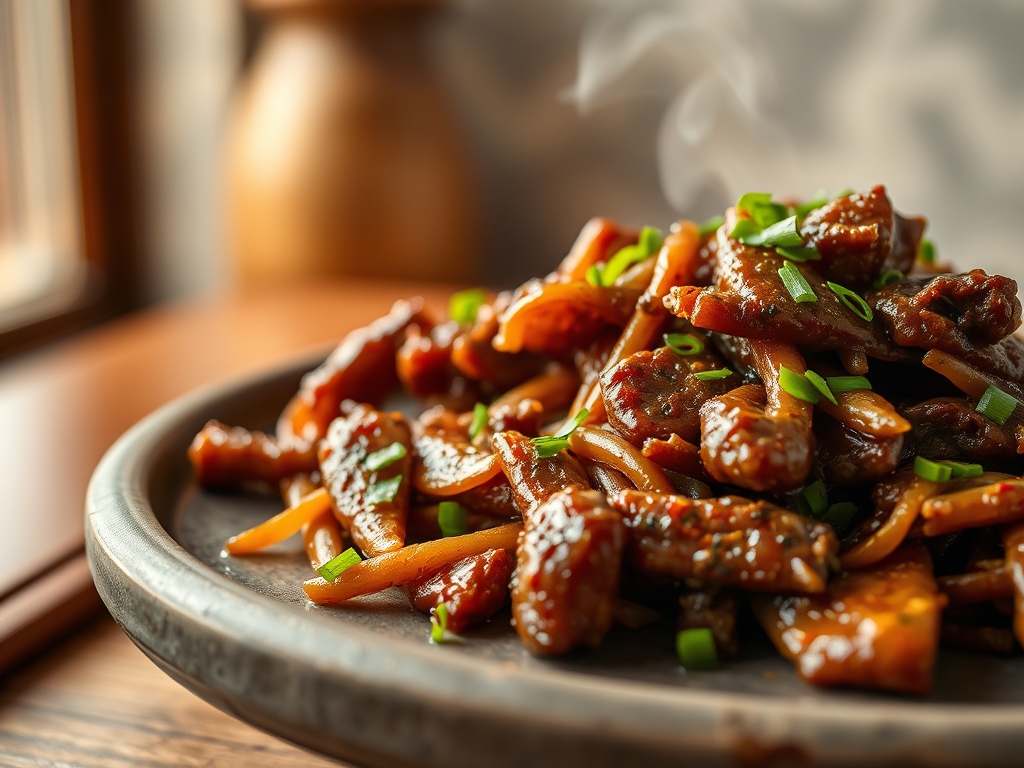
Picture a kitchen filled with the scent of fermented black beans and the sharp, piquant sting of toasted bird's eye chilies. Your eyes might water just a bit, but your mouth is already anticipating that first bite of velveted steak. Hunan beef recipes are not just about heat; they are about a complex, layered fire that dances across the palate. Unlike the sweeter, milder profiles of Cantonese cuisine, this is a bold, rustic, and unapologetically spicy journey into the heart of China's Xiang River region. We are going to master the art of the sear and the science of the marinade to bring that restaurant quality sizzle to your own stovetop.
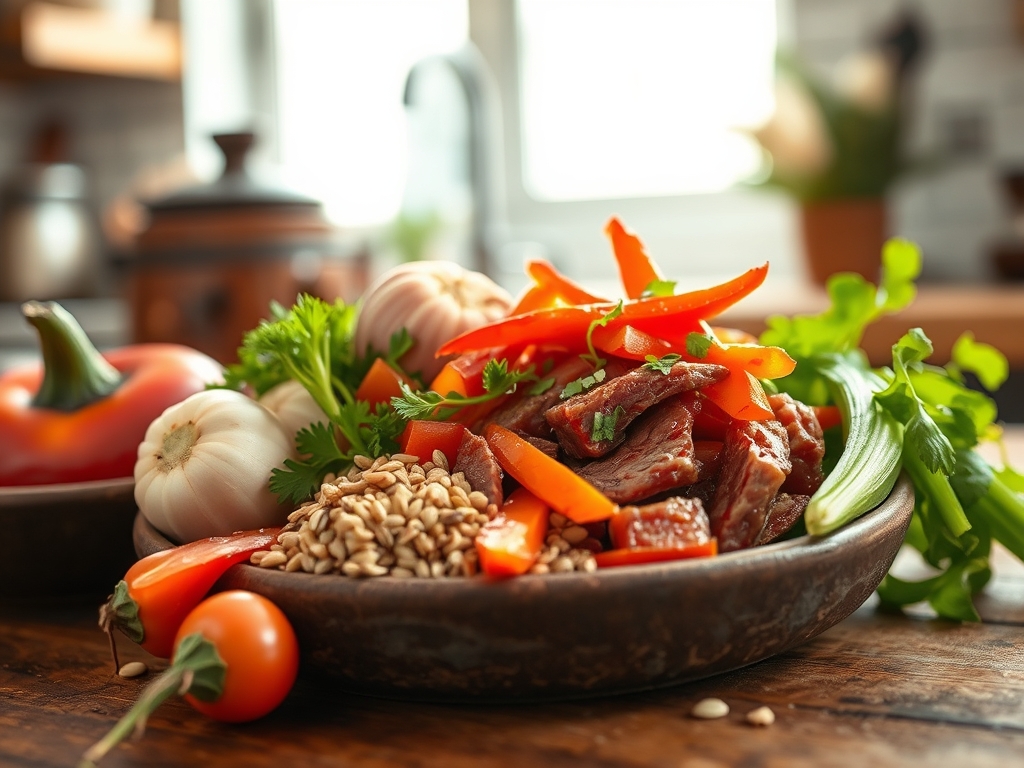
The Gathers:
To execute world class hunan beef recipes, your mise-en-place must be precise. Start with the protein: flank steak or top sirloin. You want a cut with a linear grain that we can manipulate for maximum tenderness. The aromatics are the soul of the dish. You will need fresh ginger, garlic, and a mountain of dried red chilies. The secret weapon is Doubanjiang, a fermented broad bean chili paste that provides a deep, savory umami base.
For your liquids, gather high quality light soy sauce for salt, dark soy sauce for that rich mahogany color, and Shaoxing wine to deglaze the pan. You will also need cornstarch and an egg white for the velveting process. Smart substitutions are your best friend here. If you cannot find Doubanjiang, a mixture of sambal oelek and a touch of miso paste can mimic that fermented funk. If you are dodging gluten, coconut aminos and a splash of fish sauce work wonders. Use a microplane to grate your ginger into a fine paste; this ensures the flavor is evenly distributed without any woody fibers ruining the texture of your sauce.
The Clock
The "Chef's Flow" is all about timing and heat management. While the total time is roughly 40 minutes, the actual cooking happens in a frantic, glorious five minute window. Spend 20 minutes on prep: slicing the beef, whisking the sauce, and chopping the vegetables. Allow 15 minutes for the beef to marinate. This is not just for flavor; the alkaline environment of the baking soda in the marinade breaks down tough muscle fibers. The final 5 minutes is the "Sprint." You need a heavy-bottomed skillet or a seasoned carbon steel wok screaming hot. If you crowd the pan, you will steam the meat instead of searing it. Work in batches to maintain high thermal mass.
The Masterclass
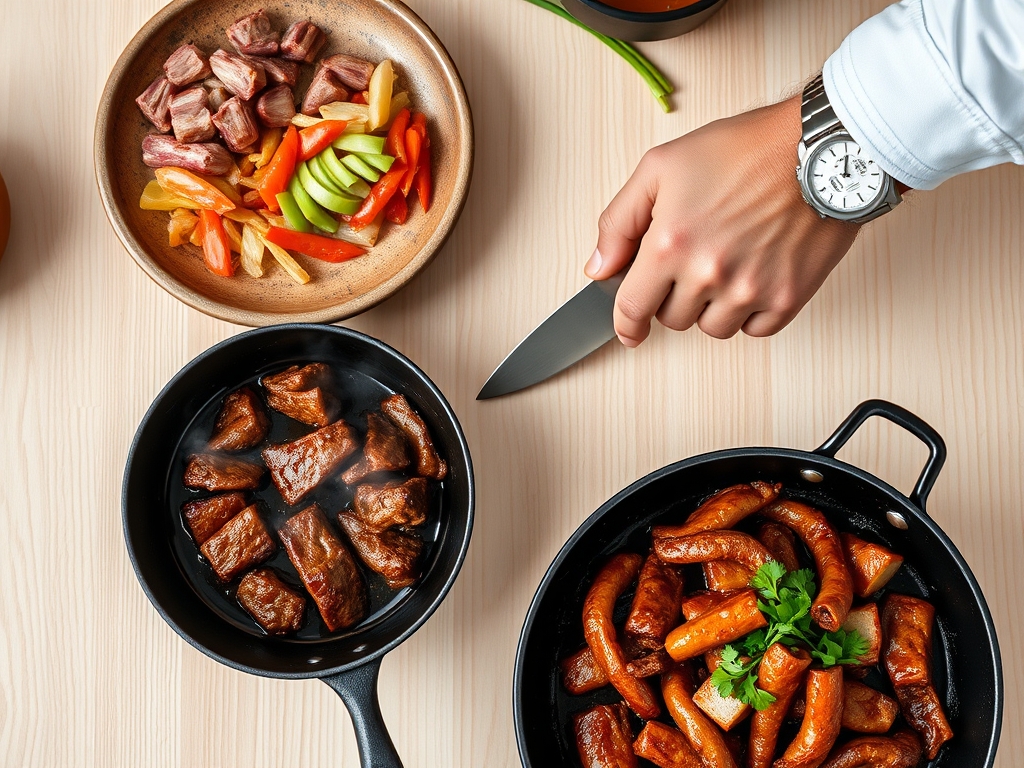
1. The Precision Slice
Freeze your beef for 20 minutes before starting. This firms up the fat and muscle, allowing you to use a sharp chef's knife to cut paper thin slices against the grain. Pro Tip: Slicing against the grain shortens the muscle fibers, which means your teeth have less work to do. This is the primary secret to "melt in your mouth" texture in all hunan beef recipes.
2. The Velveting Ritual
In a bowl, toss the beef with cornstarch, Shaoxing wine, a splash of oil, and a pinch of baking soda. Let it sit while you prep the rest. Pro Tip: This creates a protective starch barrier. When the beef hits the hot oil, the starch gelatinizes instantly, trapping moisture inside and preventing the proteins from tightening into tough knots.
3. Infusing the Oil
Heat your oil until it shimmers. Add your dried chilies and Sichuan peppercorns first. Stir them constantly with tongs or a spatula until they turn a dark, toasted red. Pro Tip: This is called "blooming" the spices. The heat extracts fat-soluble flavor compounds that stay dormant in dry spices, creating a deeply infused oil that carries the heat through the entire dish.
4. The High Heat Sear
Remove the spices and crank the heat. Add the beef in a single layer. Do not touch it for at least sixty seconds. Pro Tip: You are waiting for the Maillard reaction. This chemical reaction between amino acids and reducing sugars creates hundreds of different flavor compounds and that characteristic brown crust.
5. Aromatics and Vegetables
Push the beef to the sides and drop in your garlic, ginger, and scallion whites. Add your crunch: bell peppers, celery, or snap peas. Pro Tip: Use a bench scraper to quickly move your chopped aromatics from the board to the pan. Keeping the vegetables slightly undercooked ensures they retain their vibrant color and cellular structure, providing a textural contrast to the tender beef.
6. The Sauce Emulsification
Pour in your pre-mixed sauce (soy, Doubanjiang, sugar, and stock). Toss everything vigorously to coat. Pro Tip: As the liquid hits the hot pan, it reduces and thickens. The cornstarch from the beef marinade will emulsify with the oil and juices, creating a viscous, glossy glaze that clings to every surface.
The Deep Dive
From a macro perspective, hunan beef recipes are protein powerhouses. A standard serving offers roughly 35 grams of protein and 15 grams of fat. To keep it Keto, swap the cornstarch for xanthan gum and use liquid stevia instead of sugar. For a vegan version, use king oyster mushrooms sliced thin; they have a remarkably meaty texture and absorb the spicy sauce beautifully.
The Fix-It:
- Too Salty: If you overshot the soy sauce, add a splash of rice vinegar or a squeeze of lime. The acid cuts through saltiness.
- Too Thin: If the sauce is watery, whisk a teaspoon of cornstarch with cold water (a slurry) and pour it into the boiling sauce. It will thicken in seconds.
- Tough Meat: This usually means the pan was not hot enough or the meat was sliced with the grain. Next time, ensure the oil is at the smoking point before adding the protein.
Meal Prep: To maintain "day-one" quality, store the beef and sauce separately from your rice. When reheating, use a saucier on the stovetop with a tablespoon of water. This creates steam that re-hydrates the starch in the sauce, preventing it from becoming oily or broken in the microwave.
The Wrap-Up
Mastering hunan beef recipes is like learning a high energy dance. It requires preparation, speed, and a total lack of fear when it comes to heat. Once you understand the science of velveting and the power of blooming your spices, you will never look at takeout the same way again. Grab your wok, sharpen your knives, and get ready to set your kitchen (and your taste buds) on fire in the best way possible. You have the tools, the technique, and the fire; now go make something legendary.
The Kitchen Table
Why is my hunan beef tough?
Toughness usually results from skipping the velveting process or slicing with the grain. Always slice against the grain to shorten muscle fibers and use a cornstarch marinade to lock in moisture during high heat frying.
Can I make this dish less spicy?
Yes. The heat comes primarily from the chili seeds and the Doubanjiang. Remove the seeds from the dried chilies before cooking and reduce the amount of chili paste. You can add more hoisin sauce to balance the heat with sweetness.
What is the best beef for stir fry?
Flank steak is the gold standard for its flavor and texture. However, top sirloin or even skirt steak are excellent alternatives. Ensure you trim any heavy silver skin before slicing to prevent the meat from curling in the pan.
How do I get a glossy sauce?
A glossy, restaurant style sauce is achieved through proper emulsification. The cornstarch in your marinade or a final cornstarch slurry binds the fats and liquids together, creating a smooth, light reflecting coating on the beef and vegetables.