
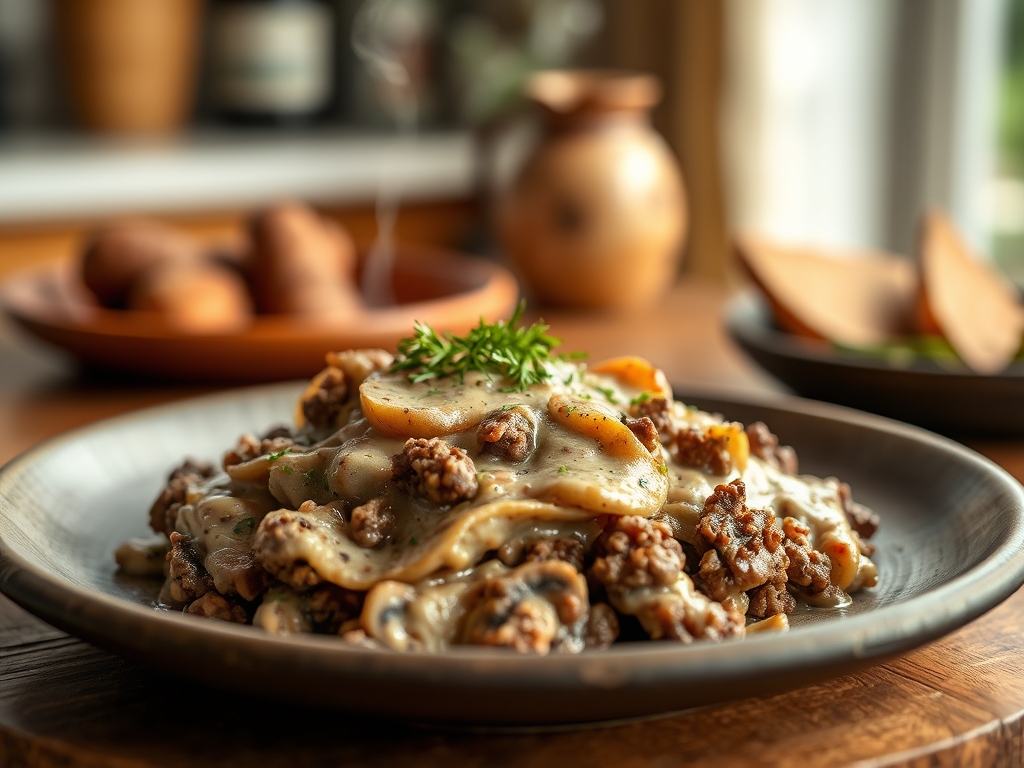
Picture this: you have just walked through the front door after a grueling day; your keys hit the counter with a heavy thud and the air feels thin and cold. You need more than just fuel; you need a culinary hug that coats your palate in velvet. This is where the magic of cream of mushroom ground beef recipes saves the evening. We are talking about the ultimate intersection of savory umami and nostalgic comfort. By leveraging the deep, earthy profile of fungi and the rich, Maillard-driven crust of seared beef, you create a flavor profile that is scientifically designed to trigger dopamine. Whether you are folding these ingredients into a classic stroganoff or layering them into a decadent tater tot hotdish, the goal is always the same: achieving a glossy, stable emulsion that clings to every morsel. We are moving beyond the basic "can-opener" cooking of the past. Today, we treat these pantry staples with the respect of a French saucier, using heat and chemistry to transform humble components into a high-density masterpiece of flavor.
The Gathers:
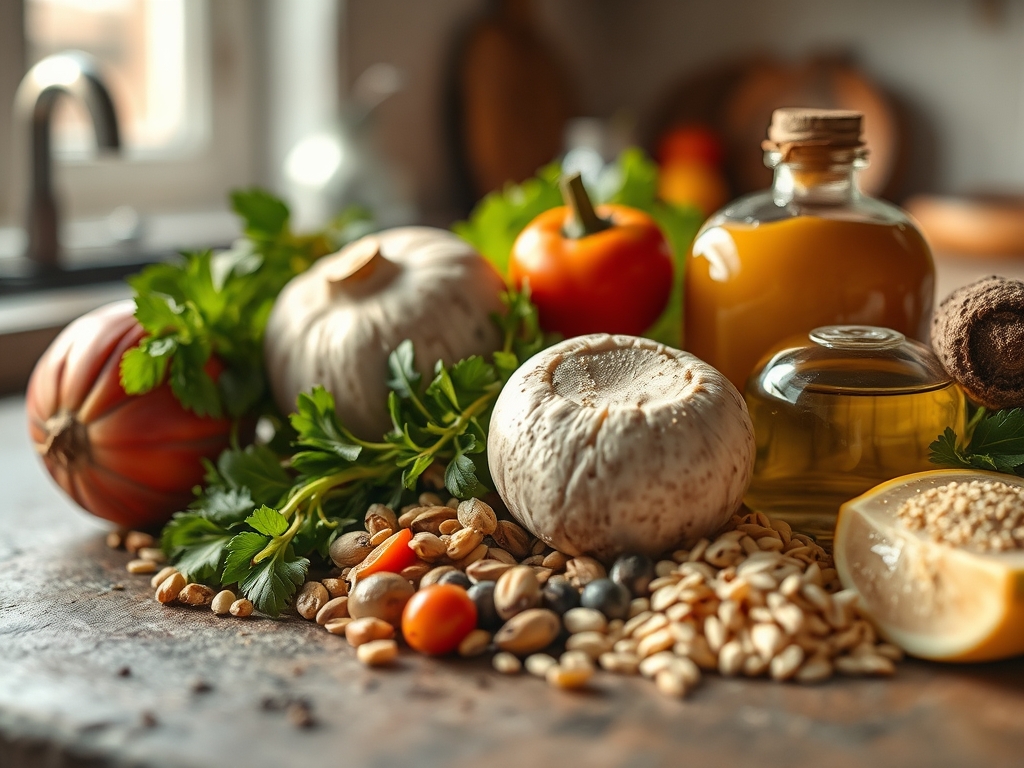
To master these cream of mushroom ground beef recipes, your mise-en-place must be precise. Start with 80/20 ground chuck; the 20 percent fat content is non-negotiable because it provides the lipids necessary to render and create a flavorful base for your roux. For the mushrooms, do not settle for just the canned variety. Gather fresh Cremini or Shiitake to add textural contrast. You will need a heavy-bottomed skillet, preferably cast iron or stainless steel, to ensure even heat distribution and prevent scorching.
Grab your digital scale to measure out sixteen ounces of beef and ten ounces of sliced mushrooms. For the aromatics, use a microplane to grate two cloves of garlic and one shallot; this increases the surface area, allowing the essential oils to infuse the fat almost instantly. Your "Smart Substitutions" include using Greek yogurt for a piquant tang if you run out of sour cream, or utilizing a splash of Worcestershire sauce to deepen the savory "meatiness" of the dish. If you are watching sodium, look for low-sodium condensed soups and supplement the flavor with fresh thyme and cracked black pepper.
The Clock: Chef's Flow
Efficiency in the kitchen is about managing the "Chef's Flow." Total prep time should clock in at 10 minutes, with a total cook time of 20 minutes. The secret is overlapping tasks. While your skillet preheats, use a bench scraper to move your chopped aromatics. The "Flow" dictates that you sear the beef first to develop a fond (those delicious brown bits), then sauté the mushrooms in the residual fat. This prevents the mushrooms from steaming and ensures they undergo enzymatic browning. By the time the pasta or rice is boiled, your sauce will be reaching its peak viscous state.
The Masterclass:
1. The Maillard Sear
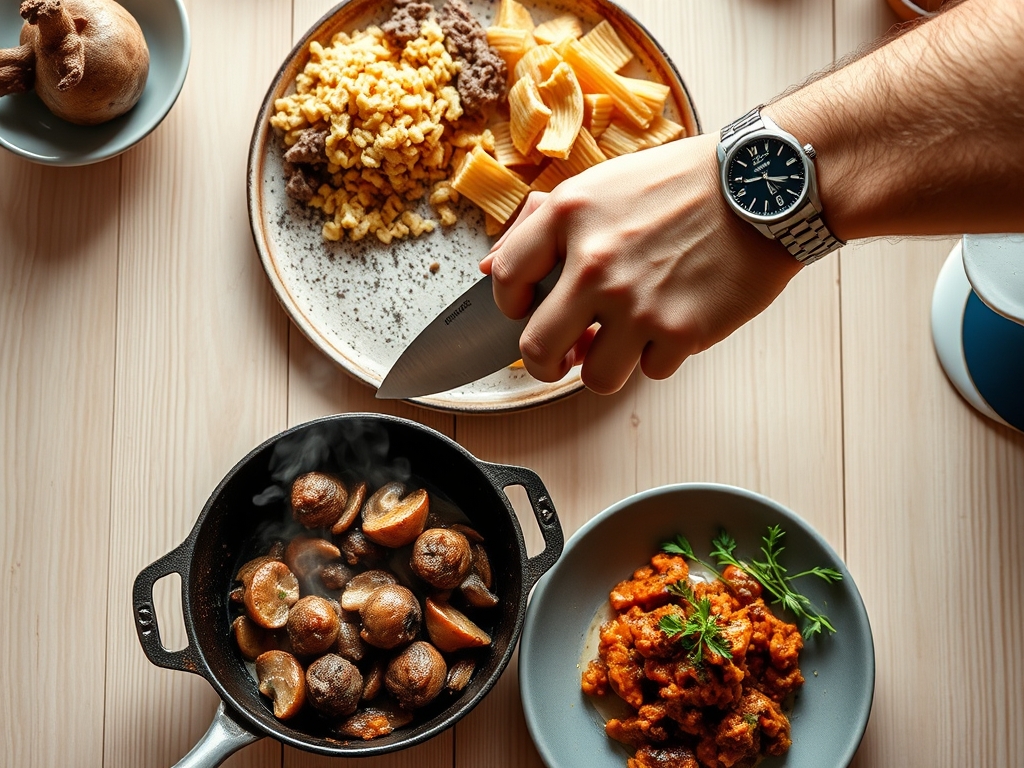
Place your beef in the hot skillet. Do not crowd the pan or the meat will boil in its own juices. Use a sturdy spatula to press the meat down, creating maximum contact.
Pro Tip: This stage relies on the Maillard Reaction, a chemical reaction between amino acids and reducing sugars that gives browned food its distinctive flavor. Avoid stirring for the first three minutes to allow a crust to form.
2. Deglaze and Extract
Once the meat is browned, remove it and add your mushrooms and shallots. As they release moisture, use a wooden spoon to scrape the bottom of the pan.
Pro Tip: This is called deglazing. The moisture from the vegetables dissolves the caramelized proteins stuck to the pan, incorporating that concentrated flavor back into your sauce base.
3. The Emulsion Bridge
Lower the heat and whisk in your cream of mushroom soup and a splash of beef stock or whole milk. Use a saucier whisk to ensure the edges of the pan are reached.
Pro Tip: You are creating a stable emulsion. The fats from the beef and the starches in the soup must be agitated together to prevent the sauce from "breaking" or becoming oily.
4. The Simmer and Temper
Return the beef to the pan. Let the mixture simmer on low for five minutes. If adding sour cream, do it at the very end off the heat.
Pro Tip: This prevents curdling. High heat causes dairy proteins to denature and clump. By "tempering" or adding dairy at a lower temperature, you maintain a silky, professional mouthfeel.
The Deep Dive:
Macro Nutrition: A standard serving of these recipes typically provides 350 to 450 calories, with roughly 25 grams of protein and 18 grams of fat. To optimize the nutrient density, always fold in a handful of spinach or kale at the end; the residual heat will wilt the greens without destroying their vitamin C content.
Dietary Swaps: For a Keto-friendly version, swap the pasta for roasted cauliflower or zucchini noodles. If you are going Gluten-Free, ensure your condensed soup is certified GF, as many use wheat flour as a thickener. For a Vegan twist, utilize a coconut-milk based mushroom soup and plant-based crumbles, adding a teaspoon of liquid smoke to mimic the "char" of real beef.
The Fix-It:
- The Sauce is Too Thin: Do not keep boiling it. Instead, whisk a teaspoon of cornstarch with cold water (a slurry) and stir it in. The starch granules will aerate and swell, thickening the liquid instantly.
- The Dish is Too Salty: Add a splash of acid, like lemon juice or apple cider vinegar. The acid masks the perception of salt on the tongue.
- The Beef is Tough: This is often due to thermal carryover. If you overcook the beef in the first step, it becomes rubbery. Aim for "just browned" before adding liquids.
Meal Prep Science: When reheating, the starches often absorb the moisture, leaving the dish dry. To achieve "day-one" quality, add a tablespoon of water or milk before microwaving. Cover the dish to create a steam chamber; this re-hydrates the protein fibers and restores the sauce's elasticity.
The Wrap-Up:
Mastering cream of mushroom ground beef recipes is like having a secret weapon in your culinary arsenal. It is the bridge between "I have nothing to eat" and a gourmet, soul-warming feast. By understanding the chemistry of the sear and the physics of a stable sauce, you have leveled up from a home cook to a kitchen scientist. Now, grab your favorite bowl, a heavy spoon, and enjoy the fruits of your labor. You have earned every savory, creamy bite!
The Kitchen Table:
How do I make the sauce extra creamy?
To increase creaminess, stir in a dollop of cream cheese or heavy cream during the final simmering stage. This adds extra milk solids and fats, which stabilize the emulsion and create a more luxurious, tongue-coating texture.
Can I freeze these recipes?
Yes, but do so carefully. Dairy-based sauces can separate when thawed. For best results, freeze the beef and mushroom mixture, then add fresh sour cream or milk while reheating to restore the original smooth consistency.
What is the best beef for this dish?
Use 80/20 ground chuck for the best flavor. The fat renders out to create a savory base for the mushrooms, while the higher fat content prevents the meat from becoming dry and granular during the simmering process.
Why are my mushrooms soggy?
Mushrooms are porous and hold water. To avoid sogginess, sauté them in a hot, dry pan first to evaporate their internal moisture before adding any oil or butter. This allows them to brown and develop a firm, meaty texture.