
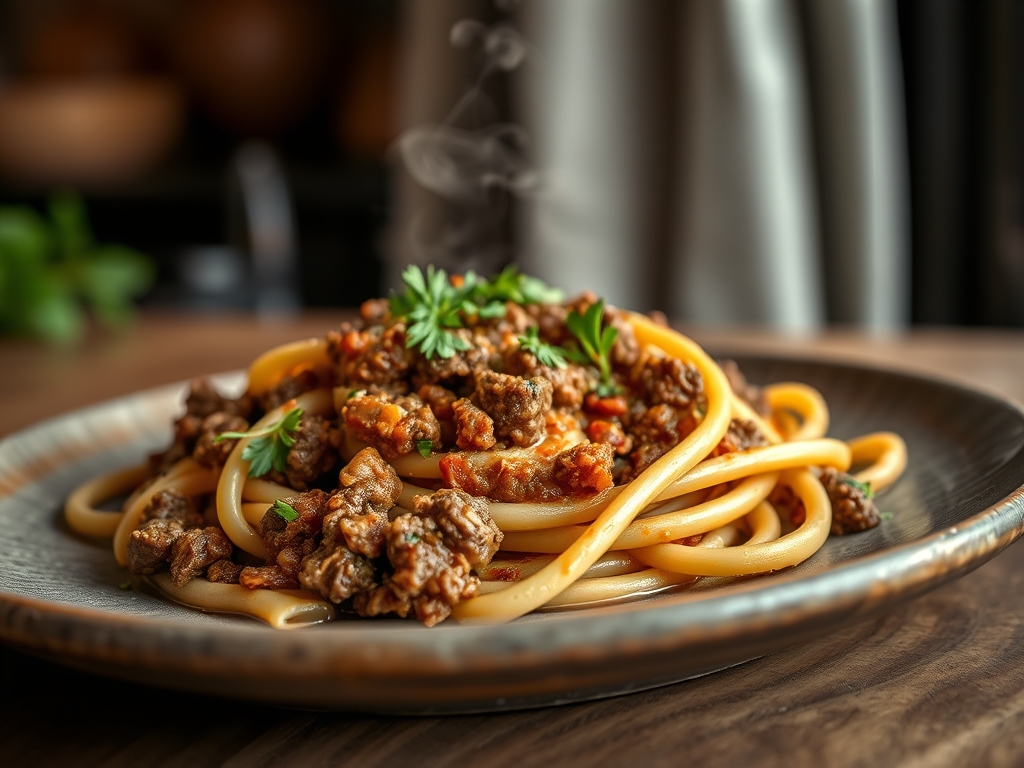
The scent of sizzling fat hitting a hot stainless steel surface is the universal siren song of a home-cooked meal. When you are craving comfort that actually sticks to your ribs; nothing competes with the architectural integrity of penne ground beef recipes. These tubular noodles act like tiny vaults; holding onto rich; savory sauces and melted cheese in a way that flat pasta simply cannot match. We are moving beyond basic meat sauce into the realm of professional-grade pasta bakes. Whether you are hosting a frantic weeknight dinner or a slow Sunday feast; these six variations provide the perfect structural foundation for a masterpiece. We are going to master the art of the perfect crust; the science of the emulsion; and the secret to beef that stays tender even after a trip through a four hundred degree oven.
The Gathers:
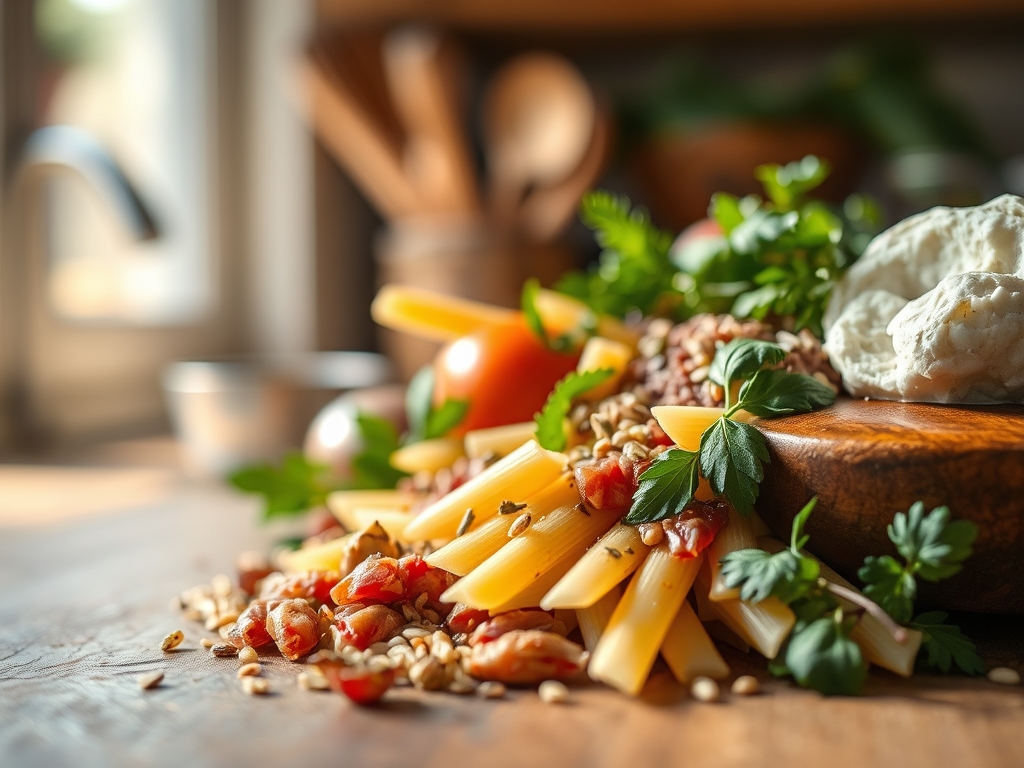
To achieve the results seen in the reference photos; your mise-en-place must be precise. Start with high-quality ground beef; ideally an 80/20 blend. This ratio ensures enough fat to render out; providing the lipid base for your aromatic base. You will need a heavy-bottomed skillet or a cast iron pan to facilitate even heat distribution. For the pasta; look for penne rigate; those ridges are not just for aesthetics; they increase the surface area for sauce adhesion.
Your pantry should include high-smoke point oils; kosher salt; and a block of aged Parmigiano-Reggiano. Avoid the pre-shredded stuff; it is coated in potato starch that prevents a smooth melt. Grab your microplane for the cheese and a bench scraper to tidy up your vegetable prep.
Smart Substitutions: If you want to lighten the profile; swap the beef for ground turkey but add a teaspoon of Worcestershire sauce to mimic the umami depth of red meat. For a dairy-free richness; use a splash of starchy pasta water and a nutritional yeast slurry to create a viscous coating without the heavy cream.
The Clock
Efficiency in the kitchen is about understanding the Chef's Flow. This is the sequence of operations that ensures no burner is idle. Total active prep time for these penne ground beef recipes is approximately 20 minutes; with a 25-minute bake.
Start by bringing a large pot of salted water to a rolling boil. While the water heats; begin browning your meat. The goal is to have the pasta reach al dente exactly when your sauce has finished its initial reduction. By the time you are tossing the two together; your oven should be preheated and ready for the final Maillard reaction on the cheese topping. Total time from pantry to table is roughly 45 to 50 minutes.
The Masterclass
1. The Sear and Render
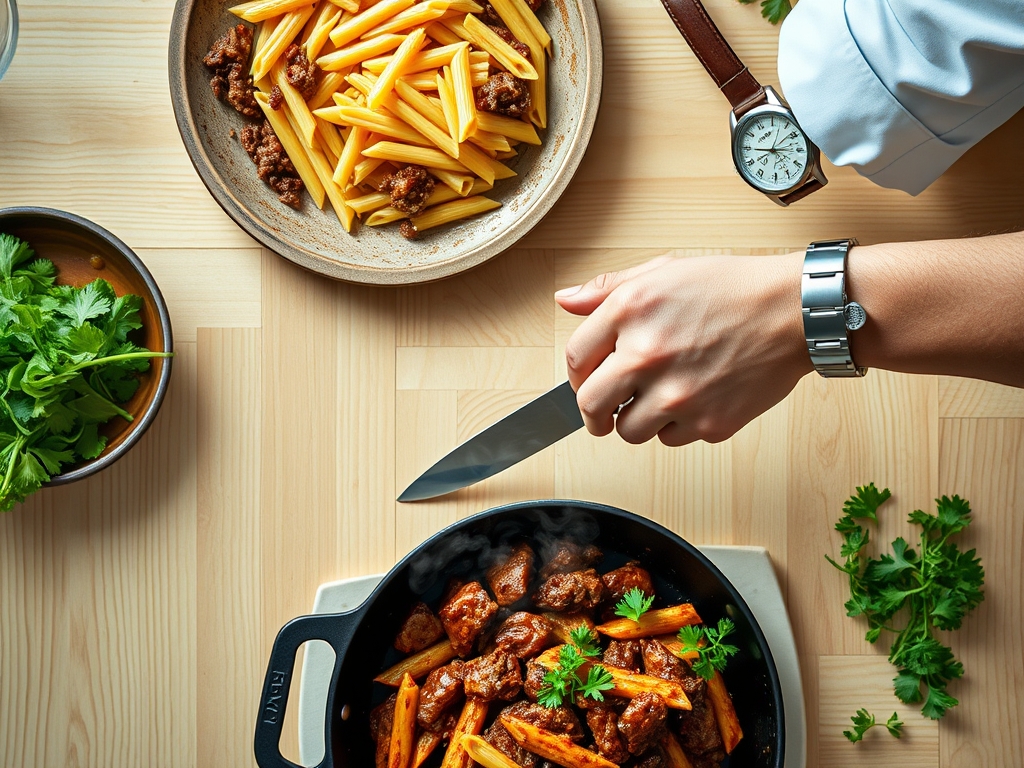
Place your beef in a cold heavy-bottomed skillet and turn the heat to medium-high. Do not crowd the pan; if the meat is too packed; it will steam in its own moisture rather than brown. Use a stiff spatula to break the meat into small; uniform crumbles.
Pro Tip: This stage is all about enzymatic browning. By letting the meat sit undisturbed for three minutes before stirring; you allow the amino acids and sugars to react; creating deep flavor compounds that cannot be replicated later.
2. Deglaze and Infuse
Once the meat is browned; remove it with a slotted spoon; leaving the fat behind. Toss in your minced garlic and shallots. Use a splash of dry red wine or beef stock to deglaze the pan; scraping up the fond (those brown bits on the bottom).
Pro Tip: Deglazing is a chemical process where the liquid dissolves the caramelized proteins. This creates a complex; piquant base for your sauce that adds layers of "hidden" flavor.
3. The Al Dente Boil
Cook your penne in water that tastes like the sea. Aim for two minutes less than the package directions. The pasta will continue to cook in the oven; absorbing the sauce like a sponge.
Pro Tip: This prevents the pasta from becoming mushy. The thermal carryover during the baking phase will finish the hydration of the starch granules perfectly inside the oven.
4. Emulsifying the Sauce
Combine your meat; aromatics; and tomato base. Add a half-cup of starchy pasta water. Stir vigorously with a saucier or wooden spoon until the sauce looks glossy and clings to the noodles.
Pro Tip: Starchy pasta water acts as an emulsifier. It binds the fats from the beef to the water-based tomato sauce; creating a cohesive; viscous coating rather than a greasy puddle.
5. The Cheese Structural Layer
Layer half the pasta in a baking dish; add a layer of mozzarella and ricotta; then top with the remaining pasta. Finish with a heavy dusting of parmesan.
Pro Tip: Placing cheese in the middle creates "pockets of joy." It also helps the bake hold its shape when sliced; as the melted proteins act as a culinary glue.
6. The Final Bake and Rest
Bake at 400 degrees until the top is golden and bubbling. Crucially; let the dish rest for ten minutes after removing it from the heat.
Pro Tip: Resting allows the internal temperature to stabilize and the sauce to set. If you cut into it immediately; the sauce will run to the edges; leaving the center dry.
The Deep Dive
Macro Nutrition: A standard serving of these penne ground beef recipes provides roughly 450 calories; with 28g of protein; 40g of carbohydrates; and 18g of fat. To increase fiber; use whole-wheat penne or add finely diced zucchini to the meat mixture.
Dietary Swaps: For a Keto version; swap penne for roasted cauliflower florets. For Vegan guests; use plant-based crumbles and a cashew-based "mozzarella." Gluten-free diners should look for corn or quinoa-based penne; which holds its shape better than rice-only versions.
The Fix-It:
- Oily Sauce: If the fat separates; stir in a tablespoon of cold butter or a splash of pasta water to re-emulsify.
- Dry Pasta: If the bake looks parched; pour a quarter cup of warm beef broth over the top before the final five minutes of baking.
- Burnt Cheese: If the top browns too fast; tent the dish with foil to allow the interior to heat without scorching the surface.
Meal Prep: To maintain "day-one" quality; reheat leftovers in a covered dish with a teaspoon of water. This creates steam that re-hydrates the starch; preventing the rubbery texture often found in microwave reheating.
The Wrap-Up
Mastering penne ground beef recipes is a rite of passage for any home cook. It is the perfect marriage of chemistry and comfort. By focusing on the sear; the emulsion; and the rest period; you elevate a simple casserole into a restaurant-quality experience. Remember; the ridges on your penne are there to work for you; so make sure your sauce is thick enough to fill them. Now; grab your tongs; preheat that oven; and go create something delicious.
The Kitchen Table
Can I cook the pasta directly in the sauce?
Yes; but you must increase the liquid ratio. The starch released from the dry pasta will thicken the sauce significantly. This "one-pot" method requires constant stirring to prevent the bottom from scorching against the pan.
What is the best beef to fat ratio?
An 80/20 or 85/15 blend is ideal. The fat provides essential flavor and moisture during the baking process. If you use leaner meat; add a tablespoon of olive oil to prevent the dish from becoming too dry.
How do I prevent the cheese from sticking to the foil?
Lightly spray the underside of the foil with non-stick cooking spray before covering the dish. Alternatively; ensure the foil is tented high enough so it does not physically touch the molten cheese surface during the bake.
How long does beef pasta bake last in the fridge?
When stored in an airtight container; it remains fresh for three to four days. For longer storage; you can freeze the unbaked dish for up to three months; then bake directly from frozen for an easy future meal.