
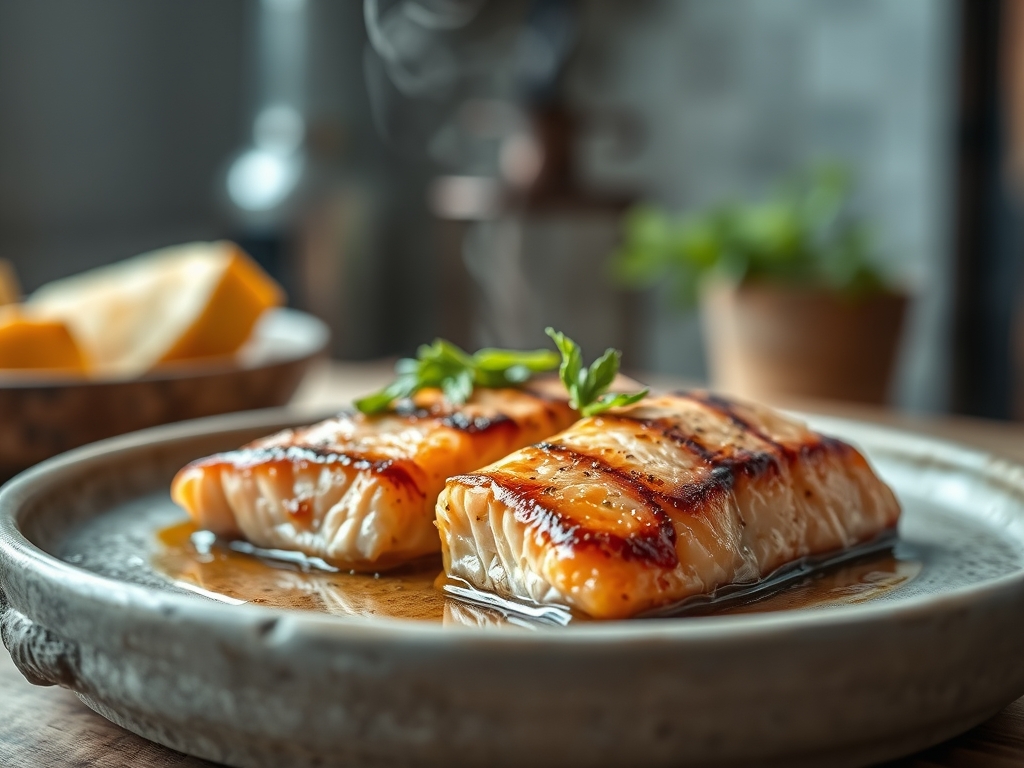
Close your eyes and listen for that distinctive, aggressive sizzle that occurs the moment cold protein meets a shimmering, oil-slicked heavy-bottomed skillet. That sound is the overture to one of the most rewarding kitchen victories: mastering tasty salmon recipes. When you get it right, the skin shatters like glass while the interior remains a buttery, translucent pink that flakes with the mere suggestion of a fork. It is a delicate balance of heat management and timing that transforms a raw fillet into a centerpiece. We are moving beyond the dry, chalky fillets of the past and diving into the molecular magic that makes this fish a culinary powerhouse. Whether you are searing, poaching, or air-frying, the goal is always the same: achieving that perfect textural contrast. Salmon is uniquely forgiving due to its high lipid content, yet it demands respect for its cellular structure. We are going to explore seven distinct methods that ensure your dinner is never boring. Grab your apron and your favorite tongs; we are about to turn your kitchen into a high-end bistro.
The Gathers:
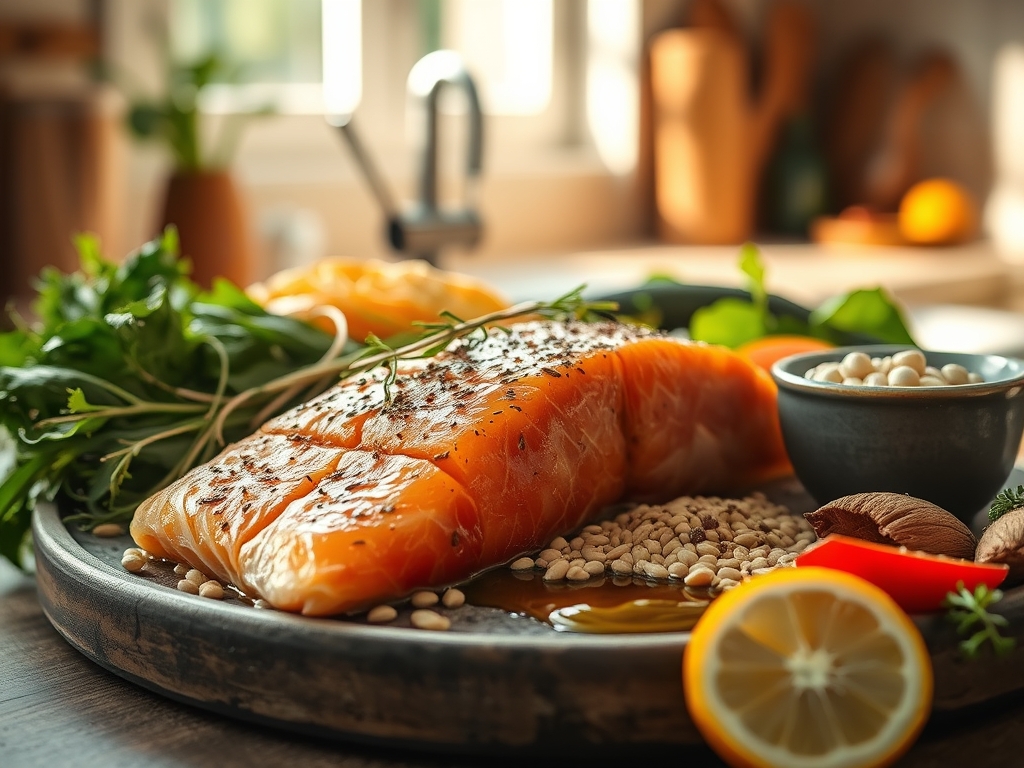
Before we apply heat, we must respect the mise-en-place. To execute these tasty salmon recipes, you need high-quality Atlantic or King salmon fillets, preferably center-cut for uniform thickness. You will also need a high-smoke-point fat like avocado oil or clarified butter to facilitate the Maillard reaction without scorching. Gather your aromatics: fresh dill, flat-leaf parsley, and garlic cloves that have been smashed to release their allicin compounds. For the acidic component, use a microplane to zest organic lemons; the essential oils in the zest provide a more viscous and intense flavor than the juice alone. You will also need flaky sea salt and freshly cracked black pepper to provide a tactile crunch.
Smart Substitutions: If you are out of fresh herbs, a concentrated pesto or a dry rub of smoked paprika and cumin can infuse the flesh with deep, earthy notes. For those avoiding dairy, replace butter with a rich, cold-pressed olive oil or a spoonful of white miso paste to add that essential umami depth. If you cannot find fresh fillets, high-quality frozen portions work beautifully if thawed slowly in the refrigerator to maintain their cellular integrity.
The Clock:
Mastering the "Chef's Flow" is about synchronizing your prep with the thermal properties of the fish. Total preparation time for most of these methods is a brisk ten minutes, while active cooking ranges from six to fifteen minutes depending on the technique. The "Chef's Flow" dictates that you season your fish at least five minutes before it hits the pan to allow the salt to penetrate the surface fibers.
While the salmon rests after cooking, you have a five-minute window to deglaze your pan and create a pan sauce in a small saucier. This ensures that the fish and the accompaniment reach the plate at the same temperature. Never rush the preheating phase; a cold pan is the enemy of crispy skin. Allow your skillet to reach a point where a drop of water beads and dances across the surface before adding your fat.
The Masterclass:
1. The Crispy Skin Sear
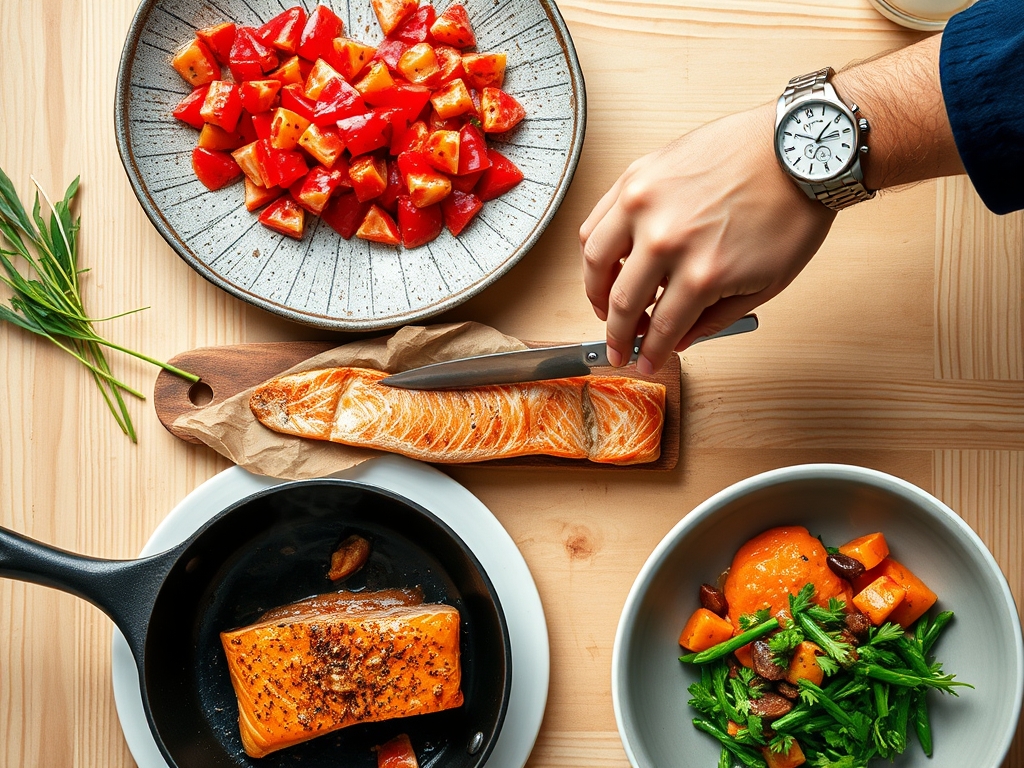
Place the fillet skin-side down in a preheated heavy-bottomed skillet with a tablespoon of high-heat oil. Use a flexible fish spatula to press down firmly for thirty seconds. This prevents the skin from curling as the proteins contract. Cook eighty percent of the way on the skin side until the flesh turns opaque halfway up the side.
Pro Tip: This method relies on conductive heat transfer. By keeping the skin in contact with the hot metal, you render the subcutaneous fat, which essentially deep-fries the skin in its own lipids for maximum crunch.
2. The Slow-Roasted Confit
Submerge the fillets in a shallow baking dish filled with extra virgin olive oil, aromatics, and citrus slices. Bake at a low 275 degrees Fahrenheit until the fish is just tender. The oil acts as a thermal buffer, preventing the moisture from evaporating.
Pro Tip: Low-temperature roasting prevents the coagulation of albumin, that white protein that often leaks out of overcooked salmon. This keeps the texture silky and succulent.
3. The Parchment Steam (En Papillote)
Fold the salmon into a parchment paper pouch with a splash of dry white wine and julienned vegetables. Seal the edges tightly and bake. The trapped steam creates a pressurized environment that cooks the fish rapidly while keeping it incredibly moist.
Pro Tip: This technique utilizes convection within the pouch. The steam gently unfolds the protein strands without toughening them, making it the healthiest way to preserve delicate flavors.
4. The Miso-Glaze Broil
Whisk together miso paste, mirin, and honey, then brush it over the top of the fillet. Place it under the broiler for five to seven minutes. The high sugar content in the glaze will caramelize quickly, creating a savory-sweet crust.
Pro Tip: This triggers enzymatic browning at an accelerated rate. The intense overhead heat creates a charred exterior while the interior remains medium-rare due to the short exposure time.
5. The Butter-Poached Saucier Method
Gently simmer the salmon in a bath of emulsified butter and lemon juice. Use a spoon to continuously baste the top of the fish with the hot liquid. This creates an incredibly rich, melt-in-your-mouth experience.
Pro Tip: Poaching in fat rather than water prevents the water-soluble flavor compounds from leaching out. It creates a viscous mouthfeel that is unparalleled in luxury.
6. The Air-Fryer Quick Crisp
Rub the salmon with a dry spice blend and place it in the air fryer basket at 400 degrees Fahrenheit for eight minutes. The high-velocity air creates an even, golden exterior without the need for excess oil.
Pro Tip: Air fryers are essentially mini convection ovens. The rapid air movement removes surface moisture instantly, facilitating the Maillard reaction even on the non-skin side of the fish.
7. The Cast Iron Blackening
Coat the fish in a heavy layer of Cajun spices and sear it in a smoking-hot cast iron pan. The spices form a dark, flavorful crust that protects the tender meat inside.
Pro Tip: The high heat capacity of cast iron ensures the pan temperature does not drop when the fish is added. This allows for thermal carryover, where the fish continues to cook even after being removed from the heat.
The Deep Dive:
Salmon is a nutritional titan, packed with Omega-3 fatty acids, high-quality protein, and Vitamin B12. A standard six-ounce serving provides roughly 34 grams of protein and 18 grams of healthy fats. For those on specific diets, salmon is naturally Keto and Gluten-Free. To make it vegan, you can apply these same seasoning and searing techniques to "salmon" steaks made from marinated watermelon or pressed tofu, though the cooking times will vary significantly.
The Fix-It: If your salmon is sticking to the pan, do not force it; it will naturally release once the skin has fully dehydrated and crisped. If the fish looks "white and chalky," you have overcooked it; next time, pull it off the heat when the internal temperature hits 125 degrees Fahrenheit. If your skin is soggy, you likely did not pat the fish dry enough with paper towels before cooking. Moisture is the enemy of the crunch.
Meal Prep: To reheat salmon without it becoming rubbery, avoid the microwave. Instead, place it in a cold oven and set the temperature to 275 degrees. As the oven warms, the fish will gently reach temperature without losing its structural integrity.
The Wrap-Up:
Mastering these tasty salmon recipes is about more than just following a timer; it is about understanding the relationship between fat, heat, and protein. Once you grasp how to control the Maillard reaction and manage thermal carryover, you can cook any piece of fish with total confidence. Salmon is a versatile canvas that rewards curiosity and precision. So, go ahead and experiment with different glazes and textures. Your kitchen is your laboratory, and the results are going to be absolutely delicious.
The Kitchen Table:
How do I know when salmon is done?
The most reliable method is using a digital thermometer to check for an internal temperature of 125 to 130 degrees Fahrenheit. Alternatively, the flesh should gently flake apart when pressed with a fork but remain slightly translucent in the center.
Should I leave the skin on?
Yes, even if you do not plan to eat it. The skin acts as a protective thermal barrier that prevents the delicate flesh from drying out against the hot pan. It also contains a high concentration of healthy Omega-3 oils.
Why does my salmon have white stuff on it?
That white substance is albumin, a liquid protein that solidifies when heated. It is perfectly safe to eat, but its presence usually indicates the fish was cooked too quickly or at a temperature that was too high.
Can I cook salmon from frozen?
While possible in an air fryer or oven, it is not ideal for searing. For the best texture, thaw the salmon overnight in the refrigerator. This preserves the cell walls and ensures even heat distribution during the cooking process.