
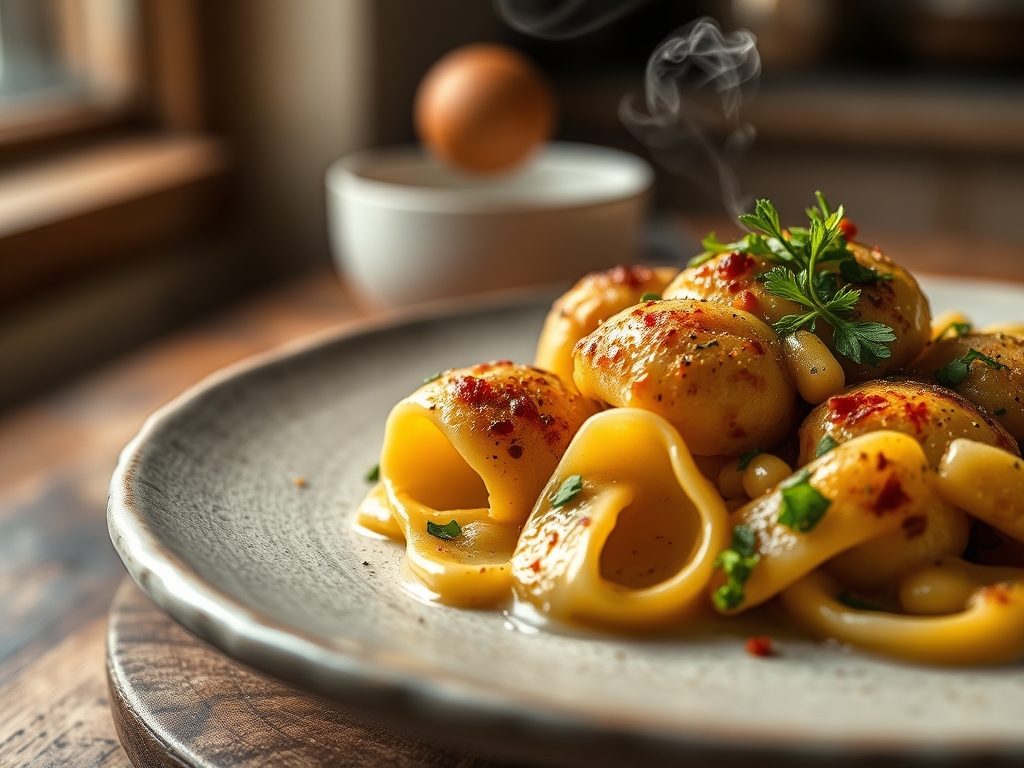
Picture a heavy bottomed skillet resting on a blue flame; the air is thick with the scent of garlic confit and searing poultry. When you are craving comfort that feels both sophisticated and effortless, tortellini chicken recipes offer the ultimate textural playground. We are talking about silk-skinned pasta pockets meeting the savory, golden crust of perfectly rendered chicken thighs. It is a marriage of convenience and high culinary art.
The magic of these dishes lies in the contrast. You have the chewy, al dente resistance of the pasta contrasting against the tender, succulent fibers of the chicken. Whether you are tossing them in a bright lemon butter sauce or a deep, viscous sun dried tomato cream, the goal is always a cohesive emulsion that clings to every curve. We are moving beyond basic boiling. We are talking about layering flavors through deglazing and strategic simmering. This is about transforming a few pantry staples into a weeknight masterpiece that tastes like a three day labor of love. Grab your favorite apron and a glass of crisp white wine; we are about to elevate your dinner rotation with scientific precision and a whole lot of soul.
The Gathers:
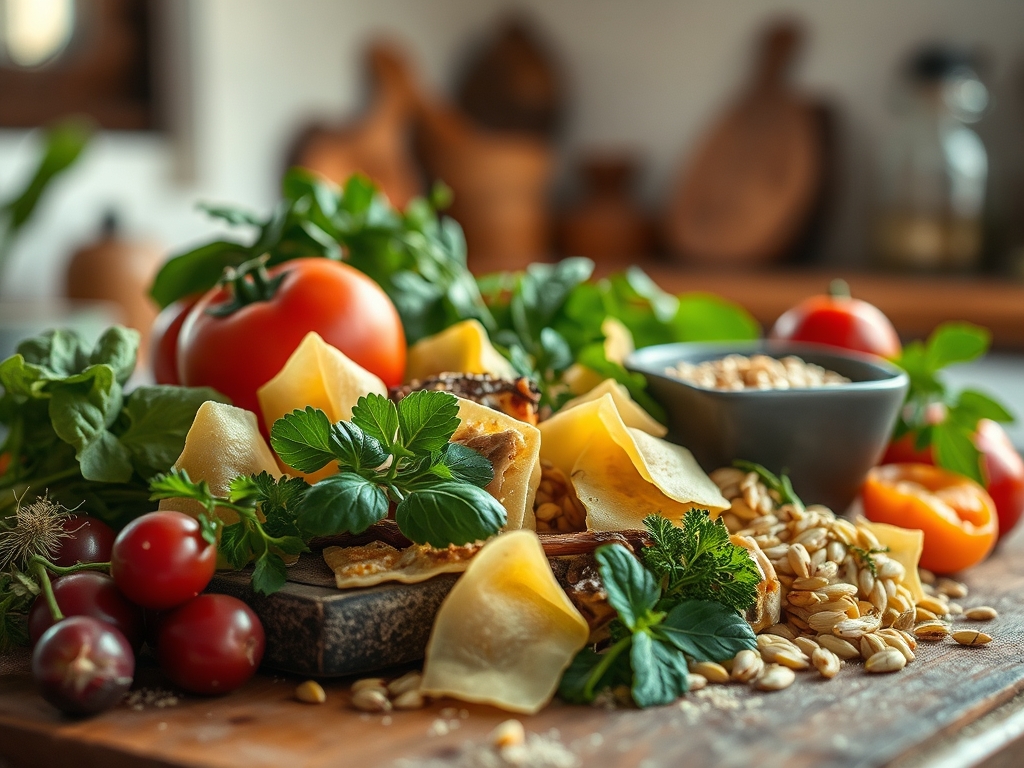
To execute world class tortellini chicken recipes, your mise-en-place must be impeccable. Start with the protein. I recommend organic chicken thighs over breasts because they contain more connective tissue, which breaks down into gelatin to thicken your sauce. For the pasta, look for high quality refrigerated tortellini; these have a higher moisture content than dried versions, allowing for a more supple mouthfeel.
Your aromatics are the backbone of the dish. You will need shallots for their delicate sweetness and garlic that you will grate with a microplane to ensure the essential oils are fully released into the fat. High fat heavy cream is essential for a stable emulsion, while a block of aged Parmigiano Reggiano provides the salty, umami punch needed to balance the richness.
Smart Substitutions:
If you are looking to lighten the profile, swap heavy cream for full fat Greek yogurt added at the very end to prevent curdling. For a gluten free alternative, use chickpea based tortellini, but be mindful of their shorter structural integrity under heat. If you want to increase the piquant notes, a tablespoon of capers or a splash of dry vermouth during the deglazing phase will brighten the entire flavor profile.
The Clock
The beauty of these recipes is the "Chef's Flow," a concept where prep and cooking happen in a synchronized dance to minimize downtime. Expect a total active time of 30 minutes. The first 10 minutes are dedicated to the "Cold Prep," where you dice your chicken and mince your herbs. The following 20 minutes are the "Hot Phase."
By the time your water reaches a rolling boil, your chicken should already be browning in the skillet. This overlap ensures that the pasta finishes exactly when the sauce reaches its peak viscosity. Never let your pasta sit in a colander for more than sixty seconds; the residual heat will cause the starches to set, leading to a gummy texture. We aim for a seamless transition from pot to pan.
The Masterclass
1. The Maillard Sear
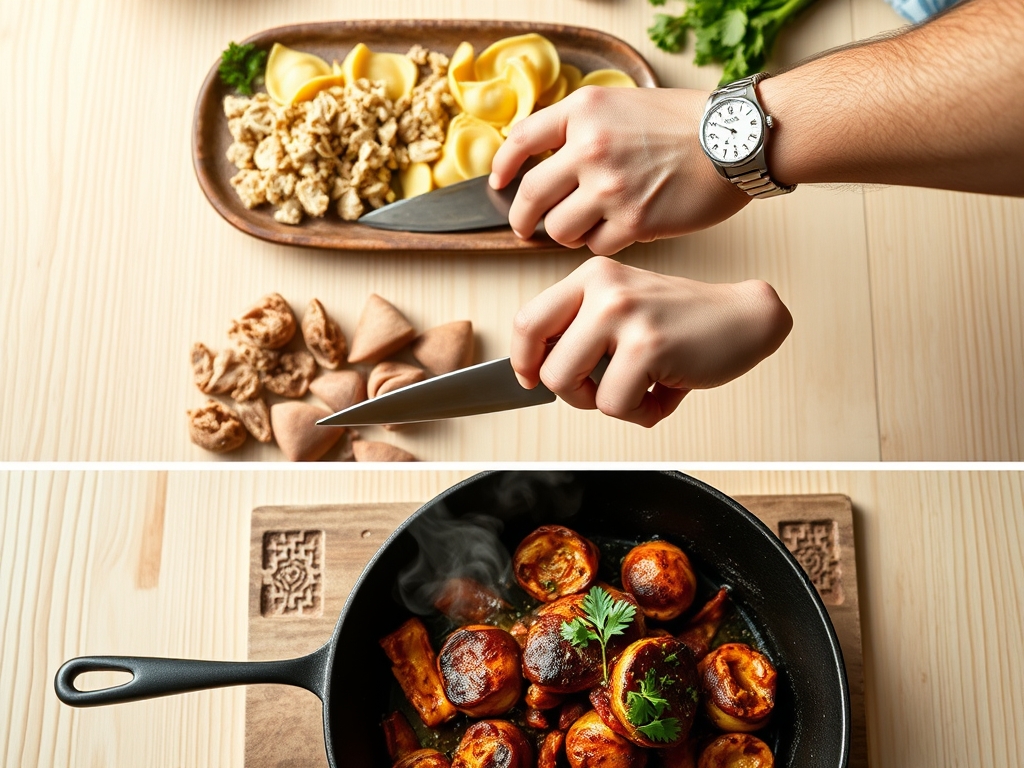
Pat your chicken dry with paper towels to remove surface moisture. Heat your heavy-bottomed skillet over medium-high heat with a high smoke point oil like avocado oil. Place the chicken in the pan and leave it undisturbed for three minutes. Use tongs to flip only once a deep mahogany crust has formed.
Pro Tip: This crust is the result of the Maillard Reaction, a chemical reaction between amino acids and reducing sugars. Moisture is the enemy of browning; if the chicken is wet, it will steam instead of sear, resulting in a rubbery texture.
2. Deglazing the Fond
Once the chicken is removed, you will see brown bits stuck to the bottom of the pan. This is "fond," or concentrated flavor. Pour in a splash of chicken stock or white wine and use a wooden spoon to scrape these bits into the liquid.
Pro Tip: This process is called deglazing. The liquid acts as a solvent, dissolving the caramelized proteins and incorporating them into your base sauce, providing a depth of flavor that salt alone cannot achieve.
3. Emulsifying the Sauce
Lower the heat and add your cream and aromatics. Whisk constantly as the liquid reduces. You are looking for the sauce to coat the back of a spoon, a state known as "nappe."
Pro Tip: Emulsification is the process of forcing two immiscible liquids, like fat and water, into a stable mixture. The proteins in the cream act as stabilizers, preventing the fat from separating into an oily mess.
4. The Al Dente Marriage
Drop your tortellini into salted boiling water. Cook them for exactly one minute less than the package directions. Transfer them directly into the simmering sauce using a spider strainer, bringing a small amount of starchy pasta water with them.
Pro Tip: Finishing the pasta in the sauce allows for starch gelatinization. The pasta absorbs the flavorful sauce into its structure while the starchy water helps bind the sauce to the pasta's exterior.
5. The Final Infusion
Turn off the heat before adding your fresh herbs and grated cheese. Toss vigorously to incorporate air and create a glossy finish.
Pro Tip: This is known as thermal carryover. The residual heat is enough to melt the cheese and wilt the herbs without destroying their volatile aromatic compounds or breaking the emulsion of the sauce.
The Deep Dive
From a macro perspective, tortellini chicken recipes are a powerhouse of protein and complex carbohydrates. A standard serving provides roughly 35 grams of protein and 45 grams of carbohydrates. To optimize the nutrition, load the skillet with spinach or kale during the final two minutes of cooking; the heat will soften the cellulose without obliterating the vitamins.
Dietary Swaps:
For a keto friendly version, replace tortellini with roasted cauliflower florets. For a vegan profile, use cashew cream and nutritional yeast to replicate the savory depth of dairy.
The Fix-It:
- Broken Sauce: If your sauce looks oily, whisk in a tablespoon of hot pasta water. The starch acts as an emergency emulsifier.
- Bland Flavor: You likely need more acid, not salt. Add a squeeze of fresh lemon juice to brighten the fats.
- Soggy Pasta: This happens from overboiling. Always pull the pasta when it still has a slight "snap" in the center.
Meal Prep Science:
When reheating, the pasta will have absorbed most of the moisture. Add a teaspoon of water or milk before microwaving to rehydrate the starches and loosen the sauce back to its original creamy state.
The Wrap-Up
Mastering tortellini chicken recipes is about understanding the balance between fat, acid, and heat. By focusing on the science of the sear and the stability of your emulsion, you elevate a simple pantry meal into a restaurant quality experience. Remember to trust your senses; listen for the sizzle, smell the toasted garlic, and always taste for seasoning before serving. Your kitchen is your laboratory, and tonight, the experiment is going to be delicious.
The Kitchen Table
Can I use frozen tortellini for these recipes?
Yes, but do not thaw them first. Drop them directly into boiling water. They will take approximately two minutes longer than refrigerated versions. Increase your sauce volume slightly to account for the extra moisture they may release.
How do I prevent my chicken from becoming dry?
Use a digital thermometer to pull the chicken at 160 degrees Fahrenheit. The internal temperature will rise to the safe 165 degrees through carryover cooking while it rests, ensuring the juices remain locked within the muscle fibers.
What is the best way to store leftovers?
Store in an airtight glass container for up to three days. Glass is non-porous and won't absorb odors. Reheat gently on the stovetop with a splash of broth to maintain the integrity of the cream sauce.
Why does my cheese clump in the sauce?
Clumping occurs when cheese is added to a boiling liquid, causing the proteins to tighten. Always remove the pan from the heat source and use freshly grated cheese for a smooth, homogenous melt.