
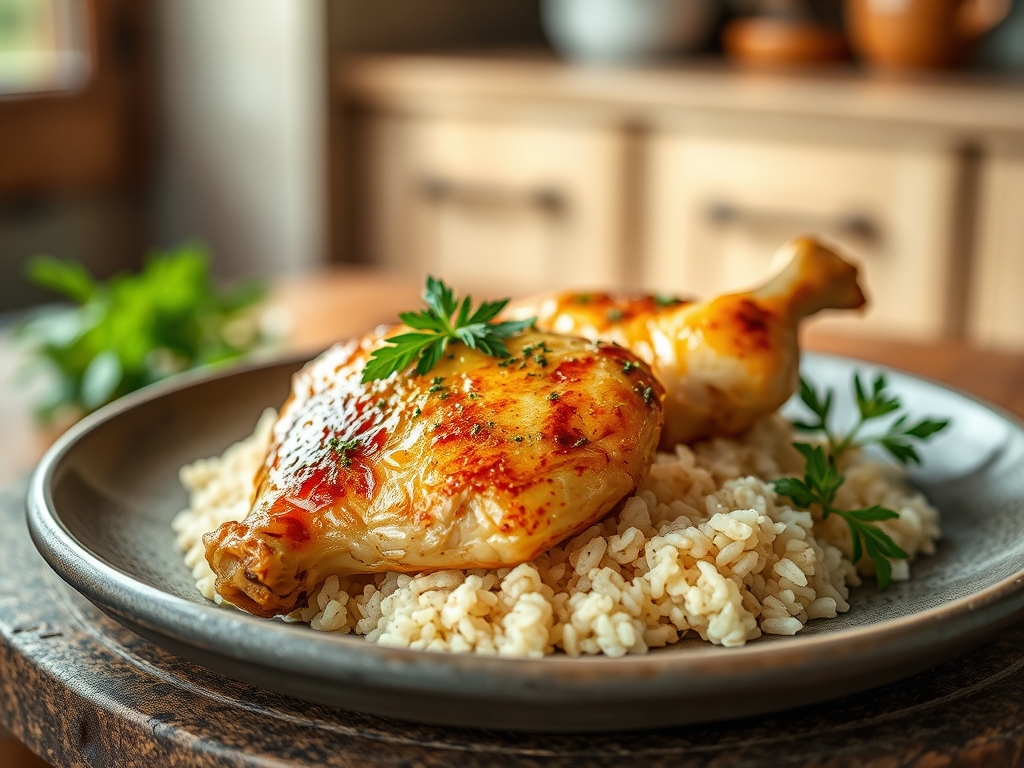
The scent of toasted jasmine rice and rendering poultry fat is a universal language for comfort; it is the olfactory equivalent of a warm wool blanket. When you master these seven baked chicken recipes with rice, you are not just making dinner. You are orchestrating a complex chemical reaction where starch and protein achieve a symbiotic, golden harmony.
There is a specific kind of magic that happens when a heavy casserole dish enters a four hundred degree oven. The rice acts as a structural sponge, absorbing the collagen rich drippings from the chicken while the grains swell to their physical limit. We are moving past the days of soggy, uninspired bakes. Instead, we are aiming for that glorious contrast between a crispy, salt crusted skin and a viscous, flavorful grain base. This is high level comfort food that respects your time and your palate.
By focusing on the science of moisture retention and the Maillard reaction, we can transform basic pantry staples into a week of gourmet rotations. Whether you are craving a piquant lemon herb infusion or a deep, earthy mushroom risotto style bake, the fundamental physics remain the same. We are going to treat every ingredient with technical respect to ensure your weeknight results mirror a professional kitchen.
The Gathers:
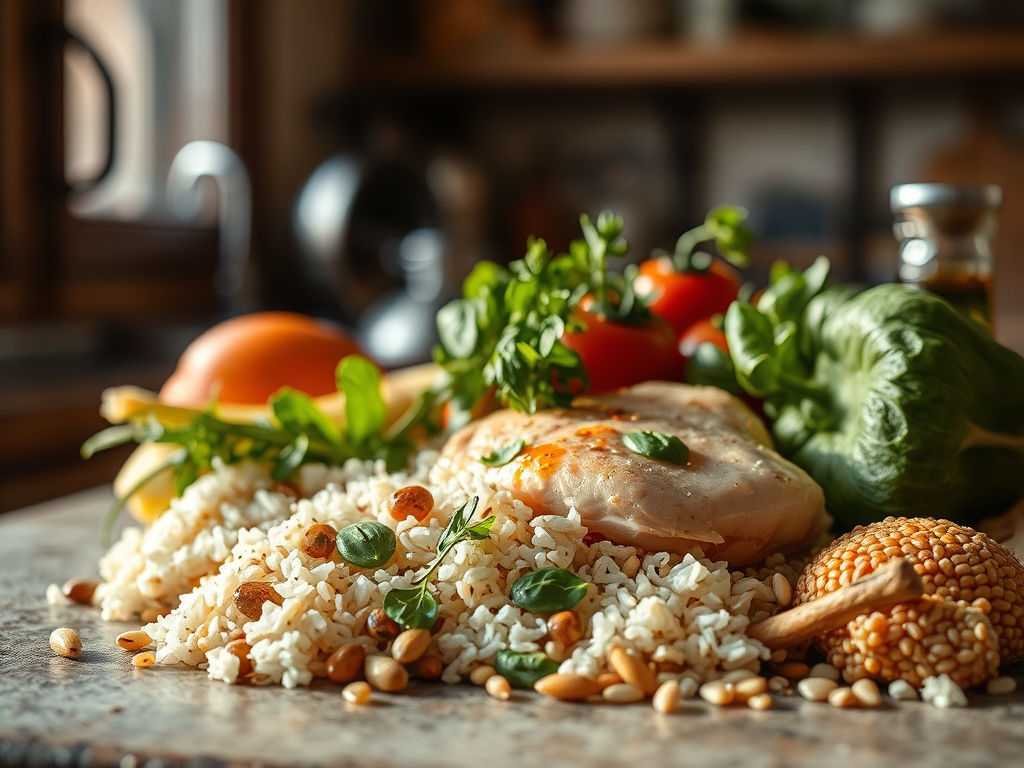
To execute these baked chicken recipes with rice, your mise en place must be precise. Start with your protein; bone in, skin on thighs are the gold standard here because the bone acts as a thermal conductor, ensuring even cooking, while the skin provides the necessary lipids for flavor. For the rice, long grain varieties like Basmati or Jasmine are preferred for their high amylopectin content, which prevents the grains from becoming a singular, gummy mass.
Your aromatics should include a trio of yellow onions, fresh garlic bulbs, and perhaps a thumb of ginger for a brighter profile. Reach for your microplane to zest citrus or grate hard cheeses; this tool increases the surface area of your aromatics, allowing them to infuse the cooking liquid more rapidly. You will also need a high quality chicken stock or bone broth. The gelatin content in a good stock provides a silky mouthfeel that water simply cannot replicate.
Smart Substitutions:
If you are looking to lighten the caloric load, swap traditional white rice for cauliflower rice or pearled farro; though keep in mind that farro requires a higher liquid to grain ratio. For a dairy free creaminess, use full fat coconut milk to deglaze your pan. If you find yourself out of fresh herbs, use a ratio of one tablespoon of fresh to one teaspoon of dried, as the dehydration process concentrates the volatile oils.
The Clock
Efficiency in the kitchen is about "Chef Flow," the art of overlapping tasks to minimize downtime. For these recipes, expect a fifteen minute preparation window followed by forty five minutes of passive baking time. While the oven preheats, use your bench scraper to organize your chopped aromatics. This prevents "cross contamination" of flavors on your board and keeps your station tidy.
The cooking time is non negotiable because we are waiting for the internal temperature of the chicken to reach one hundred sixty five degrees Fahrenheit. However, the real secret is the rest period. Allow the dish to sit, covered, for ten minutes after removal. This allows the pressure inside the grains to equalize, ensuring every bite is fluffy rather than wet.
The Masterclass
1. The Sear and Render
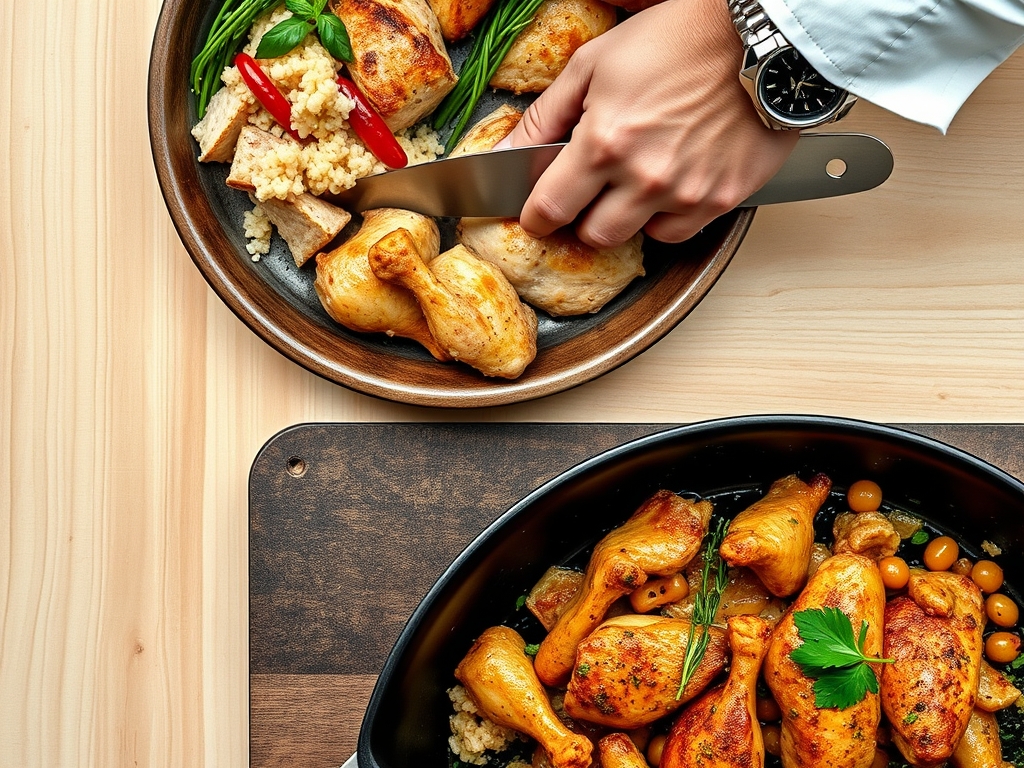
Place your chicken thighs skin side down in a cold, heavy bottomed skillet before turning on the heat. This gradual increase allows the subcutaneous fat to render out slowly, resulting in a shatteringly crisp skin. Use tongs to flip only once the chicken releases naturally from the pan surface.
Pro Tip: This is the Maillard reaction in action; the rearrangement of amino acids and sugars creates hundreds of different flavor compounds that provide that "meaty" depth.
2. Sauté the Aromatics
Remove the chicken and use the residual fat to sauté your onions and garlic. Use a saucier or a flat edged wooden spoon to scrape the bottom of the pan. Those brown bits, known as "fond," are concentrated flavor gold that must be integrated into the rice.
Pro Tip: Deglazing with a splash of dry white wine or acid will dissolve the fond through a process of solubility, ensuring no flavor is left behind on the metal.
3. Toasting the Grains
Add your dry rice directly to the fat and aromatics. Stir constantly for two minutes until the edges of the rice look translucent and it smells slightly nutty. This coating of fat prevents the grains from sticking together during the long bake.
Pro Tip: Toasting the starch molecules creates a protective barrier that maintains grain integrity, preventing the rice from turning into mush under high heat.
4. The Liquid Ratio
Pour in your heated stock. A one to two ratio of rice to liquid is standard, but for baked dishes, we slightly reduce the liquid to account for the moisture released by the chicken. Season aggressively with salt at this stage, as the rice will absorb the salinity as it swells.
Pro Tip: Using a digital scale to measure your liquid ensures consistent results; volume measurements can vary wildly depending on how tightly the rice is packed.
5. The Oven Transition
Nestle the seared chicken back into the rice bed, keeping the skin above the liquid line to maintain crispness. Cover tightly with foil or a heavy lid to create a pressurized steam environment. Slide the dish into the center rack for even heat distribution.
Pro Tip: Thermal carryover means the chicken will continue to cook by five degrees after you pull it out; removing it at one hundred sixty degrees ensures it hits the safety mark without drying out.
The Deep Dive
From a nutritional standpoint, these meals are beautifully balanced. A single serving typically provides thirty grams of protein, forty grams of complex carbohydrates, and fifteen grams of healthy fats. To make this keto friendly, replace the rice with konjac pearls or extra greens. For a vegan twist, use thick slices of cauliflower "steak" and vegetable dashi instead of chicken and poultry stock.
The Fix-It:
If your rice is too crunchy after the timer goes off, add a quarter cup of boiling water and cover it for five more minutes; the residual heat will finish the hydration. If it is too wet, return it to the oven uncovered for five minutes to evaporate the excess moisture. If the chicken skin is soggy, a thirty second blast under the broiler will recrystallize the fats for a perfect crunch.
For meal prep enthusiasts, reheating is a science. To maintain "day one" quality, add a teaspoon of water to the container before microwaving. This creates a micro steam environment that rehydrates the starch without making the chicken rubbery.
The Wrap-Up
Mastering baked chicken recipes with rice is your ticket to effortless, impressive hosting. By understanding how to render fat, toast grains, and manage thermal carryover, you have elevated a simple pantry meal into a technical triumph. Now, grab your tongs, preheat that oven, and get ready to enjoy the most comforting, scientifically perfect meal of your week.
The Kitchen Table
How do I prevent the rice from getting mushy?
Always toast your dry rice in fat before adding liquid. This creates a lipid barrier around each grain, preventing excess starch release and ensuring a fluffy, individual grain texture rather than a gummy mass.
Can I use chicken breasts instead of thighs?
Yes, but you must reduce the cook time. Breasts lack the protective fat and connective tissue of thighs, making them prone to drying out. Use a meat thermometer to pull them exactly at one hundred sixty degrees.
What is the best rice for baking?
Long grain varieties like Basmati or Jasmine are superior for baking. They have a lower starch content on the exterior, which prevents the grains from clumping together during the extended hydrothermal processing in the oven.
How do I get crispy skin in a casserole?
Ensure the chicken skin remains above the liquid line. If the skin is submerged, it will boil rather than fry. Finish the dish under the broiler for two minutes to achieve a final, golden shatter.