
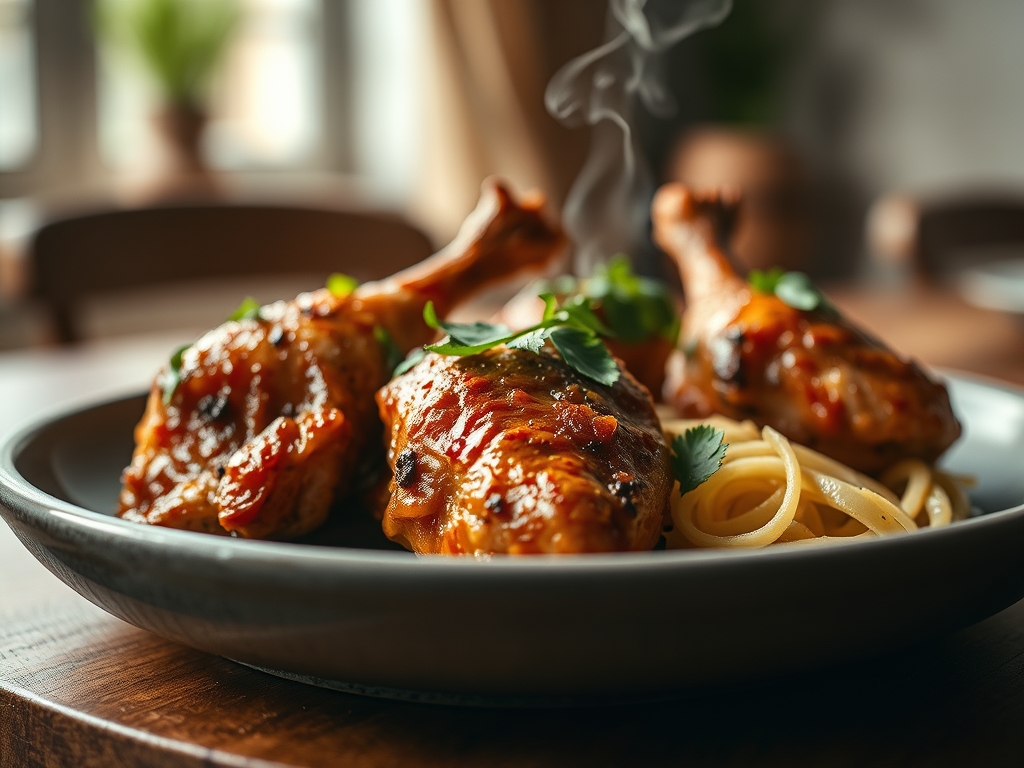
Listen to the sizzle of skin meeting a screaming hot heavy-bottomed skillet and tell me that isn't the sound of home. In the archipelago, poultry isn't just a protein; it is a cultural anchor. If you are hunting for the most authentic chicken recipes in philippines, you are essentially looking for a masterclass in balancing salt, acid, and heat. From the vinegar-braised depths of Adobo to the citrus-bright char of Inasal, these dishes rely on complex chemical transformations to turn simple bird into a culinary icon. We are moving beyond basic boiling. Today, we are diving into the molecular magic that makes Filipino food legendary.
The secret to mastering chicken recipes in philippines lies in the harmony of the "sawsawan" culture. This is the art of the dip; a science where the pH of the sauce balances the rich lipids of the meat. Whether you are using a digital scale to perfect your marinade ratios or a microplane to zest calamansi into a bright finishing oil, precision matters. We are going to explore six heavy hitters: Adobo, Tinola, Inasal, Afritada, Pastel, and Pinaupong Manok. Each one offers a different lesson in thermal transfer and flavor infusion.
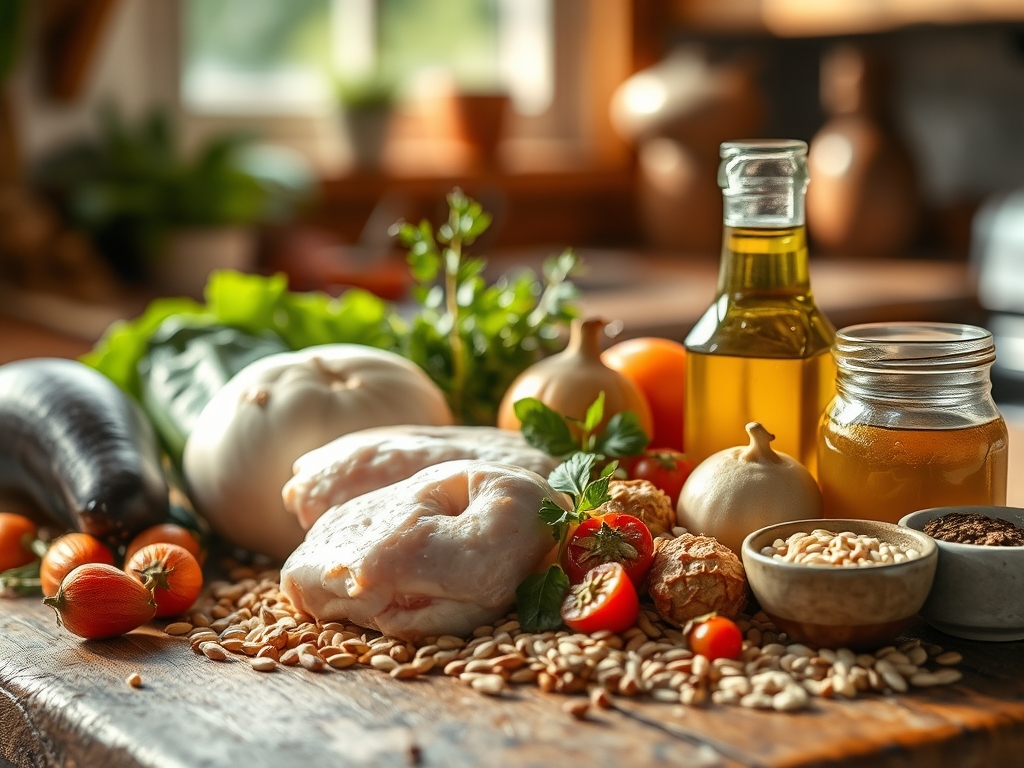
The Gathers:
To achieve professional results, your mise-en-place must be immaculate. You will need a high-quality saucier for your reductions and a sharp chef knife for precise jointing. The core of these chicken recipes in philippines involves aromatics like ginger, garlic, and shallots. We are looking for high-allicin garlic and young ginger with low fiber content. For your fats, use neutral oils with high smoke points, such as grapeseed, to allow the delicate notes of bay leaf and peppercorn to shine.
Smart Substitutions: If you cannot find calamansi, do not reach for standard lemons. Use a 2:1 ratio of lime juice to orange juice to mimic that specific piquant profile. For Datu Puti soy sauce, a mix of tamari and a pinch of brown sugar will replicate the viscous, slightly sweet depth required for a proper braise. If you are avoiding cane vinegar, apple cider vinegar provides a similar acetic acid punch but adds a fruity note that complements the chicken's natural sweetness.
The Clock
Efficiency in the kitchen is about managing "The Chef's Flow." This means understanding that prep time is separate from active cooking. For these six dishes, expect a cumulative prep time of 45 minutes and a total cook time of roughly 2 hours if you are multi-tasking. Adobo and Inasal require a minimum 4-hour marinade to allow the salt to denature the protein fibers, ensuring moisture retention during the high-heat sear.
Tinola is a quick 30-minute simmer, focusing on the extraction of gingerols into the broth. Meanwhile, a Chicken Pastel or Afritada requires a slower approach to allow the collagen in the chicken thighs to break down into gelatin, creating a luxurious, silky mouthfeel. Always use a digital thermometer to pull your chicken at 160 degrees Fahrenheit; thermal carryover will bring it to the food-safe 165 degrees without drying out the breast meat.
The Masterclass
1. The Art of the Adobo Braise
Start by searing your chicken pieces in a hot skillet until the skin undergoes Maillard browning. This creates a complex flavor base before you introduce the vinegar and soy sauce. Never stir the vinegar immediately after pouring; let it boil off the harsh "raw" acetic notes first.
Pro Tip: This is called acid-induced denaturation. Letting the vinegar simmer undisturbed allows the acid to soften the connective tissues without toughening the muscle fibers.
2. Infusing the Tinola Broth
Sauté your aromatics until they are translucent but not browned. Add your chicken and "sangkutsa" (par-cook) until the exterior is opaque. Add water or rice wash and simmer gently.
Pro Tip: Using rice wash instead of plain water introduces suspended starches, which provide a subtle body and nutty undertone to the broth through starch gelatinization.
3. Emulsifying the Inasal Oil
For the perfect Inasal, you must create an annatto-infused oil. Heat neutral oil with annatto seeds until the carotenoids bleed out, then whisk in minced garlic and ginger.
Pro Tip: This is a lipid-soluble flavor extraction. The fat-soluble pigments and aromatics bind to the oil, ensuring the flavor stays on the skin during high-heat grilling rather than dripping into the coals.
4. Reducing the Afritada Base
Sauté bell peppers and potatoes until they have a slight crust. Add tomato sauce and chicken, then simmer until the sauce is thick enough to coat the back of a spoon.
Pro Tip: The reduction process concentrates the glutamates in the tomatoes, creating a natural umami bomb that enhances the savory profile of the chicken.
5. Perfecting the Pastel Crust
This creamy chicken stew is topped with a flaky pastry. Ensure your butter is ice-cold when cutting it into the flour to create distinct layers.
Pro Tip: When the cold butter hits the oven heat, the water content evaporates instantly. This creates steam expansion, which is what gives the crust its signature flaky, laminated texture.
6. The Pinaupong Manok Steam
This "seated chicken" is cooked on a bed of rock salt in a heavy pot. The salt acts as a heat distributor rather than a seasoning agent.
Pro Tip: This technique utilizes indirect radiant heat. The salt bed prevents the chicken from touching the bottom of the pot, allowing it to steam in its own rendered fats and juices for maximum tenderness.
The Deep Dive
Macro Nutrition: On average, these chicken recipes in philippines provide 25-35g of protein per serving. Adobo and Inasal are leaner options, while Pastel and Afritada contain higher lipid counts due to cream or oil-fried vegetables.
Dietary Swaps: To make these Keto, swap potatoes for cauliflower or chayote. For a Vegan version, use oyster mushrooms or firm tofu; use liquid aminos and coconut vinegar to maintain the flavor profile. For Gluten-Free needs, ensure your soy sauce is replaced with certified tamari.
The Fix-It:
- Too Salty: Do not add water; add a peeled potato to absorb excess sodium or a splash of vinegar to mask the saltiness with acidity.
- Tough Meat: This usually means the heat was too high. Low and slow is the key for braises. If it is already tough, shred the meat and return it to the sauce to re-hydrate.
- Broken Sauce: If your Pastel cream sauce separates, whisk in a "slurry" of cornstarch and cold water to re-emulsify the fats.
Meal Prep: When reheating, avoid the microwave if possible. Use a small saucepan over low heat and add a tablespoon of broth. This prevents the proteins from "rubbery" overcooking and maintains the emulsion integrity of the sauces.
The Wrap-Up
Mastering chicken recipes in philippines is your ticket to becoming the favorite person at any potluck. It is a journey through history, chemistry, and pure, unadulterated flavor. By focusing on the science of the sear and the precision of the marinade, you are not just cooking; you are curating an experience. Grab your tongs, fire up the range, and let the aroma of garlic and vinegar fill your kitchen. You have got the tools, the tips, and the talent. Now, go make something delicious.
The Kitchen Table
What is the best chicken part for Adobo?
Thighs and drumsticks are superior for Adobo. Their high connective tissue and fat content break down during the long braising process, resulting in a rich, viscous sauce and tender meat that does not dry out like breast meat.
How do I make my chicken skin crispier?
Pat the skin completely dry with paper towels before cooking. For the best results, leave the chicken uncovered in the refrigerator for two hours. This dehydrates the surface, allowing for faster Maillard browning and a shatter-crisp texture.
Can I substitute white vinegar for cane vinegar?
You can, but white vinegar is significantly more acidic and aggressive. If substituting, use slightly less than the recipe calls for and add a pinch of sugar to balance the sharp profile and mimic the mellow sweetness of Filipino cane vinegar.
Why does my Tinola broth look cloudy?
Cloudy broth happens when the soup is boiled too vigorously, causing fats and proteins to emulsify into the liquid. To keep it clear, maintain a gentle simmer and frequently skim the "scum" or denatured proteins from the surface.
Is it necessary to marinate chicken for Inasal?
Yes, marinating is essential. The calamansi juice and vinegar act as tenderizers by breaking down protein structures, while the salt ensures moisture is drawn into the cells through osmosis, keeping the chicken succulent during the intense heat of grilling.