
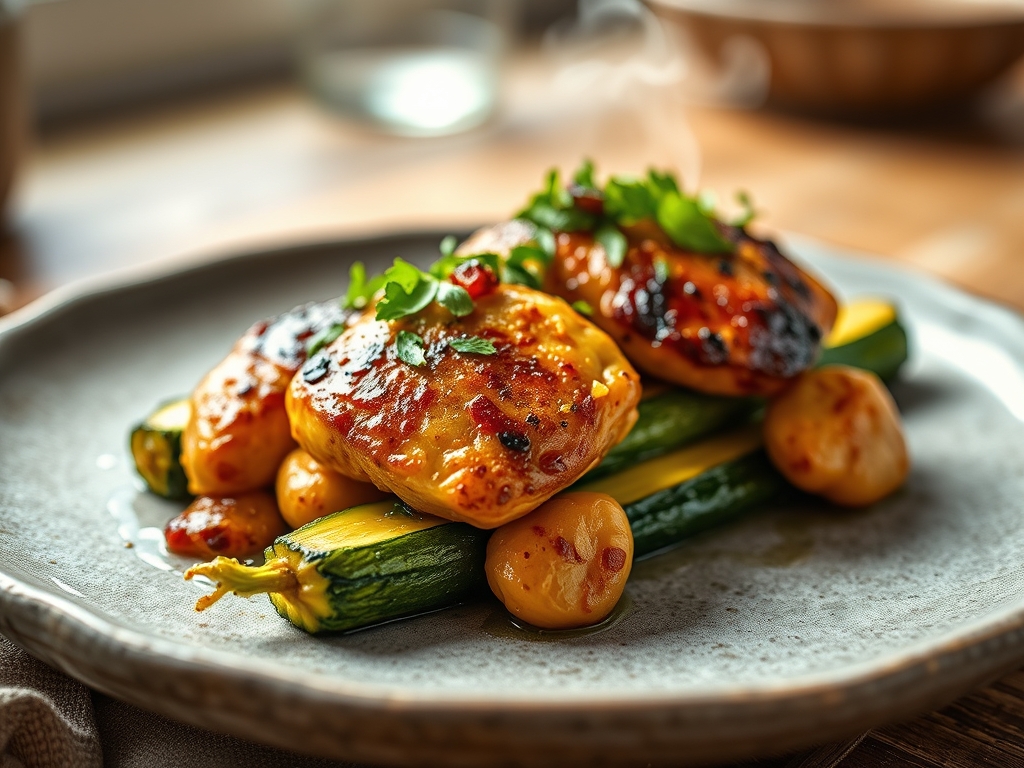
Imagine the sound of a heavy bottomed skillet meeting a gas flame; it is the opening chord of a kitchen symphony. You are standing there with a sharp chef knife and a pile of garden fresh produce, ready to master the art of zucchini with chicken recipes. The air fills with the piquant aroma of searing poultry and the grassy, clean scent of sliced summer squash. This pairing is the ultimate culinary chameleon. It manages to be both incredibly light and deeply satisfying. We are moving past the soggy, uninspired stir fries of the past. Today, we are diving into the molecular magic that happens when lean protein meets high moisture vegetables. It is about more than just a healthy dinner; it is about understanding how to manipulate heat and texture to create something vibrant. Whether you are looking for a low carb powerhouse or a comforting family meal, these nine variations will transform your weekly rotation into a gourmet experience.
The Gathers:
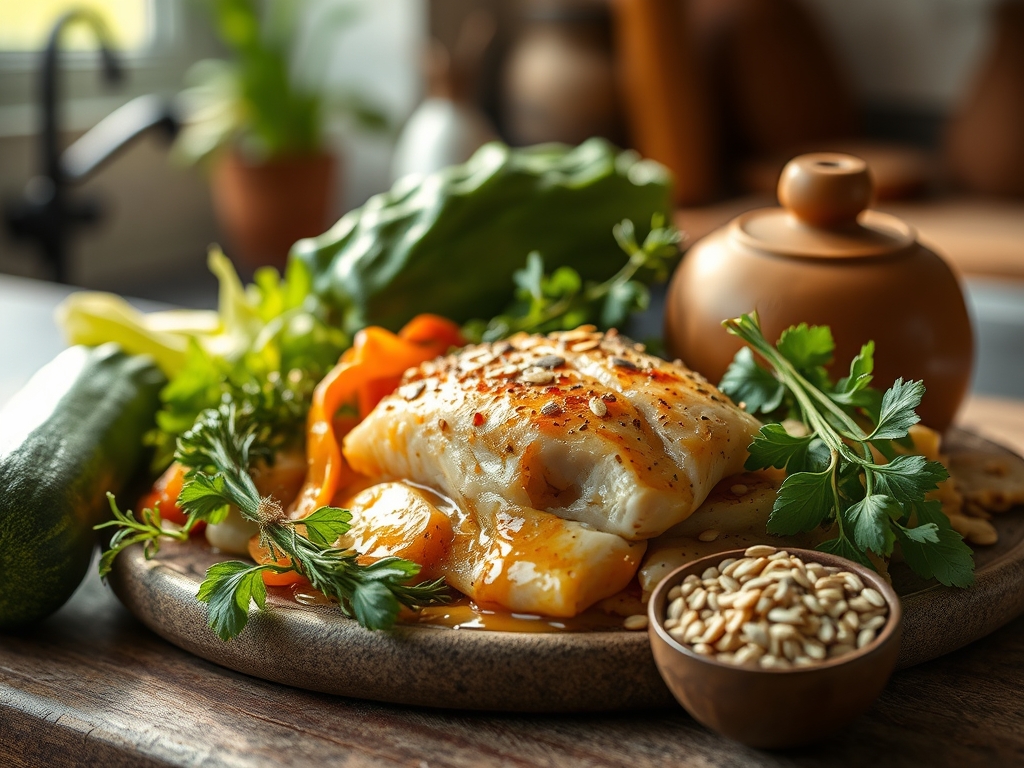
To execute these zucchini with chicken recipes with precision, your mise en place must be impeccable. Start with the chicken. Use a digital scale to ensure uniform portions of organic breast or thigh meat. You want the protein to be at room temperature to prevent the muscle fibers from seizing when they hit the pan. For the zucchini, look for medium sized specimens; they have a lower seed to flesh ratio, which prevents your dish from becoming watery. You will also need high smoke point fats like avocado oil or ghee to facilitate the Maillard reaction without scorching.
Your aromatics are the backbone of flavor. Fresh garlic, shallots, and ginger provide the base notes. Use a microplane to grate your ginger into a fine paste, which allows it to infuse the cooking oil more effectively. For the "Smart Substitutions," consider using coconut aminos instead of soy sauce for a lower sodium profile. If you are out of fresh herbs, a high quality dried oregano or thyme can work, but you must bloom them in the hot oil for thirty seconds to release their volatile oils. If you find your zucchini is too high in moisture, a quick toss in sea salt followed by a ten minute rest on a wire rack will draw out excess liquid through osmosis.
The Clock:
Efficiency in the kitchen is governed by what professionals call the Chef's Flow. For these zucchini with chicken recipes, your total active time should hover around fifteen minutes, with a total cook time of twenty five minutes. The secret is parallel processing. While your chicken is searing in the skillet, use that time to spiralize or dice your zucchini. Never wait for one component to finish before starting the next.
The first five minutes are dedicated to prep and organization. The next ten minutes involve the high heat searing of the protein. The final ten minutes are for the vegetable integration and sauce emulsification. By following this rhythm, you ensure that the chicken reaches its safe internal temperature of 165 degrees Fahrenheit exactly when the zucchini hits its peak "al dente" state. This prevents the dreaded "mushy squash" syndrome that plagues amateur home cooking.
The Masterclass:
1. Temper and Prep the Protein
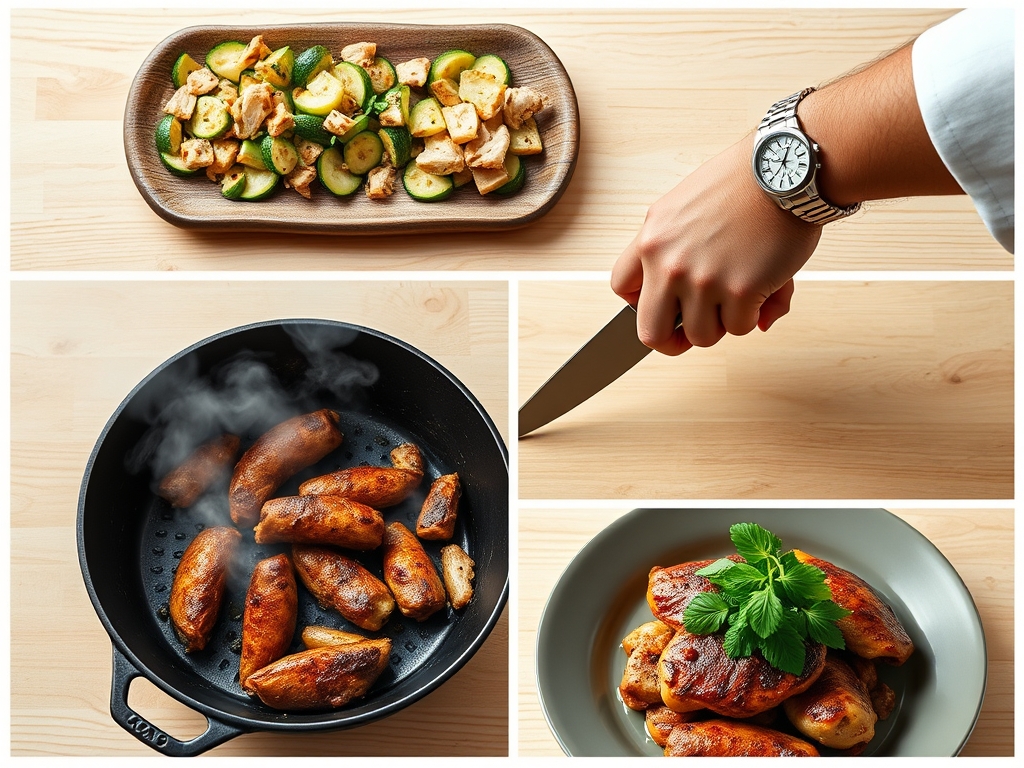
Begin by patting your chicken dry with paper towels. Moisture is the enemy of a good sear. Dust the meat with a light coating of cornstarch or arrowroot powder if you want an extra crispy exterior. This creates a barrier that helps the surface dehydrate quickly in the pan.
Pro Tip: This technique utilizes the principle of surface area. By drying the meat, you ensure the thermal energy goes directly into browning the proteins rather than evaporating surface water.
2. High Heat Searing
Heat your heavy bottomed skillet until a drop of water flicked onto the surface dances and evaporates instantly. Add your oil and then the chicken. Do not crowd the pan. If you add too much meat at once, the temperature of the skillet will drop, causing the chicken to steam in its own juices rather than sear.
Pro Tip: This is the Maillard reaction in action. The amino acids and reducing sugars in the meat rearrange under heat to create hundreds of different flavor compounds and that characteristic golden brown crust.
3. Deglazing the Fond
Once the chicken is browned and removed from the pan, you will see brown bits stuck to the bottom. This is called "fond." Pour in a splash of dry white wine, chicken stock, or even water. Use a wooden spoon or a bench scraper to lift those bits into the liquid.
Pro Tip: Deglazing is a chemical process where the liquid acts as a solvent to dissolve the caramelized proteins, creating a concentrated flavor base for your sauce.
4. Flash Sautéing the Zucchini
Add your zucchini to the pan. Because zucchini is approximately 95 percent water, it needs very little time. Sauté it over medium high heat for no more than three to four minutes. You want the exterior to soften while the interior retains a slight crunch.
Pro Tip: This prevents the breakdown of pectin in the cell walls. Overcooking causes the vacuoles within the zucchini cells to burst, releasing all their water and resulting in a limp texture.
5. Emulsifying the Sauce
Return the chicken to the pan and add a knob of cold butter or a splash of heavy cream. Toss everything vigorously. The goal is to combine the fats with the deglazing liquid to create a viscous, glossy coating that clings to every ingredient.
Pro Tip: This is mechanical emulsification. The agitation breaks the fat into tiny droplets that are suspended in the liquid, creating a rich mouthfeel without a heavy sauce.
The Deep Dive:
When we look at the macro nutrition of zucchini with chicken recipes, we see a near perfect balance. A standard serving provides roughly thirty grams of lean protein and only five to eight grams of net carbohydrates. It is a high volume, low calorie density meal that keeps you full because of the high water and fiber content in the squash.
For dietary swaps, vegans can replace the chicken with firm pressed tofu or chickpeas, though the cooking times will vary. To keep it strictly Keto, ensure you are using full fat dairy or coconut milk for your emulsification. If you are Gluten Free, simply avoid flour based thickeners and stick to natural reductions or cornstarch.
The Fix-It: If your dish turns out watery, you likely overcrowded the pan; next time, cook in smaller batches. If the chicken is tough, you probably skipped the tempering stage; always let meat sit out for twenty minutes before cooking. If the flavor is flat, you need more acidity; a squeeze of fresh lemon juice at the very end will brighten the entire profile.
For meal prep, the reheating science is vital. To maintain day one quality, reheat your zucchini with chicken recipes in a skillet over medium heat rather than the microwave. Microwaves vibrate water molecules, which can turn your zucchini into a soggy mess. A quick pan fry restores the texture and re emulsifies the sauce.
The Wrap-Up:
Mastering zucchini with chicken recipes is a gateway to becoming a more intuitive cook. You have learned how to manage moisture, leverage the Maillard reaction, and create professional grade sauces through deglazing. This dish is a testament to the fact that healthy eating does not have to be bland or boring. It is a vibrant, textured, and deeply flavorful experience that you can whip up on a weeknight but would be proud to serve at a dinner party. Grab your tongs and get to work; your kitchen is waiting for its next masterpiece.
The Kitchen Table:
How do I stop zucchini from getting soggy?
Salt your sliced zucchini and let it sit for ten minutes. This uses osmosis to draw out excess moisture. Pat it dry with a towel before sautéing over high heat to ensure a firm, crisp texture in your dish.
Can I use frozen zucchini for these recipes?
Frozen zucchini is generally too soft for a sauté. It works better in soups or stews where texture is less critical. For the best results in chicken recipes, always stick with fresh, firm squash from the produce aisle.
What is the best way to cut zucchini for chicken?
Half moons or thick coins are best for stovetop cooking. They provide enough surface area for browning while remaining thick enough to stay "al dente." If you are using a spiralizer, keep the cook time under two minutes.
How long does leftover chicken and zucchini last?
Stored in an airtight container, these dishes will stay fresh in the refrigerator for up to three days. For the best texture, reheat them in a hot skillet rather than a microwave to avoid making the vegetables mushy.