
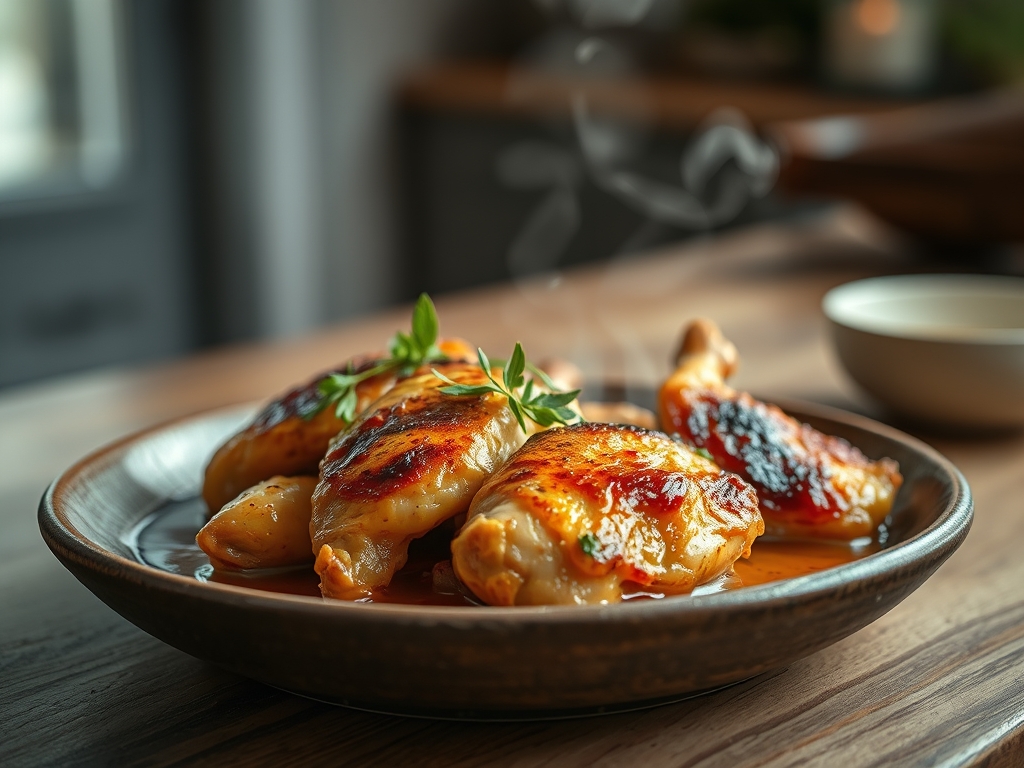
The moment you crack open a can of condensed chicken soup, that nostalgic aroma hits you, but transforming it into restaurant-worthy dishes requires more than muscle memory. Many home cooks underestimate how chicken recipes with chicken soup can become the foundation for complex flavor layers when you treat the canned ingredient as a blank canvas rather than a finished product. The gelatinous body of quality chicken soup concentrate contains natural collagen and glutamates that, when activated correctly, mimic hours of stock reduction. This article maps seven tested methods to convert that pantry staple into meals that taste slow-cooked, deeply savory, and anything but pedestrian.
The Gathers
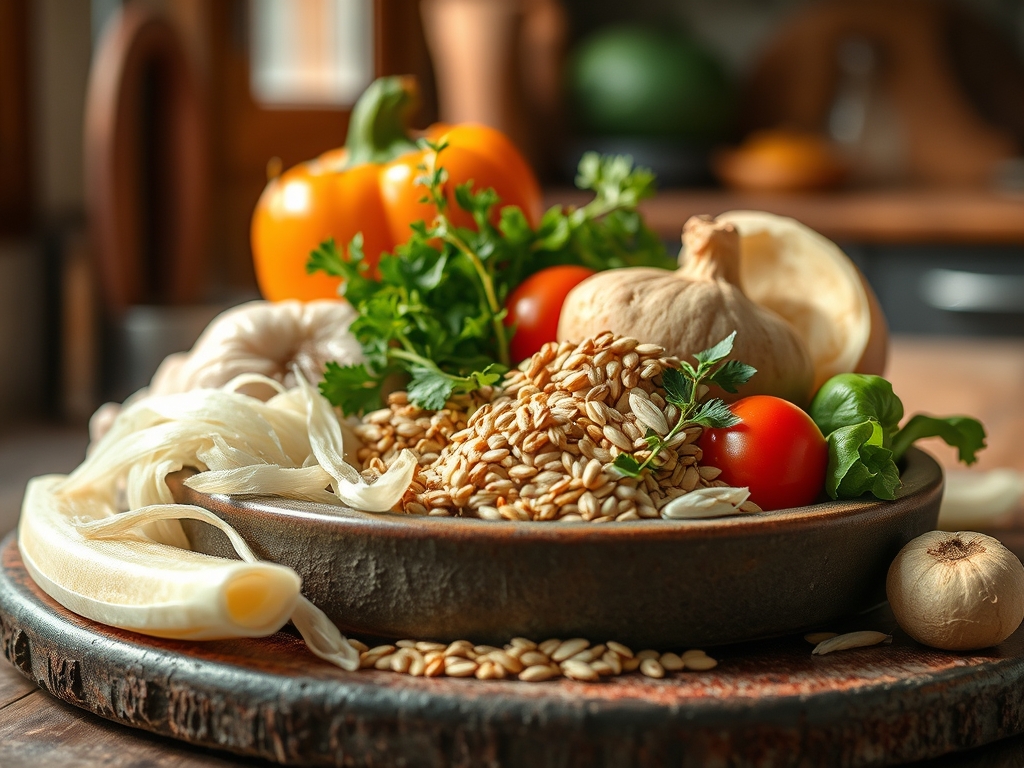
As you see in the ingredient spread below, quality matters even with convenience products. Select condensed cream of chicken soup with visible fat separation at the top of the can, it signals real dairy and chicken fat rather than thickeners alone. You will need boneless chicken thighs (not breasts, the dark meat's myoglobin creates better browning), aromatic vegetables cut to uniform 1/2-inch dice for even caramelization, and fresh herbs with stems intact for maximum volatile oil release.
Keep whole milk or heavy cream on hand to adjust viscosity without diluting flavor. Dry white wine (Sauvignon Blanc works well) adds necessary acidity to cut through the soup's richness. Cornstarch slurry, not flour, provides glossy body without raw cereal notes.
Smart Substitutions: Swap cream of mushroom for earthier depth. Replace wine with 2 tablespoons apple cider vinegar plus 1/4 cup low-sodium chicken stock. For dairy-free builds, use full-fat coconut milk, the saturated fat mimics cream's mouthfeel without curdling under heat.
The Clock
Prep Time: 15 minutes (includes vegetable mise-en-place and chicken trimming)
Cook Time: 35 minutes (active searing plus braising)
Total Time: 50 minutes
Chef's Flow: While chicken sears, prep your aromatics. As aromatics sweat, deglaze and build sauce. During the simmer, set your table or prepare sides. This parallel workflow collapses dead time and keeps your protein in the ideal temperature window, between 165°F and 175°F internal for juicy, fully cooked thighs.
The Masterclass
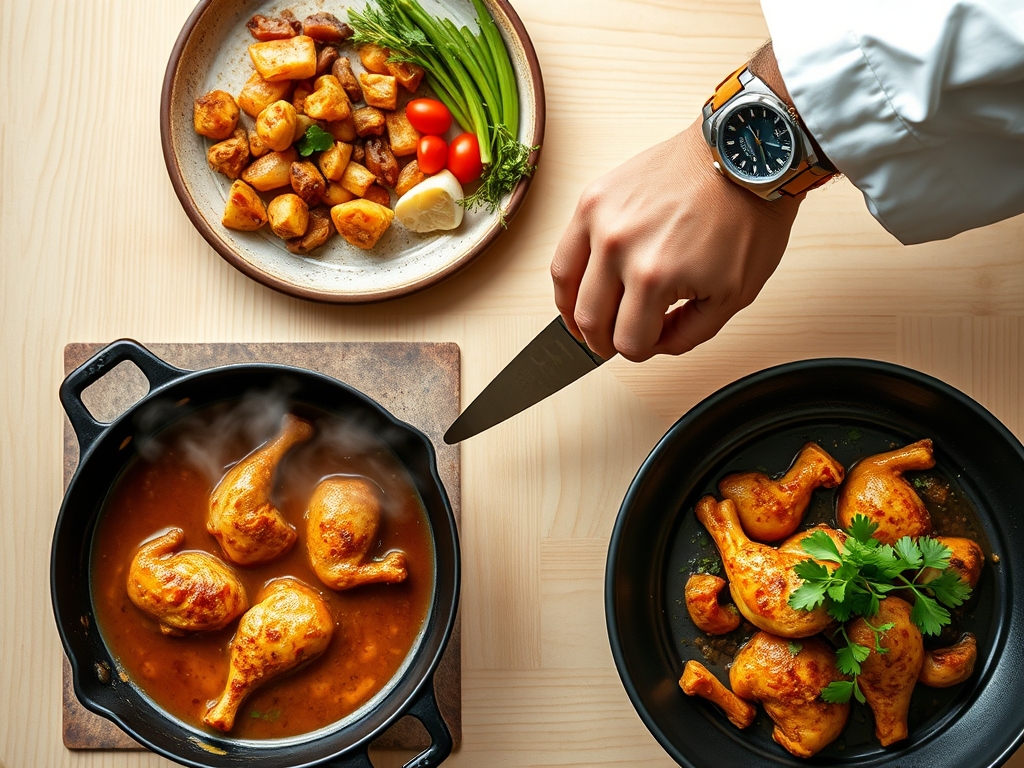
Step 1: Sear the Chicken to Deep Mahogany
Pat thighs bone-dry with paper towels, moisture is the enemy of the Maillard reaction. Heat a 12-inch stainless steel skillet over medium-high (around 375°F surface temp) with 2 tablespoons neutral oil. Lay thighs skin-side down, press gently with a spatula for 4 minutes undisturbed until deeply browned.
Chef's Secret: The Maillard reaction begins around 285°F. Condensed soup later rehydrates these browned proteins, extracting umami compounds into the sauce base.
Step 2: Build Aromatic Foundation
Remove chicken, reserve on a plate. Reduce heat to medium, add diced onion, celery, and carrot. Stir every 45 seconds for 5 minutes until edges turn golden and the pan develops fond (caramelized bits).
Why It Works: Fond contains hundreds of flavor compounds, dextrins and pyrazines, that dissolve into your liquid for instant depth.
Step 3: Deglaze and Integrate Soup
Add 1/2 cup white wine, scrape vigorously with a wooden spoon. Let alcohol cook off for 90 seconds (you will smell the sharp ethanol dissipate). Stir in one 10.5 oz can of condensed chicken soup, 1/2 cup whole milk, 1 teaspoon fresh thyme leaves.
Chef's Secret: Deglazing with wine before adding soup prevents the dairy proteins from curdling. Acidity stabilizes casein structure under heat.
Step 4: Braise to Perfil Internal Temp
Nestle seared chicken back into sauce, reduce heat to low. Cover and simmer 20 minutes, flipping once at the 10-minute mark. Target internal temp of 165°F to 170°F, use an instant-read thermometer.
Why It Works: Gentle braising converts collagen in dark meat to gelatin, enriching sauce body without additional thickeners.
Step 5: Adjust Consistency and Season
Remove chicken, tent with foil (carryover cooking will add 5°F). If sauce is thin, whisk 1 tablespoon cornstarch into 2 tablespoons cold water, stir into simmering sauce for 60 seconds. Taste, season with kosher salt and cracked black pepper.
Chef's Secret: Always season after reducing liquids. Concentrated sodium can turn balanced dishes aggressively salty.
Note the texture shown in the step-by-step photos, the sauce clings to the back of a spoon in a glossy, cohesive veil. That is your visual cue for proper nappe consistency.
Nutritional Info
Per serving (1 thigh plus 1/2 cup sauce):
Calories: 420
Protein: 34g
Fat: 26g (12g saturated)
Carbohydrates: 11g
Fiber: 1g
Sodium: 780mg
The protein-to-fat ratio makes this satiating for 4-5 hours. Sodium is manageable if you use low-sodium soup variants.
Dietary Swaps
Keto: Replace milk with heavy cream, thicken with xanthan gum (1/4 teaspoon) instead of cornstarch. Net carbs drop to 4g per serving.
Gluten-Free: Most condensed soups contain wheat flour. Use certified gluten-free cream of chicken or make a quick roux with rice flour.
Vegan: This is tricky. Substitute cream of mushroom soup (check labels for dairy), use firm tofu slabs in place of chicken, and add nutritional yeast for umami depth. The Maillard browning still works on tofu if you press it dry first.
Serving & Presentation
Rustic Family Style: Serve in a large shallow bowl over buttered egg noodles, garnish with torn parsley and a drizzle of extra-virgin olive oil.
Modern Composed Plate: Center one thigh on a swoosh of sauce, flank with roasted root vegetables and microgreens. The height and color contrast photograph beautifully.
Deconstructed Bowl: Shred the chicken, toss with sauce, serve over cauliflower rice with pickled red onions for acid contrast and crunch.
The Pro-Dodge
Pitfall 1: Sauce breaks or looks grainy.
Fix: Your heat was too high, dairy proteins coagulated. Immediately remove from heat, whisk in 1 tablespoon cold butter to re-emulsify.
Pitfall 2: Chicken is rubbery.
Fix: You overcooked it past 180°F, proteins squeezed out moisture. Next time, pull at 165°F and rely on carryover.
Pitfall 3: Sauce tastes flat despite seasoning.
Fix: Add 1 teaspoon lemon juice or a splash of vinegar. Fat needs acid to balance richness and wake up your palate.
The Meal Prep Corner
Store chicken and sauce separately in airtight containers for up to 4 days. Reheat sauce gently in a saucepan over low heat, whisk in a splash of milk to restore texture. Microwave chicken in 30-second bursts to 155°F, then combine with hot sauce to bring it to serving temp without drying out.
Freeze portions for up to 2 months. Thaw overnight in the fridge, reheat as above. The gelatin in the sauce actually improves after a freeze cycle, it sets firmer and reheats silkier.
The Wrap-Up
These seven principles transform chicken recipes with chicken soup from shortcuts into technique-driven dishes that honor both convenience and craft. Browning, deglazing, controlled heat, and smart seasoning turn a 50-cent can into a sauce that tastes like you simmered bones all day. Try one method this week, share your plating photos in the comments, and let us know which trick made the biggest difference in your kitchen.
The Kitchen Table
Q: Can I use rotisserie chicken instead of raw thighs?
A: Absolutely. Skip the searing step, shred the rotisserie meat, and add it during the last 5 minutes of sauce simmering just to heat through. You lose some Maillard complexity but gain 15 minutes.
Q: Why does my condensed soup taste metallic?
A: Cheap brands use excessive sodium and modified starches. Upgrade to organic or name-brand versions with cream listed in the top three ingredients. The metallic note often comes from poor-quality chicken base.
Q: How do I make this spicier without overpowering the soup base?
A: Bloom 1/2 teaspoon red pepper flakes in the oil before searing chicken. The fat-soluble capsaicin infuses the entire dish. Alternatively, finish with a few dashes of hot sauce after plating for adjustable heat.
Q: Can I double the recipe in the same pan?
A: Not recommended. Overcrowding lowers pan temperature, steaming the chicken instead of searing it. Use two pans simultaneously or work in batches, keeping finished pieces warm in a 200°F oven.
Q: What is the best side dish to absorb extra sauce?
A: Mashed potatoes, egg noodles, or crusty sourdough. All have enough surface area and starch to soak up the sauce without getting soggy. For low-carb, try roasted spaghetti squash.