
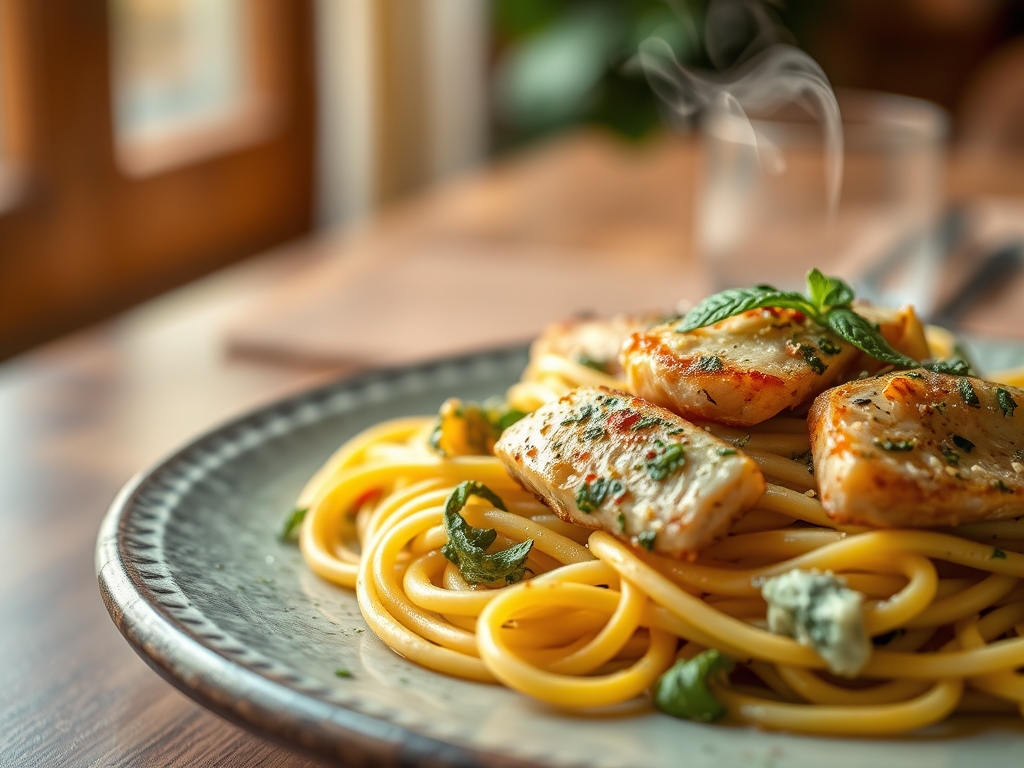
Imagine the scent of toasted pine nuts colliding with the sharp, peppery bite of fresh basil as it hits a hot pan. That is the magic of the best pesto pasta with chicken recipes; it is a symphony of herbaceous brightness and savory protein. Whether you are craving a 15 minute weeknight win or a sophisticated dinner party centerpiece, mastering this dish requires more than just boiling water. It is about the chemistry of emulsification and the art of the perfect sear.
To elevate your kitchen game, you need to understand how fats and acids dance together on the palate. Pesto is not just a sauce; it is a cold-process emulsion that can easily break if handled with too much heat. When you pair it with the Maillard-heavy crust of a perfectly seared chicken breast, you create a profile that is both comforting and technically complex. We are going to dive into the molecular mechanics that turn simple pantry staples into a restaurant-quality masterpiece.
The Gathers:
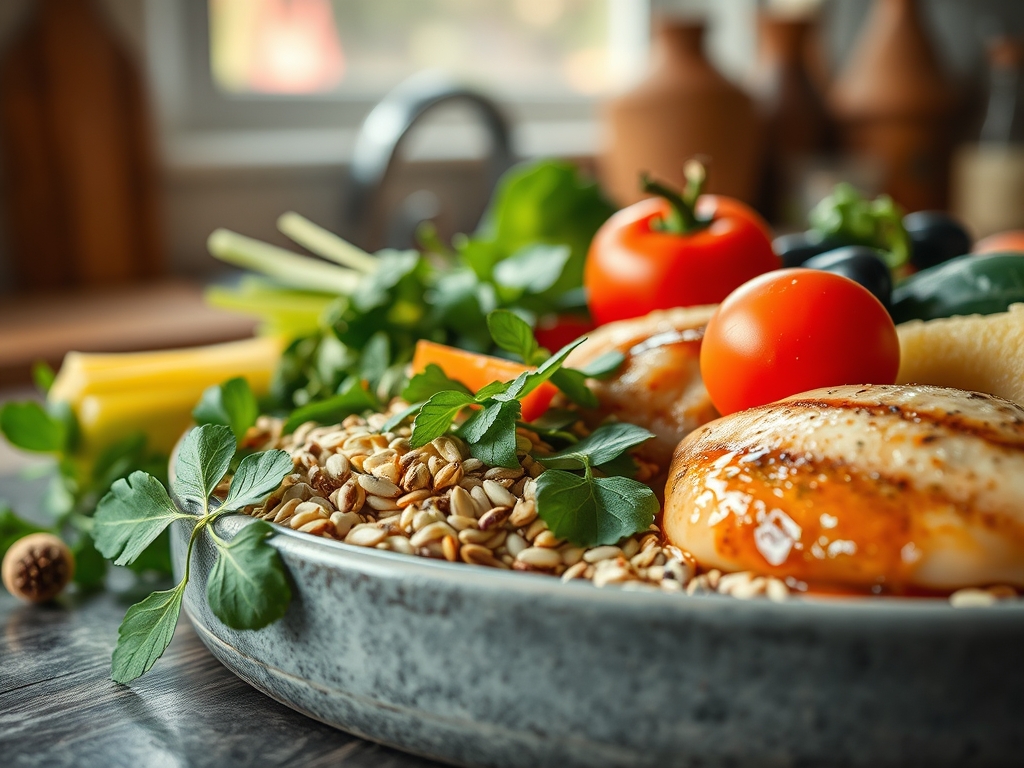
The secret to world-class pesto pasta with chicken recipes lies in the mise-en-place. You are looking for high-quality lipids and fresh aromatics. Grab your digital scale to ensure precision, as the ratio of basil to oil determines the viscosity of your final sauce.
- The Protein: 1.5 pounds of organic chicken breast or thighs. Thighs offer more intermuscular fat, which keeps the meat succulent during high-heat searing.
- The Herb Base: 3 cups of tightly packed Genovese basil. Look for small, tender leaves to avoid the bitter notes found in older, woody stems.
- The Lipid: 1/2 cup of extra-virgin olive oil. Choose a cold-pressed variety with a piquant finish to cut through the richness of the cheese.
- The Texture: 1/3 cup of toasted pine nuts. These provide the essential fatty acids that stabilize the emulsion.
- The Sharpness: 1/2 cup of freshly grated Parmigiano-Reggiano. Use a microplane to create airy ribbons that melt instantly into the pasta water.
- The Acid: 1 tablespoon of fresh lemon juice to prevent the enzymatic browning of the basil.
- The Vessel: 1 pound of Trofie or Fusilli. These shapes feature deep grooves designed to trap the viscous pesto sauce.
Smart Substitutions: If pine nuts are too pricey, toasted walnuts offer a similar fat content with a more earthy profile. For a nut-free version, pumpkin seeds (pepitas) provide a beautiful green hue and a distinct crunch. If you are out of basil, a 50/50 split of baby spinach and flat-leaf parsley mimics the volume without overpowering the palate.
The Clock
Efficiency in the kitchen is all about Chef's Flow. This dish takes exactly 25 minutes if you multitask with intent.
- Prep (10 Minutes): While your large pot of salted water reaches a rolling boil, use this time to render the chicken and pulse your pesto.
- Cook (15 Minutes): The pasta and chicken cook simultaneously. The chicken needs about 6 minutes per side in a heavy-bottomed skillet, while the pasta typically requires 8 to 11 minutes to reach a true al dente state.
By the time you use your tongs to transfer the pasta directly from the water to the mixing bowl, the chicken will have finished its mandatory rest period, ensuring no juices are lost on the cutting board.
The Masterclass
1. The Maillard Execution
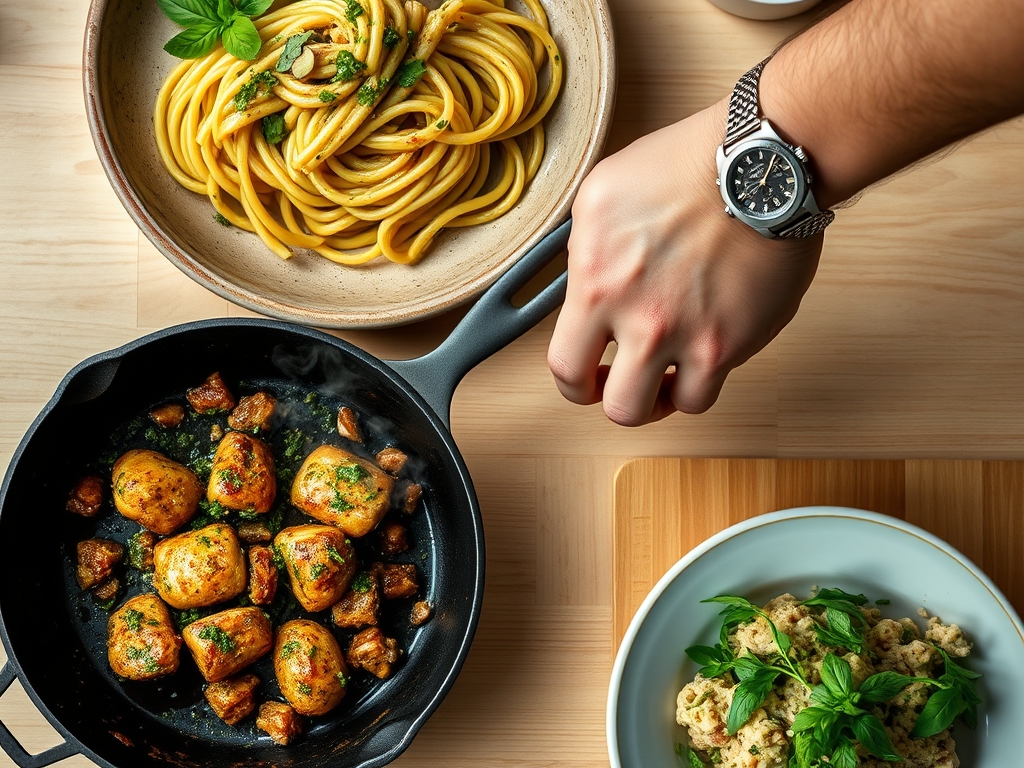
Season your chicken liberally with kosher salt. Heat a heavy-bottomed skillet over medium-high heat with a splash of high-smoke-point oil. Place the chicken in the pan and do not move it for at least 5 minutes.
Pro Tip: This patience allows for Maillard reaction to occur, where amino acids and reducing sugars create a complex, savory crust. If the meat resists when you try to flip it, the crust has not fully formed yet.
2. The Cold-Process Emulsion
In a food processor or mortar and pestle, combine basil, toasted nuts, and garlic. Pulse while slowly drizzling in the olive oil. Add the cheese and lemon juice at the very end to maintain the structural integrity of the fats.
Pro Tip: Adding lemon juice acts as an antioxidant, halting enzymatic browning. This ensures your pesto stays a vibrant, neon green rather than turning a muddy forest brown when it hits the warm pasta.
3. The Starch Water Reserve
Before draining your pasta, use a liquid measuring cup to scoop out at least one cup of the cloudy pasta water. This liquid is liquid gold, filled with hydrated starches.
Pro Tip: This water is the secret to a professional sauce. The starch acts as a bridge between the oily pesto and the watery pasta, creating a creamy, homogenized coating that clings to every noodle.
4. The Gentle Fold
Transfer the cooked pasta to a large saucier or mixing bowl. Add the pesto and a splash of the reserved pasta water. Toss vigorously with tongs to aerate the sauce and create a glossy finish.
Pro Tip: Never cook the pesto over direct heat. High temperatures cause the basil to lose its volatile oils and the cheese to clump. The residual heat from the pasta is all you need to melt the cheese perfectly.
5. The Rest and Slice
While the pasta is being tossed, slice your rested chicken against the grain. This shortens the muscle fibers, making every bite melt-in-your-mouth tender.
Pro Tip: This utilizes thermal carryover. The internal temperature of the chicken will continue to rise by 5 degrees after leaving the pan. Pulling it at 160F ensures it reaches the safe 165F without becoming dry or stringy.
The Deep Dive
Macro Nutrition: A standard serving of pesto pasta with chicken provides a balanced profile of roughly 650 calories. You get 35g of protein for muscle repair, 45g of complex carbohydrates for sustained energy, and 28g of healthy monounsaturated fats from the olive oil and nuts.
Dietary Swaps:
- Vegan: Swap the parmesan for nutritional yeast and the chicken for pan-seared oyster mushrooms to maintain that "meaty" texture.
- Keto: Replace the pasta with zoodles (zucchini noodles) or palmini. Increase the pine nut count to boost the fat macros.
- GF: Use a high-quality brown rice or chickpea pasta. Be sure to rinse briefly to remove excess surface starch that can make GF pasta gummy.
The Fix-It:
- The Sauce is Oily: You lacked enough starch water. Add two tablespoons of hot pasta water and whisk vigorously to re-emulsify.
- The Chicken is Dry: You likely skipped the rest period. Next time, let the meat sit for 5 full minutes before slicing to allow the juices to redistribute.
- The Pesto is Bitter: This happens if you over-process the extra virgin olive oil in a high-speed blender. The blades can break open the oil's polyphenols. Next time, pulse the basil and nuts first, then stir the oil in by hand.
Meal Prep Science: To reheat, avoid the microwave if possible. The intense radiation can break the pesto emulsion, leaving you with a puddle of oil. Instead, use a pan over low heat with a tablespoon of water or milk to loosen the sauce and restore its viscous texture.
The Wrap-Up
Mastering pesto pasta with chicken recipes is a rite of passage for any home cook looking to blend scientific precision with soulful flavors. By focusing on the Maillard reaction for your protein and protecting the delicate volatile oils in your basil, you create a dish that is far greater than the sum of its parts. Remember; keep your pesto cool, your pasta water salty, and your chicken well-rested. Now, grab your microplane, find the freshest basil in the market, and go turn your kitchen into a high-end Italian bistro.
The Kitchen Table
How do I keep my pesto from turning brown?
Add a teaspoon of lemon juice or blanch the basil leaves in boiling water for 10 seconds before shocking them in ice. This deactivates the enzymes responsible for oxidation and browning, keeping the sauce a vibrant green.
Can I use jarred pesto for this recipe?
Yes, but elevate it by stirring in a tablespoon of fresh olive oil and extra grated Parmigiano-Reggiano. This restores the volatile aromatics and "fresh" mouthfeel that are often lost during the high-heat canning and pasteurization process.
What is the best pasta shape for pesto?
Trofie or Fusilli are ideal. Their twisted shapes and deep ridges are designed to capture the thick, viscous pesto emulsion, ensuring you get a perfect ratio of sauce to pasta in every single bite.
Why is my pesto sauce clumping together?
Clumping usually happens when the cheese is added to a pan that is too hot. To prevent this, always mix your pesto into the pasta in a separate bowl using only the residual heat from the noodles.
How long does homemade pesto last?
Fresh pesto stays vibrant for about 3 to 5 days in the refrigerator. To maximize longevity, flatten the top of the sauce in a jar and cover it with a thin layer of olive oil to block oxygen.