
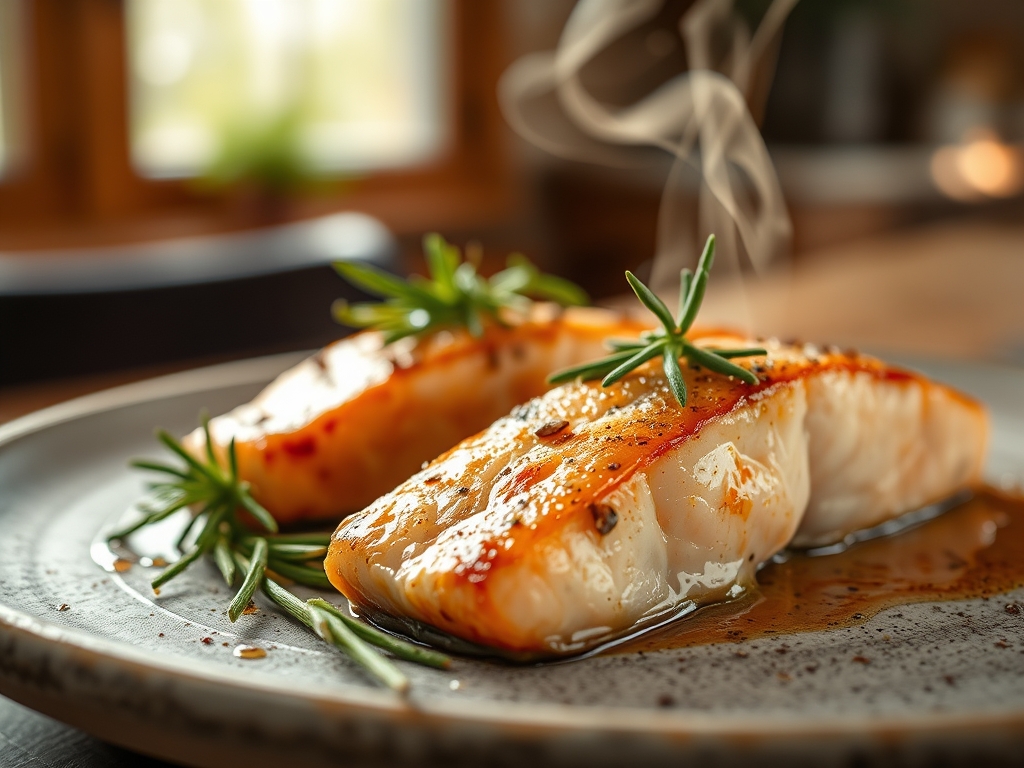
Close your eyes and listen for that distinctive, aggressive sizzle as cold protein meets a shimmering, oil-slicked pan. The air fills with the woody, resinous scent of needle-like herbs and the savory depth of searing fats. Mastering rosemary salmon recipes is more than a weeknight win; it is an exercise in balancing volatile aromatics with delicate omega-3 fatty acids. We are aiming for that glass-shattering crisp skin and a center that flakes at the mere suggestion of a fork. It is time to move beyond basic seasoning and treat your kitchen like a high-end laboratory where flavor is the primary variable.
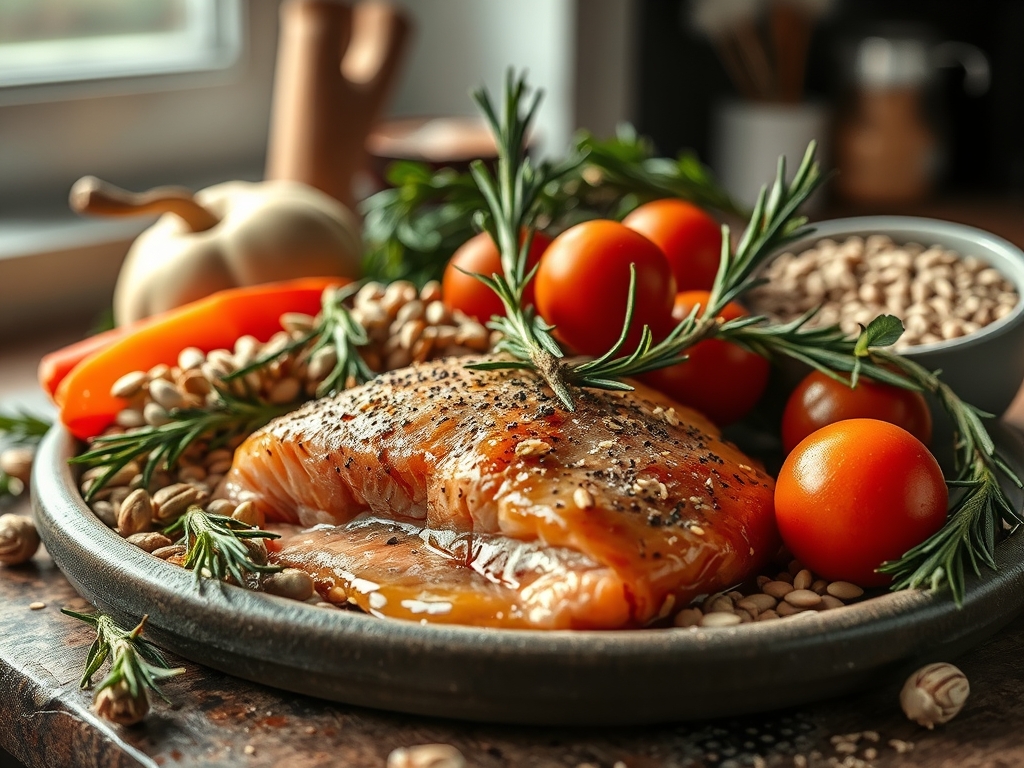
The Gathers:
Before we ignite the burner, we must assemble our mise-en-place with clinical precision. High-quality rosemary salmon recipes demand ingredients that can withstand high heat without losing their molecular integrity. You will need a gorgeous center-cut fillet, ideally wild-caught for its superior muscular structure and deep astaxanthin pigment. Gather your fresh rosemary sprigs; look for needles that are pliable and vibrant green, as brittle brown needles indicate lost essential oils like eucalyptol and camphor.
You will also need high-smoke-point fats. Reach for avocado oil or clarified butter (ghee) to ensure we do not hit the acrid bitterness of scorched solids. Grab a head of garlic to provide an earthy base note and a lemon for its citric acid to brighten the heavy lipid profile of the fish.
Smart Substitutions: If you cannot find fresh rosemary, do not reach for the dusty jar of dried needles. Instead, use fresh thyme or sage to maintain that herbaceous, woody profile. If you are avoiding butter, a high-quality extra virgin olive oil added at the very end of the process will provide that silky mouthfeel without the risk of burning during the initial sear.
The Clock
Efficiency in the kitchen is about the Chef's Flow, a rhythmic progression that prevents bottlenecks. Your total active time is a mere 10 minutes, but the preparation phase is where the magic happens. Spend 5 minutes patting the fish dry and tempering it to room temperature. The cooking phase takes approximately 8 to 12 minutes depending on the thickness of the fillet. We allow for a 3-minute rest period to let the internal juices redistribute. This ensures that when you finally slice into the fish, the moisture stays within the flakes rather than flooding the plate.
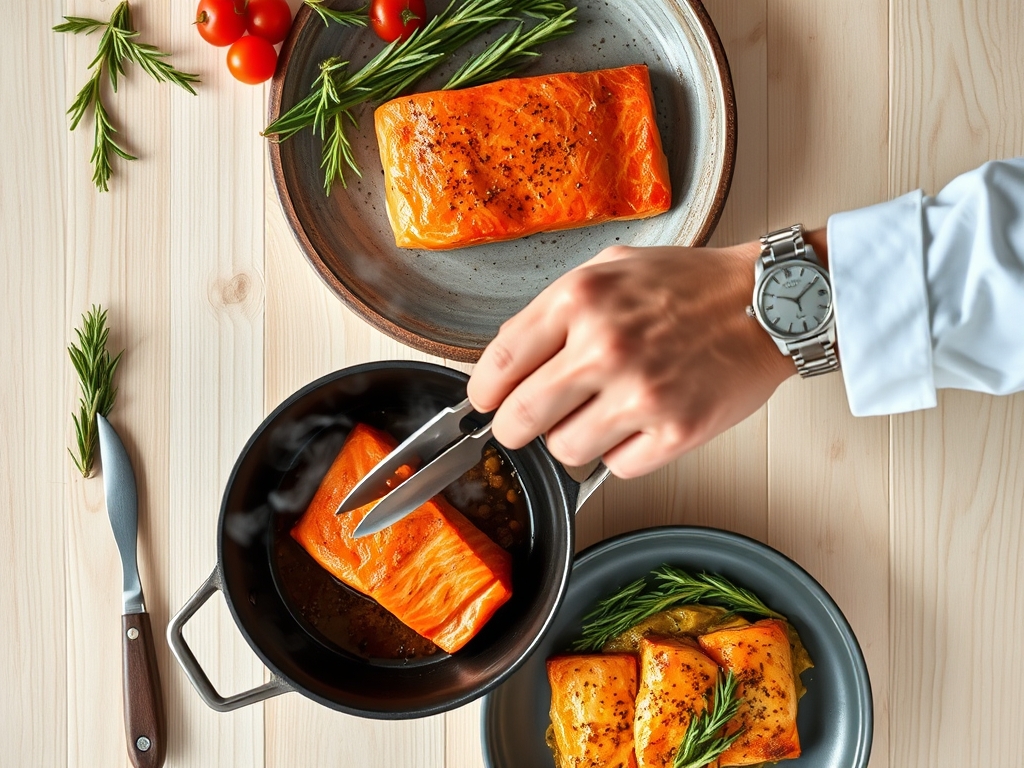
The Masterclass
1. Temper and Desiccate
Take your salmon out of the refrigerator 20 minutes before cooking. Use a paper towel to press firmly against the skin and flesh. Moisture is the enemy of the Maillard reaction. If the surface is damp, the heat will be wasted on evaporation rather than browning.
Pro Tip: This is known as surface desiccation. By removing external water, you allow the surface temperature to rise rapidly above 285 degrees Fahrenheit, triggering the chemical reaction between amino acids and reducing sugars that creates savory flavor compounds.
2. The Score and Season
Using a sharp chef's knife, make shallow diagonal incisions across the skin. Be careful not to cut into the pink flesh. Generously season with kosher salt from a height to ensure even distribution across the entire surface area.
Pro Tip: Scoring the skin prevents the natural collagen fibers from contracting and curling the fish as it hits the heat. This ensures maximum surface contact with the heavy-bottomed skillet for an even, golden-brown crust.
3. The Initial Sear
Heat your skillet over medium-high heat until the oil begins to shimmer and reach its viscous limit. Place the salmon skin-side down. Use a flexible fish spatula to press the fillet firmly into the pan for the first 30 seconds.
Pro Tip: This initial pressure prevents the protein from "bowing." The weight ensures the entire skin surface undergoes uniform heat transfer, leading to a consistent crunch rather than soggy patches.
4. The Rosemary Infusion
Once the skin is crisp and releases easily from the pan, flip the fillet. Toss in your rosemary sprigs, smashed garlic cloves, and a knob of butter. The butter will foam as the water content evaporates, leaving behind the rich solids.
Pro Tip: This is lipid-mediated extraction. The fats in the butter act as a solvent, pulling the fat-soluble aromatic compounds out of the rosemary needles and into the basting liquid, which we will then spoon over the fish.
5. The Arrosé Technique
Tilt your pan slightly so the infused butter pools at the bottom. Use a large spoon to continuously bathe the top of the salmon with the hot, bubbling fat. This gently cooks the top of the fish while keeping it incredibly moist.
Pro Tip: This technique, called arrosé, utilizes convection heat. The hot fat delivers consistent energy to the delicate top layers without the harsh, direct heat of the pan, preventing the proteins from over-coagulating and becoming rubbery.
6. The Rest and Finish
Remove the salmon when a digital thermometer reads 125 degrees Fahrenheit for medium-rare. Transfer it to a warm plate and let it rest. Squeeze fresh lemon juice over the top just before serving.
Pro Tip: This accounts for thermal carryover. The internal temperature will continue to rise by 5 to 7 degrees after it leaves the pan. Pulling it early ensures the center remains translucent and succulent rather than chalky.
The Deep Dive
From a macro perspective, this dish is a powerhouse. A standard 6-ounce serving provides roughly 34 grams of high-quality protein and 15 grams of healthy fats, primarily heart-healthy Omega-3s. It is naturally gluten-free and fits perfectly into Keto or Paleo lifestyles. For a vegan alternative, apply these same rosemary-infusion techniques to thick slabs of king oyster mushrooms or firm tofu, though you will miss the specific fatty acid profile of the fish.
The Fix-It: Common Pitfalls
- White Gunk (Albumin): If you see white liquid seeping out, you have cooked it too fast or too long. The muscle fibers have contracted so tightly they are squeezing out the internal proteins. Lower your heat next time.
- Soggy Skin: This usually happens because the pan was not hot enough or the skin was not dry. Always wait for the oil to shimmer.
- Burnt Rosemary: If the herb turns black and smells like a campfire, the heat is too high. Add the herbs only during the final 3 minutes of cooking.
Meal Prep and Reheating: To maintain "day-one" quality, do not use a microwave. Reheat the salmon in a 275-degree oven with a splash of water and a tight foil cover. This creates a gentle steam environment that rehydrates the protein fibers without overcooking the core.
The Wrap-Up
Rosemary salmon recipes represent the perfect marriage of rustic aromatics and sophisticated technique. By focusing on surface moisture, temperature control, and the art of the butter baste, you transform a simple piece of seafood into a restaurant-quality masterpiece. It is about the science of the sear and the patience of the rest. Now, grab your skillet and let the rosemary do the heavy lifting!
The Kitchen Table
How do I know when the salmon is done without a thermometer?
Gently press the side of the fillet with a fork. If the flakes begin to separate easily along the white lines of fat (the connective tissue), the fish is perfectly medium-rare to medium.
Can I use dried rosemary for this recipe?
Avoid dried rosemary for searing. The needles are tough and do not soften during the quick cook time. If you must use dried, crush it into a fine powder to avoid a woody, needle-like texture.
Why does my salmon skin always stick to the pan?
The skin sticks if the pan is too cold or if you try to flip it too early. The fish will naturally "release" itself from the metal once the proteins have fully seared and browned.
What is the best pan for cooking rosemary salmon?
A heavy-bottomed stainless steel or cast iron skillet is best. These materials retain heat efficiently, ensuring a consistent sear and preventing the temperature drop that occurs when the cold fish hits the surface.
Should I leave the skin on or take it off?
Always cook with the skin on. It acts as a protective thermal barrier for the delicate flesh and provides a delicious, crunchy texture that contrasts beautifully with the soft, flaked interior of the fish.