

Close your eyes and imagine the humid, electric air of a Bangkok night market where the scent of charred fat and fermented fish sauce dances through the breeze. This is the heart of the culinary world, and today we are mastering eight iconic thailand beef recipes that bridge the gap between street food grit and high-end gastropub precision. We are moving beyond the basic stir-fry; we are diving into the molecular transformation of tough connective tissues into buttery, salt-slicked perfection. Whether it is the slow-rendered richness of a Massaman or the high-heat sear of a Crying Tiger steak, these dishes rely on the delicate balance of the four pillars: salty, sour, sweet, and spicy. By the time we finish, you will understand how a splash of lime juice does not just add flavor; it physically alters the protein structure of the beef to create a more tender mouthfeel. Grab your apron and your sharpest chef knife; we are about to turn your kitchen into a temple of Thai aromatics.
The Gathers:
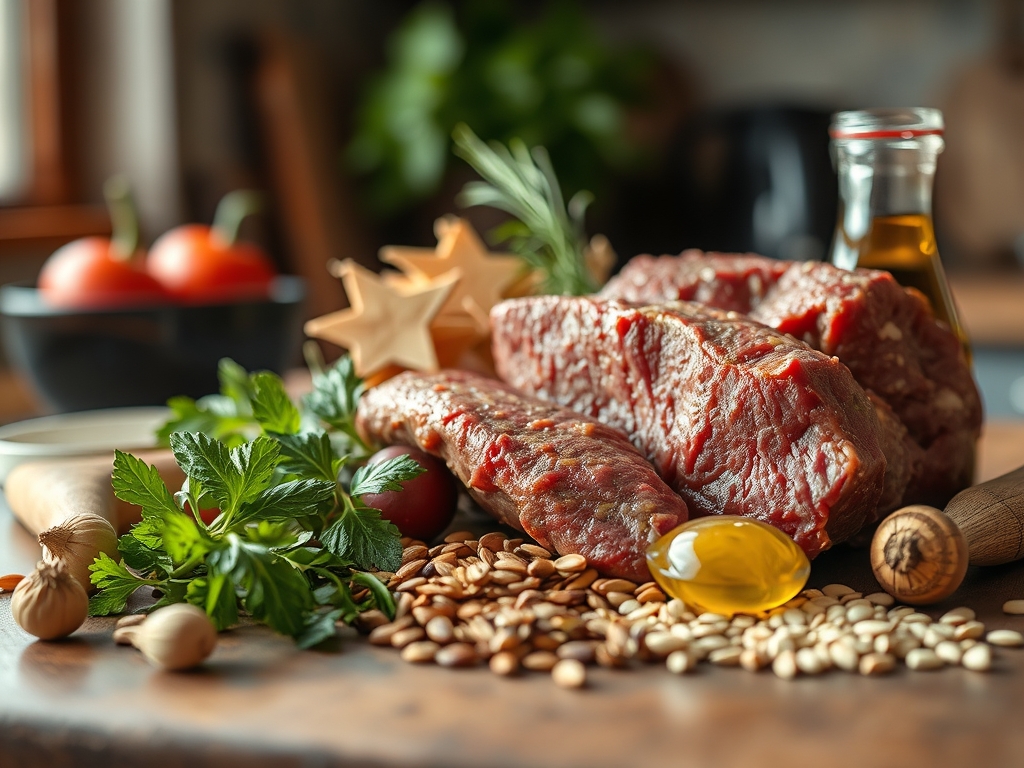
To execute these thailand beef recipes with professional accuracy, your mise-en-place must be impeccable. You will need a heavy-bottomed skillet or a seasoned carbon steel wok to achieve the necessary high-temperature sear. The ingredient list begins with high-quality protein; look for flank steak or ribeye for quick sears, and beef chuck or shank for long braises. The aromatics are the soul of the dish. You will need galangal (which is denser and more citrusy than ginger), lemongrass stalks, and kaffir lime leaves.
For the liquids, keep a bottle of premium fish sauce nearby. It provides the umami backbone through fermented anchovies. Coconut milk is your primary fat source; look for brands with high fat content to ensure it "cracks" properly during the frying stage. If you cannot find palm sugar, a dark brown sugar is a smart substitution as it mimics the molasses-heavy profile. For those who cannot find bird's eye chilies, a combination of serrano peppers and a pinch of dried red pepper flakes will replicate the heat without sacrificing the bright, vegetal notes. Use a microplane to zest your limes and grate your garlic into a fine paste, ensuring even distribution throughout your sauces.
The Clock
Efficiency in the kitchen is about "Chef's Flow," the art of overlapping tasks to minimize downtime. For these thailand beef recipes, your total active time will range from 20 minutes for a stir-fry to 45 minutes for curry preparation. However, the clock truly ticks during the marination and simmering phases.
A quick Pad Kra Pao (Holy Basil Beef) requires only 10 minutes of prep and 5 minutes of high-heat cooking. Conversely, a Beef Massaman requires a 2-hour simmer to allow the collagen to denature into gelatin. Plan your flow by prepping all aromatics first. While the beef rests or braises, use that window to prepare your jasmine rice and garnishes. This ensures that every component hits the table at the optimal temperature.
The Masterclass
1. The Maillard Sear
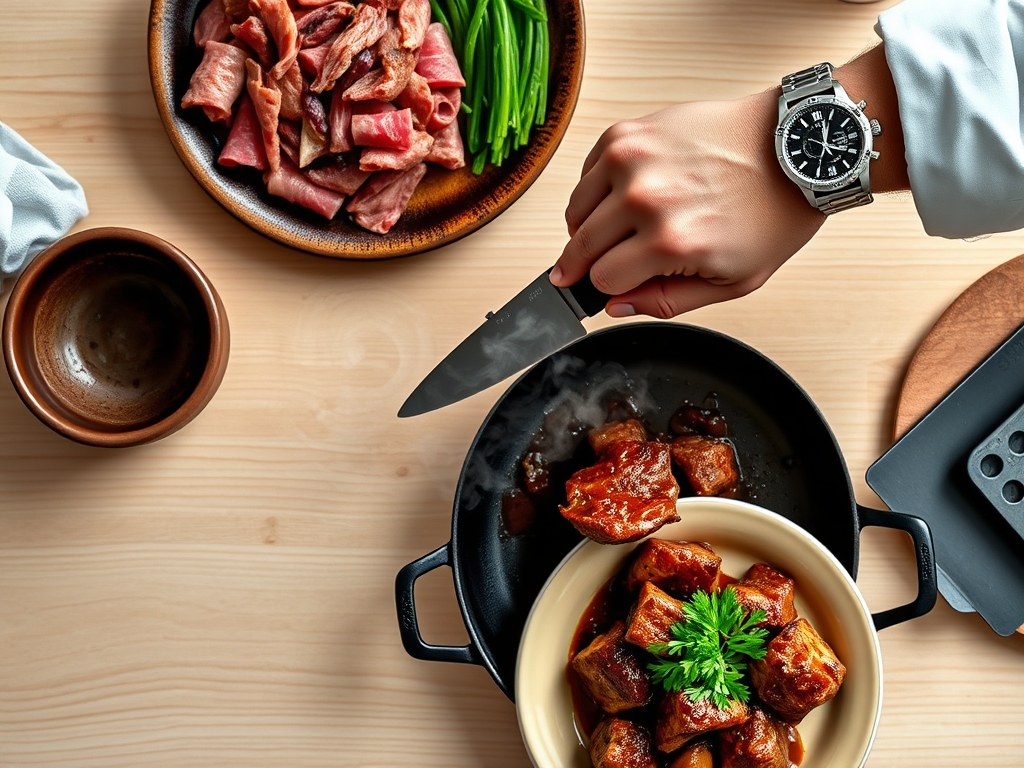
Start by patting your beef bone-dry with paper towels. Heat your skillet until it reaches the smoke point of your oil. Lay the beef in a single layer, ensuring you do not crowd the pan.
Pro Tip: Moisture is the enemy of the Maillard reaction. If the meat is wet, it will steam rather than sear, preventing the complex flavor compounds from developing on the surface.
2. Cracking the Cream
When making curries like Panang or Green Beef Curry, pour a small amount of thick coconut cream into the wok first. Cook it over medium heat until the water evaporates and the oil separates from the solids.
Pro Tip: This is called "cracking the cream." Frying your curry paste in this rendered coconut oil releases fat-soluble volatile oils from the spices, intensifying the aroma and flavor.
3. The Deglaze and Infuse
Once your aromatics are fragrant, add your liquid base (broth or coconut milk). Use a bench scraper or wooden spoon to scrape up the browned bits (fond) from the bottom of the pan.
Pro Tip: Deglazing incorporates those caramelized proteins back into the sauce, creating a deeper, more viscous consistency and a unified flavor profile.
4. Balancing the Four Pillars
Add your fish sauce, palm sugar, and lime juice in increments. Taste after every addition.
Pro Tip: This is an exercise in sensory calibration. If the dish is too salty, the sugar will provide a counterweight; if it is too heavy, the acidity of the lime will brighten the fats.
5. The Rest and Carryover
For grilled beef recipes like Suea Rong Hai, remove the meat from the heat when it is 5 degrees below your target temperature. Place it on a wire rack for at least ten minutes.
Pro Tip: This allows for thermal carryover, where the internal temperature continues to rise while the muscle fibers relax, preventing the juices from rushing out when you slice it.
6. The Herb Finish
Only add fresh herbs like Thai basil, cilantro, or mint at the very last second, once the heat is turned off.
Pro Tip: These herbs contain delicate oils that dissipate under prolonged heat. Residual heat is enough to wilt the leaves while keeping their bright, piquant profile intact.
7. Emulsifying the Sauce
If your sauce looks broken or oily, whisk in a small splash of room-temperature water or coconut milk while agitation the pan.
Pro Tip: Mechanical agitation helps re-emulsify the fats into the liquid, resulting in a smooth, glossy finish that coats the back of a spoon.
8. Precision Slicing
Always slice your beef against the grain using a long, fluid motion with a sharp knife.
Pro Tip: Slicing against the grain shortens the muscle fibers, making even the toughest cuts of beef feel tender and succulent during mastication.
The Deep Dive
From a nutritional standpoint, these thailand beef recipes are powerhouses of protein and healthy fats. A standard serving of Thai beef stir-fry contains roughly 350 to 450 calories, with a high concentration of zinc and B12. To make these recipes Keto-friendly, simply swap the palm sugar for an erythritol-based sweetener and serve over cauliflower rice. For a Gluten-Free version, ensure your fish sauce and soy sauce are certified GF (tamari is an excellent substitute).
"The Fix-It" Guide:
- Tough Meat: If your stir-fry beef is chewy, you likely skipped the "velveting" process. Next time, toss the raw slices in a teaspoon of baking soda for 15 minutes before rinsing and cooking to alkalize the surface and soften fibers.
- Bitter Curry: This usually happens if the spices or garlic scorched. Fix it by adding a touch more coconut milk and a pinch of salt to mask the bitterness.
- Thin Sauce: If your curry is watery, do not just boil it down; whisk in a small amount of mashed potato or a cornstarch slurry to achieve that luxurious mouthfeel.
For meal prep, remember that Thai flavors often improve on day two as the spices continue to infuse the proteins. When reheating, use a low power setting on the microwave or a gentle simmer on the stove to avoid overcooking the beef and turning it rubbery.
The Wrap-Up
Mastering thailand beef recipes is about more than just following a list of ingredients; it is about understanding the chemistry of heat and the harmony of contrasting flavors. You have learned how to render fats, emulsify sauces, and treat protein with the respect it deserves. Now, take these skills, fire up your wok, and invite your friends over for a feast that tastes like a first-class ticket to Southeast Asia. You've got the tools, the science, and the flair; now go make some magic!
The Kitchen Table
Which cut of beef is best for Thai stir-fry?
Flank steak or sirloin tip are ideal. They offer a balance of lean protein and flavor. Always slice them thinly against the grain to ensure the meat remains tender during the rapid, high-heat cooking process characteristic of Thai cuisine.
How do I make my Thai beef spicy but flavorful?
Use a mortar and pestle to crush bird's eye chilies with garlic. This releases the essential oils rather than just chopping them. The friction creates a paste that distributes heat evenly while building a deep, aromatic flavor base for the dish.
Can I substitute regular basil for Thai basil?
While Italian basil is sweet, it lacks the anise and licorice notes of Thai holy basil. If you must substitute, use Italian basil mixed with a few fresh mint leaves to better mimic the complex, peppery profile required for authentic results.
Why is my Thai curry sauce separating?
A separated sauce usually means the coconut milk has "cracked," which is actually desirable in traditional Thai cooking. It signifies that the water has evaporated, allowing the curry paste to fry in the natural coconut oils for maximum flavor extraction and depth.