
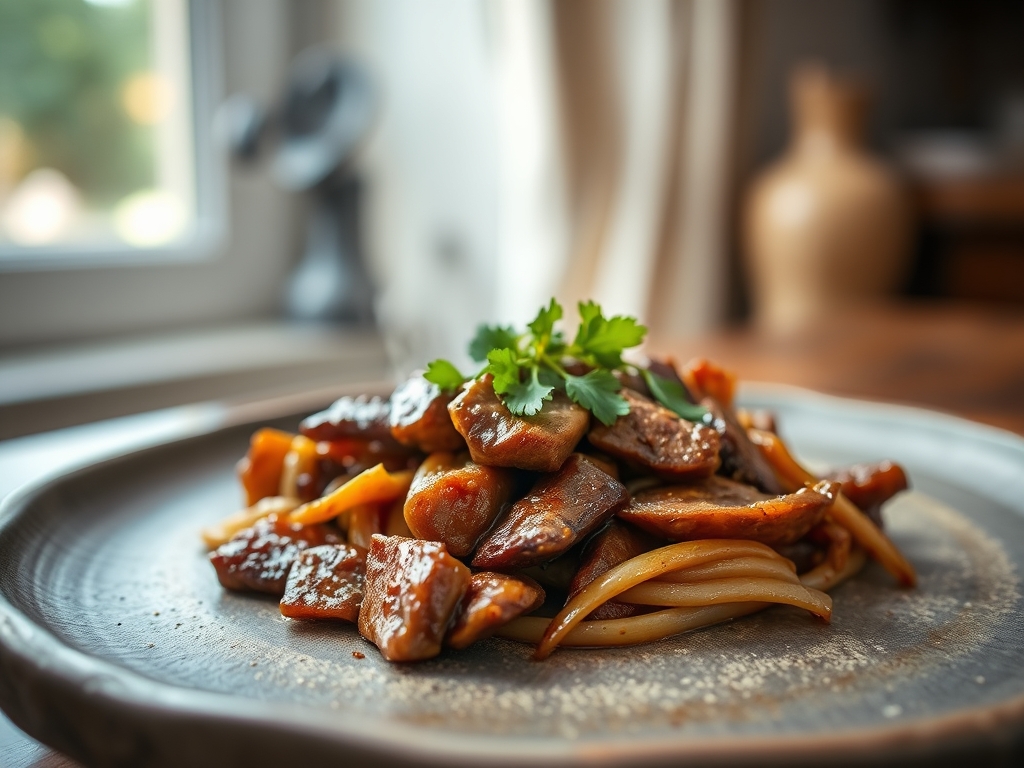
Steam rises in a fragrant, star anise scented cloud that clings to your kitchen windows, signaling the start of a deep dive into the soul of Southeast Asian comfort. Mastering traditional vietnamese beef recipes requires more than just a sharp knife; it demands an understanding of how heat transforms tough collagen into silk. We are moving beyond basic stir fry to explore the structural integrity of the perfect Pho broth and the charred caramelization of Bo Luc Lac. This is a journey through salt, acid, and fire, designed to turn your dining room into a bustling street corner in Hanoi.
Whether you are craving the velvety texture of a slow simmered stew or the high heat snap of a wok seared steak, these dishes rely on the delicate balance of the five fundamental tastes. We will be using professional techniques to ensure every bite of beef is tenderized properly and seasoned to its molecular core. Grab your apron and your heaviest skillet; we are about to decode the chemistry of the most iconic beef dishes in the Vietnamese repertoire.
The Gathers:
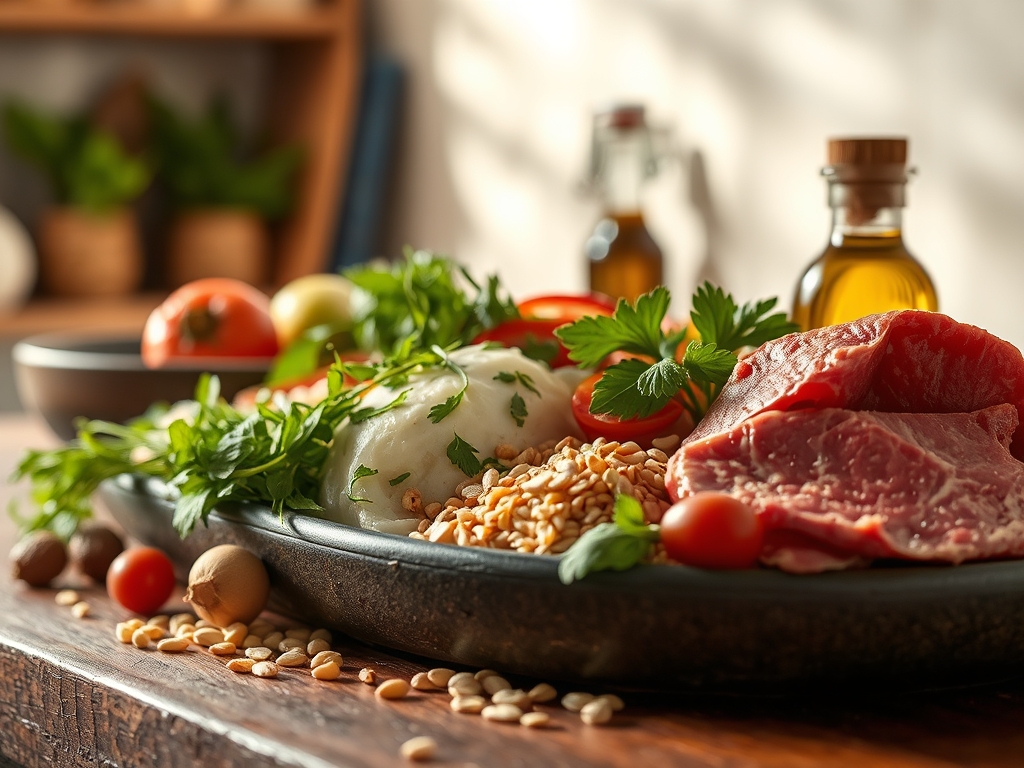
To execute these vietnamese beef recipes with precision, your mise-en-place must be flawless. We start with the beef itself. For quick searing dishes like Bo Luc Lac (Shaking Beef), look for ribeye or tenderloin with high intramuscular fat. For long braises like Bo Kho, you need brisket or shank; these cuts are rich in connective tissue that breaks down into gelatin at 160 degrees Fahrenheit.
Your pantry needs high quality fish sauce (nuoc mam), which provides the essential glutamate punch. Look for brands that list only anchovies and salt to ensure a clean, piquant profile without chemical aftertastes. You will also need palm sugar for its low melting point and earthy sweetness, along with aromatics like lemongrass, ginger, and shallots. Use a microplane to zest your ginger into a fine paste; this increases the surface area for maximum flavor infusion.
Smart Substitutions: If you cannot find bird eye chilies, use serranos for a similar heat level but a slightly more vegetal note. If palm sugar is unavailable, light brown sugar works, though you should add a tiny pinch of molasses to mimic the depth. For those avoiding soy, coconut aminos offer a similar salinity with a lower glycemic index.
The Clock
The "Chef's Flow" is the secret to managing these eight classics without losing your mind. Total active prep time for the entire suite is approximately 90 minutes, but the passive cooking time varies wildly. A proper Pho Bo broth requires a minimum of six to eight hours to fully extract the marrow and clarify the liquid. Conversely, a stir fried Bo Luc Lac takes only three minutes in a screaming hot wok.
To optimize your time, start your long braises and stocks first. While the proteins undergo hydrolysis in the pot, you can use a bench scraper to organize your chopped aromatics for the faster dishes. This staggered approach ensures that by the time your slow cooked brisket is fork tender, your fresh garnishes are crisp and ready for assembly.
The Masterclass
1. The Art of the Pho Broth
Char your ginger and onions directly over a gas flame until the skins are blackened. This creates a smoky depth and initiates the Maillard reaction before they even hit the water. Simmer beef bones at a bare bubble; boiling too hard will emulsify the fat and turn your broth cloudy.
Pro Tip: Use a digital scale to measure your spices. Overdoing the star anise can lead to a medicinal flavor profile due to high concentrations of anethole.
2. Searing the Shaking Beef
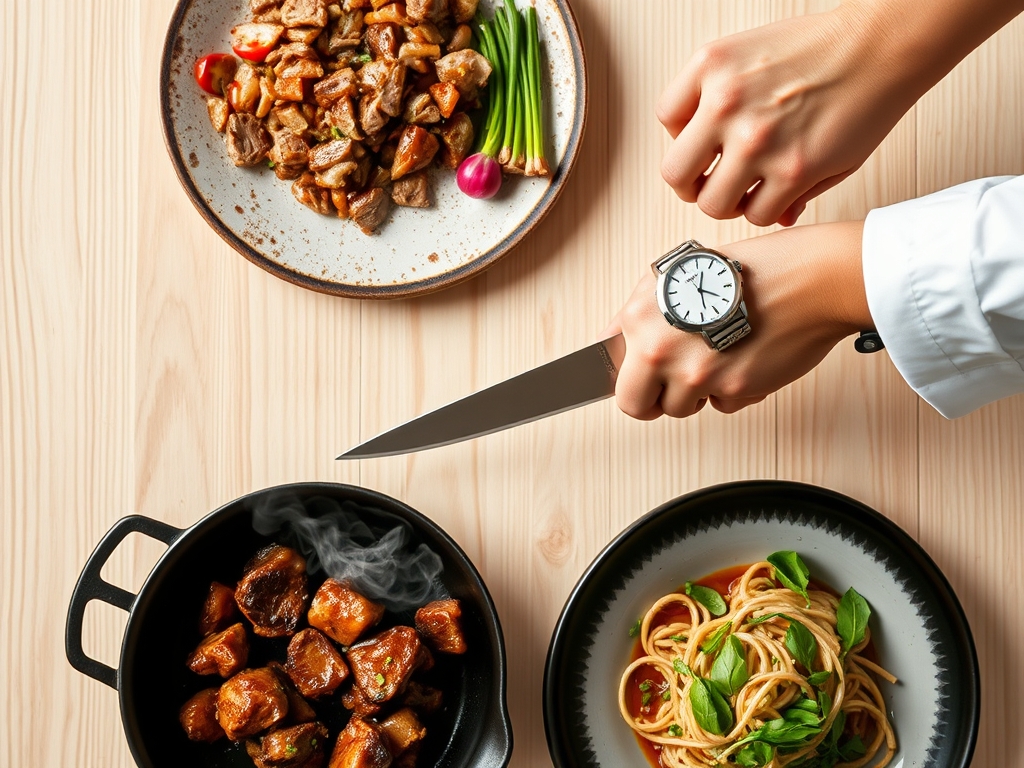
Cut your steak into uniform cubes to ensure even heat distribution. Use a heavy-bottomed skillet or a carbon steel wok. Sear the meat in small batches to avoid dropping the pan temperature, which causes the meat to steam in its own juices rather than brown.
Pro Tip: This dish relies on thermal carryover. Remove the beef when it is 5 degrees below your target temperature; the internal heat will finish the job while the meat rests.
3. Braising the Bo Kho
Tough cuts like shank need a low and slow environment. Deglaze your pot with coconut water or a splash of red wine to lift the fond (the browned bits) from the bottom. This adds a complex, savory layer to the sauce.
Pro Tip: The acidity in the lemongrass helps break down muscle fibers. This chemical tenderization ensures the beef becomes succulent rather than stringy.
4. Wrapping the Bo La Lot
Wrap seasoned ground beef in wild betel leaves (or perilla leaves) and grill them. The leaves act as a protective barrier, steaming the meat inside while the outside gets charred and fragrant.
Pro Tip: High fat content in the beef mix is essential. As the fat renders, it bastes the meat from the inside, preventing the lean proteins from tightening and becoming tough.
5. Perfecting Beef Carpaccio (Bo Tai Chanh)
This dish uses "cooking" via acid. Thinly sliced raw beef is marinated in lime juice. The citric acid denatures the proteins, changing the texture from raw to "cooked" without heat.
Pro Tip: Chill your beef in the freezer for 20 minutes before slicing. A firm protein structure allows for paper thin cuts that absorb the marinade more efficiently.
6. Stir-Frying Beef with Bitter Melon
The trick here is balancing the intense bitterness of the melon with the savory beef. Flash fry the beef first, remove it, and then cook the melon. Re-incorporate the beef at the very end.
Pro Tip: Use a saucier to whisk your stir fry sauce before adding it to the pan. This ensures the cornstarch is fully suspended, preventing unsightly lumps in your glaze.
7. Beef Rice Noodle Salad (Bun Bo Nam Bo)
This is all about the assembly of temperatures. Warm, lemongrass infused beef sits atop cold vermicelli noodles and fresh herbs. The contrast is what makes the dish refreshing.
Pro Tip: Aerate your noodles after boiling by tossing them gently. This prevents them from clumping into a dense mass as the surface starches cool and set.
8. Lemongrass Beef Skewers
Thread thinly sliced beef onto bamboo skewers that have been soaked in water. Grilling over high heat creates a caramelized crust while keeping the interior juicy.
Pro Tip: Sugars in the marinade will burn quickly. Keep a pair of long tongs ready to rotate the skewers constantly, ensuring an even char without carbonizing the exterior.
The Deep Dive
From a nutritional standpoint, these vietnamese beef recipes are remarkably balanced. A standard serving of Pho provides roughly 350 to 450 calories, with a high protein count and a moderate carbohydrate load from the rice noodles. To make these recipes Keto-friendly, simply swap rice noodles for zucchini noodles or shirataki. For a Vegan twist, use "beef" style soy curls and replace fish sauce with a mixture of mushroom powder and sea salt to maintain that essential umami.
The Fix-It: Common Pitfalls
- Tough Meat: Usually caused by cutting with the grain. Always slice against the grain to shorten muscle fibers.
- Cloudy Broth: Caused by boiling too vigorously. Keep the heat at a "smile" (tiny bubbles) and skim the scum frequently.
- Overly Salty Sauce: If you over-reduced your sauce, add a splash of water and a squeeze of lime. The acid masks the perception of excess salt.
Meal Prep Science: When reheating beef dishes, use the "low and slow" method. Microwaving often causes the proteins to contract violently, resulting in a rubbery texture. Instead, reheat stews on the stovetop over low heat, adding a tablespoon of water to restore the viscous consistency of the sauce.
The Wrap-Up
You now have the technical blueprint to master the most celebrated vietnamese beef recipes in existence. From the long, patient extraction of bone marrow for Pho to the high energy agitation of a wok sear, you are playing with the very building blocks of flavor. Remember that cooking is as much about the "feel" of the ingredients as it is the science behind them. Don't be afraid to taste as you go, adjusting the salt and acid until the dish sings. Your kitchen is now a laboratory of deliciousness; go forth and sear with confidence!
The Kitchen Table
Why is my Pho broth cloudy?
Cloudiness occurs when fat and impurities emulsify into the liquid due to a hard boil. To keep it clear, simmer gently and use a fine mesh skimmer to remove surface proteins and rendered fats throughout the cooking process.
What is the best beef cut for stir-fry?
Flank steak or sirloin are ideal choices. They offer a balance of lean protein and flavor. To ensure tenderness, always slice the meat thinly against the grain to break up the tough connective tissue fibers.
Can I make these recipes gluten-free?
Yes, most traditional Vietnamese beef dishes are naturally gluten-free if you use pure fish sauce. Always check the labels on hoisin sauce or soy sauce, as these often contain wheat; swap them for certified gluten-free versions or tamari.
How do I get a deep sear without overcooking?
Ensure your pan is preheated until the oil reaches its smoke point. Pat the beef dry with paper towels before cooking; moisture on the surface creates steam, which prevents the Maillard reaction from creating that savory brown crust.