
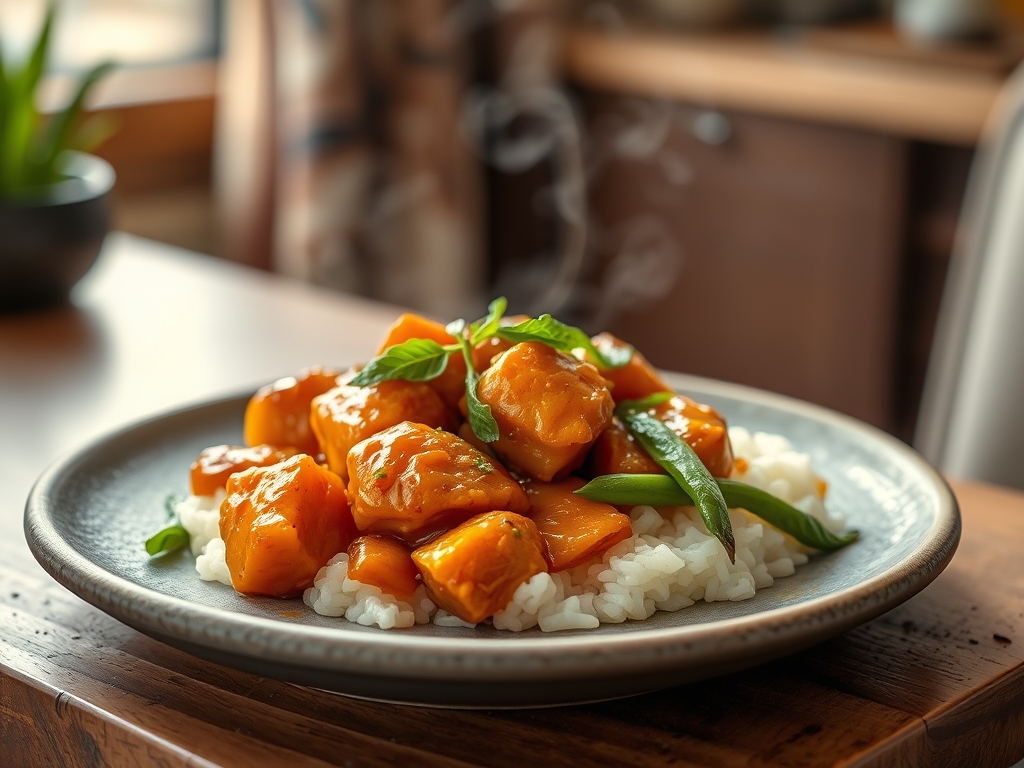
Close your eyes and imagine that first bite of a perfect takeaway box. The steam rises in a fragrant cloud of citrus zest and toasted chili while the sauce clings to the protein with a glossy, stubborn grip. We are all chasing that specific alchemy of sugar, vinegar, and crunch found in panda express orange chicken recipes. It is the ultimate comfort food; however, achieving that restaurant quality texture at home requires more than just a bottle of orange juice and a prayer. It requires an understanding of starch gelatinization and the delicate balance of acidity against fat.
The secret to that iconic flavor profile is not just in the ingredients but in the specific sequence of heat application. Most home cooks fail because they overcrowd the pan or use a sauce that is too watery. We are going to fix that today. By utilizing professional techniques like velvetting the meat and controlling the Maillard reaction, we will recreate that signature piquant glaze that makes this dish a global obsession. Grab your apron and your favorite heavy bottomed skillet; we are about to turn your kitchen into a high volume wok station without the commercial gas bill.
The Gathers:
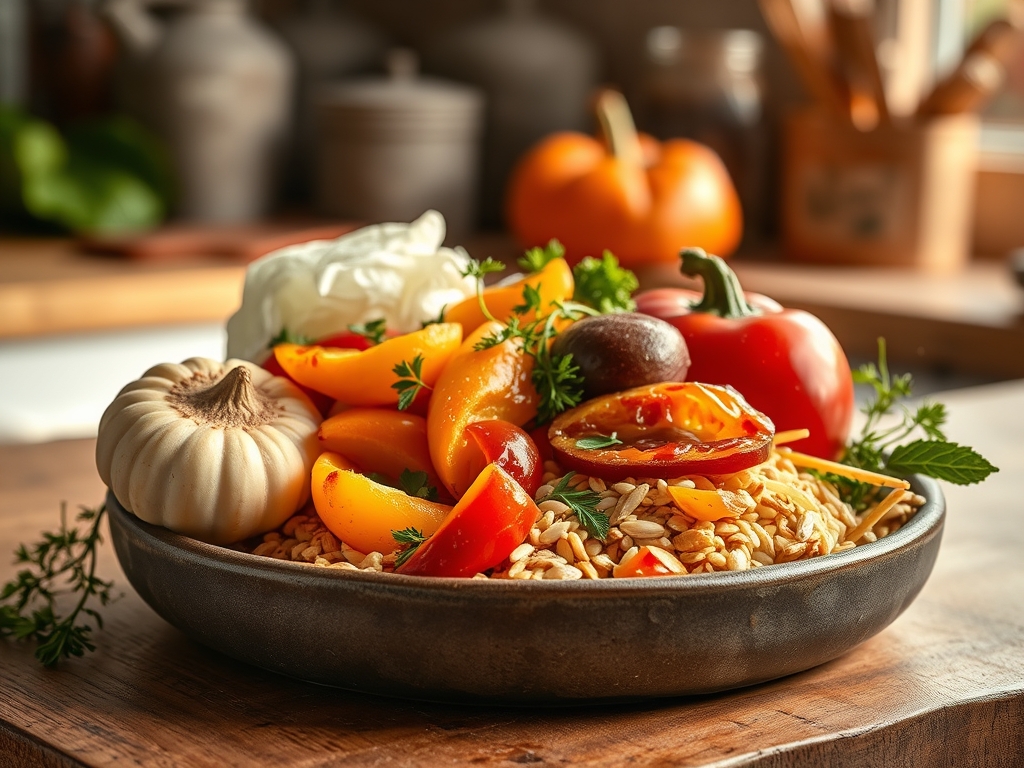
Setting up your mise en place is the difference between a frantic kitchen and a culinary masterpiece. For the protein, you want boneless, skinless chicken thighs. Thighs contain more connective tissue and fat than breasts, which ensures the meat stays succulent even after a double fry. You will need high quality cornstarch for the dredge; this creates a crisp, airy crust that resists sogginess once the sauce is applied. For the aromatic base, gather fresh ginger, garlic, and dried red chili flakes. The sauce itself relies on a viscous blend of orange juice concentrate, rice vinegar, soy sauce, and brown sugar.
Smart Substitutions:
If you are looking to elevate the dish, swap the standard orange juice for a blend of fresh cara cara orange juice and a teaspoon of orange marmalade. The pectin in the marmalade provides a professional sheen and better adherence. If you do not have rice vinegar, apple cider vinegar works in a pinch, though it adds a slightly fruitier note. For the heat, whole dried Szechuan peppers offer a numbing complexity that standard chili flakes lack. Always use a digital scale to measure your dry ingredients; precision is the backbone of consistent panda express orange chicken recipes.
The Clock:
Efficiency in the kitchen is all about the "Chef's Flow." This is the logical sequencing of tasks to minimize downtime and maximize flavor development. Your total active time will be approximately 45 minutes.
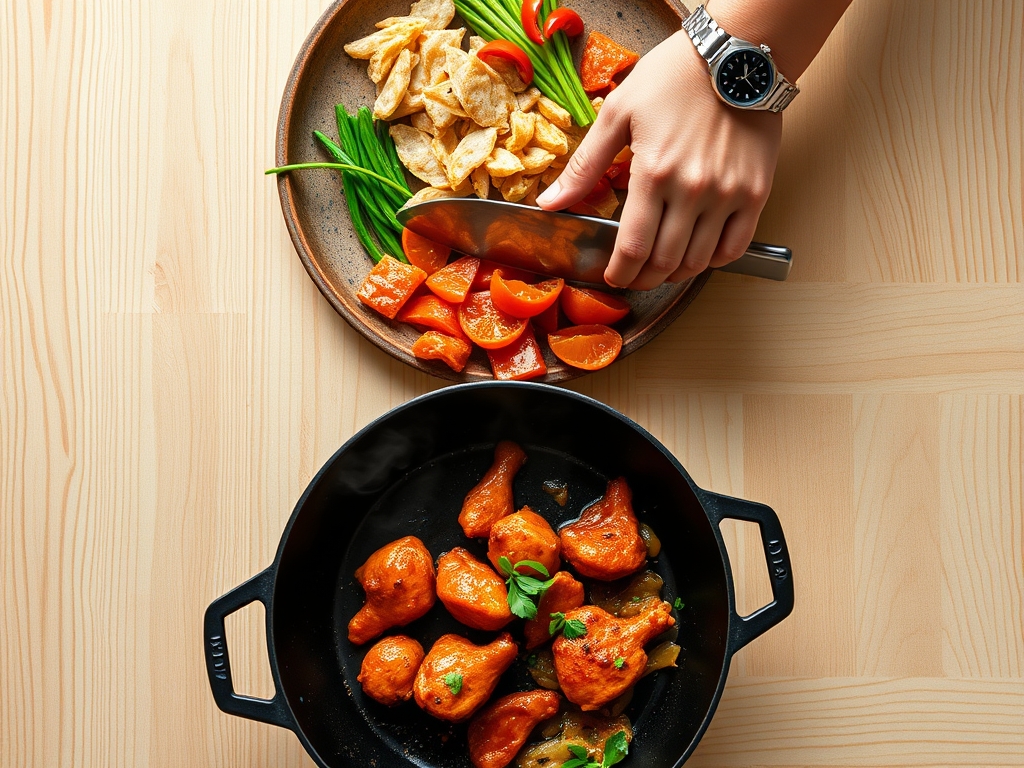
Prep Time (20 Minutes): This includes dicing the chicken into uniform one inch cubes, whisking the sauce components, and finely grating your aromatics with a microplane. Uniformity is key here; if the chicken pieces vary in size, the smaller ones will overcook and become stringy before the larger ones reach a safe internal temperature.
Cook Time (25 Minutes): This phase is split between the frying process and the sauce reduction. You will spend about 15 minutes frying the chicken in batches to ensure the oil temperature does not plummet. The final 10 minutes are dedicated to deglazing the pan and tossing the chicken in the bubbling glaze. Remember, the sauce should only meet the chicken at the very last second to preserve the structural integrity of the crust.
The Masterclass:
1. The Velvetting Marinate
Place your chicken cubes in a bowl with a splash of soy sauce, rice wine, and a beaten egg white. This technique, known as velvetting, creates a protective barrier that prevents the proteins from tightening up and becoming tough when exposed to high heat.
Pro Tip: The egg white acts as a chemical tenderizer and an adhesive for the starch. This is known as protein denaturation; the light coating ensures the chicken remains moist while providing a "tack" for the cornstarch to grab onto.
2. The Double Dredge
Toss the marinated chicken in a mixture of cornstarch, salt, and white pepper. Shake off the excess using a fine mesh strainer. For an extra crispy exterior, let the coated chicken sit on a wire rack for five minutes before frying.
Pro Tip: Allowing the starch to hydrate prevents it from falling off in the oil. This creates a more stable matrix of amylose and amylopectin, which results in a crunch that stays crisp even under a heavy sauce.
3. The First Fry
Heat a neutral oil with a high smoke point (like peanut or canola) in a heavy bottomed skillet to 350 degrees Fahrenheit. Fry the chicken in small batches until it is a pale golden color. Use tongs to move the pieces so they do not clump together.
Pro Tip: This first fry is about cooking the chicken through. We are looking for "thermal carryover," where the internal temperature continues to rise slightly after the meat is removed from the oil.
4. The Flash Fry
Increase the oil temperature to 375 degrees Fahrenheit. Return all the chicken to the oil for a quick 60 second "flash fry" until it turns a deep, mahogany brown.
Pro Tip: This second fry targets the moisture trapped in the crust. By using a higher temperature, you rapidly evaporate any remaining water, leaving behind a shatteringly crisp exterior through accelerated Maillard reaction.
5. Infusing the Aromatics
Drain the oil, leaving about one tablespoon in the pan. Add your minced garlic, ginger, and chili flakes. Stir constantly with a silicone spatula for 30 seconds until the kitchen smells like heaven.
Pro Tip: This is "blooming" the spices. The fat soluble flavor compounds in the garlic and ginger are released into the oil, ensuring the flavor is distributed evenly throughout the entire dish.
6. Reducing the Glaze
Pour in your sauce mixture (orange juice, sugar, vinegar, soy). Bring it to a vigorous boil. You want to see large, slow bubbles forming, which indicates the water is evaporating and the sugars are concentrating.
Pro Tip: As the sauce reduces, the sugar molecules undergo caramelization. This adds a complex, slightly bitter undertone that balances the sweetness and gives the sauce its signature "sticky" texture.
7. The Slurry Emulsification
If the sauce isn't thick enough to coat a spoon, whisk in a small cornstarch slurry (equal parts starch and cold water). Stir constantly to avoid lumps.
Pro Tip: Cornstarch requires heat to "bloom" and thicken. Once the liquid reaches 203 degrees Fahrenheit, the starch granules swell and trap the liquid, creating a glossy, translucent suspension.
8. The Final Toss
Add the crispy chicken back into the skillet. Use a tossing motion to coat every single piece in the viscous glaze. Work quickly; you want the sauce to coat, not soak.
Pro Tip: This is where "sauce adherence" happens. The nooks and crannies created during the double dredge act as tiny reservoirs for the glaze, ensuring every bite is a perfect balance of crunch and flavor.
9. The Garnish Finish
Remove from heat immediately and garnish with sliced green onions and toasted sesame seeds. Serve over a bed of jasmine rice to soak up any stray droplets of orange gold.
Pro Tip: Green onions add a necessary hit of "allium freshness" and raw crunch, providing a textural and flavor contrast to the sweet and savory chicken.
The Deep Dive:
Macro Nutrition: A standard serving of this homemade version contains approximately 450 calories, 22g of protein, 55g of carbohydrates, and 18g of fat. By controlling the oil and sugar at home, you significantly reduce the sodium content compared to the restaurant version.
Dietary Swaps:
- Vegan: Substitute the chicken with extra firm tofu that has been pressed for 30 minutes. Use a flax egg instead of a chicken egg for the dredge.
- Keto: Swap the cornstarch for almond flour or crushed pork rinds. Use a sugar free sweetener like monk fruit in the sauce and replace the orange juice with orange extract and water.
- GF: Ensure your soy sauce is replaced with tamari or coconut aminos. Cornstarch is naturally gluten free, but check for cross contamination.
The Fix-It:
- Soggy Chicken: Your oil was likely too cool. Always use a digital thermometer to ensure you are at 350-375 degrees.
- Clumpy Sauce: You added the slurry to a lukewarm liquid. The sauce must be boiling for the starch to integrate smoothly.
- Too Sweet: Add a teaspoon of rice vinegar or a squeeze of fresh lime juice at the end to "cut" the sugar with acidity.
Meal Prep: To reheat and maintain "day one" quality, avoid the microwave. Use an air fryer at 350 degrees for 4 minutes or a toaster oven. This recrisps the coating without making the meat rubbery.
The Wrap-Up:
Mastering panda express orange chicken recipes is a rite of passage for any home cook who loves bold, vibrant flavors. By focusing on the science of the fry and the reduction of the glaze, you have moved beyond a simple recipe into the realm of culinary technique. This dish is a crowd pleaser that proves you do not need a commercial kitchen to produce high quality, addictive flavors. Now that you have the "hacks" in your arsenal, go forth and glaze with confidence. Your Friday nights just got a serious upgrade.
The Kitchen Table:
How do I make the chicken extra crispy?
The secret is the double fry method. Frying the chicken once to cook it through and a second time at a higher temperature evaporates residual surface moisture; this creates a professional, shatteringly crisp crust that holds up against the sauce.
Can I bake the chicken instead of frying?
Yes, though the texture will be less "authentic." Coat the chicken in panko breadcrumbs and spray heavily with oil. Bake at 425 degrees Fahrenheit until golden; however, the sauce may soften the crust faster than the traditional fried version.
Why is my orange sauce too thin?
A thin sauce usually means it has not reduced enough or needs more starch. Ensure the sauce reaches a full boil to activate the cornstarch slurry. If it is still runny, simmer for another two minutes to evaporate excess water.
What is the best way to zest an orange?
Use a microplane to remove only the bright orange outer layer of the skin. Avoid the white pith underneath, as it is incredibly bitter and will ruin the delicate balance of your piquant orange glaze.