
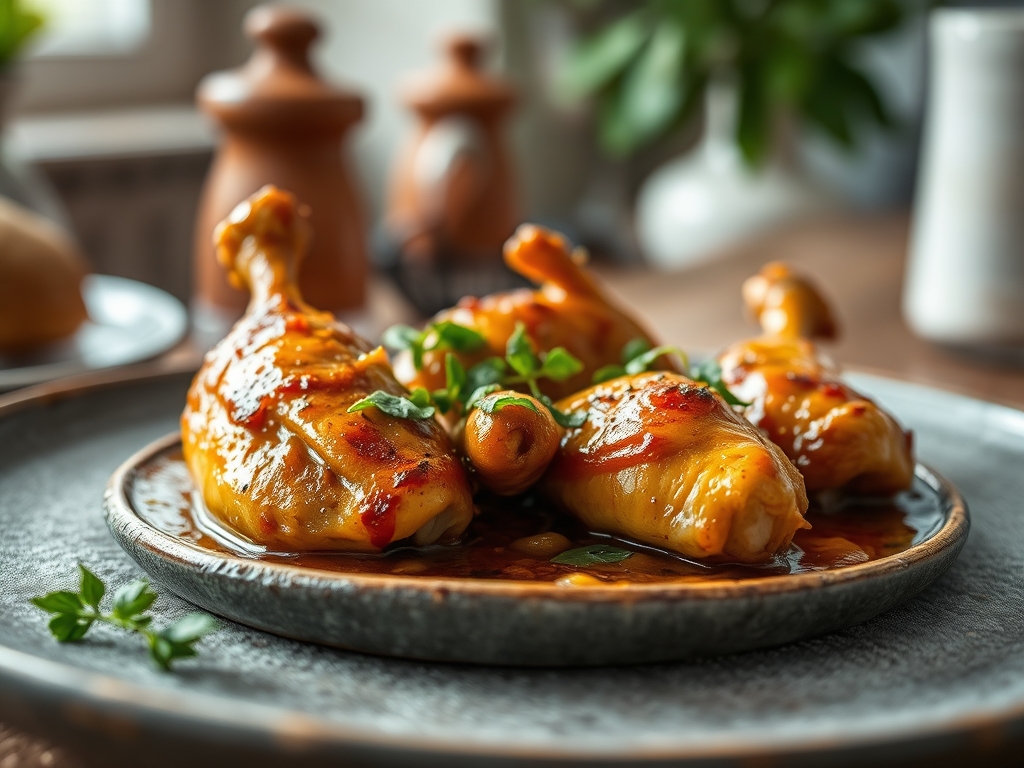
Picture the golden sizzle of a heavy-bottomed skillet as cold protein hits shimmering oil. That sound is the overture to a masterpiece. We have all been there; staring at a pack of bland breasts, wondering how to transform them into something soulful. The secret is simple. Master these chicken recipes in sauce to turn a Tuesday night into a five-star dining experience.
The magic happens when we move beyond just "cooking" and start engineering flavor. We are talking about the difference between a dry piece of meat and a succulent bite bathed in a glossy, emulsified reduction. Whether it is the sharp bite of a lemon-caper piccata or the deep, earthy warmth of a mushroom marsala; the sauce is the soul of the dish. It acts as a thermal blanket, keeping the meat moist while delivering a concentrated punch of aromatics directly to your palate.
In this guide, we are going to break down the molecular physics of the perfect pan sauce. You will learn how to harness the power of fond, that caramelized residue left in the pan, and how to stabilize fats into a velvety finish. Grab your apron and your favorite tongs. We are about to elevate your kitchen game with eight variations that will make your neighbors knock on your door just for a taste.
The Gathers:
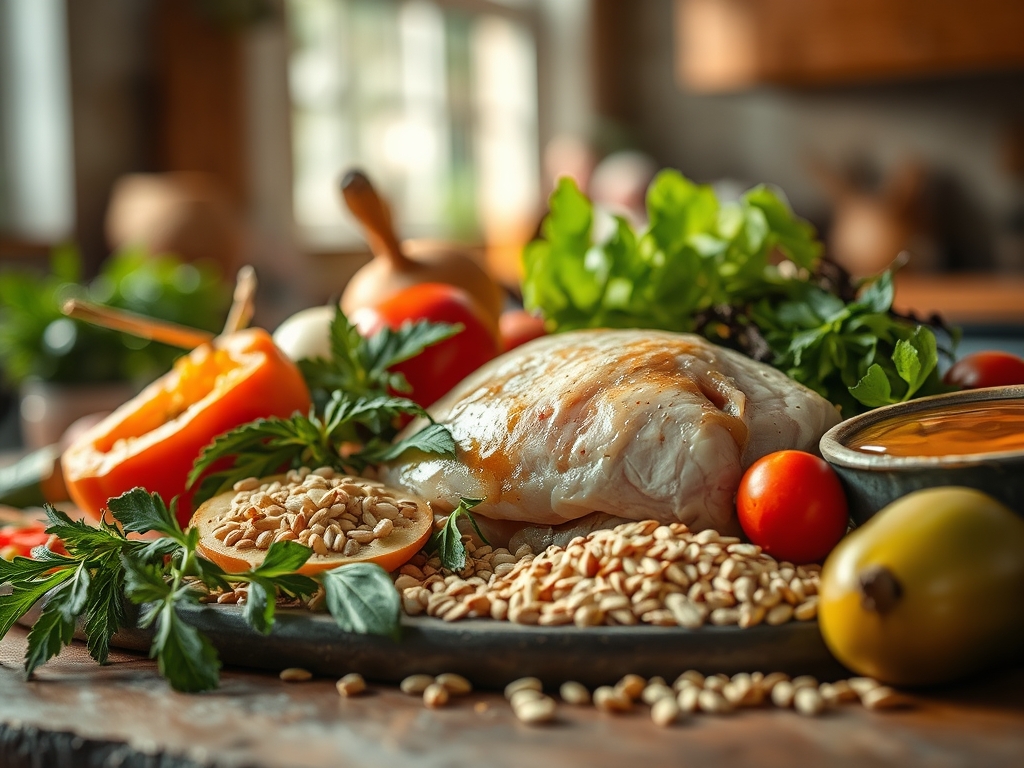
To execute these chicken recipes in sauce with precision, your mise-en-place must be flawless. Start with your aromatics. You will need shallots, garlic, and fresh herbs like thyme and rosemary. These contain volatile oils that release their scent when hitting hot fat. For the liquids, keep dry white wine, heavy cream, and high-quality bone broth on hand. The bone broth is essential because its natural gelatin content provides a viscous mouthfeel that water simply cannot replicate.
You will also need a variety of acids to balance the richness. Think bright lemons, aged balsamic vinegar, and perhaps a splash of dry sherry. For the fats, use unsalted European-style butter. It has a lower water content and higher butterfat, which helps in creating a stable emulsion. Finally, do not forget your thickeners. While a traditional roux is classic, having some cold butter cubes ready for a monter au beurre finish will give your sauces a professional sheen.
Smart Substitutions: If you are avoiding dairy, full-fat coconut milk provides the necessary lipids for a creamy texture. For a wine-free deglaze, use a splash of verjus or a diluted apple cider vinegar to maintain that essential piquant acidity. If you run out of fresh garlic, use a garlic confit or a high-quality garlic paste; avoid the jarred pre-minced stuff, as it often carries a metallic aftertaste that ruins a delicate reduction.
The Clock (H2)
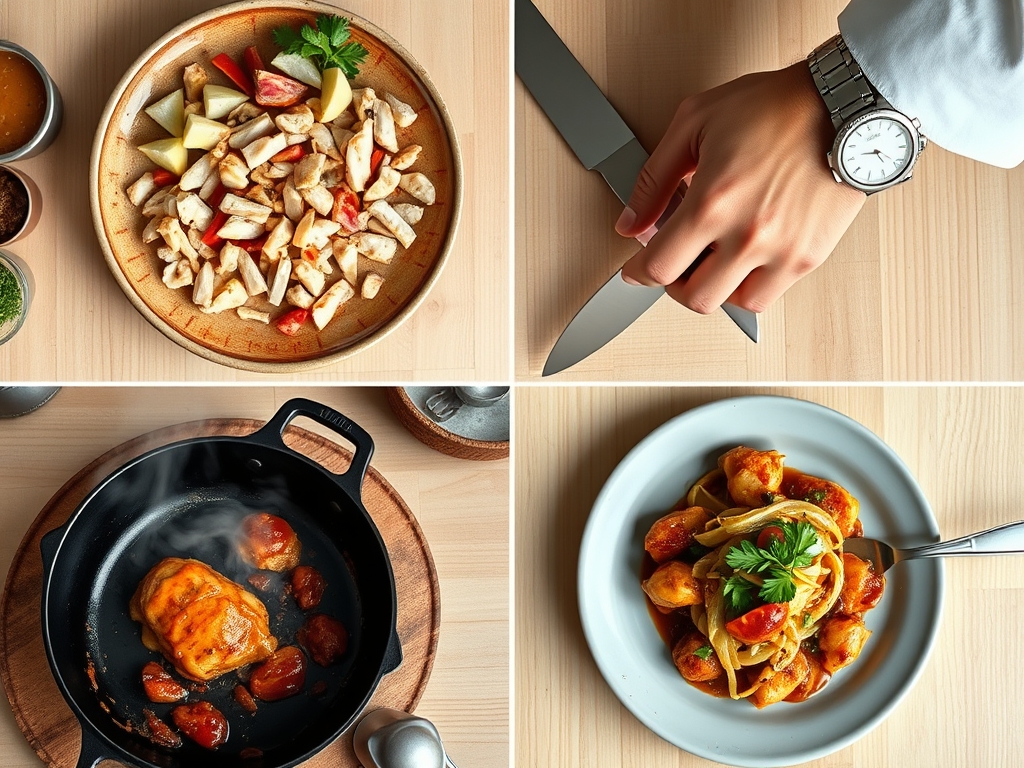
Efficiency in the kitchen is all about the "Chef's Flow." For these recipes, expect a total time of 30 to 40 minutes. The prep phase takes about 15 minutes. This involves slicing your chicken into even cutlets to ensure uniform thermal conductivity and finely mincing your aromatics to maximize surface area for flavor extraction.
The cooking phase is where the real action happens, typically lasting 20 minutes. You spend 8 minutes searing the protein to achieve the Maillard reaction and 12 minutes building the sauce. By the time your chicken finishes its carryover cooking on a resting board, your sauce will have reached the perfect "nappe" consistency, meaning it is thick enough to coat the back of a spoon. This synchronized timing ensures that every element of the dish reaches the plate at its peak temperature and texture.
The Masterclass (H2)
1. The Sear and the Fond
Place your chicken in a pre-heated heavy-bottomed skillet with high-smoke-point oil. Do not crowd the pan. You want a deep, mahogany crust. This crust is the result of the Maillard reaction, where amino acids and reducing sugars rearrange to create hundreds of flavor compounds. Once browned, remove the chicken. Notice the brown bits stuck to the pan? That is "fond," the concentrated essence of the meat.
Pro Tip: Avoid moving the chicken for at least three minutes. This allows the proteins to denature and release naturally from the pan. If you pull too early, you tear the fibers and lose the precious juices.
2. Sauté the Aromatics
Lower the heat slightly and add your shallots or garlic to the residual fat. You want to "sweat" them until they are translucent and fragrant. This process softens the cellular walls of the vegetables, allowing their internal sugars to caramelize gently without burning.
Pro Tip: Use a microplane for your garlic and ginger. This creates a fine paste that melts into the sauce, preventing any unappealing chunks of raw allium in your final bite.
3. Deglazing the Pan
Pour in your liquid of choice, such as wine or broth. Use a wooden spoon or a bench scraper to vigorously scrape up the fond. This is "deglazing." The liquid dissolves the caramelized proteins, incorporating them into the base of your sauce. This step is the bridge between the pan and the palate.
Pro Tip: Use a cold liquid to deglaze a hot pan. The thermal shock helps lift the fond more efficiently than warm liquid would.
4. The Reduction Phase
Turn the heat up to a simmer. You are looking to reduce the volume of the liquid by half. As the water evaporates, the flavors of the wine, herbs, and broth concentrate. This increases the viscosity of the sauce through a process of molecular densification.
Pro Tip: Watch the bubbles. As the sauce reduces, the bubbles will transition from small and frantic to large, slow, and "lazy." This is your visual cue that the sauce is thickening.
5. Emulsification and Finishing
Whisk in your cream or cold butter cubes one by one. This is the emulsification stage, where fat droplets are suspended in the water-based reduction. This creates a silky, luxurious texture that clings to the chicken perfectly.
Pro Tip: Always remove the pan from direct heat before adding butter. If the sauce is boiling, the emulsion will "break," and the fat will separate into an oily mess.
The Deep Dive (H2)
When we look at the macro nutrition of these chicken recipes in sauce, the profile is remarkably balanced. Chicken is a lean, high-quality protein source. By controlling the sauce components, you can tailor the dish to any lifestyle. For a Keto version, lean heavily into heavy cream and butter while skipping any flour-based thickeners. For a Vegan alternative, use seitan "chicken" and a base of cashew cream or silken tofu blended with nutritional yeast for that savory umami hit.
The Fix-It: Even pros hit a snag. If your sauce is too salty, do not add water; add a splash of cream or a squeeze of lemon to distract the taste buds. If the sauce is too thin, whisk in a "beurre manié" (equal parts flour and butter mashed together). If the sauce breaks and looks curdled, add a teaspoon of boiling water and whisk vigorously to re-bind the fats.
Meal Prep: To maintain "day-one" quality, store the sauce and chicken separately if possible. When reheating, do it gently on the stovetop over low heat. Add a tablespoon of broth to "loosen" the sauce, as the proteins and fats will have tightened up in the fridge. This prevents the chicken from becoming rubbery in the microwave.
The Wrap-Up (H2)
Mastering chicken recipes in sauce is like learning a secret language. Once you understand the mechanics of the sear, the deglaze, and the emulsion, the possibilities are infinite. You are no longer following a recipe; you are conducting a symphony of flavors. Whether you are cooking for a crowd or just treating yourself to a solo gourmet night, these techniques ensure a result that is consistently vibrant, professional, and deeply satisfying. Now, go forth and turn that skillet into a magic wand!
The Kitchen Table (H2)
How do I prevent my chicken from getting dry in the sauce?
Always use a digital thermometer to pull the chicken at 160 degrees Fahrenheit. The carryover heat will bring it to the safe 165 mark while it rests, ensuring the fibers remain juicy and tender within the warm sauce.
Can I make these sauces ahead of time?
Yes, you can prepare the sauce base up to two days in advance. Store it in an airtight container. When ready to serve, reheat it gently and whisk in fresh herbs or a pat of butter to brighten the flavors.
What is the best pan for making pan sauces?
A stainless steel or cast iron skillet is best. These materials promote the development of "fond," which is the flavorful brown bits essential for a deep sauce. Non-stick pans prevent fond from forming, resulting in a flatter flavor profile.
Why does my cream sauce always curdle?
Curdling usually happens due to high heat or high acidity. To prevent this, use full-fat cream, lower the heat before adding the dairy, and stir constantly to ensure a smooth, stable emulsion that stays creamy and integrated.