
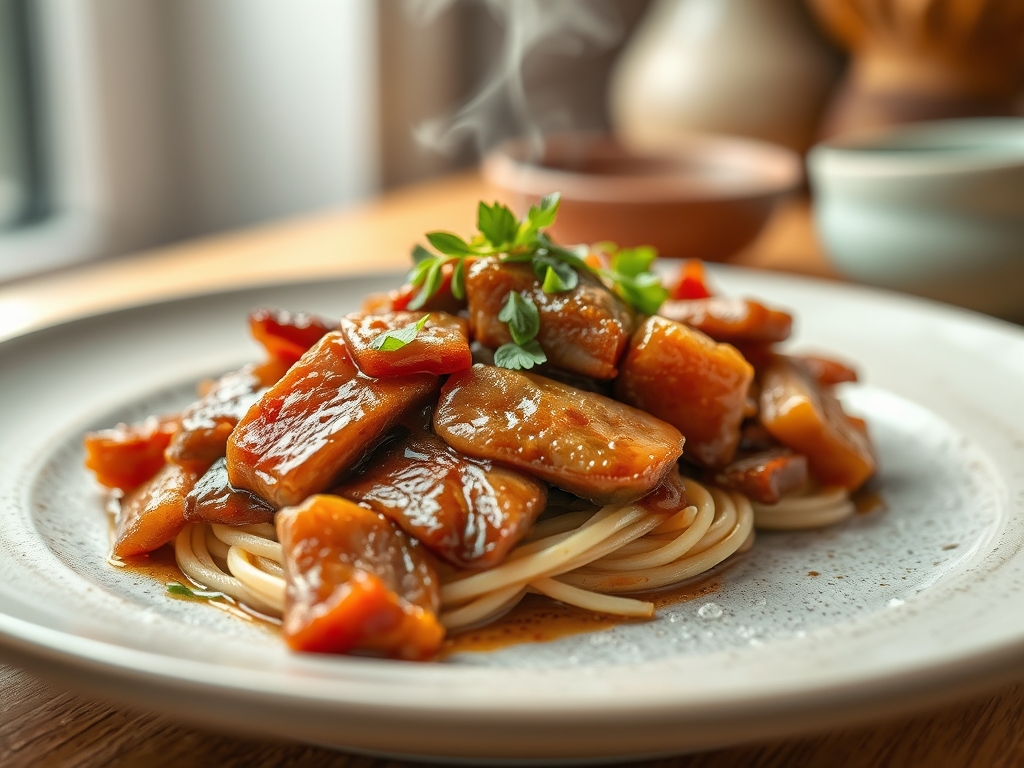
The scent of bubbling soy sauce hitting a hot pan is the universal siren song of the kitchen. It is that specific, piquant aroma that triggers an immediate Pavlovian response. When you are hunting for the ultimate ginger beef recipes, you are not just looking for dinner; you are looking for that perfect, sticky equilibrium between sharp heat and deep umami. We have all been there, staring at a plate of soggy, grey meat and wondering where the magic went. The secret is not just in the bottle of sauce. It is in the chemistry of the sear and the precise timing of the aromatics. Today, we are stripping back the mystery and rebuilding this classic dish with professional technique. We will transform humble flank steak into a masterpiece of texture and flavor that rivals any high-end bistro. Grab your favorite heavy bottomed skillet and clear the counter. We are about to turn your kitchen into the best aromatic steakhouse in town through the power of science and a little bit of culinary wit.
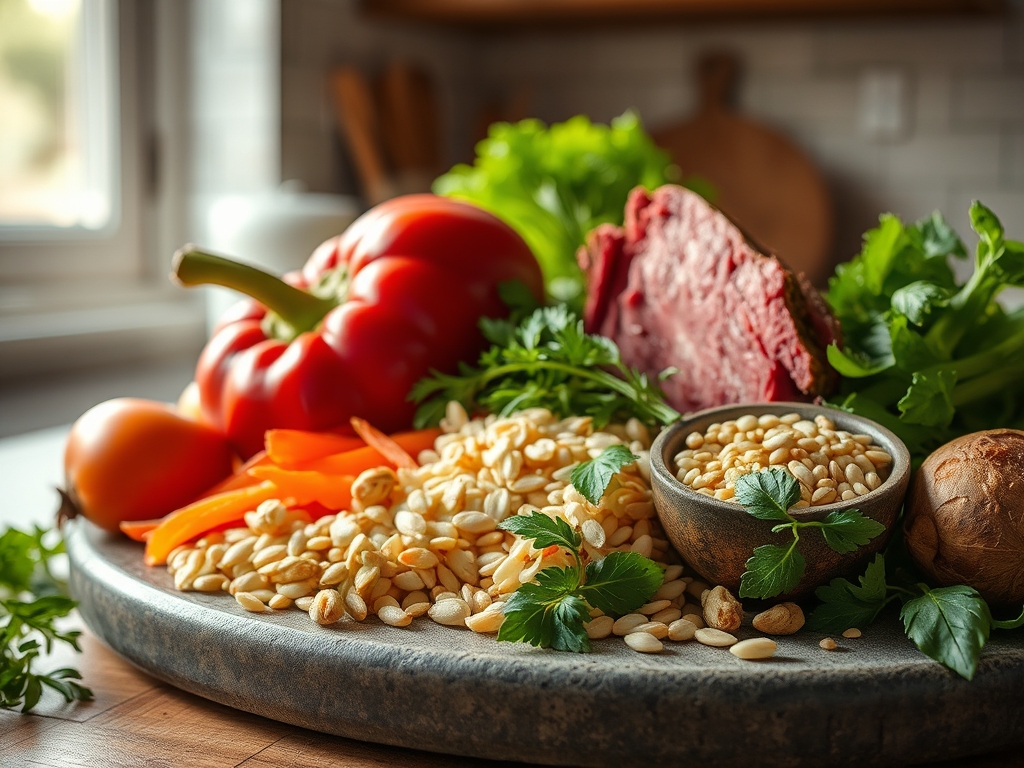
The Gathers:
To execute a world class version of ginger beef recipes, your mise en place must be flawless. We start with the protein. You want a cut with long muscle fibers like flank or skirt steak. These cuts provide the ideal surface area for the sauce to cling to once sliced against the grain. You will need a digital scale to ensure your ratios are exact. For the aromatics, gather fresh ginger root that feels heavy for its size and garlic cloves that are firm to the touch.
The sauce requires a high quality dark soy sauce for color and a light soy sauce for salinity. You will also need toasted sesame oil, Chinese black vinegar for its fermented depth, and brown sugar to facilitate the Maillard reaction. For the crunch, cornstarch is non-negotiable. It creates a porous exterior that absorbs the glaze without becoming mushy.
Smart Substitutions:
If you are out of Chinese black vinegar, a mix of balsamic and red wine vinegar works in a pinch. For those avoiding refined sugar, honey or maple syrup provides a similar viscous quality, though they will burn at a lower temperature. If you cannot find flank steak, top sirloin is a sturdy alternative that maintains its structural integrity under high heat. Always use a microplane for your ginger; it breaks down the fibrous cell walls to release the essential oils more effectively than dicing.
The Clock:
Mastering the "Chef's Flow" is about managing heat and moisture.
- Prep Time: 20 minutes. This includes slicing the beef, grating the aromatics, and whisking the slurry.
- Marination: 15 to 30 minutes. Do not exceed this, or the salt will begin to cure the meat, changing the texture from tender to rubbery.
- Cook Time: 10 minutes. The actual time spent over the flame is remarkably short.
The flow is simple: prepare all cold elements first, then the sauce, and finally the high heat execution. Once the pan is hot, you cannot stop to chop a clove of garlic. Everything must be ready to hit the steel in a rapid fire sequence.
The Masterclass:
1. The Precision Slice
Freeze your beef for 20 minutes before cutting. This firms up the lipids and muscle fibers, allowing you to achieve paper thin slices with a sharp chef knife. Always cut against the grain to shorten the protein strands, ensuring every bite is tender rather than chewy.
Pro Tip: This technique increases the surface area to volume ratio. This allows for faster heat transfer and more sites for the sauce to bind through capillary action.
2. The Starch Coating
Toss your sliced beef in a bowl with cornstarch, salt, and white pepper. Use your hands to ensure every millimeter is coated. Shake off the excess using a fine mesh strainer.
Pro Tip: Cornstarch acts as a moisture barrier. When it hits the oil, it undergoes gelatinization, creating a crisp shell that protects the internal juices from evaporating.
3. The High Heat Sear
Heat your heavy bottomed skillet until the oil reaches its smoke point. Add the beef in a single layer. Do not crowd the pan; work in batches if necessary. Use tongs to flip each piece once a deep mahogany crust forms.
Pro Tip: Crowding the pan drops the temperature, causing the meat to steam in its own juices. Maintaining high heat ensures enzymatic browning, which creates hundreds of new flavor compounds.
4. The Aromatic Infusion
Remove the beef and wipe the pan. Add a splash of fresh oil and toss in your grated ginger and garlic. Sauté for only 30 seconds until the air smells piquant and bright.
Pro Tip: Ginger contains gingerol, which transforms into zingerone when heated. This chemical shift reduces the sharp bite and brings out a warm, spicy sweetness.
5. The Sauce Deglaze
Pour your premixed sauce into the hot pan with the aromatics. Use a wooden spoon to scrape up any browned bits (the fond) stuck to the bottom.
Pro Tip: This process is called deglazing. The liquid dissolves the caramelized proteins from the beef sear, integrating that deep savory flavor directly into your glaze.
6. The Final Emulsification
Once the sauce is bubbling and slightly reduced, toss the beef back into the skillet. Stir rapidly to coat. The cornstarch from the beef will naturally thicken the sauce into a glossy, viscous coating.
Pro Tip: This is a form of mechanical emulsification. The agitation combines the fats from the oil with the water based sauce, resulting in a smooth, professional finish.
The Deep Dive:
Macro Nutrition
A standard serving of this ginger beef provides approximately 350 calories. It is high in protein (around 28g) and contains healthy fats if you use an oil with a high smoke point like avocado oil. The ginger provides anti-inflammatory benefits, while the garlic offers a boost to the immune system.
Dietary Swaps
- Vegan: Replace the beef with pressed extra firm tofu or seitan strips. Dust them in cornstarch just like the steak for that signature crunch.
- Keto: Swap the cornstarch for arrowroot powder or xanthan gum (use sparingly). Replace the sugar with a monk fruit sweetener.
- Gluten-Free: Use tamari or coconut aminos instead of traditional soy sauce.
The Fix-It
- The beef is tough: You likely cut with the grain or overcooked it. Fix it by simmering the beef in the sauce for an extra two minutes to break down the collagen, though you will lose the crunch.
- The sauce is too salty: Add a splash of water and a squeeze of lime juice. The acidity and dilution will balance the sodium.
- The coating is soggy: The oil wasn't hot enough. Next time, wait for the oil to shimmer and wisps of smoke to appear before adding the protein.
Meal Prep & Reheating
To maintain "day one" quality, store the beef and sauce separately if possible. If already mixed, reheat in a dry skillet over medium heat rather than the microwave. The direct heat of the pan helps re-crisp the starch coating, whereas the microwave will turn the beef into a rubbery mess.
The Wrap-Up:
You are now armed with the molecular secrets to the best ginger beef recipes in your neighborhood. Remember, great cooking is 10 percent recipe and 90 percent temperature control. By respecting the Maillard reaction and mastering the art of the cornstarch sear, you have elevated a simple stir fry into a gourmet experience. Don't be afraid to get that pan screaming hot and trust your nose. The kitchen is your laboratory; go make something delicious.
The Kitchen Table:
Why is my ginger beef not crispy?
The most common culprit is a cold pan. If the oil temperature drops, the starch absorbs oil instead of crisping. Ensure your beef is dry before coating and fry in small batches to maintain high heat.
Can I use ground ginger instead of fresh?
While possible, it is not recommended. Fresh ginger provides a piquant, citrusy bite and essential oils that dried powder lacks. If you must use powder, use only a teaspoon and add it to the liquid sauce.
What is the best oil for ginger beef recipes?
Use an oil with a high smoke point like peanut, canola, or avocado oil. Avoid extra virgin olive oil or butter, as they will burn and become bitter at the temperatures required for a proper sear.
How do I slice beef thinly without a meat slicer?
Place your steak in the freezer for about 20 to 30 minutes until it is firm but not solid. Use a very sharp chef knife to shave off thin ribbons against the grain for maximum tenderness.