

Picture the sound of a heavy-rimmed baking sheet sliding into a furnace of dry heat. Within minutes, the kitchen fills with the scent of caramelized sugars and sea salt. When you are hunting for the ultimate salmon recipes roasted vegetables are your best friends because they transform a simple Tuesday into a high-end bistro experience. This is not just dinner; it is a masterclass in timing and texture.
The secret to a perfect tray lies in the interplay between the fatty acids of the fish and the fibrous cell walls of the produce. We are aiming for a specific chemical transformation. We want the salmon to reach that buttery, translucent flake while the vegetables undergo the Maillard reaction. This chemical dance creates a complex flavor profile that raw or steamed ingredients simply cannot touch. By the time the timer dings, you have a symphony of textures ranging from the snap of charred asparagus to the silkiness of a perfectly rendered fillet.
Whether you are a seasoned home cook or a novice looking to impress, mastering the sheet pan method is a culinary superpower. It reduces clean up to a single surface while maximizing the flavor extraction of every ingredient. Let us dive into the mise-en-place and get your workstation ready for some serious kitchen alchemy.
The Gathers:
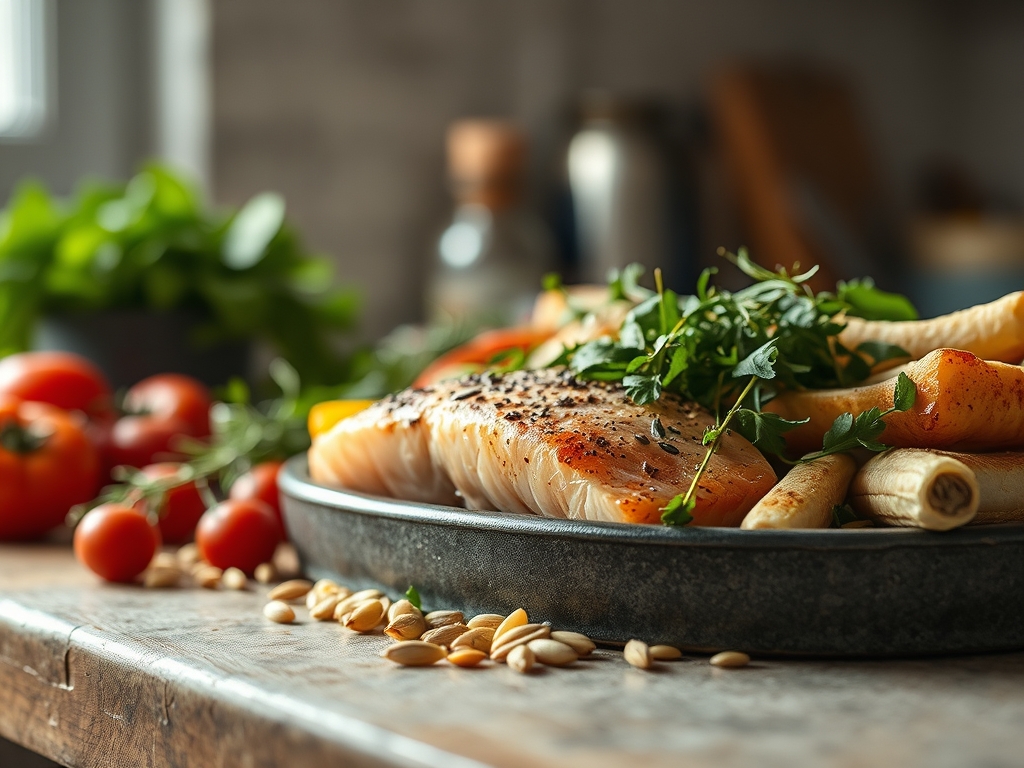
To execute these salmon recipes roasted vegetables require a specific set of high-quality components. Start with four six-ounce center-cut salmon fillets. Look for vibrant color and firm flesh; this indicates high protein integrity. For the vegetable component, we are using a mix of cruciferous florets like broccoli and snappy stalks like asparagus. You will also need a high-smoke-point oil, such as avocado oil, to ensure the fats do not oxidize at high temperatures.
Your pantry staples should include flaky sea salt, freshly cracked peppercorns, and a piquant acid like lemon juice or rice vinegar to brighten the finish. Use a microplane to zest your citrus; this tool captures the aromatic oils in the flavedo without hitting the bitter white pith. If you want to elevate the profile, include aromatics like smashed garlic cloves or sprigs of woody rosemary.
Smart Substitutions:
If salmon is unavailable, steelhead trout offers a similar lipid profile and cook time. For those avoiding nightshades, swap bell peppers for sliced fennel bulbs. Fennel caramelizes beautifully, adding a subtle anise note that complements the fish. If you prefer a starchy element, baby potatoes work well, but they require a "head start" in the oven due to their dense cellular structure.
The Clock
Efficiency in the kitchen is all about the "Chef's Flow." Total active prep time is approximately 15 minutes, with a cook time of 12 to 18 minutes depending on the thickness of your protein.
- Prep Phase (0 to 15 mins): Chop vegetables into uniform sizes to ensure even heat distribution. Pat the salmon dry with a paper towel to remove surface moisture.
- Roasting Phase (15 to 30 mins): The tray enters the heat. This is when the thermal conductivity of the metal pan begins to sear the bottom of the ingredients.
- Resting Phase (30 to 35 mins): Crucial for moisture retention. This allows the internal temperature to stabilize via carryover cooking.
The Masterclass
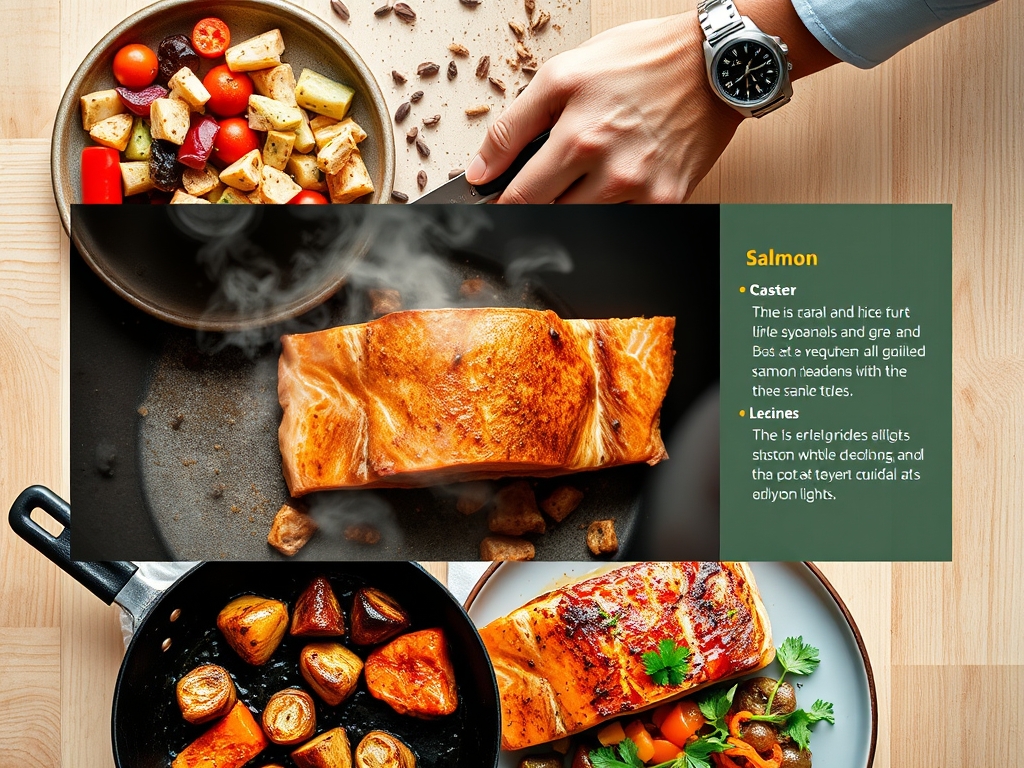
1. Prep the Canvas
Preheat your oven to 425 degrees Fahrenheit. Line a heavy-duty sheet pan with parchment paper or a silicone mat. Arrange your vegetables in a single layer, ensuring they are not overcrowded. Overcrowding leads to steaming rather than roasting because moisture cannot escape.
Pro Tip: This prevents evaporative cooling. If the vegetables are too close, the steam trapped between them keeps the temperature low, preventing the Maillard reaction and leaving you with soggy greens.
2. Season and Emulsify
Drizzle your oil over the vegetables and toss them using a bench scraper or your hands to ensure every surface is coated. Sprinkle generously with salt and pepper. Move the vegetables to the perimeter of the pan, leaving a dedicated space in the center for your salmon.
Pro Tip: Salt acts as a denaturant. It begins to break down the surface proteins of the vegetables, allowing the oil to penetrate deeper and creating a more even char during the roasting process.
3. Position the Protein
Place the salmon fillets in the center of the pan, skin-side down. Use a digital scale if you are portion-controlling for meal prep. Brush the tops of the fillets with a light glaze or simply season with salt and zest.
Pro Tip: Skin-side down acts as a thermal buffer. The skin protects the delicate flesh from the direct heat of the pan, allowing the fat to render slowly and keep the meat succulent.
4. The High-Heat Roast
Slide the pan into the middle rack. Roast for 12 to 15 minutes. At the 10-minute mark, use tongs to toss the vegetables gently, ensuring they brown on all sides.
Pro Tip: Watch for albumin extrusion. If you see white bubbles appearing on the salmon, it is a sign the muscle fibers are contracting too tightly and pushing out protein. This usually means the fish is nearly done or slightly overcooked.
5. The Finishing Acid
Once the salmon reaches an internal temperature of 135 degrees Fahrenheit, remove the pan. Immediately squeeze fresh lemon juice over the entire tray. The acid will deglaze the caramelized bits on the pan and brighten the heavy fats of the fish.
Pro Tip: This utilizes flavor balancing. The citric acid cuts through the viscous fats of the salmon, stimulating the salivary glands and making the overall dish feel lighter and more vibrant.
The Deep Dive
Macro Nutrition:
This meal is a powerhouse of Omega-3 fatty acids, which are essential for brain health. A standard serving provides roughly 35g of protein, 18g of healthy fats, and 8g of fiber. It is naturally low in carbohydrates, making it a staple for metabolic health.
Dietary Swaps:
- Vegan: Replace salmon with thick slabs of cauliflower "steak" or firm tofu.
- Keto: Keep as is, but add a dollop of grass-fed butter or an avocado oil mayo drizzle.
- GF: This recipe is naturally gluten-free; just ensure your spices are certified.
The Fix-It:
- Rubbery Salmon: You likely overcooked it. Use a digital thermometer next time and pull the fish at 130 degrees for a medium finish.
- Soggy Veggies: The oven temp was too low or the pan was too full. Ensure the oven is fully preheated before the tray goes in.
- Burnt Garlic: Add delicate aromatics like minced garlic during the last 5 minutes of roasting to prevent bitter carbonization.
Meal Prep:
To reheat without losing quality, avoid the microwave. Use a saucier or small pan on the stovetop over low heat with a teaspoon of water and a lid. This creates a gentle steam environment that rehydrates the fish without toughening the proteins.
The Wrap-Up
Mastering salmon recipes roasted vegetables is about more than just a quick dinner; it is about understanding how heat transforms raw ingredients into a cohesive, nutritious meal. By focusing on surface moisture, pan spacing, and internal temperatures, you elevate a simple sheet pan into a gourmet experience. Now, grab your tongs and get roasting!
The Kitchen Table
How do I tell if salmon is done without a thermometer?
Gently press the top of the fillet with a fork. If the meat flakes easily along the natural white lines (the fat layers) and the center is slightly translucent, it is perfectly cooked.
Can I use frozen vegetables for this recipe?
Yes, but roast them alone for 10 minutes first. Frozen vegetables contain more moisture, which needs to evaporate before you add the salmon to prevent the entire tray from becoming watery.
What is the best oil for roasting at high heat?
Avocado oil or refined olive oil are best. They have high smoke points, meaning they won't break down or release bitter compounds and free radicals when exposed to 425 degree temperatures.
How do I get crispy salmon skin on a sheet pan?
Pat the skin extremely dry with paper towels. Place the pan in the oven while it preheats so the metal is scorching hot, then lay the salmon down to immediately begin rendering the fat.