
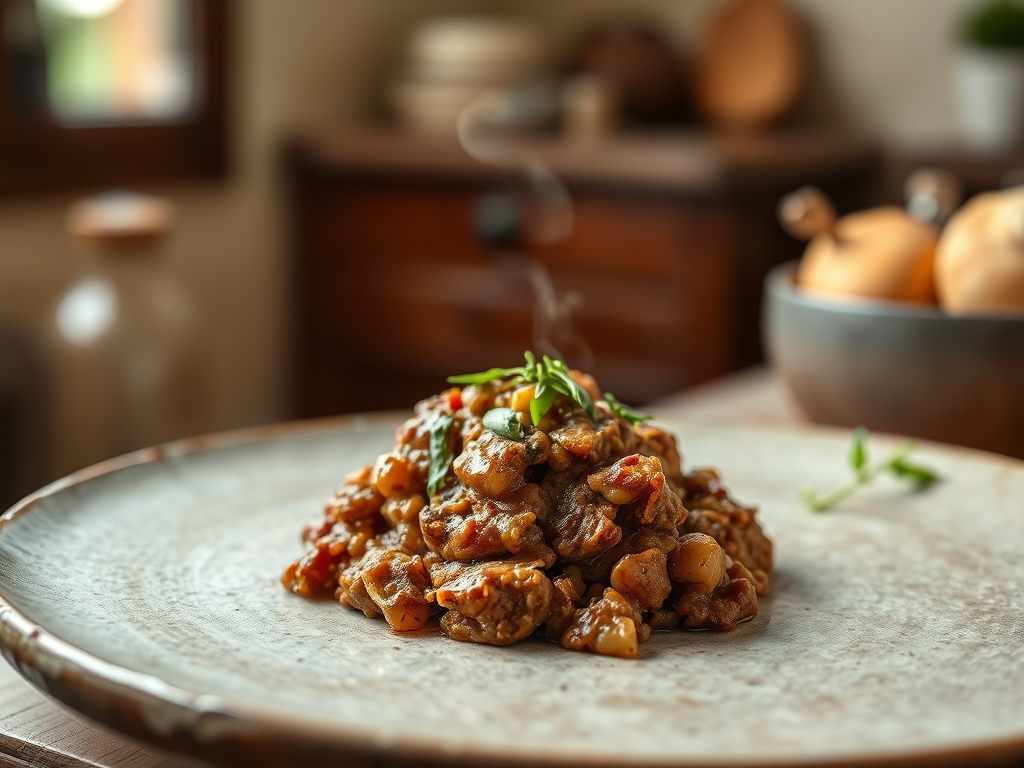
Picture the kitchen at sunset; the air is heavy with the scent of toasted garlic and the metallic, savory hum of searing protein. We are not just making dinner; we are engineering a legacy of comfort through these ten iconic italian ground beef recipes. Whether it is the velvet texture of a slow-simmered ragu or the structural integrity of a perfect meatball, the secret lies in the chemistry of the sear. When you drop that beef into a scorching heavy-bottomed skillet, you are triggering the Maillard reaction. This is not just browning; it is a complex chemical dance where amino acids and reducing sugars rearrange to create hundreds of flavor compounds. We are talking about deep, nutty, and complex notes that define the very essence of Italian soul food. From the rustic hills of Tuscany to the bustling trattorias of Rome, ground beef is the versatile protagonist that carries the weight of aromatic herbs and piquant tomatoes. Grab your apron and your favorite wooden spoon; we are about to transform humble ingredients into a culinary masterpiece that would make a nonna weep with pride.
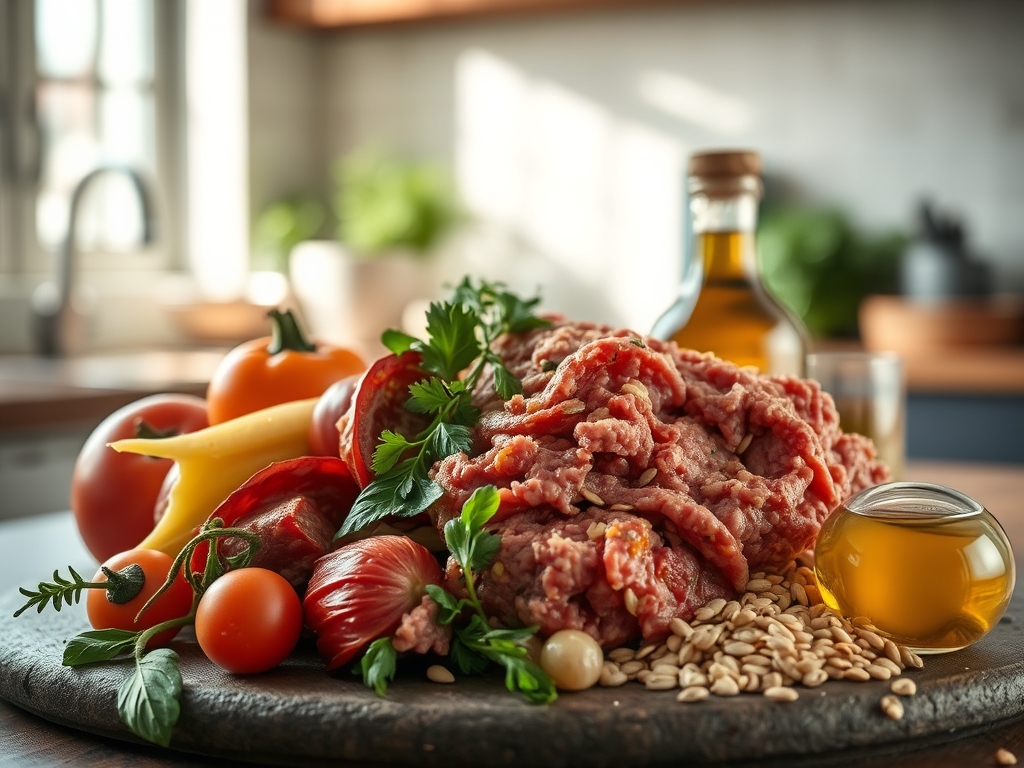
The Gathers:
Creating world-class italian ground beef recipes requires a meticulous mise-en-place. Start with your protein; look for an 80/20 blend. This ratio is vital because the 20 percent fat content provides the lipids necessary to emulsify into your sauce, creating a viscous, mouth-coating texture. You will need high-quality San Marzano tomatoes, which possess a unique balance of sweetness and acidity due to the volcanic soil in which they grow. Fresh aromatics are non-negotiable. Use a microplane to zest your garlic into a paste; this breaks down the cell walls to release allicin more effectively than a rough chop. Your herb palette should include fresh basil, oregano, and rosemary. For the "Smart Substitutions," if you find yourself without traditional breadcrumbs, use crushed pork rinds for a keto-friendly binder or a panade of milk-soaked gluten-free bread to maintain moisture. If you lack dry white wine for deglazing, a splash of verjus or a diluted apple cider vinegar will provide the necessary bright acidity to cut through the rich rendered fats.
The Clock:
The "Chef's Flow" is all about overlapping tasks to maximize efficiency. Total active preparation for these classics usually spans 20 to 30 minutes, while the "low and slow" simmering phase can last anywhere from 45 minutes to four hours. The goal is to reach the gelatinization point of the connective tissues if you are using tougher grinds. While your aromatics sweat in the saucier, use that time to grate your Parmigiano-Reggiano and prep your garnish. By the time your beef has fully rendered its fat and developed a crust, your liquid components should be ready to hit the pan. This synchronized movement ensures that no ingredient sits idle, preventing the loss of volatile aromatic compounds that occur when fresh herbs are exposed to air for too long.
The Masterclass:
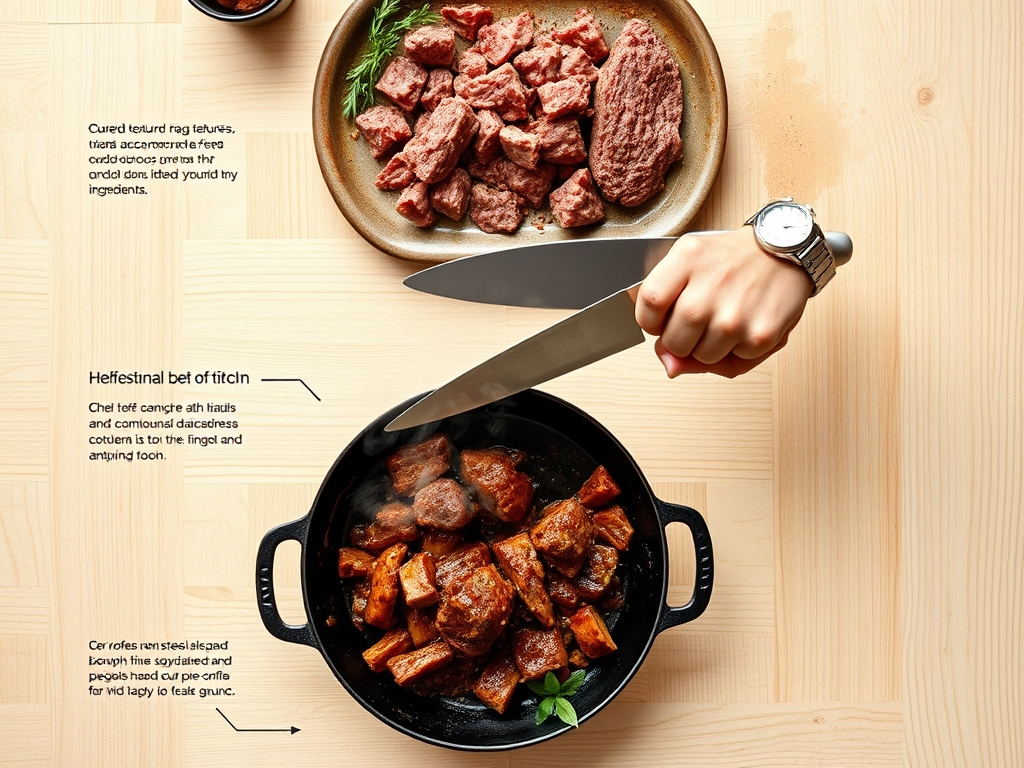
1. The High-Heat Sear
Place your ground beef in a preheated cast iron skillet. Do not crowd the pan; if you add too much meat at once, the temperature drops and the meat steams in its own juices rather than searing.
Pro Tip: This prevents "gray meat" syndrome. By maintaining high heat, you achieve enzymatic browning, creating a crust that locks in moisture and adds a structural "crunch" to the final dish.
2. Deglazing the Fond
Once the meat is browned and removed, you will see brown bits stuck to the bottom. This is "fond," concentrated flavor gold. Pour in a splash of wine or stock and use a bench scraper or wooden spoon to lift these bits.
Pro Tip: Deglazing is a chemical extraction process. The liquid acts as a solvent, dissolving the caramelized proteins and incorporating them back into the sauce for an umami-rich profile.
3. Sweating the Aromatics
Add your onions, carrots, and celery (the holy trinity known as mirepoix or soffritto) to the rendered fat. Cook until translucent but not browned.
Pro Tip: Sweating breaks down the cellulose in vegetables at a lower temperature. This allows the natural sugars to release slowly, providing a foundational sweetness that balances the piquant tomatoes.
4. The Emulsification Phase
Slowly introduce your tomato base and return the beef to the pan. Use a whisk or a heavy spoon to stir vigorously as the sauce thickens.
Pro Tip: As the fats from the beef mix with the water-based tomato juice, you are creating a temporary emulsion. This results in a silky, cohesive sauce rather than a broken, oily mess.
5. The Resting Period
Once the cooking is complete, remove the pan from the heat and let it sit for five to ten minutes before serving.
Pro Tip: This allows for thermal carryover, where the internal temperature continues to rise slightly, and the muscle fibers relax, reabsorbing the flavorful juices.
The Deep Dive:
When analyzing the macro nutrition of these italian ground beef recipes, a standard serving provides approximately 25 to 30 grams of protein and 15 grams of fat. To make these dishes keto-friendly, swap traditional pasta for zoodles or spaghetti squash. For a vegan twist, lentils or finely chopped walnuts can mimic the texture of ground beef while providing a high fiber count.
The Fix-It:
- Too Salty: Do not add water; add a peeled, halved potato. The starch acts as a sponge for excess sodium.
- Too Acidic: If the tomatoes are too sharp, add a pinch of baking soda. This alkaline addition neutralizes the acid instantly.
- Greasy Sauce: Use a chilled spoon to skim the surface; the cold metal causes the lipids to solidify and stick to the spoon.
Meal Prep Science: When reheating, add a tablespoon of water or broth. This creates steam that re-hydrates the proteins, preventing the "rubbery" texture often associated with microwaved leftovers.
The Wrap-Up:
Mastering these italian ground beef recipes is like learning a new language where the vocabulary is flavor and the grammar is technique. You have the tools, the science, and the passion to turn a simple pound of beef into a culinary event. Remember that cooking is an experiment where you are the lead scientist. Don't be afraid to adjust the heat, play with the herbs, and trust your senses. Now, go forth and turn your kitchen into the best trattoria in town!
The Kitchen Table:
How do I prevent my meatballs from being tough?
Avoid overworking the meat. Over-mixing develops too much myosin, a protein that creates a rubbery texture. Use a gentle folding motion and a milk-soaked panade to keep the structure light and airy.
Can I use lean ground beef for Italian sauces?
You can, but you lose flavor and moisture. If using 90/10 lean beef, add a tablespoon of high-quality extra virgin olive oil to the sauce to compensate for the missing lipids and ensure a silky mouthfeel.
What is the best way to store leftover meat sauce?
Store in an airtight glass container for up to four days. Glass is non-reactive and won't absorb the acidity or pigments of the tomato sauce, ensuring your leftovers taste as fresh as day one.
Why does my sauce taste better the next day?
Aromatics like garlic and onion continue to release sulfur compounds, while the proteins and acids undergo a slow "marriage" of flavors. This cold-infusion process rounds out the sharp edges for a more harmonious taste.