
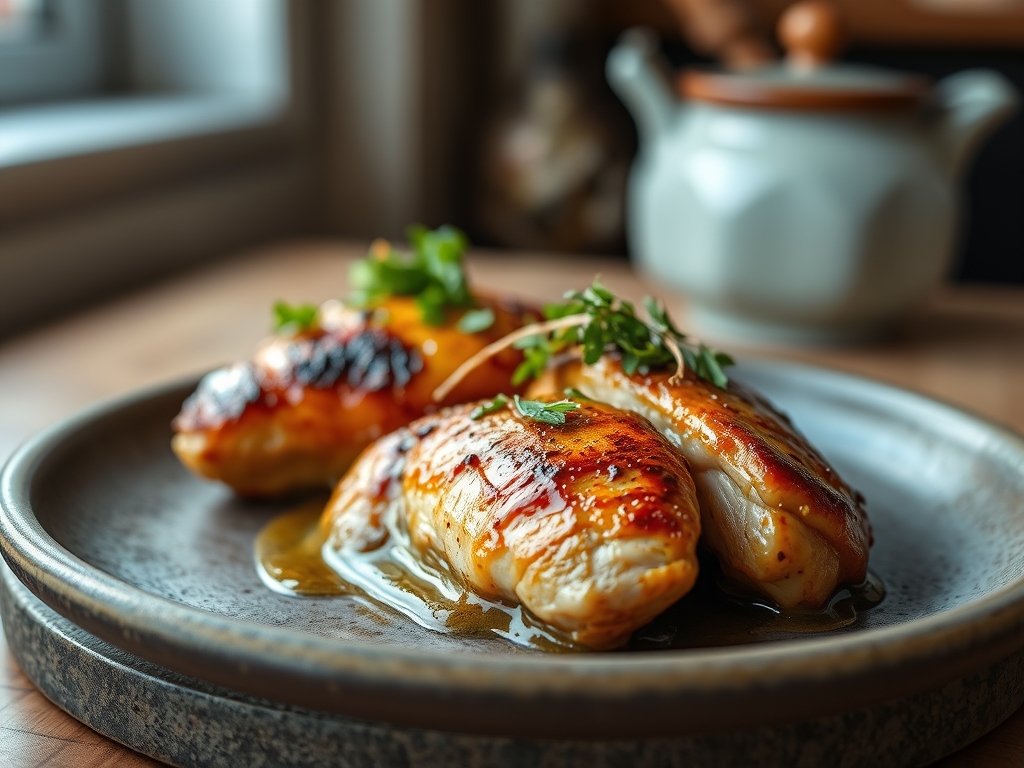
Picture the sound of a heavy-bottomed stainless steel skillet meeting a high-flame burner. There is a specific, rhythmic sizzle that happens when cold protein hits shimmering oil; it is the sound of dinner finally going right. Finding chicken recipes for dinner quick and easy is not just about speed; it is about reclaiming your evening without sacrificing the complex, piquant flavors of a five-star bistro.
We have all been there. You are staring into the refrigerator at 6:00 PM, exhausted, holding a package of poultry like it is a puzzle you cannot solve. But here is the secret: chicken is a blank canvas for molecular magic. Whether we are talking about the way honey emulsifies into a viscous glaze or how high heat triggers the Maillard reaction for that perfect golden crust, great cooking is just delicious chemistry. Today, we are mastering six variations that range from a zesty lemon-caper piccata to a smoky chipotle-lime sear. These are not just meals; they are your new weeknight superpowers. Get your tongs ready, because we are about to turn "what is for dinner" into the best part of your day.
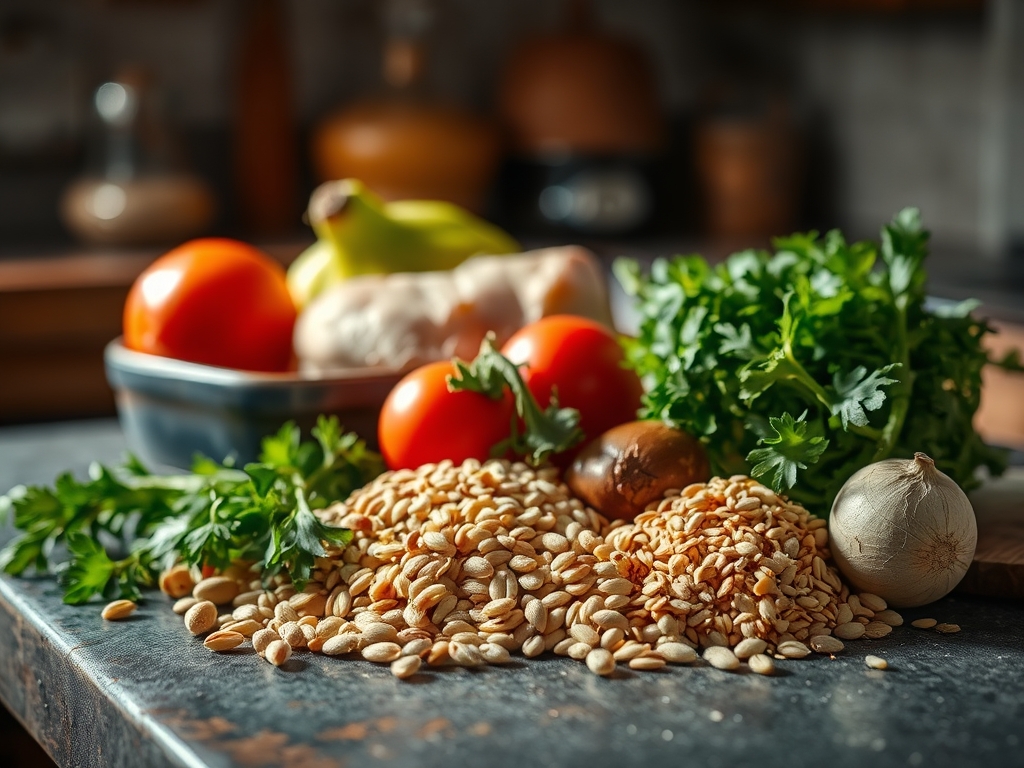
The Gathers:
To execute these chicken recipes for dinner quick and easy, your mise-en-place must be precise. We are looking for high-quality proteins; specifically, air-dried chicken breasts or thighs. Air-dried poultry has less water retention, which prevents the dreaded "steaming" effect in the pan and ensures a crispier sear. You will also need aromatic foundations: fresh garlic cloves (not the pre-minced jarred variety, which lacks the essential sulfurous compounds for flavor), shallots for a delicate sweetness, and high-smoke-point oils like avocado or grapeseed.
Smart Substitutions are your best friend when the pantry looks bare. If you lack fresh lemons to deglaze your pan, a splash of dry white wine or even a high-quality white wine vinegar provides the necessary acidity to cut through the richness of the fats. No shallots? Use the white parts of green onions for a similar mild pungency. If you are watching your sodium, swap traditional soy sauce for liquid aminos or coconut aminos; they offer that same deep umami profile with a fraction of the salt. Always keep a block of Parmigiano-Reggiano and a microplane nearby; a fine dusting of aged cheese adds a salt-fat-acid balance that elevates a simple sear into a gourmet experience.
The Clock:
Efficiency in the kitchen is all about the "Chef's Flow." For these six recipes, the active prep time is a tight 10 to 15 minutes, with cook times ranging from 8 to 12 minutes. The secret to this speed is "thin-profiling." By butterflying your chicken breasts or using a meat mallet to pound them to a uniform half-inch thickness, you increase the surface area while decreasing the density. This ensures the center reaches the safe internal temperature of 165 degrees Fahrenheit at the exact moment the exterior achieves a deep, mahogany crust.
The Chef's Flow dictates that you prep your aromatics while the skillet preheats. Never put meat into a cold pan. You want to hear that immediate sear, which signals that the heat is high enough to vaporize surface moisture instantly. While the chicken rests (a non-negotiable step for juice retention), you use those final three minutes to whisk together a pan sauce, utilizing the fond (the brown bits stuck to the bottom) to create a luxurious, emulsified finish.
The Masterclass:
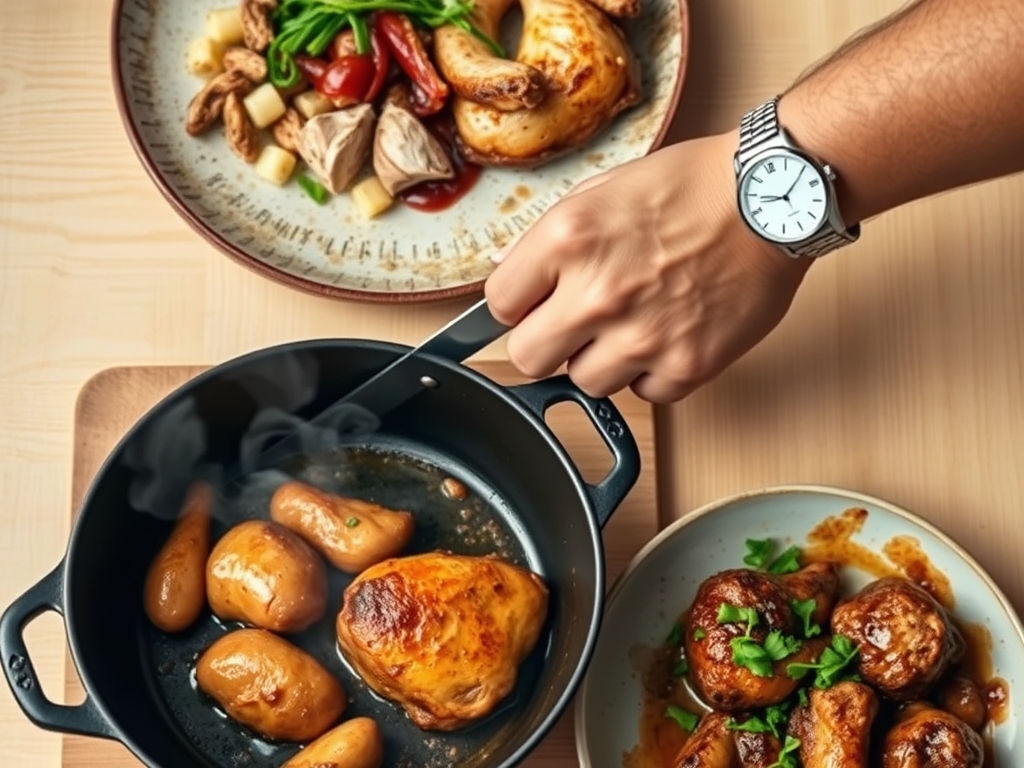
1. The Perfect Sear and Deglaze
Start by patting your chicken bone-dry with paper towels. Season aggressively with kosher salt from a height to ensure even distribution. Heat your heavy-bottomed skillet until the oil shimmering. Lay the chicken away from you to avoid oil splatter.
Pro Tip: This relies on the Maillard Reaction, a chemical reaction between amino acids and reducing sugars. If the meat is wet, the energy goes into evaporating water (steaming) rather than browning. Dry meat equals better flavor.
2. Building the Fond
Once the chicken is golden, flip it once. Avoid overcrowding the pan, which drops the temperature and causes the meat to release juices prematurely. Remove the chicken when it hits 160 degrees Fahrenheit.
Pro Tip: Utilize Thermal Carryover. The internal temperature will rise about 5 degrees while resting. Pulling it early prevents the protein fibers from tightening and becoming "rubbery" or dry.
3. Creating the Emulsion
Lower the heat and add your aromatics (garlic, shallots). Once fragrant, pour in your liquid (broth, wine, or citrus). Use a wooden spoon or a bench scraper to scrape up the brown bits.
Pro Tip: This is Deglazing. Those brown bits (fond) are concentrated pockets of umami. Adding a cold pat of butter at the end and whisking vigorously creates a stable emulsion, giving your sauce a professional, viscous sheen.
4. Aerating the Aromatics
For recipes involving herbs like rosemary or thyme, add them during the final basting stage. Use a large spoon to pour the flavored fat over the chicken repeatedly.
Pro Tip: This is Infusion. Many flavor compounds in herbs are fat-soluble, not water-soluble. Basting in hot fat extracts these essential oils and coats the protein more effectively than simply simmering in water.
5. The Acid Balance
Just before serving, add a "bright" element. This could be a squeeze of fresh lime, a teaspoon of capers, or a dash of zest using your microplane.
Pro Tip: Acid acts as a Flavor Enhancer. It doesn't just add sourness; it physically interacts with your taste buds to make other flavors, like salt and fat, taste more intense and "clean."
6. The Rest and Slice
Place the chicken on a warm cutting board for at least five minutes before slicing against the grain.
Pro Tip: This allows for Reabsorption. During cooking, muscle fibers contract and push moisture toward the center. Resting allows those fibers to relax and pull the juices back into the edges for a succulent bite.
The Deep Dive:
From a macro perspective, these chicken recipes for dinner quick and easy are nutritional powerhouses. A standard 6-ounce chicken breast provides roughly 50 grams of lean protein with minimal saturated fat. To keep things Keto-friendly, stick to butter and olive oil bases. For a Vegan twist, the same "sear and deglaze" techniques work beautifully with thick slabs of cauliflower or extra-firm tofu (just ensure the tofu is pressed dry). If you are Gluten-Free, ensure your thickeners are arrowroot powder or cornstarch rather than flour when mounting your pan sauce.
"The Fix-It" guide for common pitfalls:
- The Chicken is Tough: You likely skipped the "thin-profiling" or overcooked it. Use a digital thermometer; 165 degrees is the goal.
- The Sauce is Broken: If your sauce looks oily and separated, it got too hot. Add a teaspoon of water and whisk vigorously off the heat to re-emulsify.
- No Crust: Your pan wasn't hot enough, or you moved the meat too soon. Let it sit undisturbed until it "releases" naturally from the pan.
For meal prep, reheating science is key. To maintain "day-one" quality, avoid the microwave. Reheat chicken in a covered skillet with a tablespoon of water or broth over medium-low heat. This creates a steam-oven effect that rehydrates the protein without toughening the fibers.
The Wrap-Up:
Mastering chicken recipes for dinner quick and easy is about more than just a meal; it is about understanding the physics of your kitchen. By focusing on temperature control, moisture management, and the power of a good deglaze, you turn basic ingredients into culinary art. You have the tools, you have the science, and most importantly, you have the flavor. Now, go turn that stove on and make something incredible!
The Kitchen Table:
How do I keep chicken breast from drying out?
Use a digital scale to ensure even thickness and a meat thermometer to pull the chicken at 160 degrees Fahrenheit. Allow it to rest for five minutes; thermal carryover will finish the cooking while the juices redistribute through the fibers.
Can I use frozen chicken for quick recipes?
For the best results, thaw chicken overnight in the refrigerator. If you must cook from frozen, use an air fryer or pressure cooker. Skillet-searing frozen chicken results in a rubbery texture and uneven cooking due to surface moisture.
What is the best pan for searing chicken?
A heavy-bottomed stainless steel or cast-iron skillet is ideal. These materials retain heat efficiently, ensuring the pan temperature doesn't drop when the meat is added, which is crucial for achieving a deep, flavorful Maillard crust.
How do I get a thick sauce without flour?
Use the "reduction" method by simmering your deglazing liquid until the volume halves. Finish by whisking in a cold pat of butter (monter au beurre) or a dollop of heavy cream to create a thick, glossy, and gluten-free emulsion.