
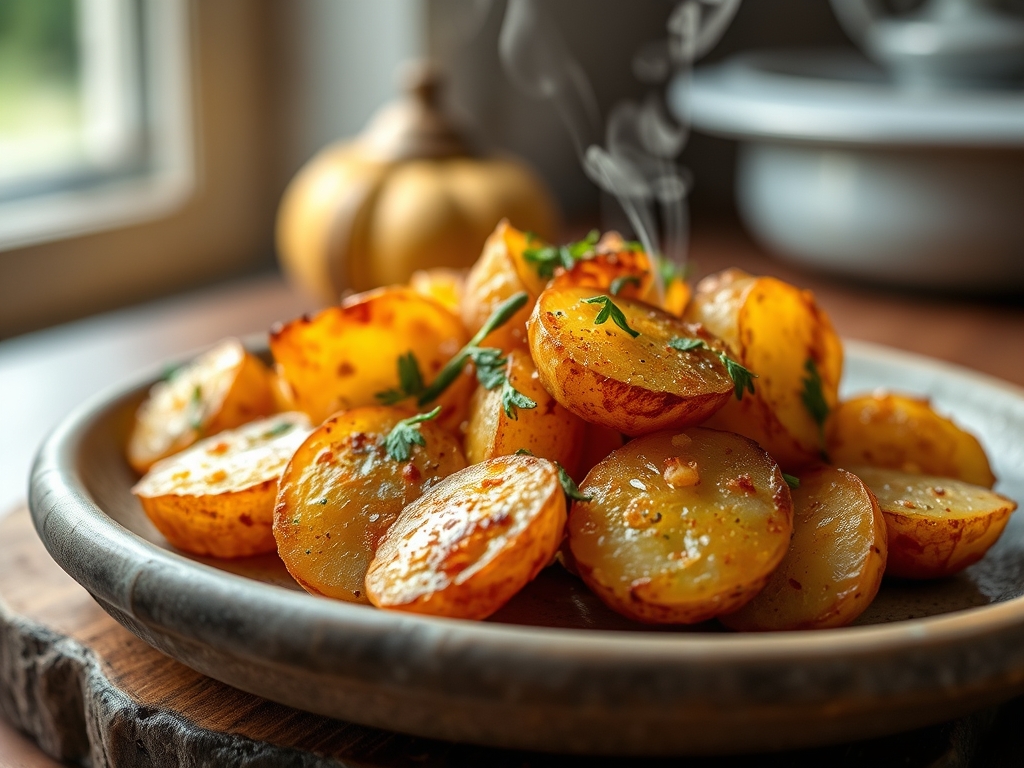
Close your eyes and imagine the scent of cold butter hitting a scorching cast iron surface; it is the olfactory equivalent of a warm hug. When you are craving comfort but your pantry looks like a desert, simple potato recipes with few ingredients are your absolute best friend. We are stripping away the fluff to focus on the glorious chemistry of the humble tuber. By mastering heat and moisture, you can transform a single vegetable into a five star experience without a grocery haul.
Potatoes are essentially storage vessels for starch, and that starch is your secret weapon for texture. Whether we are aiming for a glass-shattering exterior or a silk-smooth puree, the magic lies in how we manipulate those granules. You do not need a twenty-item shopping list to create something spectacular. In fact, some of the most iconic dishes in culinary history rely on just three or four elements. We are going to explore how salt, fat, and heat interact with the potato to create a symphony of flavors. Grab your apron and your favorite peeler; we are about to turn basic spuds into a masterclass of minimalist cooking.
The Gathers:
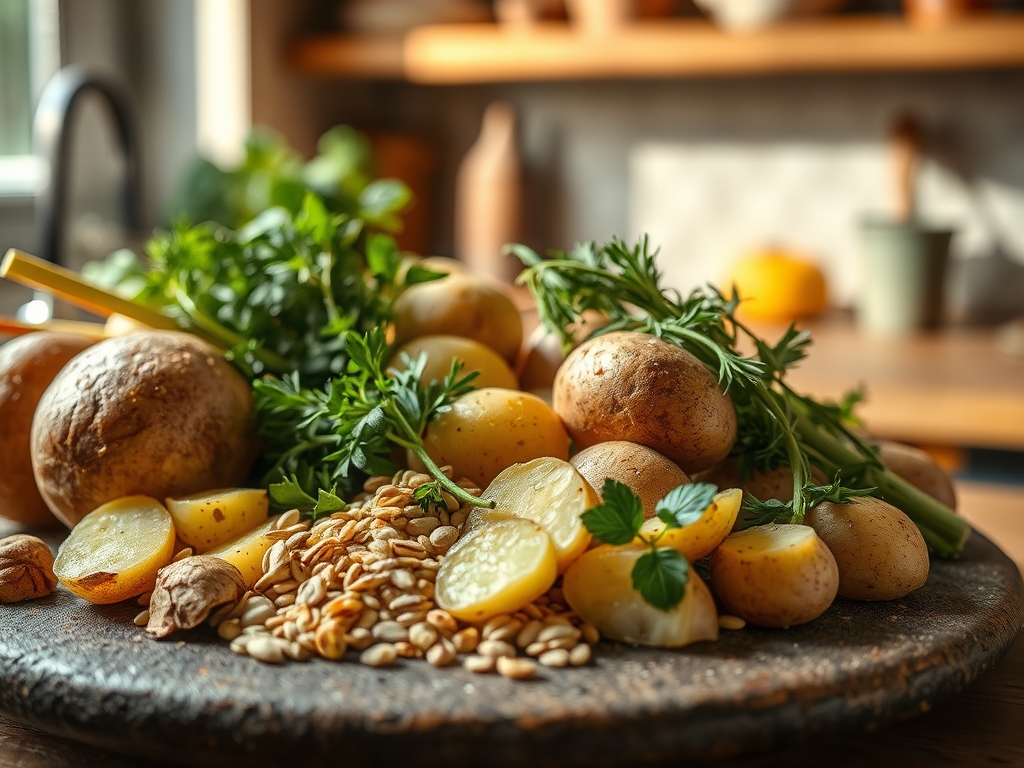
To execute these simple potato recipes with few ingredients, your mise-en-place must be precise. We are looking for high-starch varieties like Russets for fluffiness or waxy Yukon Golds for a creamy, viscous mouthfeel. You will need high-quality fats; think grass-fed butter, cold-pressed olive oil, or rendered duck fat if you are feeling fancy. Flaky sea salt is non-negotiable for that final piquant crunch, and fresh cracked black pepper provides the necessary floral heat.
Smart Substitutions: If you are out of butter, a neutral avocado oil works beautifully for high-heat roasting. No fresh herbs? A pinch of smoked paprika or dried oregano can infuse the oil with deep, earthy notes. If you find your potatoes are sprouting, do not toss them; just remove the eyes. However, if they have turned green, that is chlorophyll indicating high levels of solanine, which is bitter and toxic, so those go in the compost.
The Clock
Efficiency in the kitchen is all about the "Chef's Flow." For these recipes, expect a preparation time of roughly 10 to 15 minutes. The cooking time varies from a quick 20-minute sear to a 60-minute slow roast. The key is to utilize your oven preheat time for your knife work. While your heavy-bottomed skillet reaches the smoke point, you should be finishing your slices with a mandoline or a sharp chef's knife. This overlap ensures that the potatoes do not sit out too long, preventing enzymatic browning and keeping the starch profile exactly where we want it for maximum crispness.
The Masterclass
1. The Ultra-Crisp Smashed Potato
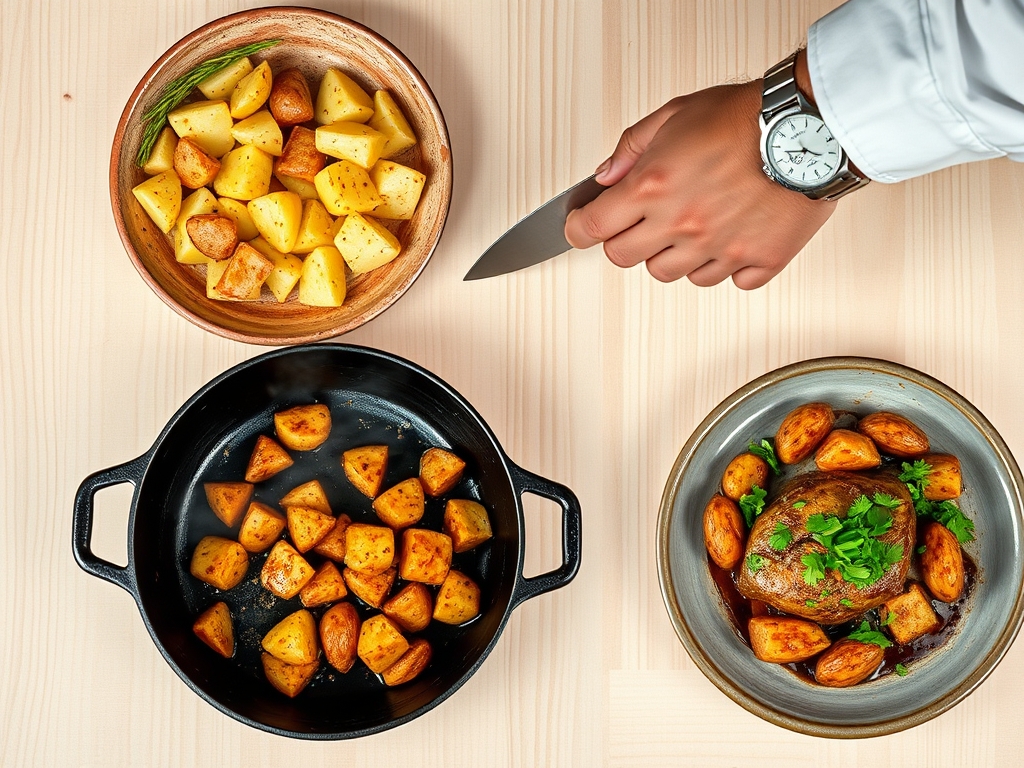
Boil your small Yukon Golds in heavily salted water until fork-tender. Drain them and let the steam escape for two minutes to dry the surface. Use a bench scraper or the bottom of a heavy glass to flatten them to half-inch thickness. Drizzle with oil and roast at 425 degrees Fahrenheit until the edges are mahogany brown.
Pro Tip: This relies on thermal carryover. If you pull them out when they look "just right," they will be overdone by the time they hit the plate. Pull them when they are a shade lighter than your goal.
2. The Silk-Road Puree
Peel and cube your potatoes, then simmer them in a mixture of half water and half whole milk. Once soft, pass them through a ricer or a fine-mesh sieve into a saucier. Whisk in cold, cubed butter one piece at a time to create an emulsion.
Pro Tip: Never use a food processor for mashed potatoes. The high-speed blades tear the starch granules, releasing amylose and turning your elegant side dish into a gluey, viscous paste.
3. The Classic Pommes Anna
Thinly slice potatoes into translucent rounds using a mandoline. Layer them in a concentric circle in a buttered skillet, seasoning each layer. Press down firmly with a weight and cook on the stovetop before finishing in the oven. Flip it out like a cake to reveal a golden, shingled masterpiece.
Pro Tip: This dish utilizes the Maillard reaction, where amino acids and reducing sugars rearrange under heat to create hundreds of different flavor compounds and that signature brown crust.
4. Salt-Crusted Baked Potato
Scrub large Russets and pat them bone-dry. Rub the skins with a light coating of oil and roll them in coarse kosher salt. Bake directly on the oven rack at 400 degrees Fahrenheit for one hour. Split them open immediately to let the steam escape.
Pro Tip: Piercing the skin allows internal steam to vent. If the steam stays trapped, it re-hydrates the starch, turning a fluffy interior into a heavy, wet mess.
5. The Bistro Fry
Cut potatoes into uniform sticks and soak them in cold water for thirty minutes to remove excess surface starch. Pat them dry with a lint-free towel. Fry them in two stages: first at a lower temperature to cook the interior, then at a high temperature to render the exterior into a golden shell.
Pro Tip: The double-fry method creates a sturdy "crust" during the first pass. The second pass flash-evaporates remaining moisture, ensuring the fry stays upright and crunchy.
6. Cacio e Pepe Potatoes
Roast potato wedges until crispy. While they are piping hot, toss them in a bowl with a generous amount of finely grated Pecorino Romano using a microplane and plenty of toasted black pepper. The residual heat will melt the cheese into a funky, salty glaze.
Pro Tip: Use a digital scale to ensure your cheese-to-potato ratio is perfect. Too much cheese without enough heat will result in clumping rather than a smooth coating.
The Deep Dive
From a nutritional standpoint, potatoes are a powerhouse of potassium and Vitamin C, especially if you leave the skins on. One medium potato contains about 110 calories and zero fat, making it a clean canvas for your culinary experiments. For those following specific diets, these recipes are naturally Gluten-Free. To make them Vegan, swap butter for high-quality olive oil or coconut oil. For a Keto-friendly version, you might swap the potato for cauliflower, though the starch chemistry will differ significantly.
The Fix-It:
- Soggy Texture: This usually means the oil wasn't hot enough or you crowded the pan. Give your potatoes space to breathe so they sear instead of steam.
- Burned Outside, Raw Inside: Your heat is too high. Lower the flame and use a lid for the first few minutes to trap heat and cook the center before browning the exterior.
- Discoloration: If your peeled potatoes turn gray, they are oxidizing. Keep them submerged in cold water with a splash of lemon juice to prevent this.
Meal Prep: To reheat and maintain "day-one" quality, avoid the microwave. Use an air fryer or a dry skillet to reactivate the fats and crisp up the edges. This prevents the starch from becoming "retrograded," which is the scientific term for that gritty, stale texture.
The Wrap-Up
Mastering simple potato recipes with few ingredients is like learning the secret language of the kitchen. Once you understand how starch reacts to moisture and heat, you no longer need a recipe book to create a masterpiece. These six dishes prove that you do not need an overflowing pantry to eat like royalty; you just need a few tubers, some good fat, and a little bit of scientific curiosity. Go forth and get those edges crispy!
The Kitchen Table
What is the best potato for frying?
Russet potatoes are the gold standard for frying. Their high starch content and low moisture levels ensure a fluffy interior and a sturdy, golden-brown exterior that stays crisp long after leaving the heavy-bottomed skillet.
Why do my mashed potatoes turn gummy?
Gummy potatoes occur when starch granules are overworked. Avoid blenders or food processors. Instead, use a ricer or masher to gently break down the tubers without shearing the starch molecules into a sticky, viscous mess.
Do I really need to soak potatoes before roasting?
Soaking removes excess surface starch, which prevents the potatoes from sticking together and helps achieve a superior crunch. It is a vital step for fries or roasted wedges if you want a professional, non-greasy finish.
How do I stop potatoes from sticking to the pan?
Ensure your pan and oil are fully preheated before adding the potatoes. Use a tongs to test one piece; if it slides easily, the surface has undergone enough Maillard reaction to release naturally from the metal.