
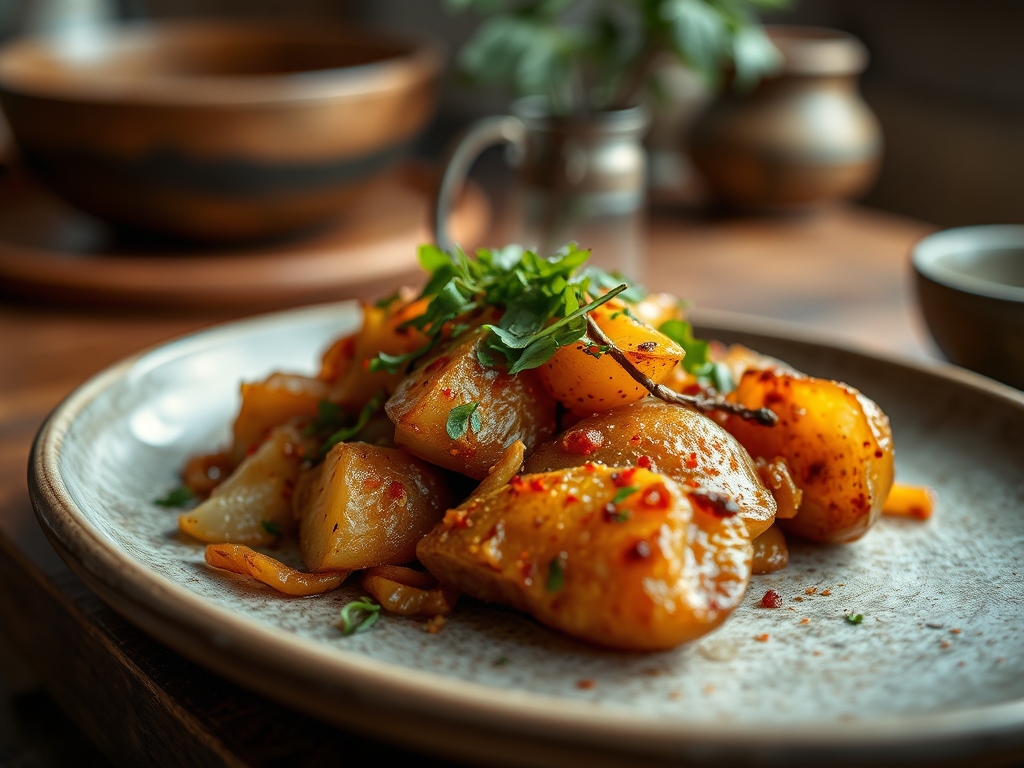
Imagine the scent of toasted Sichuan peppercorns hitting a shimmering pool of oil in a seasoned carbon steel wok. That sharp, numbing aroma is the prelude to a culinary transformation where the humble tuber becomes the star. If you think spuds are just for mashing, these potato recipes chinese style will shatter your expectations with textures ranging from glass-like crunch to velvet-soft braises. We are diving deep into the chemistry of the starch molecule to unlock authentic flavors that balance heat, acid, and umami.
The magic of Chinese potato cookery lies in the manipulation of amylose and amylopectin. Unlike Western techniques that prioritize fluffy interiors, many of these dishes celebrate the snap of a quick-blanched julienne or the creamy, sauce-clinging surface of a slow-rendered cube. Whether we are talking about the iconic Tudou Si or the hearty comfort of Di San Xian, the goal is always a perfect marriage of texture and seasoning. Grab your apron; we are about to turn your kitchen into a high-heat laboratory of flavor.
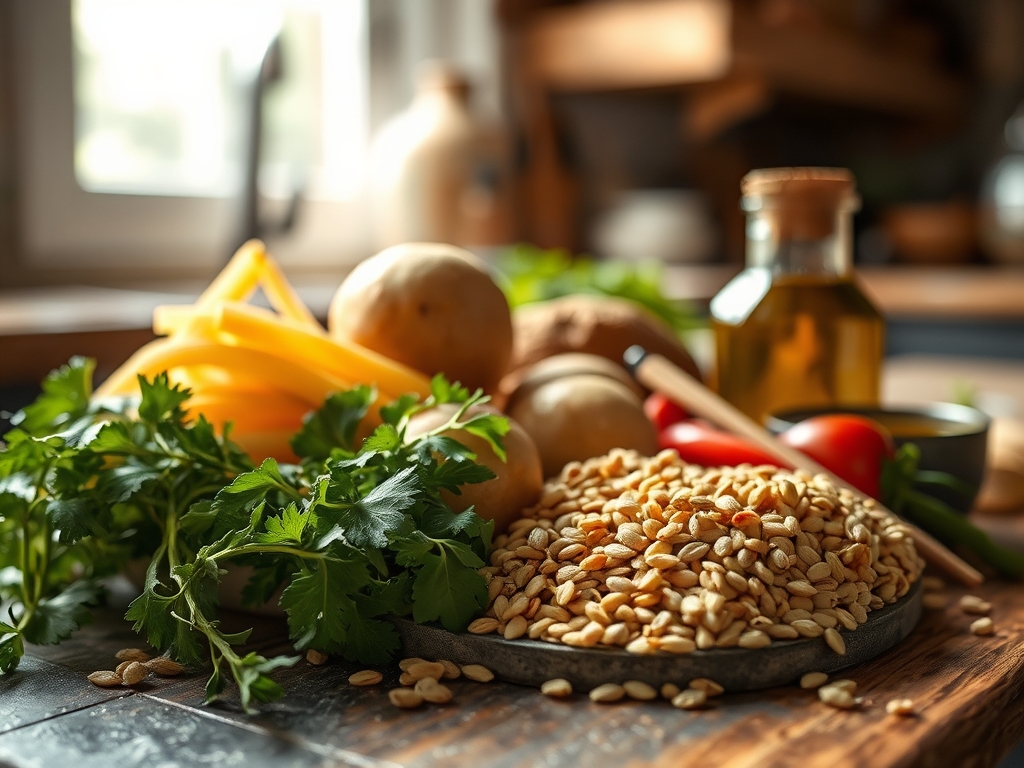
The Gathers:
To master these potato recipes chinese style, your mise-en-place must be precise. Start with high-starch Russets for frying or waxy Yukon Golds for braising. You will need high-quality light soy sauce for salinity and dark soy sauce for that deep, lacquered mahogany finish. Chinkiang black vinegar is non-negotiable; its fermented, malty acidity provides the necessary counterpoint to the earthy potato.
Smart Substitutions: If you cannot find Chinkiang vinegar, a blend of balsamic and red wine vinegar works in a pinch. For those avoiding soy, coconut aminos offer a similar viscous quality with a hint of sweetness. Always keep fresh aromatics on hand: ginger, garlic, and scallions are the "holy trinity" that infuse the oil before the main ingredients ever touch the pan. Use a digital scale to measure your dry spices, ensuring the piquant balance of Sichuan peppercorns and dried bird's eye chilies is consistent every time.
The Clock
Efficiency in a Chinese kitchen is all about the "Chef's Flow." Prep takes approximately 20 minutes, primarily focused on knife work. If you are julienning potatoes for a stir-fry, a mandoline slicer or a sharp bench scraper can expedite the process. Cooking times are remarkably fast; most stir-fried potato recipes chinese style require only 5 to 8 minutes of high-heat agitation. Braised versions, however, need 25 minutes to allow the pectin to break down and the sauce to reduce into a glossy glaze. Total time from pantry to plate usually clocks in under 45 minutes.
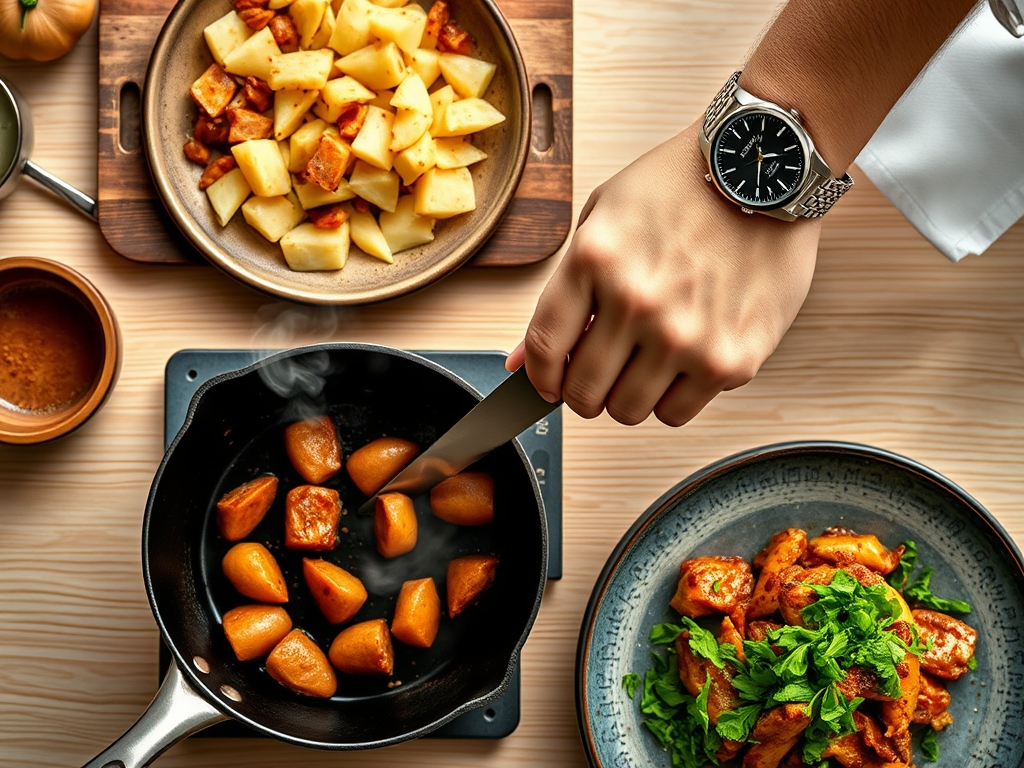
The Masterclass
1. The Precision Cut
Uniformity is the secret to even cooking. Use a sharp chef knife to slice your potatoes into matchsticks or uniform 1-inch cubes. If the pieces vary in size, the smaller ones will overcook and turn mushy before the larger ones lose their raw bite.
Pro Tip: This prevents enzymatic browning. By placing cut potatoes immediately into cold water, you wash away excess surface starch and stop oxygen from reacting with the polyphenol oxidase enzymes, keeping the flesh bright and crisp.
2. The Starch Purge
Soak your sliced potatoes in cold water for at least 10 minutes, changing the water twice. The water should transition from cloudy to clear. This step is vital for stir-fried dishes where you want individual strands rather than a gummy mass.
Pro Tip: Removing surface amylose ensures the potatoes do not stick to the wok. This allows for better Maillard reaction on the potato surface during the high-heat sear, resulting in a more complex flavor profile.
3. The Blanching Phase
For the crispest texture, par-boil your potato matchsticks in water spiked with a tablespoon of white vinegar for exactly 60 seconds. Drain and shock them in an ice bath immediately to halt the cooking process.
Pro Tip: Vinegar strengthens the pectin structure in the cell walls. This allows the potato to maintain a "snap" even after it hits the scorching heat of the wok, preventing it from breaking apart during vigorous tossing.
4. Infusing the Base Oil
Heat your wok until a bead of water evaporates instantly. Add a high-smoke-point oil like peanut or grapeseed. Toss in your dried chilies and peppercorns, stirring until they become fragrant but not burnt.
Pro Tip: This process is called tempering. The fat-soluble flavor compounds in the spices dissolve into the oil, ensuring every millimeter of the potato is coated in a uniform layer of spice and aroma.
5. The High-Heat Emulsification
Add your potatoes and aromatics. Stir-fry constantly using a wide spatula or tongs. Toward the end, pour your sauce mixture (soy, vinegar, sugar) around the perimeter of the wok rather than directly onto the vegetables.
Pro Tip: Pouring the liquid down the hot sides of the wok causes immediate evaporation and concentration. This creates wok hei, the "breath of the wok," where the sugars in the sauce caramelize instantly, providing a smoky depth.
The Deep Dive
From a nutritional standpoint, potatoes are a powerhouse of potassium and Vitamin C. When prepared in these potato recipes chinese style, the focus is on high-fiber skins and minimal added fats compared to deep-frying. For a Vegan swap, ensure your oyster sauce is mushroom-based. For Keto enthusiasts, replace half the potatoes with daikon radish to lower the glycemic load. If you are Gluten-Free, swap the soy sauce for tamari.
The Fix-It:
- Soggy Potatoes: You likely skipped the soaking step or overcrowded the pan. Cook in smaller batches to maintain high heat.
- Bitter Spices: Your oil was too hot when you added the chilies. Pull the wok off the burner for ten seconds before adding aromatics.
- Lack of Flavor: Potatoes absorb salt aggressively. Increase your light soy sauce or add a pinch of MSG for that authentic "restaurant" punch.
Meal Prep: To reheat, avoid the microwave. Use a heavy-bottomed skillet with a teaspoon of oil over medium heat. This restores the exterior texture without drying out the interior. Potatoes actually develop more "resistant starch" when cooled and reheated, which is great for gut health.
The Wrap-Up
Mastering potato recipes chinese style is a gateway to understanding the delicate balance of Chinese pantry staples. It is a lesson in how heat, acid, and starch interact to create something far greater than the sum of its parts. Don't be afraid to crank up the flame and let the wok do the work. Your kitchen is now a sanctuary of sizzle and spice; go ahead and serve up those golden, piquant treasures to your favorite people.
The Kitchen Table
Can I use red potatoes for Chinese stir-fry?
Waxy red potatoes hold their shape well due to lower starch content. They are excellent for stir-frying because they resist turning into mash, though they won't get as crispy as a soaked Russet matchstick.
Why is my potato stir-fry sticking to the wok?
Sticking usually happens because the surface starch wasn't rinsed off or the wok wasn't hot enough. Always soak your potatoes until the water is clear and ensure your oil is shimmering before adding ingredients.
What is the best way to cut potatoes into matchsticks?
Slice a small piece off one side to create a flat, stable base. Slice the potato into thin planks, then stack the planks and slice them into thin strips. A mandoline makes this significantly faster.
Is Chinkiang vinegar necessary for these recipes?
While you can substitute it, Chinkiang vinegar provides a unique, smoky, and fermented depth that white vinegar lacks. It is the secret ingredient that gives these dishes their authentic, complex acidic profile.