
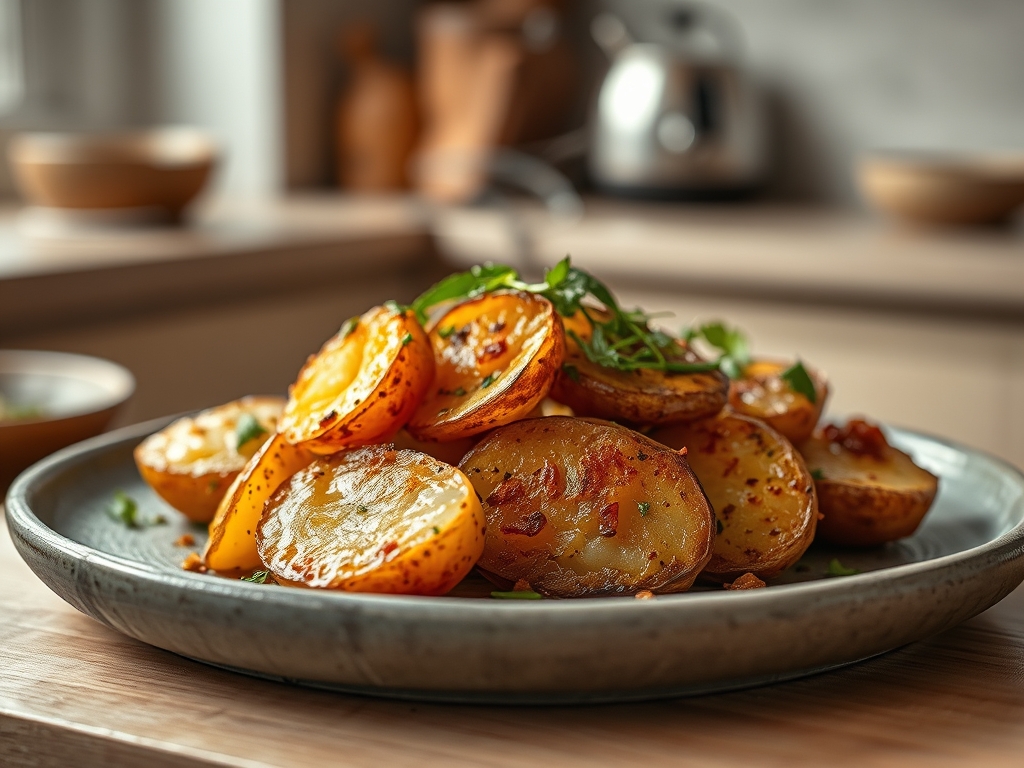
Picture this: the air is crisp; the scent of burning hickory is swirling around your patio; and you are about to pull a tray of gold from your pellet grill. We are not talking about brisket or ribs today. We are talking about the humble spud transformed into a culinary masterpiece. Most people treat potatoes as a secondary thought, but when you master smoker potato recipes, they become the undisputed star of the plate. We are chasing that elusive contrast between a skin so crisp it shatters like parchment and an interior that mimics the texture of velvet. It is a delicate dance of moisture control and smoke absorption. You want that deep, woody essence to permeate the starch without turning the potato into a dry, chalky mess. It is time to move past the basic foil wrap and embrace the technical precision of low and slow heat. By the end of this guide, your neighbors will be peering over the fence, wondering how a simple root vegetable can smell like a five star steakhouse.

The Gathers:
To achieve potato perfection, your mise-en-place must be intentional. Start with Russet Burbank or Yukon Gold potatoes; their high starch content is vital for that fluffy internal matrix. You will need a high smoke point fat, such as rendered duck fat or clarified butter (ghee), to ensure the skins crisp up at lower temperatures. For the seasoning, we are looking for a piquant blend: coarse kosher salt for texture, cracked black pepper for heat, and perhaps a touch of smoked paprika to reinforce the grill profile.
Smart Substitutions:
If you are avoiding animal fats, use an avocado oil infused with rosemary. It has a high smoke point and a viscous quality that clings to the skin. For those craving a tangy kick, swap the standard salt for a malted vinegar salt to mimic the profile of gourmet chips. Always use a digital scale to ensure your potatoes are uniform in weight; this guarantees they finish cooking at the exact same moment.
The Clock:
The "Chef's Flow" for smoker potato recipes is all about timing the starch gelatinization.
- Prep Time: 15 minutes (Scrubbing, drying, and piercing).
- Cook Time: 2 to 2.5 hours at 225 degrees Fahrenheit.
- The Finish: 15 minutes at 400 degrees Fahrenheit (or a quick sear in a heavy-bottomed skillet).
- Resting: 10 minutes.
The flow is simple: while your main protein is resting or finishing its long stall, the potatoes are absorbing the clean blue smoke. This overlap ensures that every component of your meal hits the table at the peak of its thermal potential.
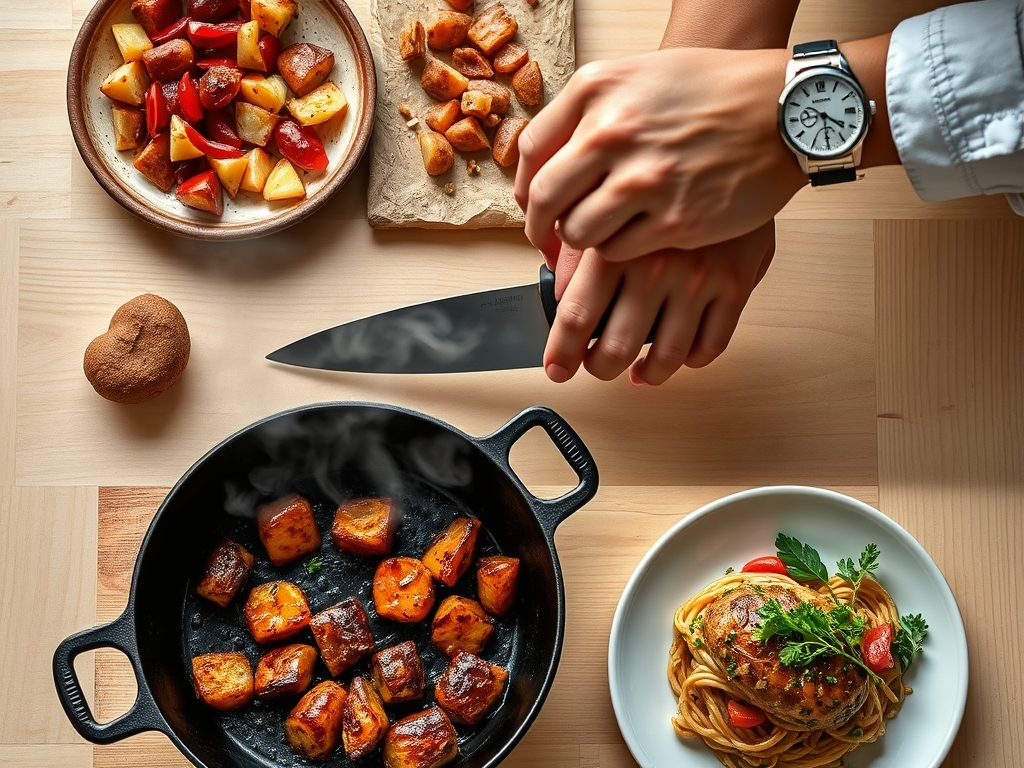
The Masterclass:
1. The Surface Preparation
Scrub your potatoes under cold water using a stiff brush to remove any residual soil. Once clean, use a bench scraper to clear your station and dry each potato thoroughly with a lint-free towel. Moisture is the enemy of the Maillard reaction; if the skin is damp, it will steam rather than crisp.
Pro Tip: Use a fork to pierce the skin about six times. This creates "escape hatches" for steam, preventing the potato from exploding and allowing the smoke to infuse the flesh more deeply.
2. The Fat Application
Do not just drizzle; you must massage. Coat each potato in your chosen fat until it is glistening. This lipid layer acts as a binder for your seasonings and a conductor for the heat.
Pro Tip: This is called hydrophobic coating. By surrounding the potato with fat, you prevent the external humidity of the smoker from making the skin leathery, ensuring a brittle, delicious crunch.
3. The Seasoning Anchor
Generously apply your salt and spice blend. Use your hands to ensure every millimeter of the surface is covered. The salt does more than season; it draws out a tiny amount of surface moisture which then evaporates, tightening the skin.
Pro Tip: Osmotic pressure pulls the salt into the first few layers of the potato. This seasons the skin deeply so that every bite is balanced, rather than just having a salty exterior and a bland interior.
4. The Smoke Infusion
Place the potatoes directly on the grill grates. Do not use foil. Foil creates a mini steam chamber that ruins the skin texture. Set your smoker to 225 degrees Fahrenheit using a mild wood like apple or pecan.
Pro Tip: The smoke ring effect isn't just for meat. While potatoes won't show a pink ring, the porous starch molecules capture the smoke particulates most effectively during the first hour of cooking while the surface is still relatively cool.
5. The Internal Check
Use a digital probe thermometer to monitor the internal temperature. You are looking for a "probe-tender" feel, which usually occurs around 205 to 210 degrees Fahrenheit.
Pro Tip: This temperature range ensures that the pectin holding the potato cells together has completely broken down. This results in that "fluffy" texture we crave rather than a waxy or firm bite.
6. The High-Heat Crisp
Once the interior is soft, crank the heat or move the potatoes to a heavy-bottomed skillet for a final five minute blast. This triggers the final stage of the Maillard reaction, browning the proteins and sugars in the skin.
Pro Tip: This stage utilizes thermal carryover. Even after you remove the potatoes from the heat, the internal temperature will rise slightly, finalizing the texture while the skin sets into a crisp shell.
7. The Aeration Finish
Cut a slit down the center and use a clean towel to "squeeze" the ends of the potato toward the middle. Use a fork to fluff the insides vigorously.
Pro Tip: This action allows you to aerate the starch. By introducing air, you increase the surface area for toppings like sour cream or butter to melt into, creating a luxurious mouthfeel.
The Deep Dive:
Macro Nutrition:
Potatoes are a fantastic source of complex carbohydrates and potassium. One medium smoked potato contains roughly 160 calories, 4 grams of protein, and 37 grams of carbs. By using healthy fats like avocado oil, you add heart-healthy monounsaturated fats to the mix.
Dietary Swaps:
- Vegan: Use a high-quality vegan butter or a drizzle of truffle oil.
- Keto: Swap the potato for a large head of cauliflower, following the same smoking steps but reducing the cook time by 45 minutes.
- GF: Naturally gluten-free; just ensure your spice rubs do not contain anti-caking agents derived from wheat.
The Fix-It:
- Leathery Skin: This happens if the temperature was too low for too long. Fix it by brushing with more fat and blasting at 450 degrees for five minutes.
- Bland Interior: You likely didn't pierce the skin or season heavily enough. Fix it by mixing a piquant herb butter into the fluffed interior.
- Uneven Cooking: This occurs from poor airflow. Ensure you use tongs to rotate the potatoes halfway through the smoke.
Meal Prep:
To reheat and maintain "day-one" quality, avoid the microwave. Use an air fryer or oven at 375 degrees for 10 minutes. This restores the crispness of the skin that refrigeration usually kills.
The Wrap-Up:
Mastering smoker potato recipes is the ultimate "level up" for any backyard chef. It turns a budget-friendly staple into a gourmet experience through the clever application of smoke, fat, and heat. Remember; the secret lies in the details: the dry skin, the direct grate contact, and that final high-heat finish. Whether you are serving these alongside a prime rib or eating them as a standalone meal loaded with brisket burnt ends, the technical precision you have learned today will ensure perfect results every single time. Now, get that smoker fired up and show those spuds some love!
The Kitchen Table:
Why is my smoked potato skin tough?
Tough skin usually results from trapped moisture or a lack of fat. Ensure the potato is bone-dry before oiling and avoid wrapping in foil, which steams the skin instead of crisping it through dry heat.
What is the best wood for smoking potatoes?
Mild fruitwoods like apple, cherry, or maple are ideal. They provide a sweet, subtle smoke that complements the earthy flavor of the potato without overpowering it like heavy mesquite or hickory might do over two hours.
Do I need to parboil potatoes before smoking?
No parboiling is required for whole potatoes. The low and slow environment of the smoker provides ample time for the starch to soften. Parboiling can actually lead to a waterlogged interior and prevents the skin from getting truly crisp.
How do I know when the potatoes are done?
The most reliable method is using a digital thermometer. Aim for an internal temperature between 205 and 210 degrees Fahrenheit. The potato should also feel soft and yield easily when squeezed with a pair of tongs.