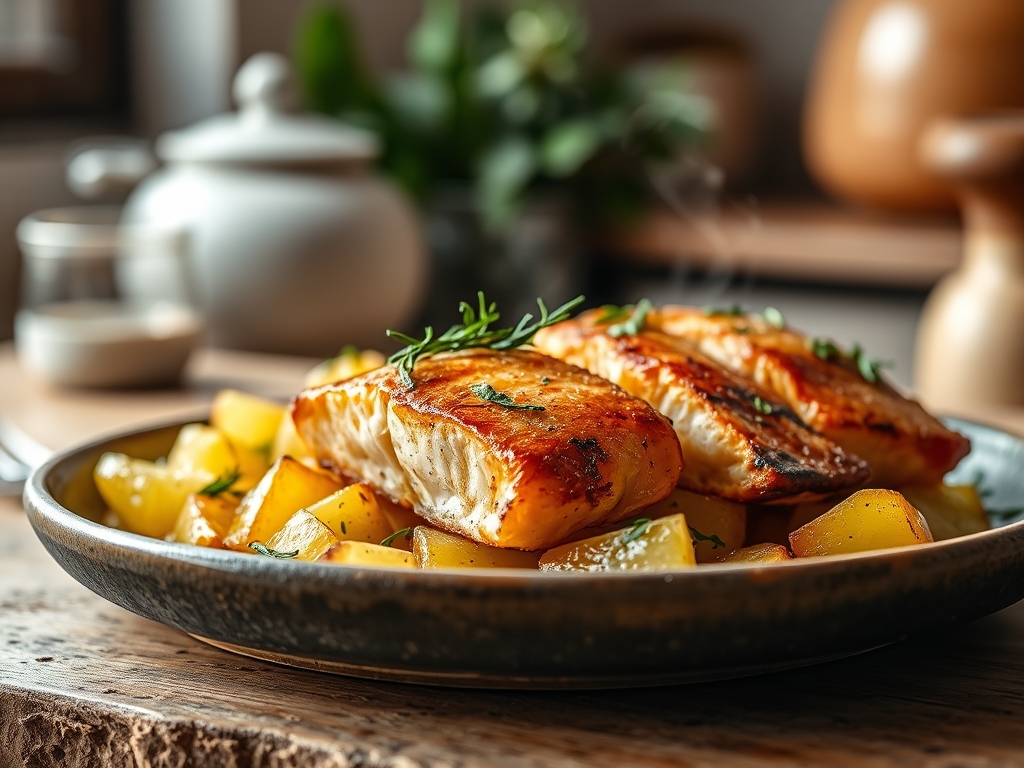
Imagine the hiss of a cold salmon fillet hitting a hot cast iron pan; the smell of rendered omega-3 fats mingling with the herbal punch of fresh dill. While the fish is the star, it is the side dish that provides the structural integrity of the meal. Finding the ultimate potato recipes for salmon requires more than just boiling a tuber. It is about balancing the rich, fatty profile of the fish with acidity, crunch, and starch. Whether you are aiming for the glassy crunch of a roasted Yukon Gold or the velvet crumb of a French puree, the goal is a harmonious plate. We are diving into the molecular magic that turns a humble root vegetable into the perfect partner for your seafood.
The Gathers:
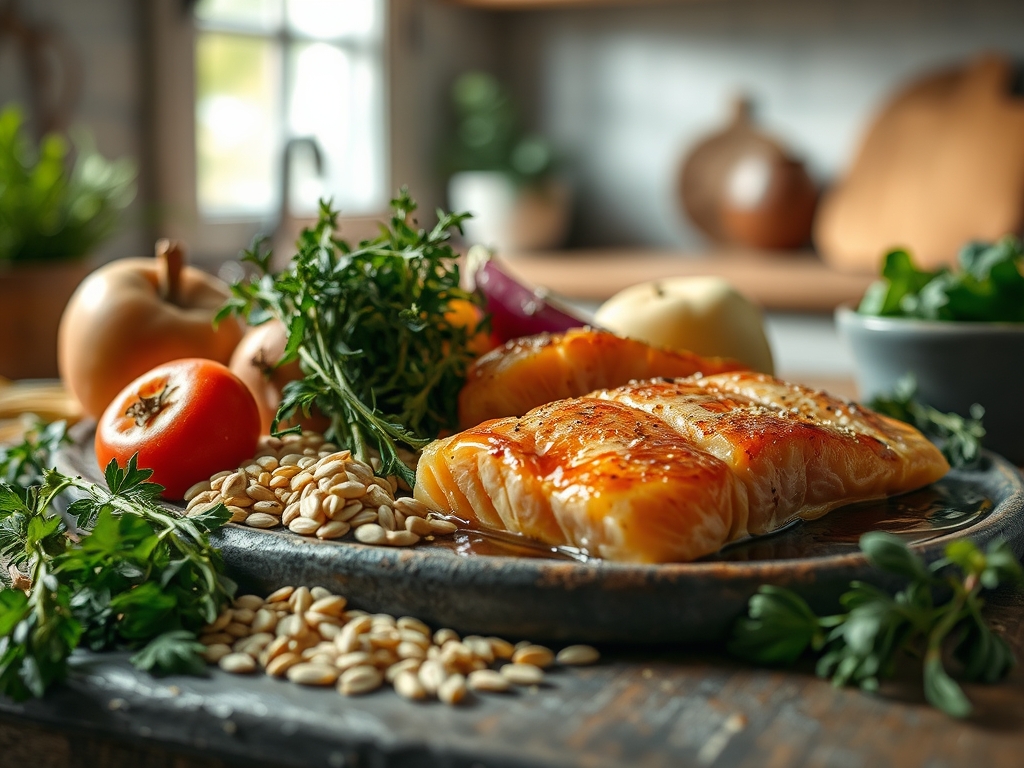
To execute these potato recipes for salmon, your mise-en-place must be precise. We are looking for high-starch Russets for fluffiness and waxy Red Bliss or Fingerlings for structural integrity during roasting. You will need high-quality fats like clarified butter (ghee) for its high smoke point and heavy cream for emulsification. Aromatics are non-negotiable; gather fresh rosemary, garlic cloves, and lemons for their piquant zest.
Smart Substitutions:
If you are avoiding dairy, swap heavy cream for full-fat coconut milk or a high-quality cashew cream to maintain a viscous texture. For a lower glycemic index, substitute half of your potatoes with parsnips or celery root; these roots provide a similar mouthfeel but offer a sharper, earthy contrast to the oily salmon. Use duck fat instead of olive oil for roasting if you want to maximize the Maillard reaction and achieve a shatteringly crisp exterior.
The Clock:
In a professional kitchen, we call this the "Chef's Flow." You want your potatoes and salmon to hit the plate at their peak temperature.
- Prep Time: 20 minutes. This includes washing, peeling, and using a bench scraper to organize your dice.
- Cook Time: 30 to 45 minutes depending on the method.
- Resting Time: 5 minutes.
The flow is simple: start your potatoes first. Because potatoes are dense, they require more thermal energy to soften. While they roast or simmer, you can prep your salmon. Aim to have the potatoes in their final "holding" stage (resting in a warm oven or covered in a saucier) just as the salmon enters the pan. This prevents the frantic scramble of trying to sear fish while mashing spuds.
The Masterclass:
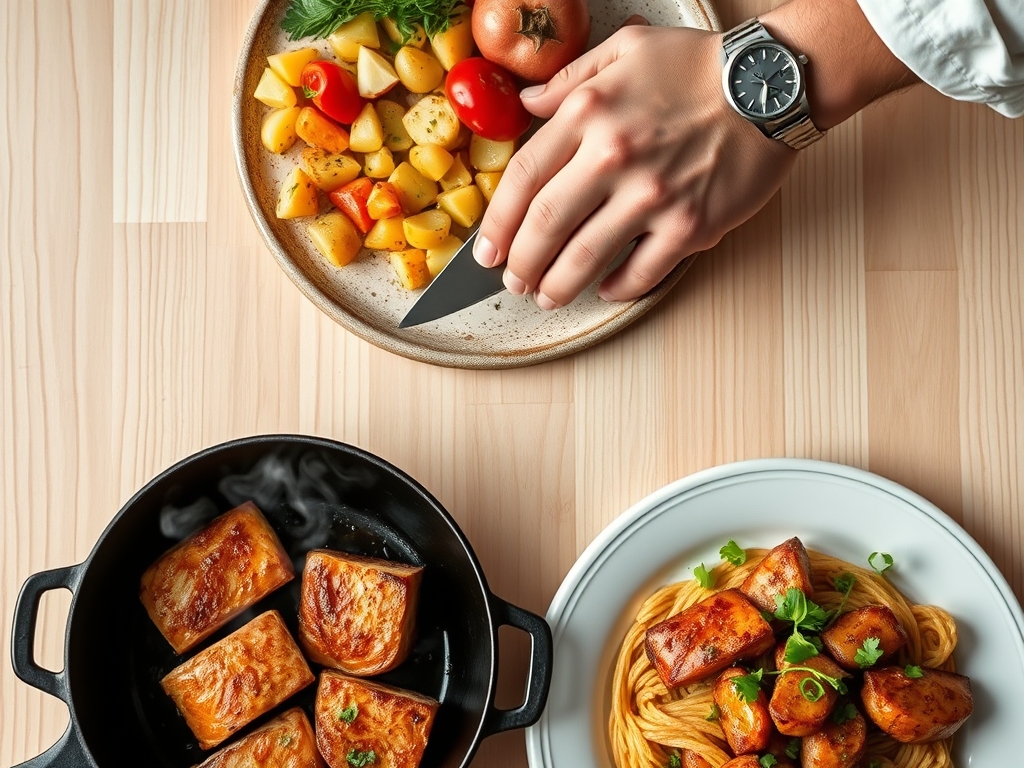
1. The Parboil Secret
Start by placing your cut potatoes in cold, salted water rather than boiling water. This ensures the interior and exterior cook at the same rate. Add a splash of vinegar to the water to help the potatoes retain their shape.
Pro Tip: This is about pectin stabilization. The acid in vinegar prevents the pectin from breaking down too quickly, allowing the potato to soften without turning into mush before it hits the roasting pan.
2. Achieving the Rough Edge
After draining, toss the potatoes vigorously in the pot or a colander. You want to create a starchy "fuzz" on the surface of each piece.
Pro Tip: This increases the surface area for the fat to cling to. When these fuzzy edges hit the hot oil, they dehydrate and fry, creating those jagged, ultra-crunchy bits that define a perfect roast potato.
3. Infusing the Fat
Heat your fat (oil or butter) in a heavy-bottomed skillet or roasting tray before adding the potatoes. Throw in smashed garlic and woody herbs to infuse the medium.
Pro Tip: This is lipid-soluble flavor extraction. The essential oils in rosemary and thyme are fat-soluble; by flavoring the fat first, you ensure every millimeter of the potato is seasoned from the outside in.
4. The High-Heat Roast
Spread the potatoes in a single layer. Do not crowd the pan. Roast at 425 degrees Fahrenheit, flipping only once halfway through using metal tongs.
Pro Tip: Crowding the pan causes evaporative cooling. If the potatoes are too close, the steam escaping from them gets trapped, resulting in a soggy, boiled texture rather than a crisp, roasted one.
5. The Final Emulsion
If making a mash or puree, incorporate your fats slowly. Use a digital scale to measure your butter for consistency. Use a microplane to grate in fresh nutmeg or lemon zest at the very end.
Pro Tip: This utilizes mechanical emulsification. By folding cold butter into hot potatoes, you create a stable suspension of fat and starch, resulting in a glossy, velvet-like finish that won't "weep" oil on the plate.
The Deep Dive:
Macro Nutrition
Potatoes are a powerhouse of potassium and complex carbohydrates, providing the energy needed to balance the high protein and fat content of salmon. A standard serving offers roughly 150 calories, 3 grams of protein, and a significant dose of Vitamin C.
Dietary Swaps
- Vegan: Use nutritional yeast for a "cheesy" flavor and avocado oil for roasting.
- Keto: Swap potatoes for cauliflower florets roasted with the same herb-infused fats.
- Gluten-Free: Potatoes are naturally GF, but ensure your seasoning blends don't contain hidden anti-caking agents.
The Fix-It
- The Pitfall: Gluey Mashed Potatoes. The Fix: You overworked the starch. Next time, use a ricer instead of a food processor to avoid shearing the starch granules.
- The Pitfall: Burnt Garlic. The Fix: Add aromatics in the last 10 minutes of roasting rather than the beginning.
- The Pitfall: Soggy Bottoms. The Fix: Pre-heat your roasting tray in the oven so the potatoes sizzle the moment they touch the metal.
Meal Prep: Reheating Science
To maintain "day-one" quality, avoid the microwave. The microwave agitates water molecules, making the starch gummy. Instead, reheat roasted potatoes in an air fryer or a hot skillet to re-crisp the exterior. For mashed potatoes, reheat in a saucier with a splash of milk to restore the emulsion.
The Wrap-Up:
Mastering potato recipes for salmon is the ultimate culinary flex. It is the marriage of texture and temperature, science and soul. When you understand how starch behaves under heat and how fat carries flavor, you move from following a recipe to commanding the kitchen. So, grab your tongs, preheat that oven, and get ready to serve a meal that your friends will be talking about until next Sunday. You have the tools, the tech, and the talent; now go make some magic!
The Kitchen Table:
What are the best potatoes for roasting with salmon?
Waxy varieties like Yukon Gold or Red Bliss are ideal. They hold their shape under high heat and develop a creamy interior that complements the flaky texture of roasted salmon perfectly.
Why are my roasted potatoes not getting crispy?
You likely crowded the pan or didn't dry the potatoes enough. Excess moisture creates steam, which prevents the Maillard reaction. Use a large tray and pat the potatoes dry before roasting.
Can I make potato sides ahead of time?
Yes! You can parboil and roughen the edges of your potatoes up to 24 hours in advance. Store them in the fridge, then roast them fresh when you are ready to cook your salmon.
How do I stop mashed potatoes from being gummy?
Never use a blender or food processor. These tools break the starch cells, releasing amylose that turns the mixture into paste. Use a hand masher or a ricer for a light, fluffy texture.